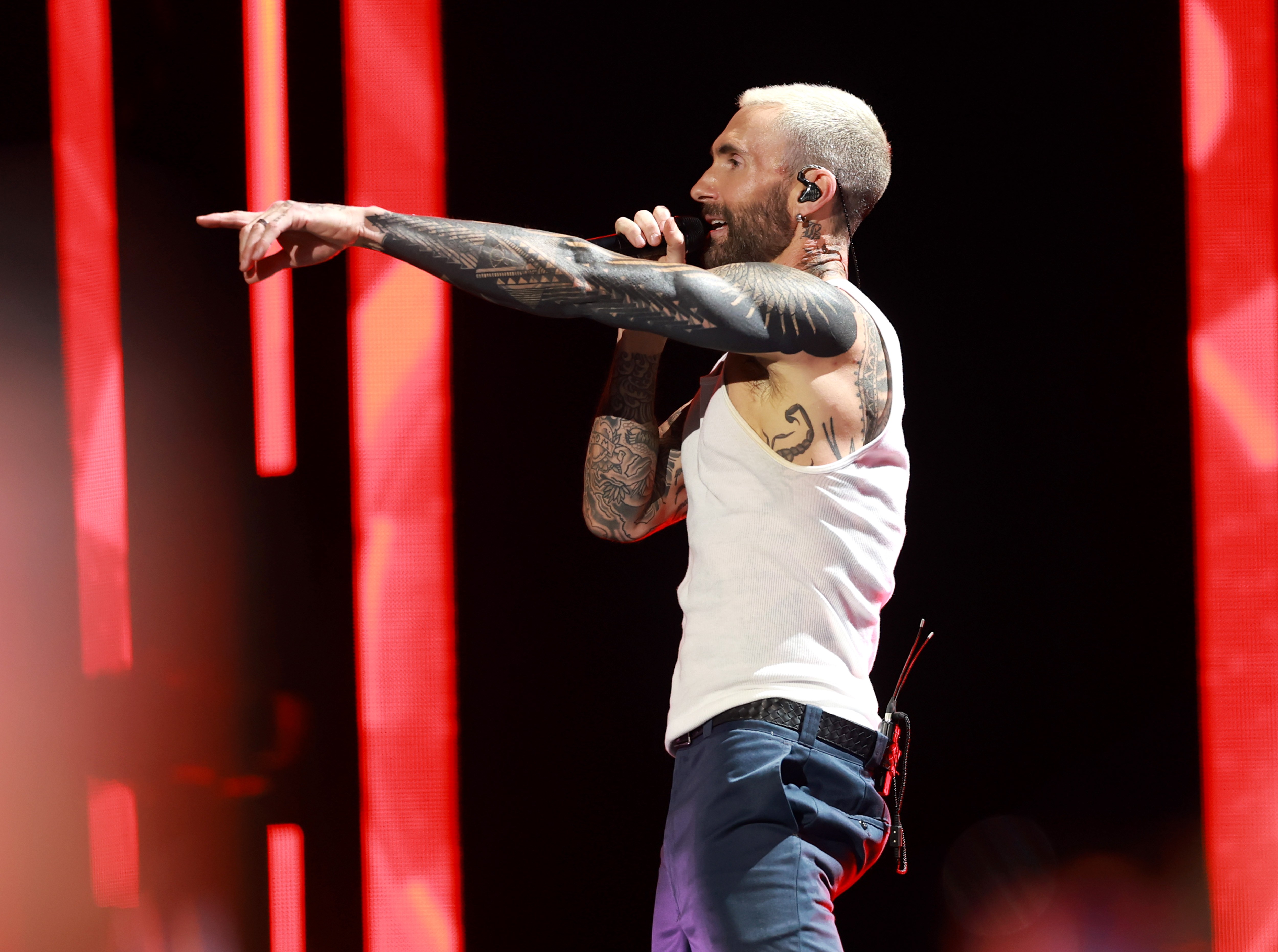
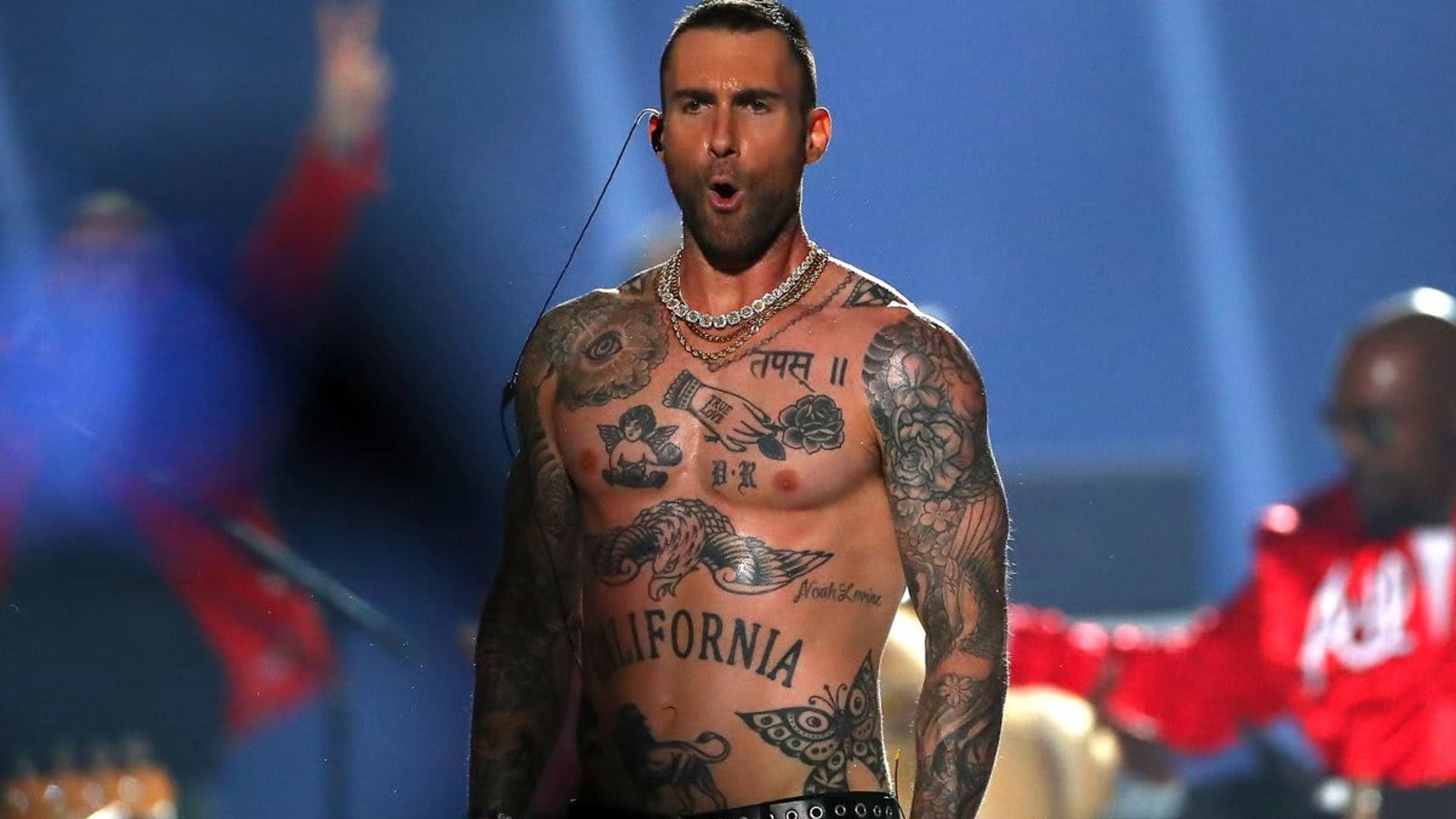
Adam Levine’s back tattoo is a monumental work of neo-traditional body art featuring a winged mermaid holding a skull, surrounded by a crashing ocean, a sailing ship, and soaring birds. Completed over six months by artist Bryan Randolph, the piece represents a masterclass in large-scale composition, blending maritime mythology with personal themes of mortality and navigation.
The lead singer of Maroon 5 has long been a canvas for intricate ink, but his back piece remains his most ambitious and discussed undertaking. For those looking to draw inspiration from this design in 2026, understanding the technical execution and the layered symbolism is essential. This article explores the history, the intricate meanings behind each element, and the practical considerations for anyone seeking a similar large-scale transformation.
The Evolution of the Masterpiece: From Fragments to Full Back
Before the current sprawling mural existed, Adam Levine’s back featured a smaller collection of disparate tattoos. Most notably, he had a paw print on his right shoulder blade with the words "Frankie Girl," a tribute to his late Golden Retriever. As his passion for the craft grew, Levine decided to transition from a "collection of stamps" approach to a cohesive, full-back composition.
The transformation began in late 2015 and was revealed in its completed state in early 2016. The process was grueling, involving numerous sessions over a six-month period. Choosing to cover or integrate existing tattoos into a singular theme is a common turning point for serious collectors. Levine’s decision to commit to a full-back piece reflects a shift toward viewing the body as a single, unified gallery rather than a series of independent thoughts.
The artist behind the work, Bryan Randolph of Spider Murphy’s Tattoo in San Rafael, California, is renowned for his mastery of traditional and neo-traditional styles. The collaboration between Levine and Randolph resulted in a design that respects the contours of the human musculature while maintaining high-contrast clarity—a necessity for a piece meant to be viewed from a distance.
Decoding the Symbolism: The Mermaid, The Skull, and The Sea
Every element of Levine’s back tattoo is steeped in traditional maritime lore, yet the combination of these images creates a unique narrative. In the world of tattooing, "meaning" is often a blend of historical context and the wearer’s personal journey.
The Winged Mermaid (The Siren)
The central figure is a mermaid, but not the whimsical variety found in modern fairy tales. This mermaid possesses large, intricate wings, a detail that bridges the gap between the sea and the sky. Historically, sirens and mermaids represented the dual nature of the ocean: beautiful and alluring, yet dangerously unpredictable. By placing her at the center, the design anchors itself in the theme of temptation and the mysteries of the deep.
The Skull in the Mermaid’s Hands
The mermaid is depicted cradling a human skull. This is a classic "memento mori" (remember you must die) motif. In the context of the mermaid, it suggests the fragility of life and the inevitability of the end, regardless of the allure of fame or beauty. It adds a darker, more philosophical edge to the design, suggesting that the wearer is mindful of mortality.
The Crashing Waves and Sailing Ship
In the background, a traditional sailing ship navigates turbulent waters. Ships have long symbolized a journey, a career, or the act of finding one's way through the storms of life. For a musician who has spent decades touring the globe and navigating the complexities of the entertainment industry, the ship serves as a powerful metaphor for resilience and direction.
The Soaring Birds
Framing the top of the piece are birds, likely swallows or sparrows. In traditional sailor tattoos, these birds represented a safe return home. Sailors believed that if they drowned, these birds would carry their souls to heaven. In Levine’s piece, they provide a sense of balance and "air" to the otherwise heavy, water-themed lower half.
Technical Analysis of the Neo-Traditional Style
From a technical perspective, the tattoo is a triumph of black and grey neo-traditionalism. Unlike "American Traditional" tattoos, which use limited color palettes and very thick lines, "Neo-Traditional" art allows for more varied line weights, intricate shading, and a greater level of realism while still honoring the foundational rules of the craft.
The use of negative space (the skin left un-inked) is crucial in this piece. The white foam of the waves and the highlights on the mermaid’s scales are not white ink, but rather the absence of black, which creates a luminous effect. The depth of the blacks provides a high-contrast background that ensures the central figures remain legible even as the tattoo ages. In 2026, ten years after its completion, the piece serves as a case study in how proper saturation and contrast allow large-scale work to hold its integrity over time.
Comparison of Design Elements and Themes
The following table breaks down the primary components of the design to help enthusiasts understand how individual elements contribute to the collective whole.
| Design Element | Primary Symbolism | Artistic Style | Integration Role |
|---|---|---|---|
| Winged Mermaid | Allure, Mystery, Duality | Neo-Traditional Realism | Central anchor of the entire composition. |
| The Skull | Memento Mori, Mortality | High-Contrast Shading | Provides a focal point and philosophical depth. |
| Sailing Ship | Life's Journey, Resilience | Traditional Maritime | Establishes the background and sense of scale. |
| Crashing Waves | Turmoil, Change, Nature | Fluid Linework | Connects the upper and lower sections of the back. |
| Swallows/Birds | Freedom, Safe Return | Classic Sailor Motif | Frames the shoulders and provides upward movement. |
Planning Your Own Large-Scale Back Piece
For those inspired by Adam Levine’s back designs, achieving a similar result requires more than just a good reference photo. A project of this magnitude is a significant investment of time, money, and physical endurance.
1. Finding the Right Artist
A full-back piece is a career-defining project for a tattooist. You must seek an artist who specializes in large-scale compositions. Look for portfolios that show healed work, as the way the ink settles into the skin over several years is the true test of a back piece's quality. Bryan Randolph’s work on Levine is successful because he understood how the design would move with Levine’s body.
2. The Commitment of Time
Levine’s tattoo took six months. This likely involved sessions every 2–3 weeks, allowing for healing time between passes. Rushing a back piece can lead to poor skin texture and "over-working" the tissue. Patience is the most critical requirement for a project that covers the entire torso.
3. Pain Management and Placement
The back is a sensitive area, particularly over the spine, the shoulder blades, and the "love handles" near the waist. Large-scale work often requires the wearer to sit in uncomfortable positions for hours. It is vital to discuss a session schedule with your artist that balances progress with your personal pain threshold.
4. Evolution vs. Cover-Up
If you already have tattoos on your back, you must decide whether to cover them or integrate them. Levine chose a path that effectively covered older work, creating a clean slate. This often requires more saturated blacks and denser shading to ensure the old designs do not "ghost" through the new artwork.
Longevity and Maintenance of Large-Scale Ink
In 2026, the tattoo industry has seen significant advancements in aftercare and ink technology, but the fundamentals of maintaining a piece like Levine’s remain the same. Because the back is often shielded from the sun by clothing, back tattoos generally age better than those on the arms or hands. However, the sheer size of the piece means that any weight gain, weight loss, or muscle growth can slightly shift the proportions of the image.
To keep a detailed back piece looking sharp:
- Sun Protection: Even through a T-shirt, UV rays can degrade ink. Use high-SPF sunscreen when at the beach or pool.
- Moisturization: Keeping the skin hydrated maintains the clarity of the blacks and prevents the "ashy" look that can dull a neo-traditional piece.
- Touch-ups: Large pieces may require a "refresher" session every 10–15 years to sharpen the finest details that naturally blur over time.
Frequently Asked Questions
How long did Adam Levine's back tattoo take to complete?
The tattoo took approximately six months of consistent sessions. While the exact number of hours hasn't been publicly disclosed, a piece of this complexity and scale typically requires 40 to 60 hours of active chair time, divided into manageable sessions to allow the skin to recover.
Who is the artist responsible for the design?
The work was created by Bryan Randolph, an artist at Spider Murphy’s Tattoo. Randolph is highly respected in the industry for his ability to blend traditional imagery with a sophisticated, modern aesthetic. Levine has frequently praised Randolph for his vision and technical skill.
Does the tattoo cover any previous designs?
Yes, the large-scale mural covers several older tattoos. The most prominent was a "Frankie Girl" paw print on his right shoulder blade. The dense shading of the waves and the mermaid’s wings were strategically used to mask the existing ink, demonstrating the effectiveness of neo-traditional styles for cover-up work.
What is the specific meaning of the mermaid holding a skull?
While Levine has not provided a line-by-line breakdown of every meaning, the combination of a siren (mermaid) and a skull is a classic representation of "the beauty of life meeting the inevitability of death." It reflects a balance between the seductive nature of the world and the grounding reality of our own mortality.
Can I get a similar design if I have a smaller build?
Absolutely. A skilled artist will always "map" the design to your specific anatomy. The key to Levine's tattoo is how it flows with his muscles; an artist would do the same for you, adjusting the scale of the mermaid and the placement of the ship to ensure it looks natural on your frame.
Taking the Next Step in Your Tattoo Journey
If the "Adam Levine back tattoo" has become your gold standard for body art, the next logical step is a consultation with a specialist in large-scale neo-traditional work. Avoid the temptation to copy the design exactly; instead, identify which elements resonate with you most. Perhaps it is the maritime theme, the use of negative space, or the memento mori symbolism.
Bring reference images not just of Levine’s tattoo, but of the specific artistic styles you admire. A professional artist will take these "ideas and meanings" and translate them into a custom piece that fits your body and your personal story. Remember that a back piece is a marathon, not a sprint. By prioritizing artist selection and design cohesion, you can achieve a "masterpiece" status that will remain a source of pride for decades to come.