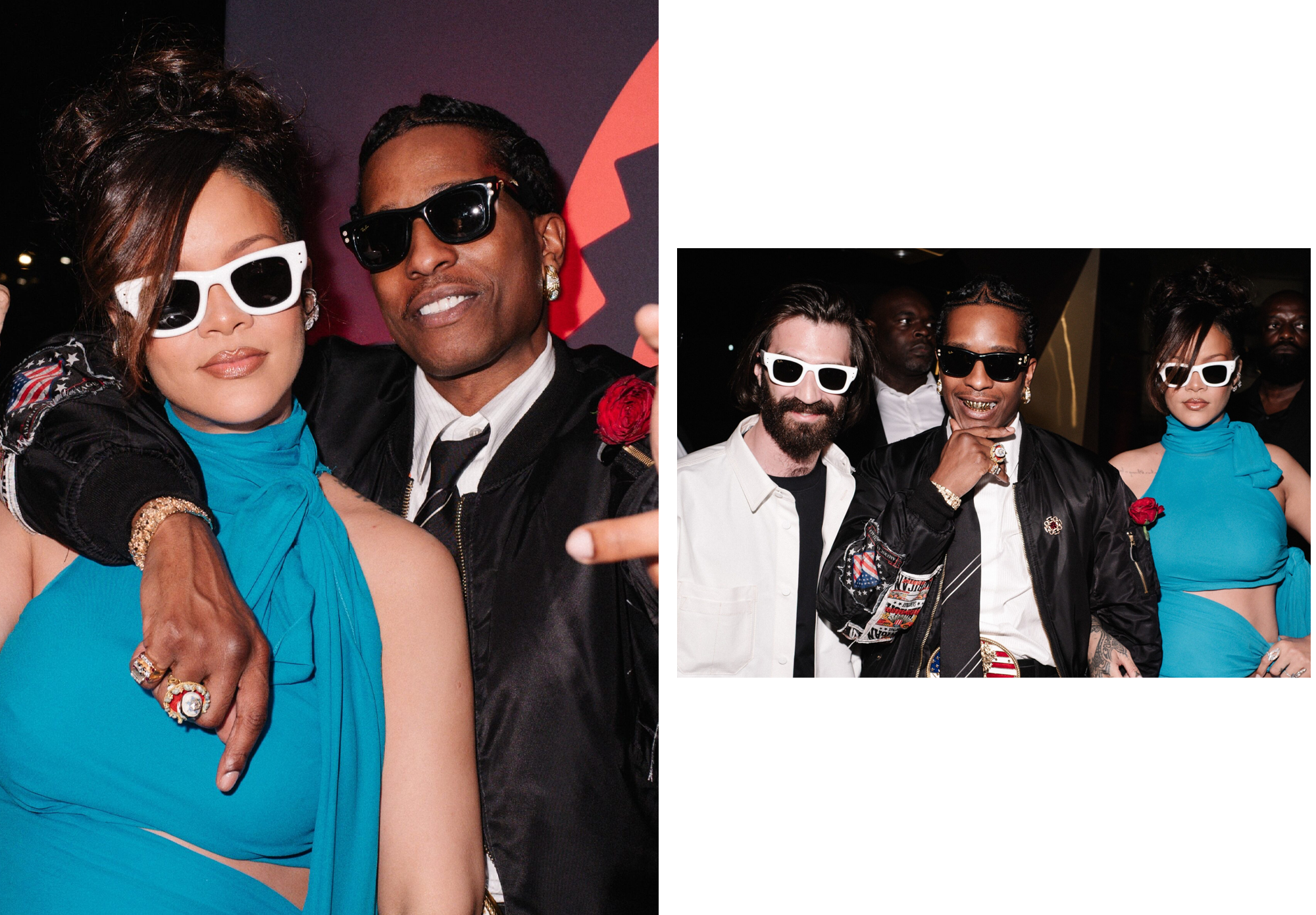
While Adam Levine and Rihanna have not released a formal studio collaboration as a duo, the intersection of their careers remains a subject of intense fascination for music enthusiasts and industry analysts alike. Exploring the potential of this pairing requires a look at their distinct vocal styles, their history within the pop landscape of the early 2010s, and why fans continue to imagine what a crossover track would sound like in 2026.
The Intersection of Pop Royalty
To understand why the prospect of an Adam Levine and Rihanna collaboration persists, one must look at the peak of their respective careers. Throughout the 2010s, both artists were fundamental to the sound of modern radio. Adam Levine, as the frontman of Maroon 5, transitioned from a rock-oriented singer-songwriter to a global pop titan, mastering the art of the hook-driven radio hit. Simultaneously, Rihanna established herself as a genre-bending powerhouse, capable of delivering everything from dance-pop anthems to R&B slow jams.
The "ultimate collaboration" narrative stems from the realization that both artists share a common foundation in melodic pop production. Both have worked with the same elite tier of songwriters and producers—such as Max Martin and Benny Blanco—who define the "Top 40" sound. When listeners discuss a dream collaboration between the two, they are essentially imagining a synthesis of Levine’s falsetto-heavy, pop-rock tension and Rihanna’s distinct, rhythm-driven vocal delivery. In 2026, with the industry leaning heavily into cross-genre experimentation, this theoretical partnership remains a "holy grail" for fans of mid-2000s and 2010s pop architecture.
Vocal Dynamics and Stylistic Compatibility
A critical component of any successful musical collaboration is the interplay between vocal textures. Adam Levine is known for his high-register, bright vocal quality, which often carries a sense of urgency and emotional vulnerability. His technical ability to maintain pitch and energy during live performances has made him one of the most reliable vocalists in the pop-rock genre.
Rihanna, conversely, utilizes a lower, breathy, and highly rhythmic vocal style. Her ability to "sit" inside a beat and deliver complex lyrical phrasing with a casual, cool detachment provides the perfect counterweight to Levine’s more performative approach.
If these two artists were to enter a studio together, the dynamic would likely follow a established pop formula:
- The Contrast: Levine’s high-energy chorus delivery paired with Rihanna’s rhythmic, syncopated verse structure.
- The Atmosphere: A production style that balances the organic instrumentation often found in Maroon 5 tracks with the heavy, synth-driven textures synonymous with Rihanna’s late-era catalog.
- The Emotional Arc: Utilizing the "call and response" trope that has dominated pop duets for decades, allowing both artists to showcase their strengths without overwhelming the track's core melody.
The Evolution of Pop Collaboration
The music industry in 2026 looks vastly different than it did during the height of the Rihanna and Maroon 5 dominance. Today, the "feature" has shifted from a novelty to a necessity. Artists are increasingly looking for collaborations that bridge demographics and streaming ecosystems. A collaboration between an established rock-pop act and a global R&B-pop icon would, even today, serve as a masterclass in cross-audience marketing.
Historically, collaborations like these have defined eras. Consider the impact of previous pop duets; they function as bridges between radio formats. For an audience accustomed to highly curated, genre-specific playlists, the prospect of this collaboration represents a return to a "monoculture" moment, where two superstars converge to create a track that appeals to a broad cross-section of listeners.
Comparative Analysis of Performance Styles
| Feature | Adam Levine (Maroon 5) | Rihanna |
|---|---|---|
| Primary Vocal Range | Tenor/Countertenor | Mezzo-soprano |
| Stylistic Anchor | Pop-Rock, Funk-Pop | R&B, Dance-Pop, Reggae-fusion |
| Strengths | High-register stability, hook-craft | Rhythmic phrasing, vocal versatility |
| Production Preference | Organic instrumentation, synth-layers | Electronic, trap-influenced, beat-driven |
Strategic Impact of Star Power
Beyond the music itself, a collaboration between these two titans carries significant economic and promotional weight. In 2026, the streaming landscape is driven by playlist placement and social media virality. When two entities of this magnitude join forces, the promotional engine is self-sustaining.
For the artists, the strategic benefit lies in audience expansion. Levine gains access to the core demographic that follows the "Rihanna brand," which encompasses fashion, beauty, and global pop culture, while Rihanna gains a foothold in the adult-contemporary and pop-rock radio segments that remain loyal to Maroon 5. This synergy is exactly why industry analysts view such pairings as the "ultimate" move in career management.
The Reality of Studio Dynamics
Despite the excitement, the realization of such a project faces the logistical hurdles common in the modern music business. Scheduling for artists of this caliber is notoriously difficult, often requiring months of coordination. Furthermore, both artists have established strong personal brands that prioritize specific artistic directions.
For Maroon 5, the recent years have been defined by refining their signature sound for live performance and streaming. For Rihanna, the focus has shifted toward building her Fenty empire alongside her musical legacy. Should they decide to collaborate, it would likely be a highly polished, singular event rather than a spontaneous project. The pressure to deliver a "hit" that lives up to the anticipation of years of speculation is a significant barrier that often prevents such collaborations from occurring in the first place.
Frequently Asked Questions
Did Adam Levine and Rihanna ever release a song together?
No, there is no official, released track featuring both Adam Levine and Rihanna. While their careers have overlapped for over a decade, their paths have not crossed in a formal studio capacity.
Why do fans consider this the "ultimate" collaboration?
The "ultimate" tag refers to the synergy between their distinct vocal styles—Levine’s high-energy, melodic pop-rock and Rihanna’s rhythmic, R&B-influenced delivery. Fans view them as the quintessential pop icons of the 2010s.
Are there any live performances where they appeared together?
There have been various industry events, award shows, and festivals over the years where both have been on the same bill, but there is no widely documented instance of a combined live performance or duet between the two artists.
Would a collaboration between them be genre-defying?
Yes, it would likely blur the lines between pop-rock and R&B. By merging Levine’s focus on melodic instrumentation and Rihanna’s focus on rhythmic, beat-driven production, a collaboration would represent a significant stylistic bridge.
How does the 2026 music market view such collaborations?
In 2026, collaborations are essential for maintaining streaming momentum. A pairing of two superstars is viewed as a high-value marketing event that serves to unify separate fanbases, providing significant exposure across different streaming platforms.
Taking Action: Finding Your Perfect Pop Crossover
If you are a fan looking for similar sounds to tide you over, start by exploring the producers who have worked with both camps. By examining the discographies of producers like Max Martin or Cirkut, you can identify the exact sonic DNA that links these two artists. Seek out deep cuts from Maroon 5’s earlier albums and match them with the more melodic tracks from Rihanna's Talk That Talk or Anti albums to create your own "dream" playlist. While the official collaboration remains a concept, the intersection of their influence is already present in the way modern pop music is constructed.