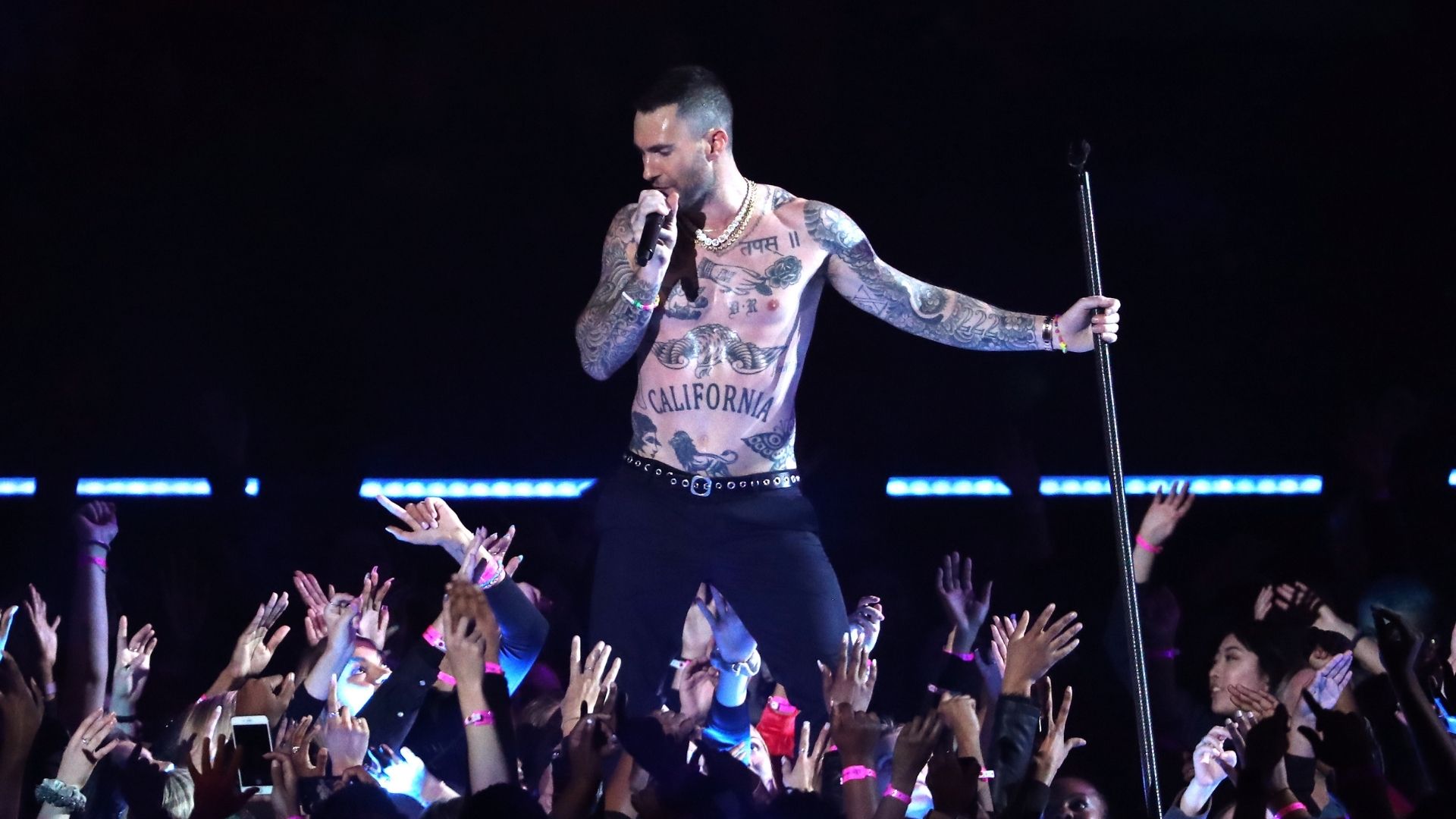
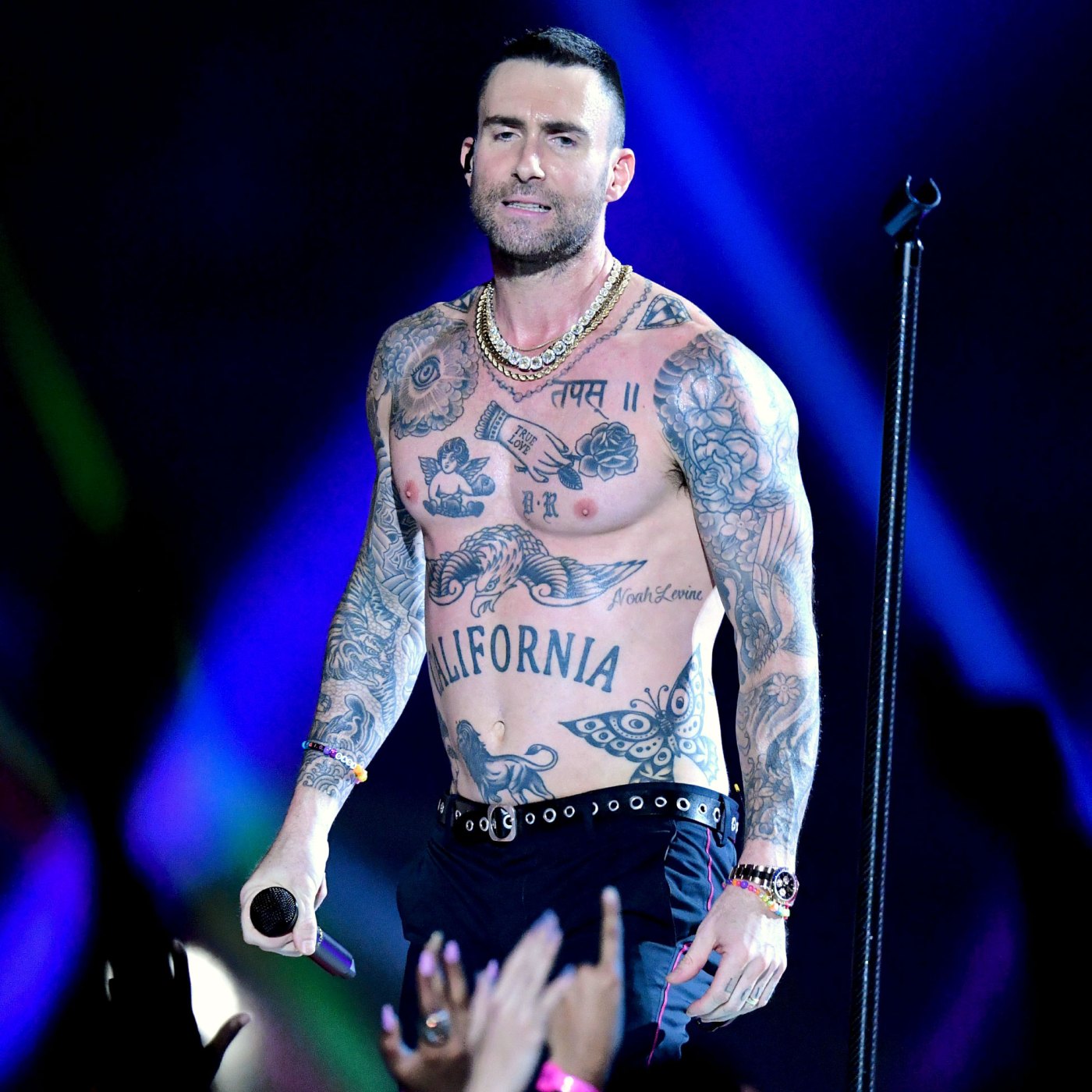
By 2009, Maroon 5 stood at a critical juncture in their career, transitioning from the breakout success of their debut to the high-pressure environment of sustaining a multi-platinum act. This period was defined by the aftermath of the It Won't Be Soon Before Long era and the meticulous development of their third studio album, Hands All Over, which recalibrated Adam Levine’s trajectory from a pop-rock frontman to a globally recognized media and music icon.
The Foundation: Post-Breakout Pressure
To understand the significance of 2009 in the career of Adam Levine and the broader rise of Maroon 5, one must first look at the state of the band following the massive commercial performance of Songs About Jane (2002) and its 2007 follow-up. By 2009, the band had already moved past the "one-hit wonder" fears that often plague debut acts. However, the industry landscape was shifting toward a more polished, producer-driven sound.
In 2009, the band entered the studio with legendary producer Robert John "Mutt" Lange in Switzerland. This move was not merely a creative decision; it was a high-stakes strategic pivot. Lange, known for his work with AC/DC, Def Leppard, and Shania Twain, brought a level of technical precision and sonic perfectionism that aimed to refine Maroon 5’s identity. For Levine, 2009 was the year he stepped into the role of a meticulous craftsman, moving away from the organic, gritty jam-band origins of their early years toward a more structured, radio-ready pop aesthetic.
Shifting Sonic Landscapes: The Mutt Lange Era
The recordings that took place in 2009 formed the backbone of Hands All Over. Unlike their earlier material, which was often birthed from collective jam sessions in Los Angeles garages, the 2009 sessions were characterized by isolation and singular focus. This shift was polarizing but ultimately transformative for the band’s commercial longevity.
Levine’s vocal delivery during this time evolved. He began to lean into a tighter, more rhythmic phrasing that complemented the high-fidelity production values requested by their label at the time. This transition period allowed Levine to develop the vocal versatility that would later become a staple of his performances on The Voice and his subsequent collaborations with artists across the pop, hip-hop, and EDM genres. The 2009 sessions forced the band to reconcile their rock roots with the demands of an increasingly digital music market.
Professional Evolution and Media Visibility
While the musical output of 2009 was defined by the studio, the year also marked the beginning of Adam Levine’s deliberate expansion into the mainstream media consciousness. This era preceded his tenure on reality television, but it established the image of the frontman as a "star" rather than just a band leader.
In 2009, Maroon 5 was frequently touring, maintaining their reputation as a top-tier live act, while Levine began to cultivate his persona as a recognizable face of the industry. He became more active in brand partnerships and media appearances, laying the groundwork for the ubiquity he would experience in the 2010s. For the band, this meant ensuring that the visual and professional brand of Maroon 5 kept pace with their evolving sound.
Comparative Analysis: Evolution of Maroon 5
The following table outlines the distinct phases of the band's development, highlighting how the 2009 period functioned as a bridge between their indie-rock roots and their pop-superstardom phase.
| Period | Musical Focus | Primary Objective | Audience Reach |
|---|---|---|---|
| 2002–2006 | Organic Funk-Rock | Establishing Credibility | Alternative/Pop |
| 2007–2009 | Polished Pop-Rock | Maintaining Momentum | Global Mainstream |
| 2010–2012 | Producer-Driven Pop | Commercial Dominance | Mass Market |
Operational Realities and Challenges of the 2009 Pivot
The pivot that occurred in 2009 was not without its internal friction. Shifting from a collaborative group dynamic to a process defined by a singular, perfectionist producer like Mutt Lange required the band members to relinquish creative control in ways they had not previously encountered.
For Adam Levine, the challenge was to remain the bridge between the band’s authentic identity and the label’s desire for massive radio hits. This required significant negotiation of their internal creative hierarchy. The 2009 period taught the band the importance of adaptability. They had to learn how to maintain their identity while accepting that the definition of a "Maroon 5 sound" was a fluid entity, subject to both market forces and the expertise of high-profile collaborators.
The Role of Touring in Brand Solidification
Beyond the studio, 2009 was a year of intense live performance. The band continued to support their existing catalog while testing new, unreleased material. This was critical for the group’s stability; it allowed them to maintain a direct line of communication with their core fanbase while preparing the market for the new direction they would take in 2010.
Levine’s stage presence during this time became more focused. He moved away from the "struggling artist" aesthetic toward a more controlled, charismatic performance style. This physical and tonal shift was essential to the band's rise, as it allowed them to headline larger venues and transition from rock festivals to pop-oriented stages.
FAQ: Understanding the 2009 Turning Point
Why is 2009 considered a pivot point for Maroon 5?
2009 was the year the band retreated to Switzerland to work with producer Mutt Lange. This period marked the definitive shift from the band’s organic, guitar-driven sound to a hyper-polished, producer-led approach that allowed them to compete in the changing pop music landscape of the late 2000s.
How did Adam Levine’s role change during this period?
Levine shifted from being primarily a songwriter and frontman for a rock-oriented band to becoming an industry-focused professional. He embraced the collaborative nature of top-tier pop production, which prepared him for the broader media visibility he achieved in subsequent years.
What was the impact of the Mutt Lange collaboration?
Working with Lange resulted in a significant increase in production quality and a tighter, more rhythmic sound. While it required the band to adapt to a new, more rigid working style, the resulting album helped them retain their relevance in a market that was increasingly favoring electronic and high-fidelity pop production.
Did the band lose their identity during the 2009 transition?
Critics often debate this, but from a professional standpoint, the transition allowed the band to survive. By adapting their sound, they avoided the plateau that many bands from their era faced. It was a calculated evolution rather than a loss of identity, aimed at sustaining their career for the long term.
Next Steps for Understanding the Band's Legacy
To fully grasp the arc of Maroon 5’s career, listeners should compare the raw textures of Songs About Jane with the crystalline production of Hands All Over. Observing the transition between these two distinct eras—with 2009 serving as the nexus—provides a clear picture of how modern rock bands navigate the transition to global pop stardom. For those tracking the band's history, the documentation from this period serves as a masterclass in adapting creative processes to meet evolving industry standards.