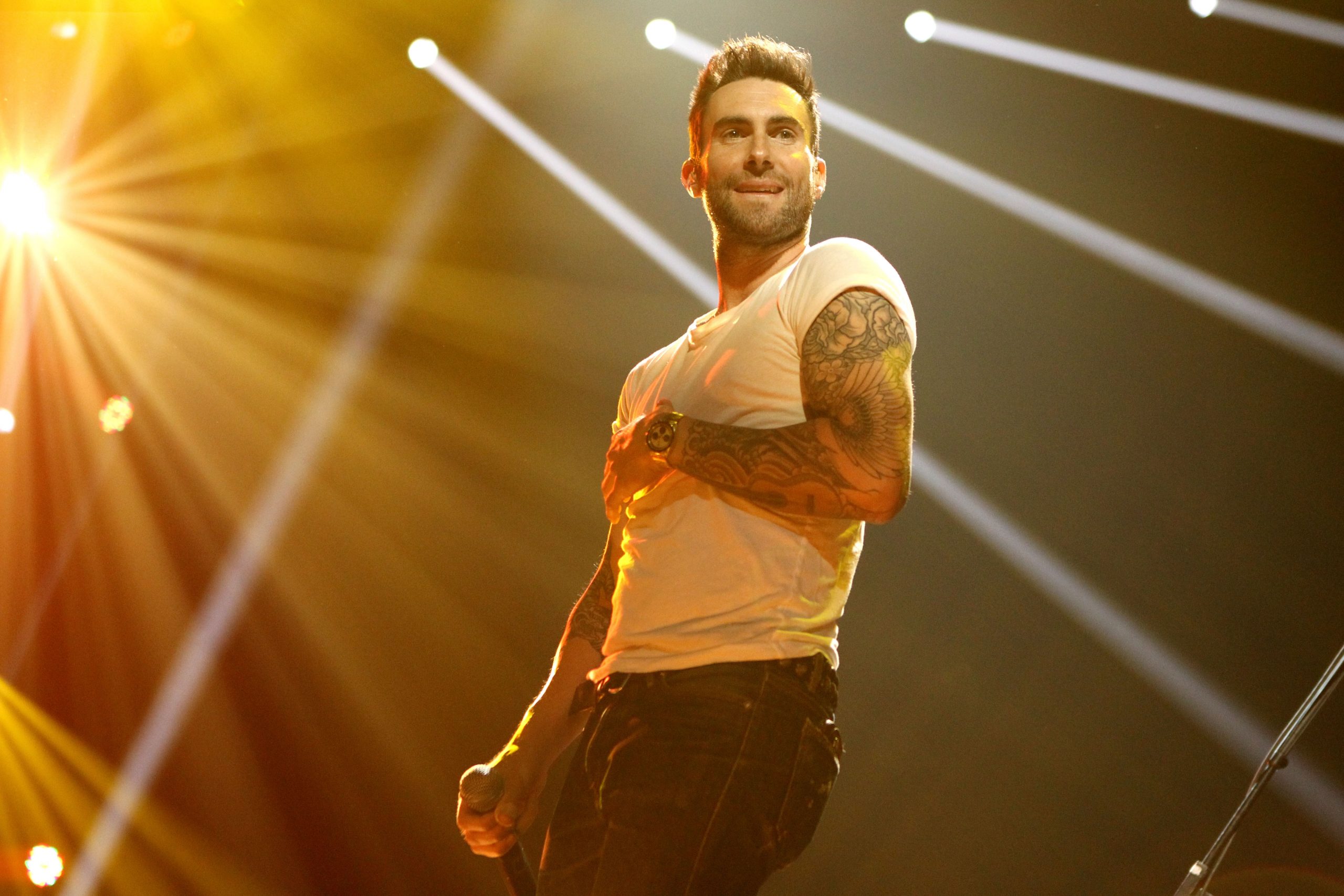
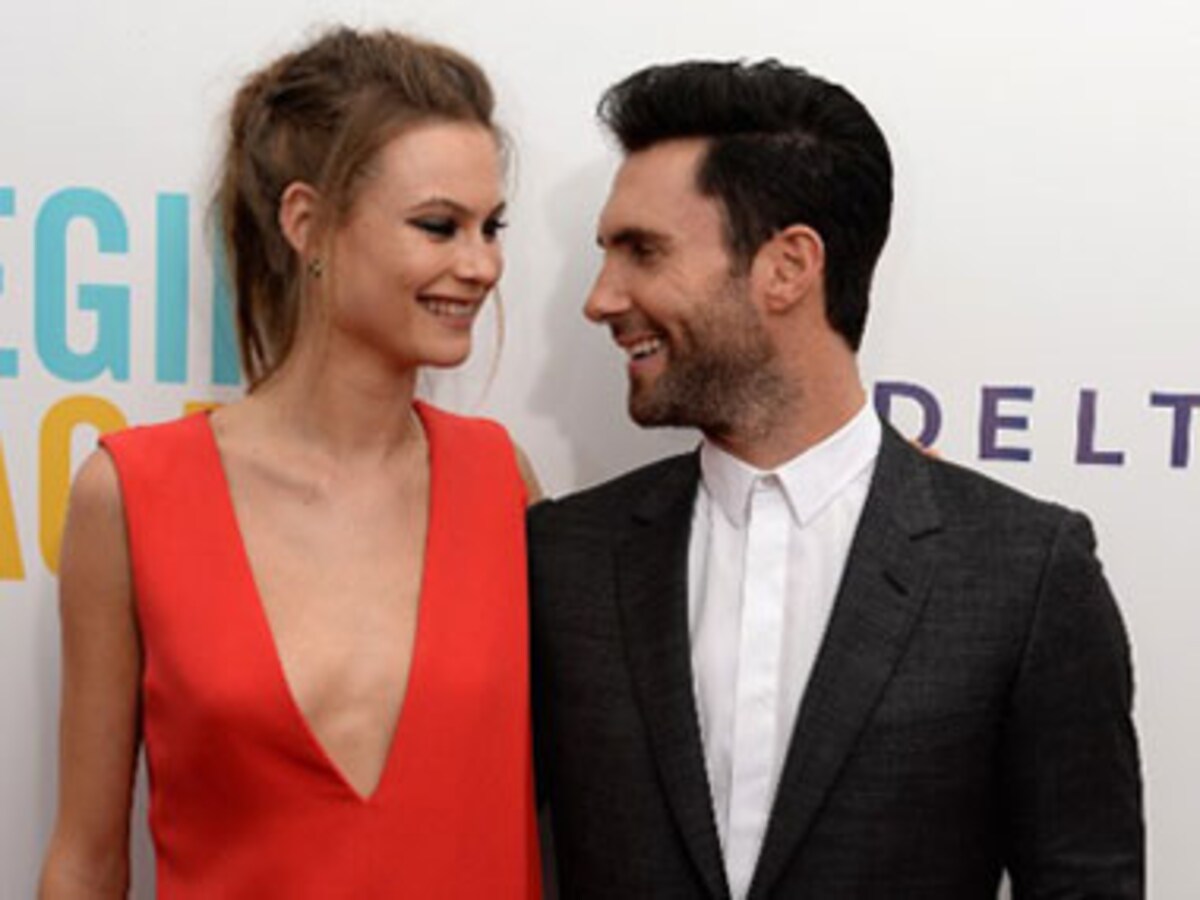
Adam Levine, the lead singer of the band Maroon 5 and a former coach on NBC’s The Voice, is widely cited as standing approximately 5 feet 11 inches (180 cm) tall. While public perception of celebrity stature often fluctuates due to camera angles, footwear, and posture, this measurement remains the widely accepted standard based on primary reports and photographic comparisons with other public figures of known height.
Establishing Physical Stature in Media
The height of public figures is a subject of constant fascination, driven by the way visual media influences perception. In the case of Adam Levine, the 5'11" figure is consistent with his appearance in high-profile entertainment settings. Understanding why these figures are subject to scrutiny requires looking at the technical aspects of how celebrity height is documented and how various environmental factors can distort reality.
Verified height is typically established through a combination of official casting records, public records, and photographic triangulation. Because public figures are rarely measured in a clinical environment for public consumption, most data points originate from self-reporting or agency listings. In Levine's case, the 5'11" (180 cm) classification aligns with consistent observations made over the course of his multi-decade career, ranging from his early days with the band Kara's Flowers to his global success with Maroon 5 and his extensive television presence.
Photographic Triangulation and Context
The primary reason fans and researchers often debate celebrity height is the impact of contextual framing. Photographic evidence often creates an illusion of stature based on the height of surrounding individuals, the distance from the lens, and the presence of elevated footwear.
For example, when Adam Levine is photographed standing next to fellow public figures, his relative height becomes a metric for verification. Levine has frequently been captured on red carpets and television sets alongside individuals whose heights are publicly documented or officially verified. When analyzed against these benchmarks, his 180 cm stature remains consistent. It is important to note that posture—specifically the way a subject carries their shoulders and spinal alignment—can alter perceived height by as much as one to two inches in a two-dimensional image.
Verified Height Comparisons
To provide context, comparing Adam Levine to other notable figures helps anchor the measurement. While these comparisons do not constitute a clinical measurement, they reflect the general consensus observed in media archives.
| Public Figure | Approximate Height | Contextual Comparison |
|---|---|---|
| Adam Levine | 5' 11" (180 cm) | Baseline measurement |
| Blake Shelton | 6' 5" (196 cm) | Consistently taller in side-by-side frames |
| Pharrell Williams | 5' 9" (175 cm) | Consistently shorter in side-by-side frames |
| John Legend | 5' 9" (175 cm) | Visible stature gap observed in televised events |
The discrepancies seen in casual snapshots often stem from lens distortion—specifically, the "wide-angle" effect that can make subjects appear elongated or compressed depending on their distance from the camera. Television sets, such as the stage of The Voice, are designed with specific sightlines, but even there, the use of platforms or stage risers can create misleading visual data for the home viewer.
The Role of Footwear and Posture
Beyond external environmental factors, personal styling choices significantly impact how a public figure's height is perceived. In the music and entertainment industry, footwear is rarely uniform. Modern fashion trends often include sneakers with thick, reinforced midsoles or formal dress shoes with varying heel heights.
When assessing the "verified" nature of a measurement, one must account for these additions. A performer wearing footwear with a one-inch heel will naturally appear closer to the 6-foot mark than when in bare feet or flat-soled sneakers. Adam Levine’s typical style—often favoring slim-fitting denim and casual footwear—tends to minimize these distortions compared to performers who utilize more theatrical styling. Posture is the final variable; throughout his career, Levine has maintained a consistent, active stage presence. His tendency to lean or stand with a relaxed posture is a significant factor in why observers might occasionally report conflicting figures.
Why Stature Matters in Professional Contexts
In the entertainment industry, height can occasionally influence roles in film or the dynamics of stage performance. However, for a musician like Adam Levine, stature is less about industry casting requirements and more about brand image. The perception of being "tall" or "of average height" interacts with the stage presence a performer projects.
For the average reader, determining an accurate height is often about validating the visual information they see on screen. It serves as a point of trivia that helps reconcile the discrepancy between the "larger-than-life" presence of a star and their physical reality. Accuracy in these matters prevents the proliferation of rumors, which often circulate on social media platforms without regard for the logistical realities of human anatomy or photographic lighting.
Frequently Asked Questions
Is Adam Levine considered tall by global averages?
Yes, at approximately 5 feet 11 inches, Adam Levine stands above the global average height for men, which generally hovers around 5 feet 7 inches to 5 feet 8 inches depending on the region. In the context of the United States, he is slightly above the national average of approximately 5 feet 9 inches.
Why do some sources claim he is 6 feet tall?
Discrepancies in reporting often occur due to rounding or the inclusion of footwear. It is common for agencies or media outlets to round up to the nearest whole inch or to measure a subject while wearing shoes. A measurement of 5'11.5" or 5'11.75" is often simplified to 6'0" in promotional materials or informal biographies.
Has Adam Levine ever officially addressed his height?
Like many celebrities, Adam Levine has not prioritized the public declaration of his specific height in official statements. Because it is a trivial metric in the context of his musical career, he has left the documentation to third-party observers and agency records, which remain the primary sources of this information.
How does camera angle affect his appearance on television?
Television production uses "low-angle" shots to make hosts and coaches appear more dominant or larger, and "high-angle" shots to minimize stature. On a show like The Voice, the judges' chairs are also raised, which masks the true physical proportions of the subjects and makes it difficult for viewers to judge height based on seat position alone.
Does his stature impact his ability to perform?
No, height has no functional impact on his vocal performance or stage presence. The physical demands of his career involve stamina, breath control, and coordination, none of which are inherently tied to vertical stature. His height is simply a static characteristic that remains consistent with the athletic build he maintains.
Establishing Consistency in Personal Data
When evaluating the accuracy of any celebrity measurement, it is best to rely on multiple instances of visual evidence rather than a single source. If several reputable outlets, independent photo archives, and consistent visual comparisons all point toward a specific range, that range can be considered the verified baseline. For individuals seeking precise data for research or professional archival, prioritizing records from high-resolution, full-body shots taken on flat ground will always yield the most accurate result.
If you are attempting to verify height for professional purposes—such as casting or production design—always request official measurements from talent agencies, as these are the only figures that carry a legal or contractual basis. For fans and casual observers, acknowledging the potential for a small margin of error due to footwear and posture is the best practice for maintaining an objective perspective.