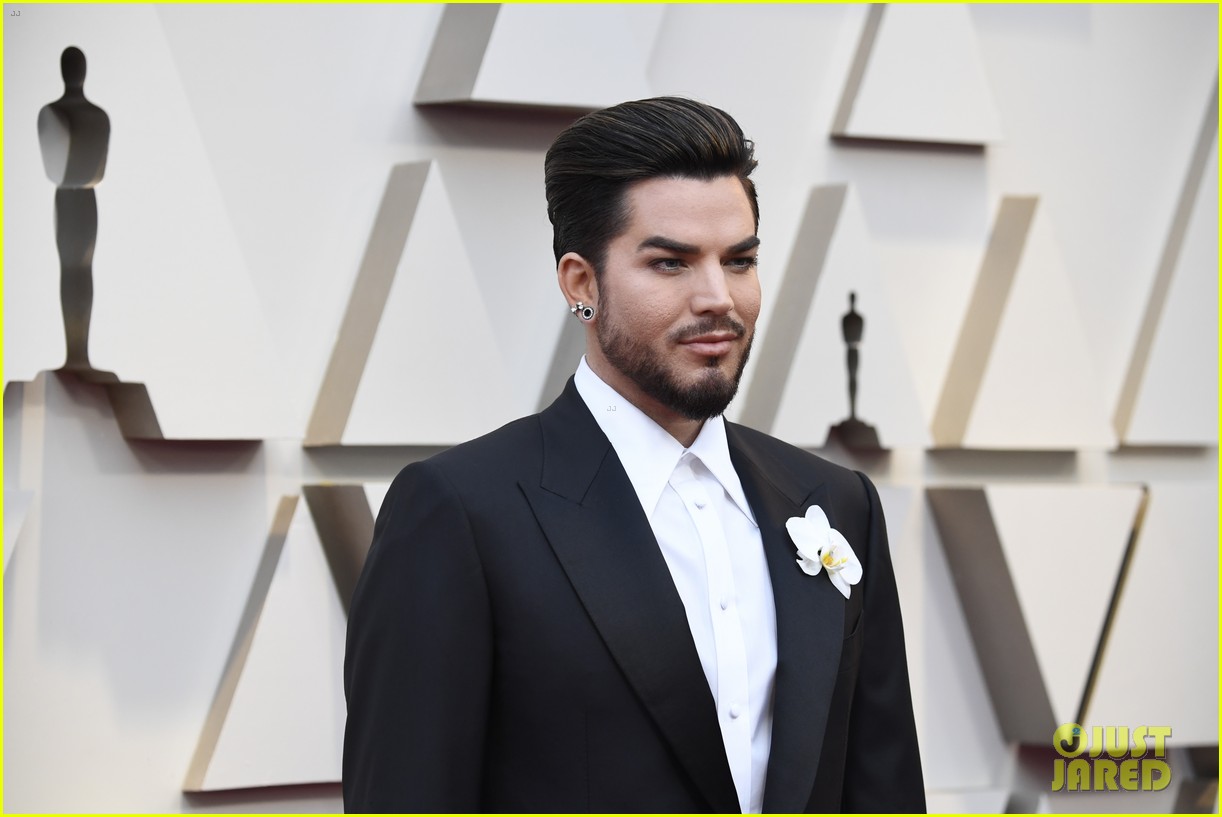
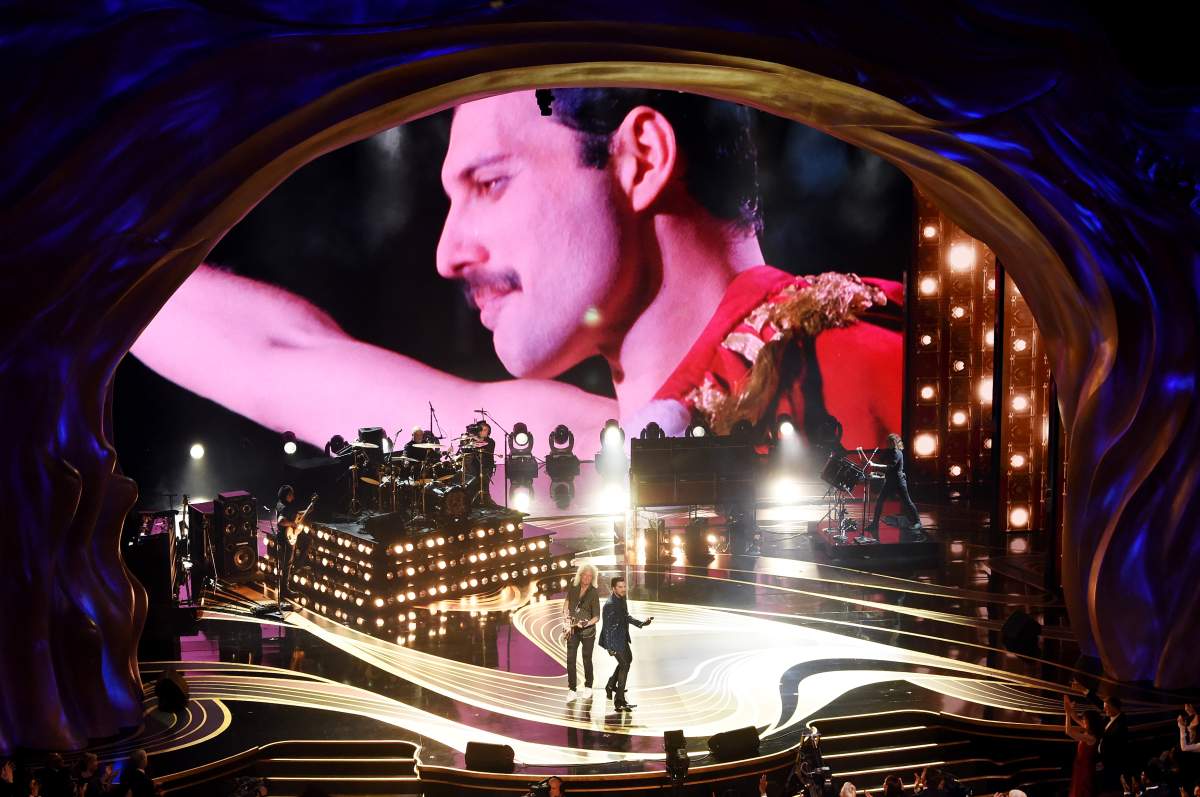
The 91st Academy Awards, held on February 24, 2019, at the Dolby Theatre in Hollywood, remains one of the most significant nights in modern music-in-film history. The event was punctuated by Adam Lambert’s high-energy collaboration with Queen, which served as the opening act and set a tone of prestige and spectacle for the ceremony. This performance not only celebrated the critical success of the biographical film Bohemian Rhapsody but also marked a milestone in the long-standing collaboration between the iconic rock band and the contemporary vocal powerhouse.
The Significance of Queen’s Opening at the 91st Academy Awards
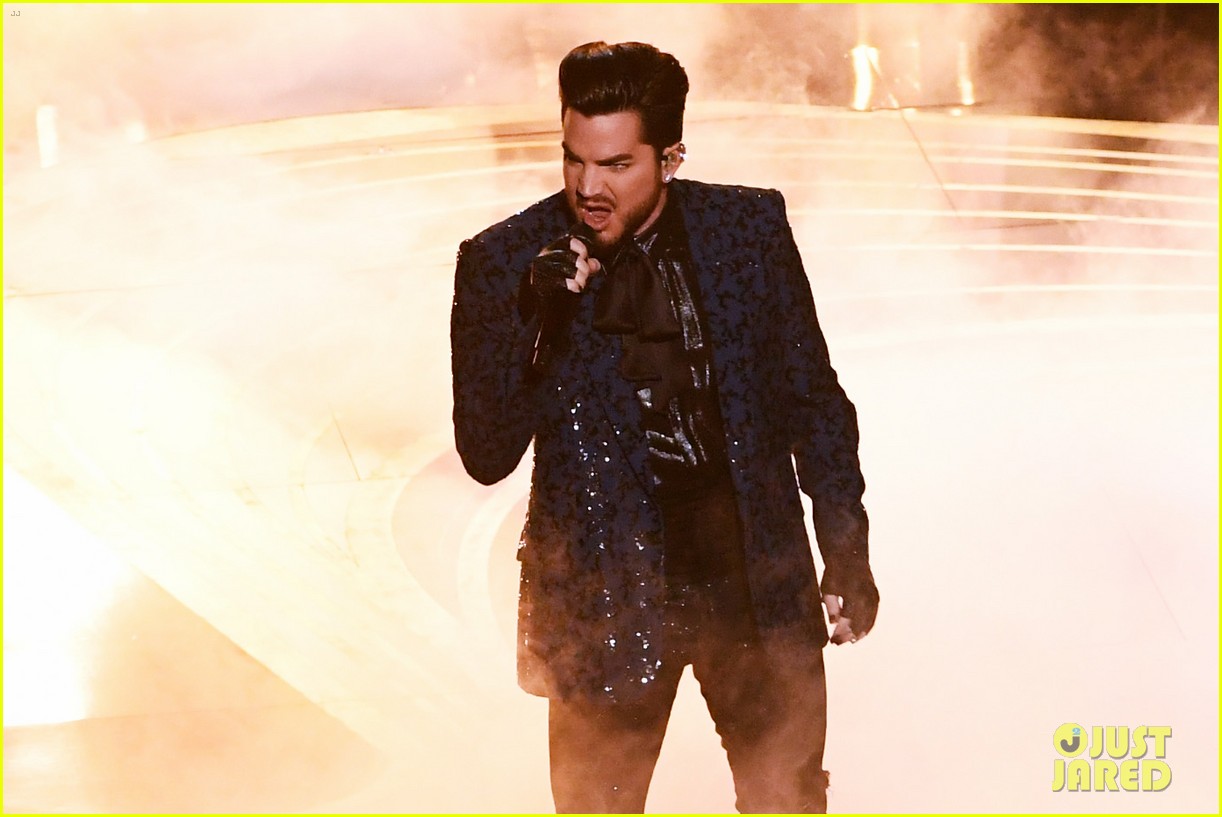
When Queen, featuring Adam Lambert, took the stage at the 2019 Oscars, it was a moment of cultural convergence. The band performed a medley consisting of "We Will Rock You" and "We Are the Champions." This was a historic choice; it was the first time in the history of the Academy Awards that a rock band opened the telecast. The decision to feature them was deeply tied to the success of Bohemian Rhapsody, which was nominated for five Academy Awards that night, including Best Picture.
Adam Lambert’s involvement was more than a guest appearance; it was a testament to his decade-long role as the frontman for Queen’s live touring iterations. By occupying the space once held by the late Freddie Mercury, Lambert helped bridge the gap between the legendary status of the band’s original lineup and a new generation of film-going audiences. The production value of the set mirrored the grandiosity of the film, utilizing dynamic lighting and a staging setup that commanded the attention of every industry heavyweight in the room.
Analyzing the Impact of the Performance
The performance was meticulously choreographed to reflect the anthemic nature of Queen's music. From a technical standpoint, the choice of songs was strategic. Both "We Will Rock You" and "We Are the Champions" are globally recognized, minimizing the barrier to entry for international audiences and ensuring the show began with immediate momentum.
The atmosphere inside the Dolby Theatre during these minutes was electric, characterized by a palpable sense of excitement among the nominees and presenters. This was not merely a musical interlude; it served as a high-octane introduction to the ceremony, effectively shifting the mood from standard awards-show pageantry to the intensity of a stadium concert. For Adam Lambert, the performance solidified his status as a premier performer capable of holding his own on the most prestigious stages in entertainment.
Star-Studded Moments and Audience Engagement
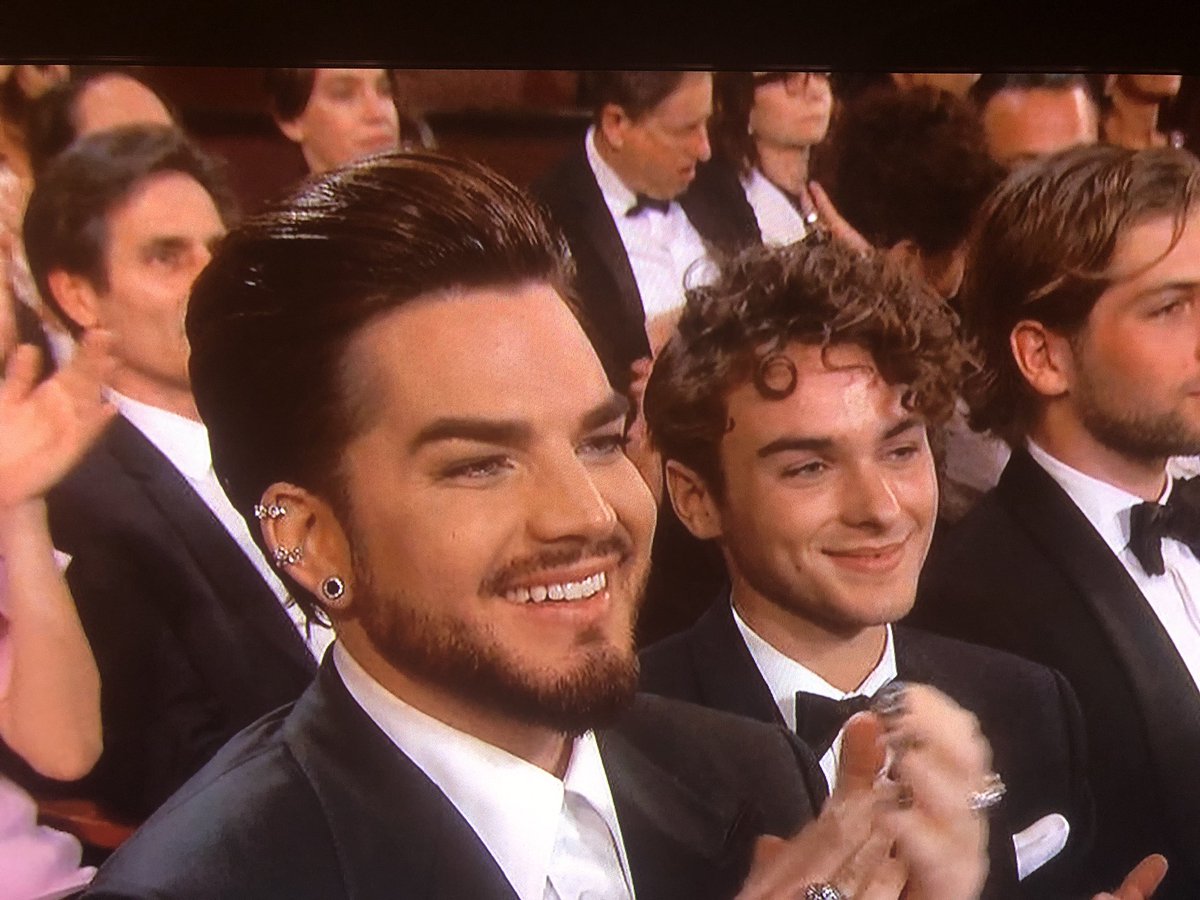
The 2019 Oscars were defined by their "star-studded" quality, and the camera cuts during Queen’s performance captured genuine reactions from the audience. Seeing actors like Rami Malek—who portrayed Freddie Mercury in the film—and other industry icons engaging with the music highlighted the film's deep impact on the Hollywood community that year.
| Segment | Significance | Target Impact |
|---|---|---|
| Opening Medley | Established high energy | Audience engagement |
| Bohemian Rhapsody Tribute | Connected film to music | Cultural relevance |
| Reaction Shots | Humanized the celebrity attendees | Social media amplification |
| Production Design | Modernized the awards show format | Increased viewership retention |
These moments were crucial for the ceremony’s production team, as they provided viral-ready content for social media platforms. The blend of classic rock, film industry celebration, and contemporary star power created a feedback loop that kept the event relevant throughout the evening and in the days that followed.
The Synergy Between Film and Live Music
The partnership between the film Bohemian Rhapsody and Queen’s live performance at the Oscars is a textbook example of multi-platform marketing and cultural reinforcement. The film did not just utilize Queen's music; it revitalized the band's catalog for a younger demographic. By having Queen and Lambert perform live, the Academy reinforced the legitimacy of the biographical film genre, showing that the subject matter was not just "history" but a living, breathing force in the contemporary music landscape.
This synergy also extended to the performers themselves. Adam Lambert’s vocal range—often compared to Freddie Mercury’s in terms of power and theatricality—provided the necessary gravitas to carry such well-known material without resorting to mere imitation. The performance proved that the band's legacy could survive and thrive through modern interpretation, provided the collaborator possessed the necessary technical vocal skill and stage presence.
Common Misconceptions Regarding the Performance
A frequent point of discussion among viewers and critics in the years since has been the intent behind the performance. Some perceived it as an advertisement for the film, while others viewed it as a necessary tribute to the band's enduring influence. It is important to disambiguate these viewpoints: the performance functioned as both. Awards ceremonies rely heavily on the popularity of their nominated films to drive viewership, and utilizing one of the biggest musical acts in history was a strategic programming decision that served the interests of both the Academy and the film's distributors.
Another misunderstanding involves the comparison between Lambert and Mercury. While Lambert has consistently stated that he is not trying to "replace" the late singer, the media cycle surrounding the 2019 Oscars often forced this narrative to the forefront. Understanding the performance as a tribute rather than a replacement is essential for appreciating the artistic intent behind the setlist and the energy of the delivery.
How to Evaluate Live Musical Performances at Award Shows
For those interested in the technical side of how these performances are staged, several factors contribute to their success or failure. First is the "direct-to-broadcast" audio mixing. Award shows often struggle with balance, but the 2019 Queen performance benefited from high-fidelity sound engineering that allowed Lambert’s vocals to cut through the heavy instrumentation of the band.
Second is the pacing of the setlist. The transitions between the songs were seamless, which is a requirement for televised performances that must adhere to strict time constraints. Finally, the integration of stage design—lighting, movement, and camera blocking—is designed to make the home viewer feel like they are inside the arena. Analyzing these components provides a better understanding of why certain performances become "unforgettable" while others fade from memory.
Next Steps for Fans and Researchers
For those looking to analyze the legacy of this performance or interested in similar musical presentations, the best approach is to revisit the official recorded footage provided by the Academy’s archives. Observing the interplay between the band members and the audience reaction shots provides a masterclass in event production. Furthermore, comparing this performance to Queen’s other major appearances, such as their Live Aid recreation during the 2019 tour, highlights the consistency of their professional standard. If you are researching this as part of a study on entertainment history, prioritize primary sources like the Academy’s official statements and post-ceremony production interviews to avoid speculative media narratives.