Adam Kenworthy is an American chef, culinary consultant, and wellness entrepreneur recognized for his holistic approach to plant-based nutrition and sustainable living. His career bridges high-performance athletics and gastronomy, focusing on the transformative power of whole foods, organic farming, and the environmental impact of modern dietary choices across global platforms.
The Evolution of a Culinary Visionary
The professional journey of Adam Kenworthy is a distinct departure from the traditional path of a classically trained chef. Rather than spending his formative years in the high-pressure environments of Michelin-starred kitchens, Kenworthy’s culinary foundation was built on the intersection of physical performance and personal health. As a former professional mountain biker and motocross athlete, he initially approached food as fuel. This perspective evolved into a deep-seated interest in how specific nutrients impact recovery, inflammation, and long-term vitality.
By 2026, Kenworthy has established himself as a prominent figure in the "clean eating" movement, though he often eschews that specific label in favor of more descriptive terms like "intentional" or "unprocessed" living. His transition from the world of extreme sports to the culinary arts was driven by a realization that the modern food system is often disconnected from the needs of the human body. This epiphany led him to explore the nuances of plant-based diets, eventually becoming a sought-after private chef and consultant for those looking to optimize their health without sacrificing the sensory pleasures of gourmet dining.
His work is characterized by a "ground-up" philosophy. This means he is as interested in the quality of the soil and the heritage of the seeds as he is in the final presentation of a dish. This holistic view has allowed him to navigate various sectors of the lifestyle industry, from boutique hospitality to digital content creation, all while maintaining a consistent message of environmental and personal stewardship.
Defining the Kenworthy Culinary Philosophy
At the core of Kenworthy’s work is a commitment to Real Food, Real Fast, a concept that emphasizes the accessibility of high-quality nutrition. He argues that the primary barrier to healthy eating is often the perceived complexity of plant-based cooking. To dismantle this, his recipes frequently focus on minimal ingredients, high-impact flavors, and preparation techniques that preserve the enzymatic integrity of the food.
The Kenworthy philosophy is built upon three primary pillars:
- Bio-Individuality: Recognizing that while plant-forward diets offer universal benefits, specific nutritional needs vary based on an individual’s lifestyle, genetics, and activity levels.
- Seasonal Sourcing: Advocating for the consumption of produce that is grown locally and harvested at its peak. This not only ensures maximum nutrient density but also supports local agricultural economies.
- Culinary Simplicity: Using heat and processing minimally to allow the natural textures and flavors of fruits, vegetables, grains, and legumes to lead the dining experience.
In practice, this looks like vibrant, colorful plates that prioritize "the rainbow." Kenworthy often speaks about the importance of phytochemicals and antioxidants, translating complex nutritional science into actionable kitchen habits. By 2026, his influence has expanded into the realm of "culinary medicine," where he collaborates with healthcare professionals to design meal plans that support the treatment of chronic lifestyle diseases through dietary intervention.
Media Presence and the Transition Beyond Reality Television
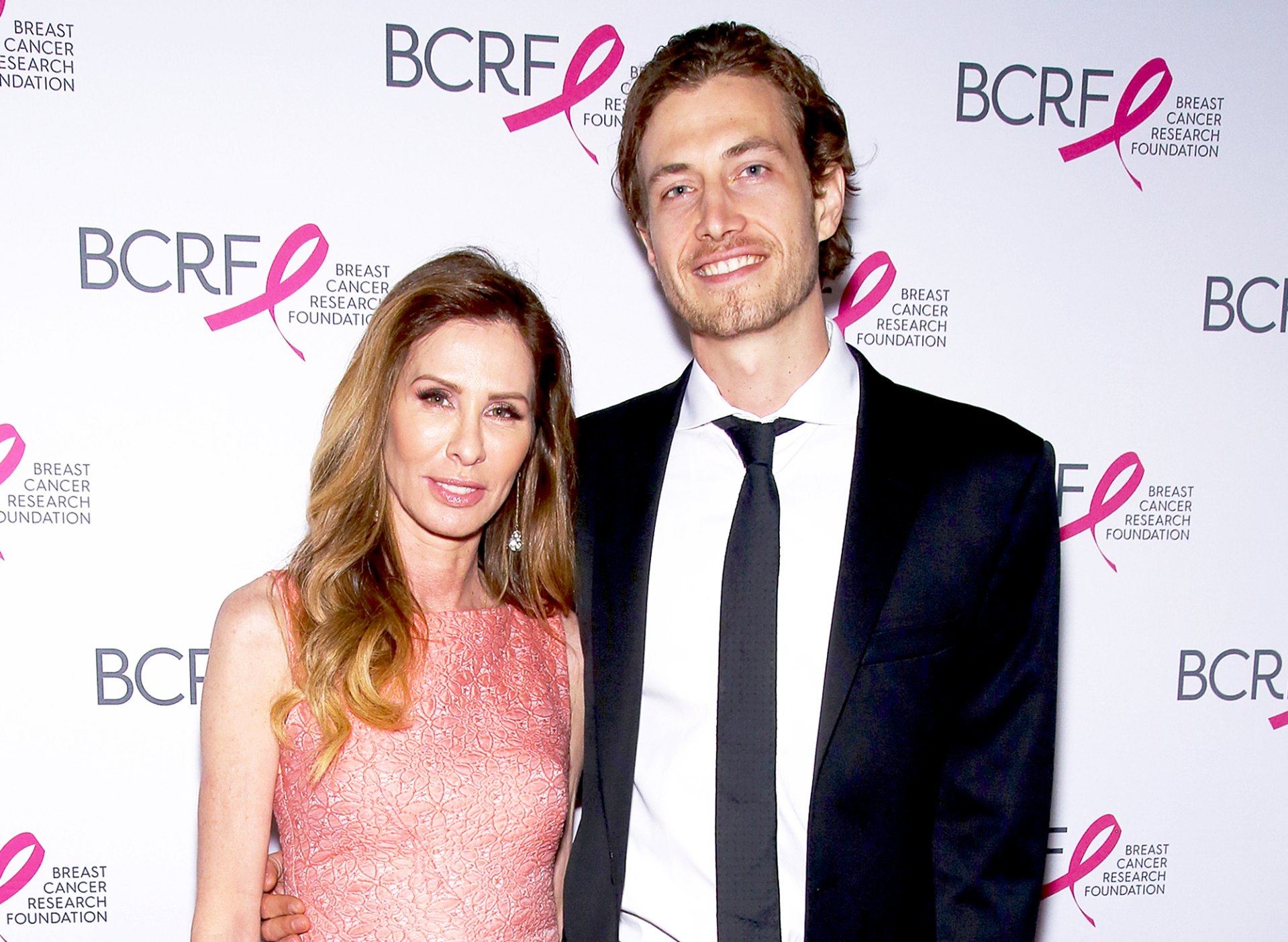
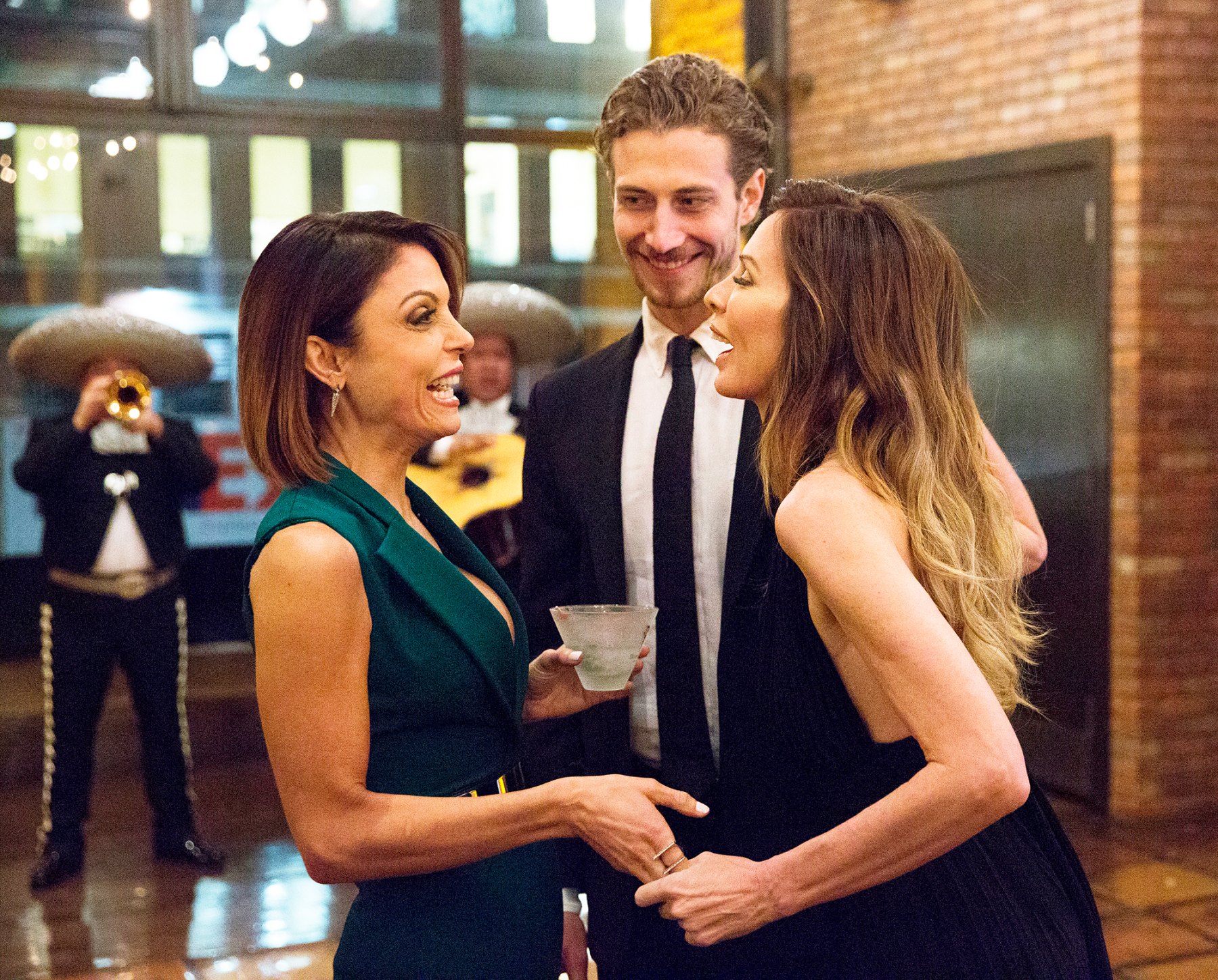
For many, the name Adam Kenworthy first became recognizable through his appearance on the Bravo reality series The Real Housewives of New York City (RHONY). During his time on the show, his relationship with cast member Carole Radziwill was a central narrative arc. While this period provided him with a massive public platform, it also presented the challenge of being pigeonholed as a "celebrity chef" or a reality TV personality.
Kenworthy managed this transition by doubling down on his professional credentials. He used the visibility to advocate for urban farming and sustainable food systems rather than leaning into the drama typical of reality television. This strategic move allowed him to retain a loyal following that was interested in his expertise rather than just his personal life.
By 2026, his media presence has matured. He is now more frequently seen as a keynote speaker at wellness summits, a contributor to high-end lifestyle publications, and a digital creator who produces high-production-value content centered on the "farm-to-table" journey. His ability to move past the reality TV label is a testament to the substance of his work and his commitment to being viewed as a serious professional in the wellness and agricultural spaces.
Sustainable Agriculture and the Finca Victoria Project
One of the most significant chapters in Kenworthy’s career involves his deep involvement in sustainable agriculture, particularly in the Caribbean. His work at Finca Victoria in Vieques, Puerto Rico, serves as a primary example of his commitment to ecological restoration. Following the devastation of Hurricane Maria, Kenworthy was instrumental in rebuilding and rethinking the agricultural infrastructure of the property.
Finca Victoria is an eco-boutique hotel and farm that operates on the principles of permaculture and Ayurvedic living. Kenworthy’s role there involved designing edible landscapes and ensuring that the kitchen was fully integrated with the surrounding land. This project highlighted several key aspects of his professional ethos:
- Resilience: Building food systems that can withstand environmental shocks.
- Education: Creating a space where guests can learn about where their food comes from and how it is grown.
- Aesthetic Integration: Proving that a working farm can be a place of immense beauty and luxury.
This experience in Puerto Rico solidified Kenworthy’s reputation as someone who understands the logistical and biological realities of food production. It moved his brand beyond the kitchen and into the fields, establishing him as a legitimate advocate for regenerative farming practices that can be scaled or adapted to different climates and urban environments.
Business Ventures and Professional Consulting
As an entrepreneur, Kenworthy has diversified his portfolio to include consulting for both private individuals and large-scale brands. His consulting work typically involves brand storytelling, menu development, and wellness integration for the hospitality industry. He works with hotels and resorts to move away from the traditional "buffet" style of dining toward more curated, health-conscious experiences.
His business model in 2026 reflects a modern approach to the "expert" economy. Rather than maintaining a single brick-and-mortar restaurant, he operates as a mobile and digital entity. This flexibility allows him to take on diverse projects, from designing a juice line to consulting on the development of urban rooftop gardens in New York City.
Comparison of Culinary Approaches: Kenworthy vs. Traditional Industry
| Feature | Adam Kenworthy Philosophy | Traditional Modern Culinary Standard |
|---|---|---|
| Primary Protein | Plant-based (Legumes, Seeds, Nuts) | Animal-based (Beef, Poultry, Fish) |
| Sourcing Focus | Hyper-local / Permaculture | Broad Supply Chain / Wholesale |
| Cooking Method | Low heat / Raw / Minimal processing | High heat / Heavy sauces / Reduction |
| Health Goal | Anti-inflammatory / Longevity | Flavor profile / Satiety / Texture |
| Environmental Impact | Carbon-conscious / Soil regenerative | Variable / Often high-footprint |
| Ingredient Philosophy | "Whole-food" focus | Processed components / Flavor enhancers |
Navigating the Wellness Landscape: Expert Guidance
For individuals looking to adopt the principles advocated by Kenworthy, the transition is often more about "crowding out" than "cutting out." This strategy involves filling the plate with so many nutrient-dense, flavorful plant foods that there is naturally less room for processed items or heavy animal products.
To successfully implement a Kenworthy-inspired lifestyle, practitioners should focus on several key areas:
- Investment in Tools: High-quality blenders and sharp knives are the primary tools of a plant-based kitchen. These allow for the quick preparation of smoothies, dressings, and finely chopped salads that make raw produce more palatable.
- The "Pantry First" Mentality: Keeping a stock of dry goods like quinoa, lentils, hemp seeds, and nutritional yeast ensures that a healthy meal can be assembled in minutes without a trip to the store.
- Mindful Consumption: Paying attention to how certain foods make the body feel 30 minutes, two hours, and 24 hours after consumption. This internal feedback loop is a core component of Kenworthy’s teaching.
Common Mistakes to Avoid
When moving toward a Kenworthy-style diet, many make the mistake of relying too heavily on "vegan junk food"—highly processed meat substitutes that are often just as detrimental to health as their animal-based counterparts. Another common pitfall is failing to account for caloric density; plant-based eaters must ensure they are consuming enough healthy fats (avocados, nuts) and complex carbohydrates to maintain energy levels, especially if they are physically active.
Frequently Asked Questions
What is Adam Kenworthy's primary area of expertise?
Adam Kenworthy specializes in plant-based culinary arts, holistic nutrition, and sustainable agricultural practices. He is widely known for his ability to create gourmet-level dishes using unprocessed, whole ingredients and for his work in developing eco-conscious food systems.
Does Adam Kenworthy have a cookbook?
Yes, Kenworthy has been involved in several digital and print media projects. His focus is often on "Real Food, Real Fast," providing recipes that prioritize speed and nutritional density for people with active lifestyles. His content typically emphasizes vibrant photography and simple, accessible ingredient lists.
Is Adam Kenworthy still involved in professional sports?
While he no longer competes at a professional level in mountain biking or motocross, he remains an avid athlete. He uses his background in sports to inform his nutritional consulting, particularly for clients looking to use plant-based diets to enhance physical performance and recovery.
What was Adam Kenworthy's role at Finca Victoria?
At Finca Victoria in Puerto Rico, Kenworthy served as a culinary director and agricultural consultant. He was instrumental in designing the "farm-to-table" program and helped implement sustainable farming techniques that integrate the hotel’s kitchen with its natural surroundings.
How does Kenworthy approach urban farming?
Kenworthy advocates for the utilization of small urban spaces, such as rooftops and balconies, for food production. He promotes the idea that even in densely populated cities like New York, individuals can grow a portion of their own food using hydroponic or vertical gardening systems to reduce their carbon footprint.
Implementing Sustainable Changes in 2026
To align with the standards set by professionals like Adam Kenworthy, start by auditing your current food sources. The first step is often the most impactful: identify one or two local farmers or a community-supported agriculture (CSA) program. By shifting even 20% of your grocery budget to local, seasonal producers, you directly contribute to the regenerative agricultural cycle Kenworthy champions.
Moving forward, focus on the "one-ingredient" rule. When shopping, prioritize items that do not require a label—whole vegetables, raw nuts, and intact grains. This reduces the cognitive load of reading nutrition facts and ensures that your body is receiving the complex fibers and micronutrients essential for long-term health. Whether you are an athlete or a busy professional, the Kenworthy model suggests that the best investment you can make is in the quality of your daily sustenance.