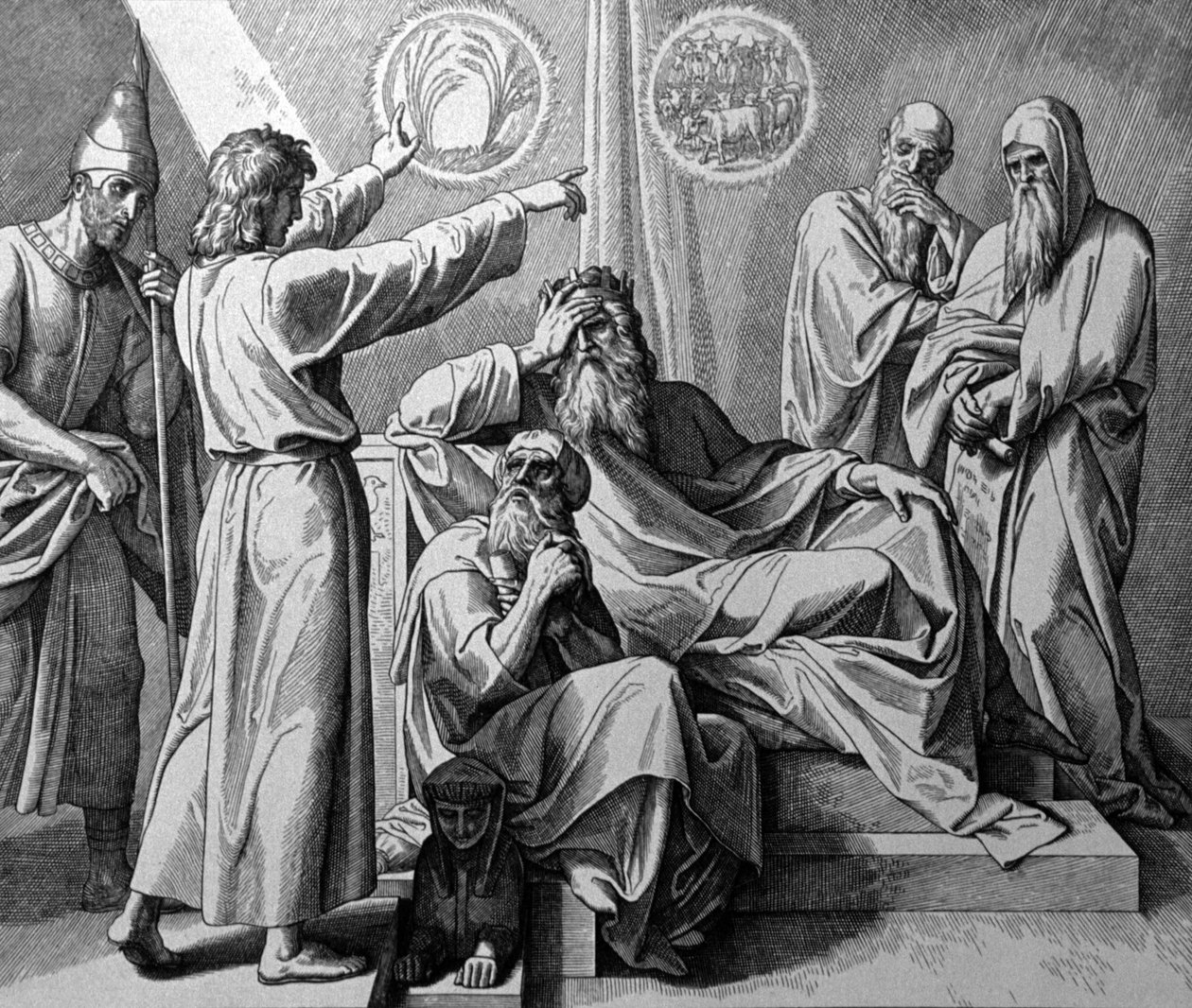
The phrase "Adam and Joseph" most commonly refers to the historical and iconographic partnership between the figures of Adam, the progenitor of humanity in Abrahamic traditions, and Joseph, the son of Jacob, often analyzed within the context of typological theology, art history, and comparative religious studies. These two figures serve as pivotal anchors in the narrative of salvation history, representing the archetypes of the "first man" and the "suffering/exalted deliverer," respectively.
The Typological Significance of Adam and Joseph
In theological discourse, typology is the study of how people, events, or institutions in the Hebrew Bible foreshadow or relate to subsequent figures and salvific events. While the primary typological comparison in Christian theology is often between Adam and Jesus (as the "last Adam"), Joseph is frequently viewed as a secondary type, a precursor who experiences betrayal, descent into a pit or prison, and ultimate exaltation, paralleling the trajectory of the Christ figure.
When scholars examine "Adam and Joseph" together, they are typically exploring the contrast between the fall of humanity through Adam and the preservation of a lineage through Joseph. Adam represents the origin of the human condition—characterized by the entry of death, labor, and the knowledge of good and evil into the world. Conversely, Joseph, sold by his brothers into Egyptian servitude, demonstrates a trajectory of integrity that leads to the salvation of his kin during a period of famine. By juxtaposing these two, historical commentators aim to bridge the gap between the universal struggle of mankind and the specific historical agency of the patriarchs.
Iconography and Artistic Representation
Beyond theological texts, the pairing of Adam and Joseph appears in medieval and Renaissance art, often within larger cycles depicting the history of the world. In illuminated manuscripts and cathedral statuary, artists were tasked with placing historical figures in a hierarchy of importance. Adam is almost universally depicted in a state of primal innocence or post-lapsarian toil, signifying the beginning of the timeline. Joseph, dressed in the garments of an Egyptian overseer or a high-ranking official, serves as a bridge toward the eventual exodus and the establishment of the Israelite nation.
The artistic placement of these figures often dictates how a viewer understands the movement of time within a narrative cycle. Adam represents "static time"—a moment that changes the course of humanity forever—while Joseph represents "dynamic time"—the unfolding of God’s plan through human historical events. In visual sequences, Joseph is frequently associated with the concept of foreshadowing, where his colorful coat or his time in the dungeon serves as a visual shorthand for the trials the faithful must endure before reaching a promised state of restoration.
Historical Interpretation in Academic Research
Academic research into the collective significance of these two figures necessitates a review of how different historical periods viewed their roles. In the medieval period, the focus was largely allegorical. Adam’s sin was the definitive problem, and Joseph’s life was interpreted as an allegory for resilience and forgiveness.
In the 21st century, modern academic inquiry has shifted toward a more critical, comparative approach. Researchers now look at how the stories of Adam and Joseph serve as foundational narratives for tribal and national identity. The story of Adam provides a common origin for all people, which serves as a baseline for ethics and moral responsibility. The story of Joseph, however, provides a template for minority survival and success in foreign environments. When discussed as a duo, they highlight the tension between the universal human experience and the distinct path of a specific cultural or religious community.
Comparative Framework: Adam vs. Joseph
To understand the functional differences between these two figures in religious and cultural literature, it is helpful to categorize their primary narrative roles. The following table highlights the contrasting archetypes associated with each.
| Feature | Adam | Joseph |
|---|---|---|
| Role | Progenitor of Humanity | Patriarch and Administrator |
| Primary Location | Eden (The Garden) | Egypt (The Court) |
| Core Conflict | Disobedience and the Fall | Betrayal and Displacement |
| Theme | Mortality and Human Nature | Providence and Reconciliation |
| Outcome | Entry into the world of toil | Preservation of the chosen lineage |
Practical Applications of Studying These Narratives
For students, researchers, or those interested in the humanities, engaging with the stories of Adam and Joseph is not merely an exercise in historical memory. These narratives are foundational to the Western literary canon, appearing in the works of writers ranging from Dante Alighieri to Thomas Mann.
- Literary Analysis: Understanding these characters is essential for decoding classical allusions in literature. Recognizing the "Joseph figure" in a modern novel—someone who is cast out by their peers only to rise to a position of power—requires a grounding in the original biblical narrative.
- Moral and Ethical Studies: Adam provides a framework for discussing human fallibility, while Joseph provides a framework for discussing agency, forgiveness, and ethical leadership under pressure.
- Historical Context: Studying these figures allows one to trace the development of narrative structure in early civilization, showing how ancient cultures recorded their history, struggles, and aspirations.
Addressing Common Interpretative Mistakes
A common pitfall in studying Adam and Joseph is the attempt to synthesize them into a singular theology without accounting for the vast temporal and cultural distances between their stories. The narrative of Adam belongs to the "Primeval History" (Genesis 1–11), which is cosmic and universal in scope. The narrative of Joseph belongs to the "Ancestral History" (Genesis 12–50), which is personal, historical, and nationalistic.
When critics conflate the two, they often inadvertently strip the stories of their original intent. For instance, Adam should not be analyzed as a political figure, nor should Joseph be analyzed as a figure who represents the ontological state of all humanity. Keeping these categories distinct is vital for an accurate interpretation of their respective roles in historical and religious scholarship.
Frequently Asked Questions
Why are Adam and Joseph often compared in theological texts?
They are compared to contrast the origin of the human condition with the unfolding of historical redemption. Adam serves as the representative of universal humanity, while Joseph serves as the representative of the individual who, through faith and resilience, maintains a covenantal path.
Does the pairing of Adam and Joseph appear in modern law or government?
No, the study of these figures is restricted to religious, literary, and historical domains. They do not hold legal weight in current jurisprudence, though their influence on the development of ethical codes in Western civilization is significant and widely recognized by legal historians.
Are there specific archeological findings that connect the two?
No. Adam belongs to the mythological/theological traditions of ancient Near Eastern literature, whereas Joseph is situated within the cultural milieu of the Middle Bronze Age. There is no archaeological link between the two, as they exist in different modes of narrative discourse.
How should a beginner approach the study of these two figures?
A beginner should read the relevant sections of the Book of Genesis—specifically chapters 1–3 for Adam and 37–50 for Joseph—before engaging with secondary academic literature. Understanding the primary source material is necessary to appreciate the depth of the subsequent scholarly commentary.
Is the comparison of Adam and Joseph consistent across all traditions?
No. Interpretations vary significantly between Jewish Midrashic traditions, Christian patristic theology, and secular literary theory. Each tradition prioritizes different aspects of their lives—such as Adam’s fall or Joseph’s administrative skills in Egypt—based on their specific community needs and theological goals.
Where can one find the most reliable scholarly analysis?
Reliable analysis is found in peer-reviewed journals of Biblical studies, theology, and comparative literature, as well as in university-level textbooks on the history of Western thought. University libraries and reputable online databases like JSTOR offer the most rigorous examinations of these topics.
Next Steps for Further Research
To deepen your understanding of these figures, seek out critical commentaries on the Book of Genesis. Focus on volumes that provide a historical-critical approach, as these will explain the linguistic and cultural background of the texts. Additionally, exploring art history resources that specialize in medieval iconography will provide a visual dimension to how these two figures have been perceived and interpreted throughout the centuries. Engaging with these foundational texts will provide the necessary context to navigate more complex theological or literary discussions surrounding the roles of Adam and Joseph in the human narrative.