Adam Johnson is a preeminent American novelist and short story writer, best known for his 2013 Pulitzer Prize-winning novel, The Orphan Master’s Son, and his 2015 National Book Award-winning collection, Fortune Smiles. A professor of creative writing at Stanford University, Johnson is celebrated for his ability to blend rigorous research with speculative elements, exploring themes of isolation, technology, and the human spirit under trauma.
The Academic and Creative Foundations of Adam Johnson
Adam Johnson’s journey into the upper echelons of American literature began with a rigorous academic foundation that continues to inform his pedagogical approach at Stanford University. Born in 1967 in South Dakota and raised in Arizona, Johnson’s early environment provided a stark, often surreal backdrop that would later influence the atmospheric quality of his prose. He earned his B.A. from Arizona State University in 1992, followed by an M.F.A. from McNeese State University and a Ph.D. in English from Florida State University in 2000.
His transition from student to celebrated author was marked by a deep commitment to the "Stanford school" of writing, characterized by a meticulous attention to detail and a willingness to engage with complex, often uncomfortable, global realities. As a Stegner Fellow and later a permanent faculty member at Stanford, Johnson has spent decades mentoring new generations of writers, emphasizing the importance of empathy and "the narrative of the other." In 2026, his role as a senior figure in the Stanford Creative Writing Program remains a cornerstone of his professional identity, where he continues to advocate for fiction that bridges the gap between historical fact and emotional truth.
The Orphan Master’s Son: A Landmark in Contemporary Fiction
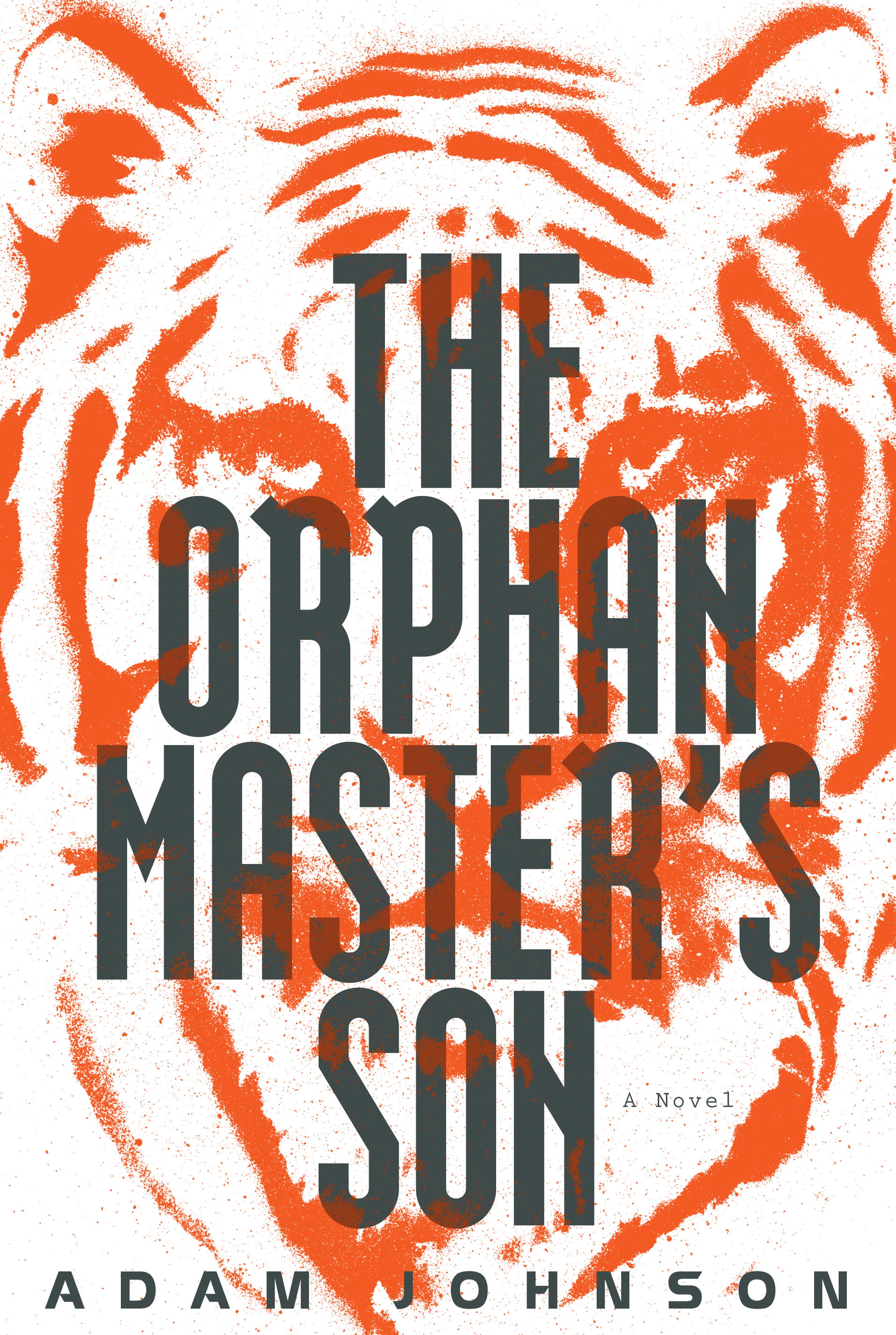
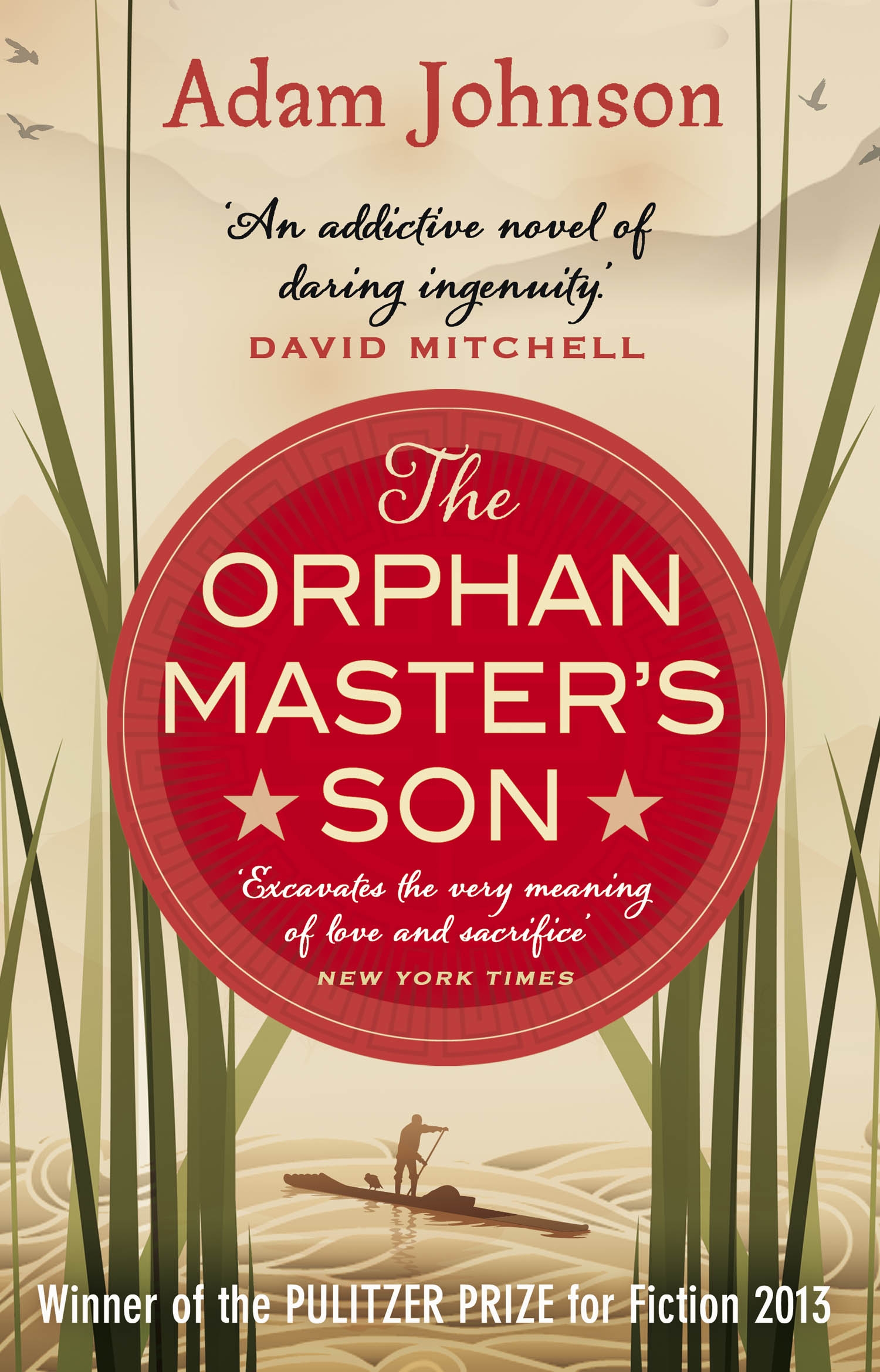
The publication of The Orphan Master’s Son in 2012 represented a watershed moment in 21st-century literature. The novel is an epic feat of imagination and research, set in the hermetic world of North Korea. Johnson’s portrayal of the DPRK avoids the common pitfalls of Western caricature, instead building a world that operates on its own internal, albeit terrifying, logic. The story follows Pak Jun Do, a character whose life serves as a journey through the various strata of North Korean society—from an orphanage to a tunnel soldier, a kidnapper, and eventually a high-ranking official.
What sets this work apart is Johnson’s use of North Korean propaganda as a narrative device. By interweaving the state-mandated radio broadcasts with the grim reality of the characters' lives, Johnson highlights the tension between the "official" story and the human experience. This duality earned the novel the 2013 Pulitzer Prize for Fiction. The Pulitzer committee cited the work as "an exquisitely crafted novel that carries the reader on an adventuresome journey into the depths of totalitarian North Korea and into the most intimate spaces of the human heart."
The research for this novel was extensive. Johnson visited North Korea in 2007, an experience that provided the sensory details—the lack of light at night, the specific sounds of the city, the pervasive sense of surveillance—that ground the book's more surreal elements. In 2026, the novel remains a primary text for students of political fiction and those interested in the ethics of writing about cultures outside one's own.
Mastering the Short Form: Emporium and Fortune Smiles
While The Orphan Master's Son brought Johnson global fame, his mastery of the short story has been equally influential. His debut collection, Emporium (2002), introduced readers to his signature style: a blend of high-tech satire, profound loneliness, and suburban malaise. Stories in Emporium often feature protagonists grappling with bizarre technologies or extreme circumstances, such as a teenage sniper in a dystopian future or a man who cleans up crime scenes.
Thirteen years later, Johnson published Fortune Smiles (2015), which won the National Book Award for Fiction. This collection demonstrated a significant maturation of his themes. The stories in Fortune Smiles are longer, more complex, and deeply invested in the aftermath of trauma.
- "Nirvana": A story that explores the intersection of technology and grief, featuring a man who uses a digital hologram of a deceased president to process his wife’s illness.
- "George Orwell was a Friend of Mine": A chilling look into the mind of a former Stasi prison warden who remains in denial about his past.
- "Fortune Smiles": Returns to the theme of North Korea, focusing on two defectors struggling to adjust to the overwhelming consumerism and freedom of Seoul.
Through these collections, Johnson has solidified his reputation as a "writer’s writer," capable of executing complex tonal shifts from the humorous to the heartbreaking within a single page.
Recurring Themes: Technology, Trauma, and Isolation
Adam Johnson’s body of work is unified by several recurring thematic concerns that reflect the anxieties of the modern age.
The Role of Technology
Johnson frequently uses speculative or near-future technology to interrogate human relationships. Whether it is the use of holograms to simulate presence or the role of radio broadcasts in state control, technology in Johnson's world is rarely a tool of liberation. Instead, it often serves to highlight the protagonist's isolation or to act as a barrier to genuine human connection.
Totalitarianism and the Individual
Much of Johnson’s most acclaimed work deals with the erasure of the individual within a collective or state-driven narrative. He explores how people maintain their humanity when their very thoughts and identities are subject to state approval. This is seen not only in his North Korean settings but also in his explorations of the former East Germany and even the social pressures within American corporate or academic life.
The Geography of Dislocation
Johnson’s characters are often "displaced," either physically through defection and war or emotionally through illness and grief. He excels at describing the "liminal space"—the period of transition where an old identity has been lost but a new one has not yet been formed. This focus on dislocation makes his work particularly resonant in an era of global migration and rapid social change.
Key Works and Recognition
The following table summarizes the major publications and accolades of Adam Johnson’s career, providing a roadmap for readers looking to explore his bibliography.
| Title | Year | Genre | Major Awards / Significance |
|---|---|---|---|
| Emporium | 2002 | Short Story Collection | Debut collection; established his satirical/speculative style. |
| Parasites Like Us | 2003 | Novel | Won a California Book Award; explores anthropology and plague. |
| The Orphan Master's Son | 2012 | Novel | Pulitzer Prize for Fiction (2013); Dayton Literary Peace Prize. |
| Fortune Smiles | 2015 | Short Story Collection | National Book Award for Fiction (2015); Story Prize. |
| The Best American Short Stories | Various | Anthology | Multiple stories selected (e.g., 2015, 2023). |
Adam Johnson’s Pedagogical Influence at Stanford
Beyond his published works, Johnson’s impact on the literary world is felt through his tenure at Stanford University. As a professor in the Stanford Creative Writing Program, he has influenced a generation of writers who have gone on to win their own accolades. His teaching philosophy emphasizes the "deep dive"—the necessity of exhaustive research to earn the right to write about a subject.
Johnson’s workshops are known for their focus on "psychological realism," even when the premise of a story is fantastic or speculative. He encourages writers to find the universal human pulse within the most alien or extreme circumstances. In 2026, as MFA programs evolve to meet new digital and social challenges, Johnson remains a vocal proponent of the traditional "workshop" model, while integrating contemporary discussions on voice and representation.
Frequently Asked Questions about Adam Johnson
What is Adam Johnson’s most famous book?
Adam Johnson’s most famous book is The Orphan Master’s Son, published in 2012. It won the Pulitzer Prize for Fiction in 2013. The novel is widely acclaimed for its daring portrayal of life inside North Korea, blending elements of a thriller, a romance, and a political critique.
Has Adam Johnson written any new books recently?
As of 2026, Adam Johnson has continued to publish high-profile short stories in venues like The New Yorker and Harper’s. While he is primarily known for his seminal works from the 2010s, he remains an active force in the literary community, often contributing essays on the craft of writing and the ethics of fiction.
Is Adam Johnson considered a "speculative fiction" writer?
While Johnson often uses elements of speculative fiction—such as near-future technology or alternate realities—he is generally classified as a contemporary literary fiction writer. His use of the "fantastic" is typically a vehicle for exploring deep psychological or social truths rather than an end in itself.
What awards has Adam Johnson won?
His major awards include the Pulitzer Prize for Fiction (2013) for The Orphan Master's Son, the National Book Award for Fiction (2015) for Fortune Smiles, and the Sunday Times EFG Short Story Award (2014) for "Nirvana." He has also received a Guggenheim Fellowship and a Whiting Award.
Does Adam Johnson still teach at Stanford?
Yes, as of 2026, Adam Johnson remains a Professor of English at Stanford University, where he teaches both undergraduate and graduate creative writing workshops. He is a key figure in the Stegner Fellowship community.
How to Begin Reading Adam Johnson’s Work
For readers new to Adam Johnson, the best entry point depends on your preference for format. If you enjoy immersive, epic narratives, start with The Orphan Master’s Son. It is a challenging but rewarding read that offers a unique perspective on a closed society.
If you prefer shorter, more varied narratives, Fortune Smiles is an excellent choice. The stories are distinct and showcase the full range of Johnson’s talents, from the tech-heavy "Nirvana" to the historically grounded "George Orwell was a Friend of Mine." For those interested in the evolution of a writer, reading his debut collection Emporium provides insight into the quirky, energetic roots of his later, more somber masterpieces. Whichever path you choose, expect to encounter prose that is as intellectually demanding as it is emotionally resonant.