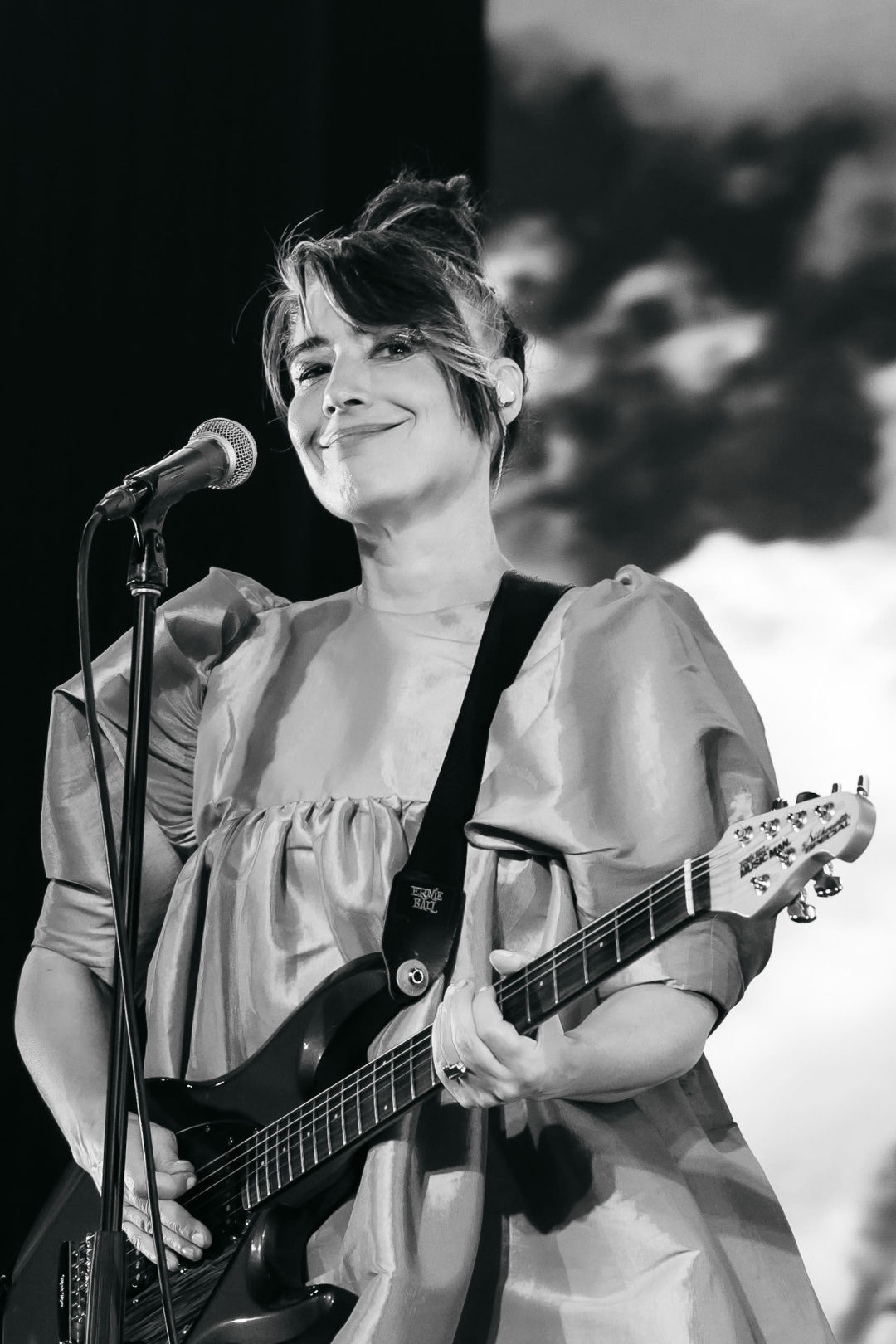
Adam Horovitz and Kathleen Hanna represent the definitive intersection of 1990s hip-hop and the Riot Grrrl feminist movement. Their partnership, spanning nearly three decades, serves as a blueprint for artistic integrity, shared activism, and resilience. By merging the Beastie Boys’ mainstream influence with Bikini Kill’s underground radicalism, they reshaped the cultural landscape of alternative music.
The Intersection of Two Underground Revolutions
To understand why Adam Horovitz (Ad-Rock) and Kathleen Hanna are considered a "power couple," one must first examine the disparate worlds they occupied during the 1980s and early 1990s. Horovitz was a centerpiece of the Beastie Boys, a group that successfully transitioned from bratty hardcore punk into a globally dominant hip-hop force. Their 1986 debut, Licensed to Ill, became a massive commercial success, though it was often criticized for the very frat-boy tropes the band would later spend decades subverting.
Conversely, Kathleen Hanna was the primary architect of the Riot Grrrl movement in Olympia, Washington. As the lead singer of Bikini Kill, she utilized music as a vehicle for radical feminist critique, addressing domestic violence, systemic misogyny, and the exclusion of women from punk spaces. While Horovitz was performing in arenas, Hanna was "revolution girl style now," creating zines and demanding that girls move to the front of the mosh pit to ensure their safety and visibility.
The eventual union of these two figures was not merely a romantic pairing; it was a symbolic reconciliation of two major subcultural currents. In 2026, looking back at their trajectory, it is clear that their relationship influenced the internal culture of the Beastie Boys as much as it provided a stable foundation for Hanna’s continued artistic experimentation with Le Tigre and The Julie Ruin.
A Union Defined by Privacy and Mutual Respect
Horovitz and Hanna began their relationship in 1997, a period when both were navigating the complexities of mid-career fame. Unlike many high-profile couples in the music industry, they opted for a life of relative privacy. They married in 2006, a year that marked a decade of partnership and solidified their status as a grounding force for one another.
Their marriage coincided with a significant shift in how the Beastie Boys approached gender politics. While it is reductive to credit Hanna entirely for the band's evolution, her presence in Horovitz’s life undeniably reinforced the group's public pivot toward social consciousness. This was most famously encapsulated in the 1994 track "Sure Shot," where Horovitz delivered the lines: "I want to say a little something that's long overdue / The disrespect to women has got to be through."
In 2026, their relationship is often cited by biographers as a rare example of a "long-game" partnership in an industry prone to volatility. Their ability to maintain a low profile while supporting each other’s high-impact public projects—such as the Beastie Boys Story (2020) and Hanna’s memoir Rebel Girl: My Life as a Punk Rock Girl (2024)—demonstrates a foundation built on shared values rather than proximity to fame.
Shared Activism and Cultural Impact
The cultural impact of Adam Horovitz and Kathleen Hanna is best measured through their advocacy. Both artists have used their platforms to challenge industry norms and support marginalized voices.
The Evolution of the Beastie Boys
Under the influence of their friendship and eventual marriage, Horovitz and his bandmates (the late Adam Yauch and Michael Diamond) became vocal proponents for various causes, including the Tibetan Freedom Concerts and healthcare reform. Horovitz specifically became a more vocal ally in the feminist movement, frequently appearing at events supporting reproductive rights and women’s health.
The Riot Grrrl Legacy
Hanna’s influence extends into the modern era of music, where artists like Olivia Rodrigo and the Linda Lindas cite her as a primary inspiration. Her work in the 2000s with Le Tigre pushed feminist discourse into the electronic dance space, proving that political messaging could be both radical and accessible. Throughout this time, Horovitz remained a constant supporter, often seen at shows and providing instrumental contributions to her side projects.
| Category | Adam Horovitz (Beastie Boys) | Kathleen Hanna (Bikini Kill/Le Tigre) |
|---|---|---|
| Primary Genre | Hip-Hop / Punk Rock | Riot Grrrl / Electro-punk |
| Breakthrough Era | mid-1980s (Licensed to Ill) | early 1990s (Bikini Kill EP) |
| Key Contribution | Genre-blending hip-hop & live instrumentation | Founding father of the Riot Grrrl movement |
| Activism Focus | Social justice, Tibetan freedom, healthcare | Feminism, LGBTQ+ rights, DIY ethics |
| Major Recognition | Rock and Roll Hall of Fame (2012) | Subject of The Punk Singer (2013) |
Resilience Through Health and Loss
A significant chapter in their narrative involves their collective resilience during periods of health crises and grief. In the late 2000s, Kathleen Hanna began a grueling battle with Lyme disease, which was initially misdiagnosed and left her unable to perform for years. The 2013 documentary The Punk Singer provided a raw look at this period, featuring Horovitz as a dedicated partner managing her care and providing emotional support.
During the same decade, the couple faced the devastating loss of Adam Yauch (MCA) to cancer in 2012. The death of Yauch effectively ended the Beastie Boys as a performing entity, forcing Horovitz to redefine his identity outside of the group that had defined his adult life. Hanna’s support during this transition was reciprocal; just as Horovitz had helped her through the physical toll of Lyme disease, she helped him navigate the profound grief of losing a creative partner and "brother."
Their ability to weather these personal storms while maintaining their artistic integrity has cemented their status in 2026 as icons of the "indie-rock elder" generation. They represent a model of aging gracefully within subcultures that are traditionally youth-obsessed.
Creative Synergy and Collaborative Spirits
While they have rarely released a traditional "duet" album, the creative synergy between Horovitz and Hanna is woven into the fabric of their respective discographies. Horovitz contributed bass and production elements to various Le Tigre and The Julie Ruin tracks, often under pseudonyms or without heavy fanfare. Similarly, Hanna’s lyrical perspective and DIY ethos influenced the late-stage Beastie Boys' output, moving them toward a more experimental, less commercial sound in their final studio years.
In 2026, their collaborative spirit is seen in the way they manage their legacies. They have both become mentors to younger artists, particularly those operating in the intersections of punk and activism. Horovitz’s work on the Beastie Boys Book and the subsequent live show showcased a storyteller’s depth that mirrored Hanna’s own autobiographical songwriting.
The Cultural Legacy in 2026: Why They Still Matter
The enduring relevance of the Horovitz-Hanna partnership lies in their refusal to become "legacy acts" in the pejorative sense. They have not traded their principles for easy nostalgia tours or hollow brand partnerships. Instead, they have remained tethered to the underground movements that birthed them, even as their names became shorthand for "cool" in the mainstream.
As of 2026, their influence is visible in:
- Documentary and Literature: Hanna’s 2024 memoir remains a critical text for gender studies and music history, while the Beastie Boys' archival projects continue to set the standard for how bands should curate their history.
- Modern Feminist Punk: A new wave of "Riot Grrrl" bands continues to emerge, utilizing the digital tools of the 2020s to propagate the same messages Hanna pioneered in 1991.
- Subcultural Longevity: They provide a roadmap for how to survive the music industry with one's soul intact, emphasizing health, privacy, and political commitment over constant visibility.
How did Adam Horovitz and Kathleen Hanna meet?
The couple met in 1997 when their respective bands were touring. They crossed paths in the NYC and Pacific Northwest music scenes, bonding over their shared history in punk rock and mutual respect for each other’s work. Their relationship began shortly after and remained a private cornerstone of their lives for years before they married in 2006.
Are Adam Horovitz and Kathleen Hanna still married in 2026?
Yes, as of 2026, the couple remains married. They have consistently maintained a residence in New York and have been seen supporting each other at various cultural events, including the 2024-2025 promotional tour for Hanna's memoir and archival Beastie Boys screenings.
Did Kathleen Hanna influence the Beastie Boys' lyrics?
While Hanna did not write lyrics for the Beastie Boys, her influence as a feminist icon and as Horovitz’s partner was a major factor in the band’s cultural shift. Horovitz has publicly acknowledged that his relationship with Hanna and his exposure to the Riot Grrrl scene helped him recognize the misogyny in the band’s early work, leading to public apologies and a change in the group's thematic direction.
What was Adam Horovitz's role in "The Punk Singer"?
In the 2013 documentary The Punk Singer, Adam Horovitz appears as a primary interviewee and a central figure in Kathleen Hanna’s life. The film documents his role as her primary caregiver during her long struggle with Lyme disease, highlighting his dedication to her recovery and his deep respect for her musical legacy.
Have they ever officially collaborated on a musical project?
They have collaborated on several projects, though often in a supporting capacity. Horovitz played bass for Hanna's band The Julie Ruin and contributed to production on Le Tigre tracks. They have generally avoided making themselves a "duo" in the commercial sense, preferring to keep their professional identities distinct while providing creative support behind the scenes.
Exploring the Horovitz-Hanna Archive
To fully appreciate the breadth of this power couple’s influence, listeners and historians should engage with their primary texts in chronological order. For Horovitz, this includes the transition from Check Your Head (1992) to Ill Communication (1994), where the band’s ideological shift becomes most apparent. For Hanna, the essential starting point is Bikini Kill’s Pussy Whipped, followed by Le Tigre’s self-titled debut, which showcases her evolution into electronic activism.
In 2026, the most effective way to understand their joint impact is through the 2024 memoir Rebel Girl and the Beastie Boys Story documentary. Together, these works provide a comprehensive view of how two individuals from the fringes of society managed to change the center of the culture without losing their way.