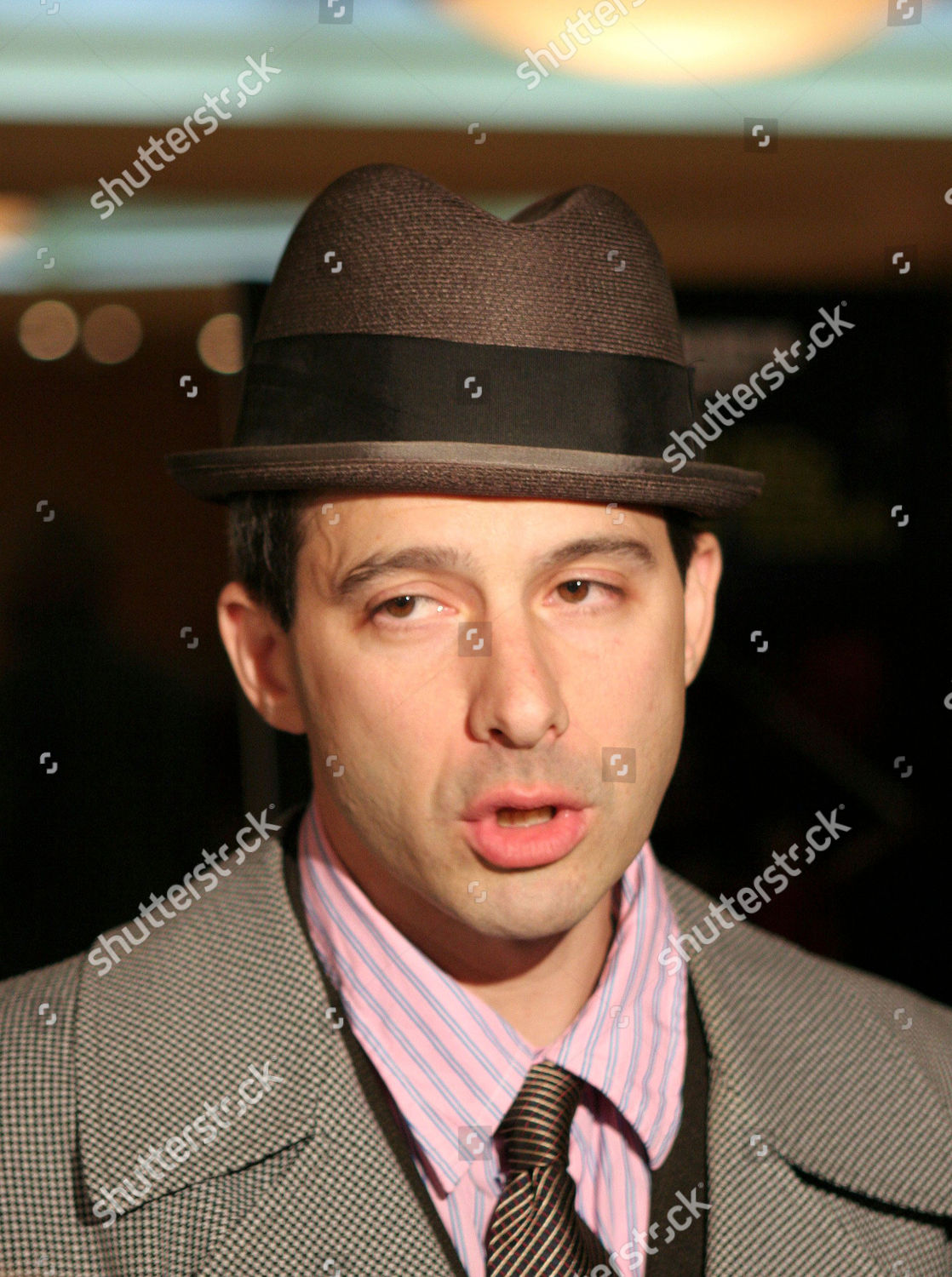
Adam Horovitz, professionally known as Ad-Rock, is a foundational figure in American music, best known as one-third of the pioneering hip-hop group the Beastie Boys. His career spans over four decades, evolving from teenage punk rock rebellion to multi-platinum hip-hop success, eventually cementing a legacy of artistic innovation, social activism, and cultural preservation.
The Formative Years: From NYC Punk to Hip-Hop History
Born on October 31, 1966, in Manhattan, Adam Horovitz was immersed in the creative pulse of New York City from birth. As the son of playwright Israel Horovitz and painter Doris Belack, his upbringing was steeped in the arts. However, it was the burgeoning underground music scene of the late 1970s and early 1980s that captured his imagination.
In 1982, at just 16 years old, Horovitz joined the Beastie Boys, replacing the original guitarist John Berry. At that time, the group—consisting of Michael "Mike D" Diamond and Adam "MCA" Yauch—was primarily a hardcore punk outfit. Horovitz brought a frantic energy and a sharp, satirical edge that would become his trademark. The transition from punk to hip-hop was not a calculated business move but a natural byproduct of the NYC environment, where the energy of the Mudd Club collided with the block parties of the Bronx.
The release of the single "Cooky Puss" in 1983 marked the group's first foray into rap, utilizing a prank phone call over a beat. This experimental phase, heavily influenced by Horovitz’s sense of humor, laid the groundwork for their signing with the fledgling Def Jam Recordings, helmed by Russell Simmons and Rick Rubin.
The Explosion of Licensed to Ill and the "Frat-Boy" Paradox
In 1986, the Beastie Boys released Licensed to Ill, an album that fundamentally altered the trajectory of popular music. As the first hip-hop album to top the Billboard 200, it transformed Horovitz, Yauch, and Diamond into global superstars. Ad-Rock’s high-pitched, nasal delivery became one of the most recognizable voices in music, often serving as the energetic spark plug for the group’s back-and-forth lyrical style.
However, the success of Licensed to Ill brought a specific kind of infamy. The "party animal" persona, fueled by hits like "(You Gotta) Fight for Your Right (To Party!)", led to a public perception of the group as obnoxious, frat-boy caricatures. While this image propelled record sales, it created a tension within the group, particularly for Horovitz. The legendary 1987 tour was marked by controversy, stage antics involving giant inflatable props, and legal battles.
The legacy of this era is complex. While it proved that hip-hop had massive commercial potential across racial demographics, it also forced the members to confront the limitations of their early public personas. By the end of the 1980s, the group severed ties with Def Jam and Rick Rubin, relocating to Los Angeles to reinvent themselves—a move that would define the rest of Ad-Rock’s career.
Artistic Rebirth: Paul’s Boutique and the Return to Instruments
If Licensed to Ill made Ad-Rock a star, 1989’s Paul’s Boutique made him an artist. Working with the Dust Brothers, the Beastie Boys created a sampling masterpiece that was initially a commercial disappointment but later recognized as the "Sgt. Pepper of Hip-Hop." Horovitz’s contribution to this era was significant; he shifted from shouting anthems to intricate, multi-layered storytelling and cultural referencing.
In the early 1990s, the group made a pivotal decision to return to their punk roots by picking up their instruments again. Ad-Rock returned to the guitar, Mike D to the drums, and MCA to the bass. This shift resulted in the 1992 album Check Your Head, which blended lo-fi funk, hardcore punk, and hip-hop.
The significance of this period cannot be overstated:
- Genre Blurring: They broke the mold of what a "rap group" was supposed to look like.
- The Grand Royal Era: They launched their own record label and magazine, Grand Royal, which became a tastemaker for 90s alternative culture.
- Production Mastery: Ad-Rock began taking a more significant role in the studio, contributing to the distorted, grimy aesthetic that defined the Beastie Boys' mid-career sound.
Ad-Rock’s Individual Artistry and Collaborative Ventures
While the Beastie Boys were his primary vehicle, Adam Horovitz maintained a steady presence in film and side musical projects. His acting career began early with a lead role in the 1989 film Lost Angels, where he earned praise for his portrayal of a troubled youth. Decades later, he demonstrated his range in Noah Baumbach’s 2014 film While We’re Young, playing a grounded, middle-aged father—a role that mirrored his own maturation.
Musically, Horovitz explored electronic and experimental sounds through his side project BS 2000, formed with Beastie Boys touring keyboardist Amery "AWOL" Smith. BS 2000 allowed Horovitz to indulge in high-tempo, quirky synth melodies that were too experimental for the main group’s albums.
Additionally, his production work extended to other artists, most notably his collaborations with his wife, Kathleen Hanna. His involvement in the feminist "Riot Grrrl" movement through his relationship with Hanna (member of Bikini Kill and Le Tigre) signaled a profound shift in his personal and political identity. He became a vocal advocate for women's rights, a stark contrast to the juvenile lyrics of the mid-80s.
Key Milestones in the Career of Adam Horovitz
The following table outlines the pivotal moments that defined Ad-Rock's professional journey and the collective success of the Beastie Boys.
| Year | Milestone | Significance |
|---|---|---|
| 1982 | Joins Beastie Boys | Transitioned the group from a quartet to the iconic trio. |
| 1986 | Licensed to Ill Release | First rap album to reach #1 on the Billboard charts. |
| 1989 | Paul's Boutique | Established the group as serious avant-garde producers and lyricists. |
| 1992 | Check Your Head | Reintroduced live instrumentation into their hip-hop framework. |
| 1994 | "Sabotage" Video | Directed by Spike Jonze; became a defining visual of the MTV era. |
| 1998 | Hello Nasty | Won two Grammy Awards, including Best Alternative Music Album. |
| 2012 | Rock & Roll Hall of Fame | Inducted as one of the most influential groups in music history. |
| 2018 | Beastie Boys Book | New York Times Bestseller co-authored with Michael Diamond. |
| 2020 | Beastie Boys Story | A documentary directed by Spike Jonze reflecting on their 40-year journey. |
Activism and the Weight of a Legacy
The passing of Adam Yauch (MCA) in 2012 marked the end of the Beastie Boys as a performing unit. Horovitz and Diamond remained steadfast in their commitment to Yauch’s wish that the group’s music never be used in advertising, a rare stance in the modern "sell-out" culture.
In the years following Yauch’s death, Horovitz transitioned into the role of a cultural historian. The 2018 Beastie Boys Book and the subsequent 2020 documentary Beastie Boys Story were not just memoirs; they were acts of communal grieving and celebration. Horovitz used these platforms to apologize for the group’s early sexism and to advocate for social justice, feminism, and anti-war causes.
As of 2026, his legacy is one of integrity. He has successfully navigated the transition from a "rebellious youth" to a "respected elder" without losing the playful, inquisitive spirit that made him famous. His influence is visible in every modern artist who refuses to be pigeonholed into a single genre, from Tyler, The Creator to contemporary indie-rock bands that incorporate hip-hop production.
Frequently Asked Questions
Did Adam Horovitz have a solo music career?
While he never released a traditional solo rap album, he worked extensively under the moniker BS 2000 and has produced tracks for various artists. His solo work is primarily characterized by experimental electronic music and instrumentals rather than mainstream hip-hop.
What is Adam Horovitz's net worth in 2026?
While exact figures are private, Horovitz’s net worth is estimated to remain substantial due to the enduring popularity of the Beastie Boys' catalog, book sales, documentary licensing, and his various acting roles. He has historically been more focused on creative control and legacy preservation than aggressive commercial expansion.
Is Ad-Rock still active in the music industry?
Yes, though not as a touring rapper. In 2026, Horovitz remains active in production, film scoring, and occasional guest appearances. He focuses heavily on the Beastie Boys' archive, ensuring the group’s historical impact is documented through exhibitions and remastered releases.
How did Ad-Rock influence the Riot Grrrl movement?
While not a performer in the movement, his marriage to Kathleen Hanna and his public support for feminist causes helped bridge the gap between mainstream hip-hop and underground feminist punk. He often used his platform to speak out against harassment at music festivals, most famously at MTV’s Video Music Awards.
Why did the Beastie Boys stop making music?
The group effectively ended following the death of Adam Yauch in 2012. Horovitz and Michael Diamond have stated repeatedly that they would not continue the Beastie Boys without Yauch, choosing instead to focus on books, documentaries, and individual projects that honor their collective history.
Exploring the Ad-Rock Catalog: A Recommendation
For those looking to understand the depth of Adam Horovitz’s contribution to culture, a chronological exploration is essential. Start with the raw energy of Licensed to Ill to understand the cultural explosion he triggered, then move immediately to Paul’s Boutique to witness the complexity of his lyrical growth.
To see his most personal work, the Beastie Boys Story documentary provides a definitive look at how his friendship with Yauch and Diamond shaped his worldview. In 2026, his career serves as a blueprint for how an artist can grow old with dignity, remain relevant through honesty, and use their platform to rectify the mistakes of their past while celebrating the innovations that changed the world.