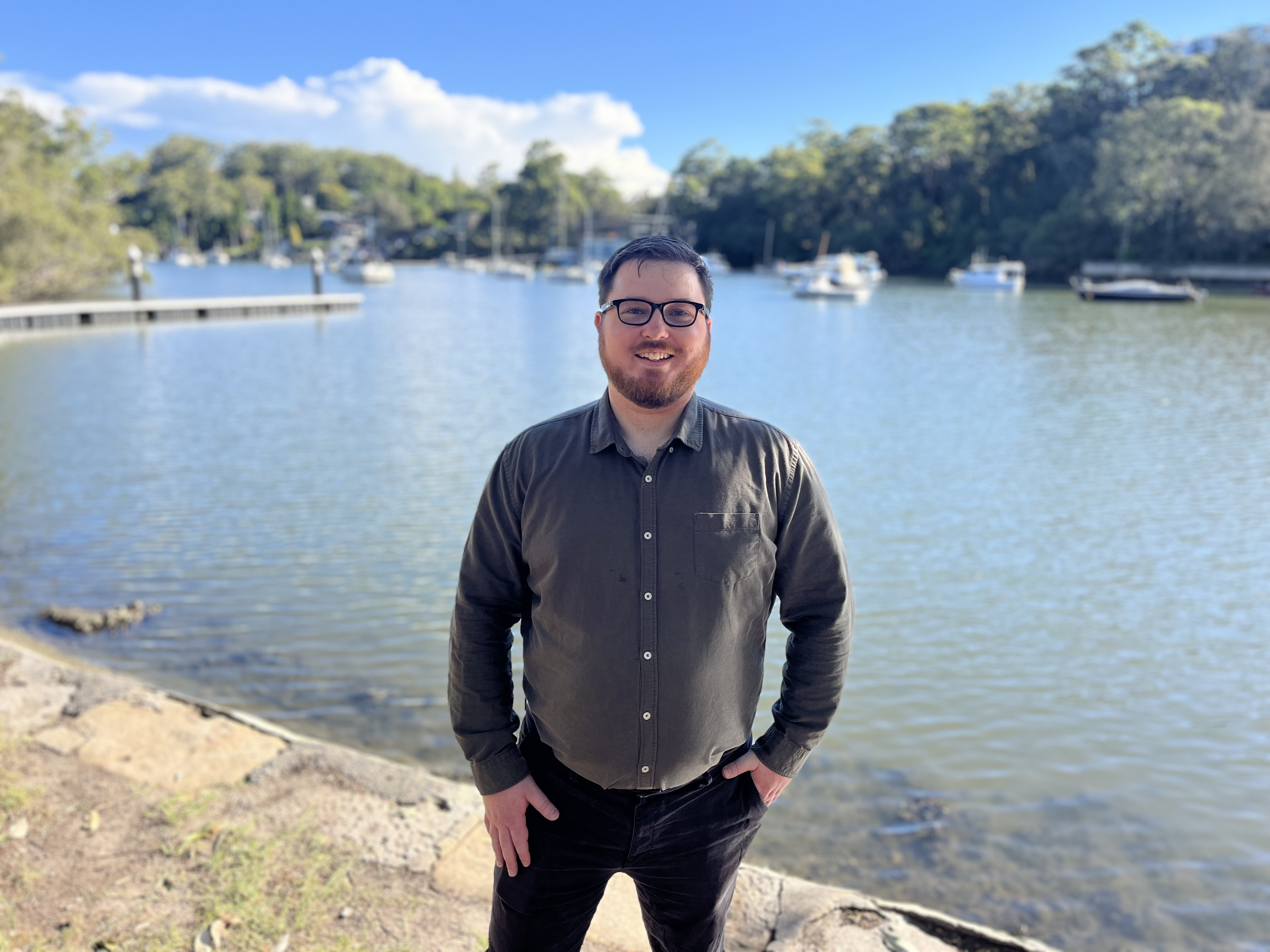
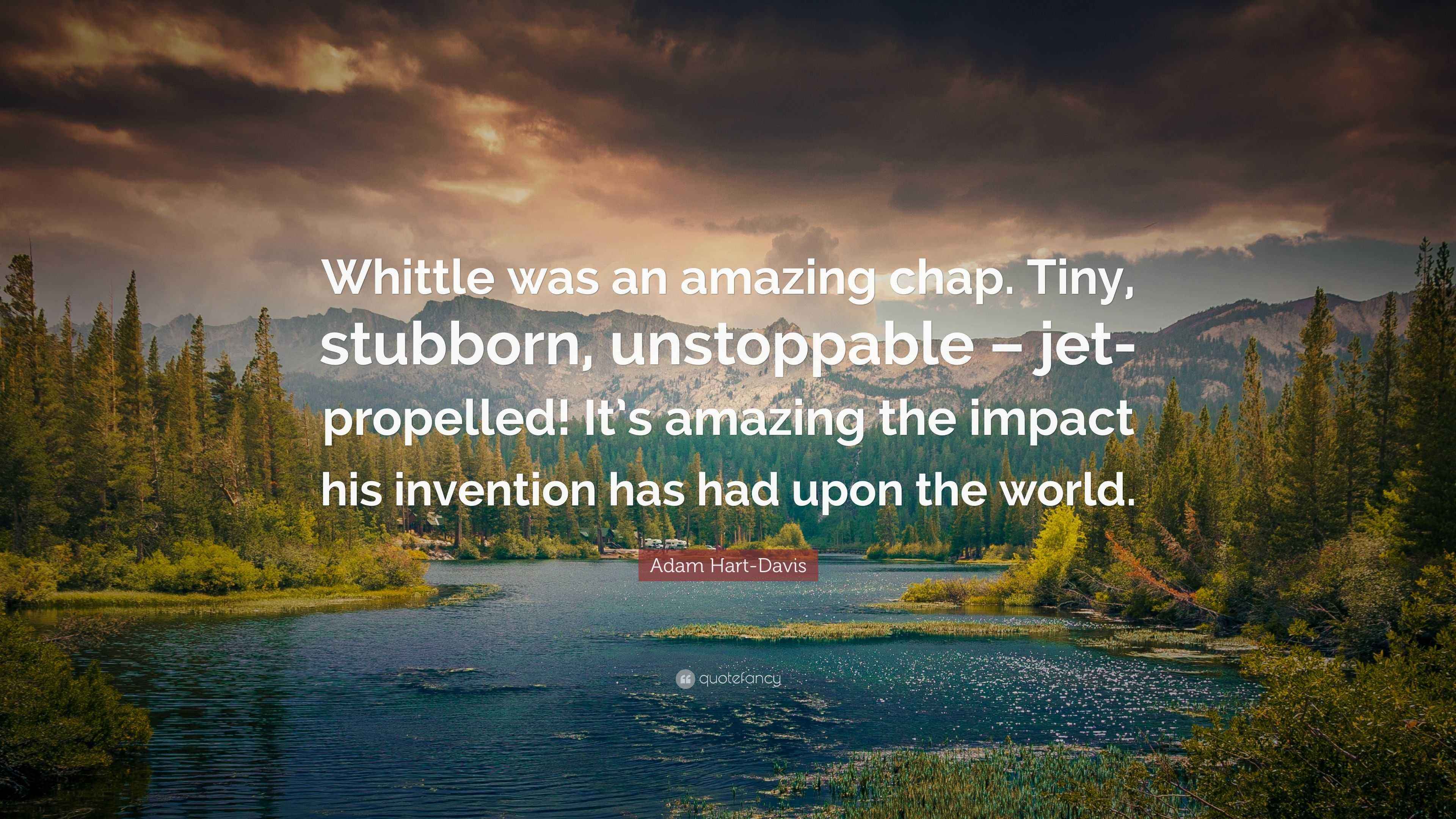
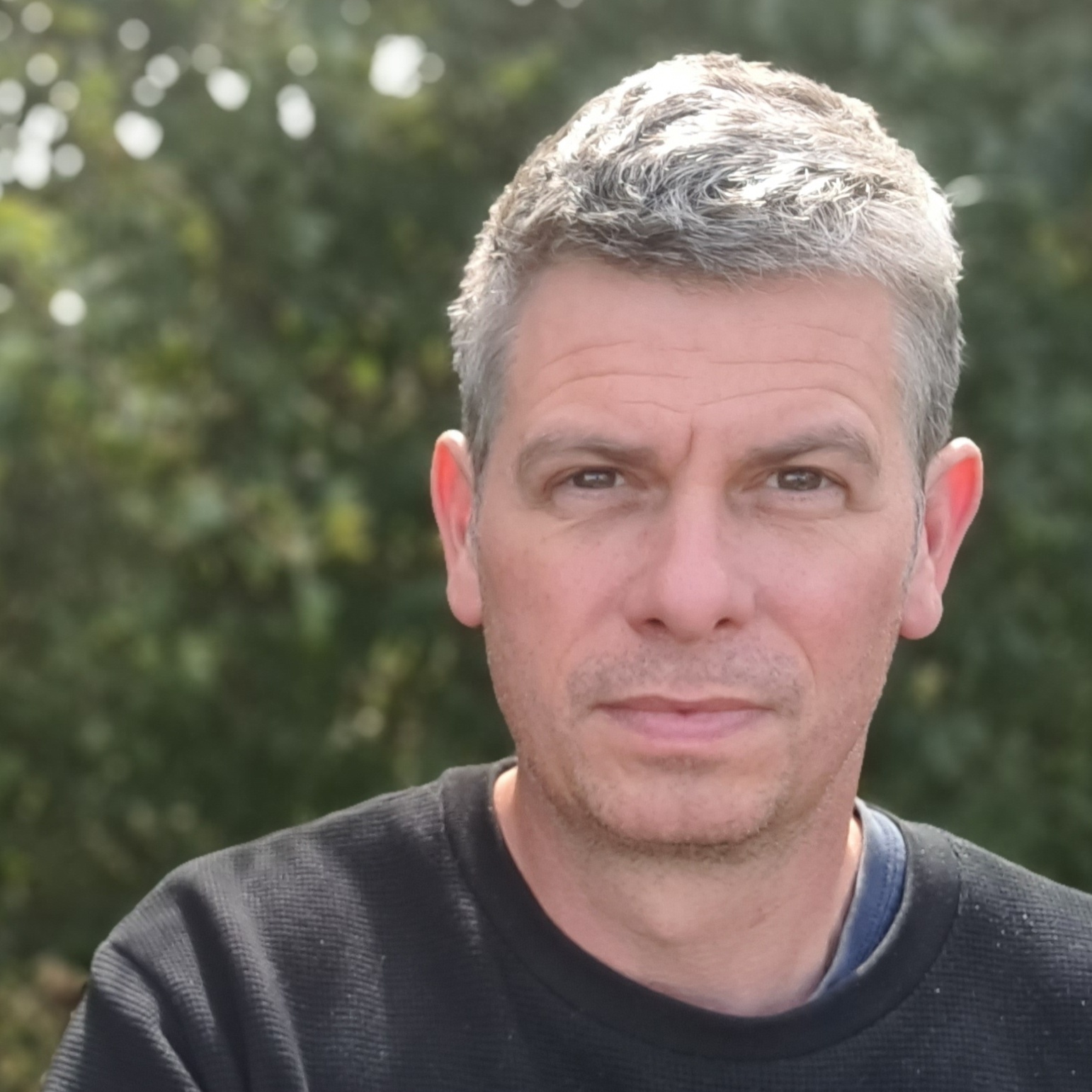
Professor Adam Hart is a prominent British entomologist, author, and broadcaster recognized for his extensive research into social insects and his leadership in large-scale citizen science projects. As of 2026, he serves as the Professor of Science Communication at the University of Gloucestershire, where he bridges the gap between complex ecological data and public understanding.
While the name Adam Hart is shared by a notable Canadian health and nutrition author—frequently associated with "The Power of Food" and nervous system regulation—this profile focuses on the British scientist whose work in evolutionary biology and science media has shaped contemporary ecological discourse.
Academic Foundations and Specialization in Social Insects
Adam Hart’s academic career is rooted in the rigorous study of social insects, specifically ants, bees, and wasps. His research typically explores the complex organizational structures of these colonies, looking at how individual behaviors coalesce into sophisticated collective intelligence. This field, often referred to as sociobiology or behavioral ecology, seeks to understand the evolutionary pressures that lead to high-level cooperation.
At the University of Gloucestershire, Hart has dedicated decades to studying the mechanics of colony life. His work often investigates how insects manage resources, defend their nests, and communicate through chemical signaling. Social insects are considered "superorganisms," and Hart’s research provides insight into how these systems remain resilient in the face of environmental stressors.
The Dynamics of Pheromone Communication
One of the primary areas of Hart's technical expertise is the study of pheromone trails. In ant colonies, the ability to communicate the location of a food source or a threat is vital for survival. Hart’s research has delved into the efficiency of these trails, examining how ants use chemical gradients to optimize foraging routes. This involves complex observations of pheromone decay rates and the decision-making processes of individual ants when they encounter conflicting signals.
Thermal Ecology and Nest Architecture
Beyond communication, Hart has explored the thermal biology of insects. Because insects are ectothermic (relying on external heat sources), the architecture of their nests is crucial for maintaining a stable environment for the queen and the brood. His studies have examined how different species utilize material properties and orientation to regulate internal temperatures, a field that has significant implications for understanding how climate change might affect social insect populations globally.
Revolutionizing Data Through Citizen Science
Professor Hart is perhaps most widely known for his pioneering work in citizen science. By leveraging the power of the public, he has been able to collect massive datasets that would be impossible for a single research team to gather. These projects have transformed how phenological events—periodic biological phenomena—are tracked across the United Kingdom.
The Flying Ant Day Project
Working in collaboration with the Royal Society of Biology, Hart led the "Flying Ant Day" survey. This project sought to debunk the myth that all flying ants emerge on a single day across the country. By encouraging thousands of people to report sightings via social media and dedicated apps, Hart’s team was able to map the emergence of Lasius niger (the common black garden ant) with unprecedented geographic and temporal resolution. The data revealed that the emergence is actually a weeks-long "season" triggered by specific localized weather conditions, such as high humidity and low wind speeds, rather than a single coordinated event.
Starling Murmurations and Spider Tracking
Hart’s citizen science initiatives have extended beyond entomology. He has conducted significant research into the "murmuration" patterns of starlings. Through the "Starling Survey," he collected data on thousands of murmuration events to understand why these birds gather in such large numbers and how they respond to predators like hawks and falcons. Similarly, his "Spider in the House" project used a mobile app to track the seasonal appearance of house spiders, providing insights into the activity patterns of the genus Eratigena during their autumn mating season.
Literature and the "Evolutionary Mismatch" Theory
As a writer, Hart has contributed significantly to the public understanding of evolutionary biology. His 2020 book, Unfit for Purpose: When Human Evolution Collides with the Modern World, serves as a cornerstone of his intellectual output. The book explores the concept of "evolutionary mismatch," the idea that the human body and mind evolved over millions of years to survive in an environment radically different from the one we inhabit today.
"Unfit for Purpose" and Modern Human Health
In his writing, Hart argues that many modern ailments—ranging from obesity and diabetes to anxiety and sleep disorders—are the result of our biological hardware being poorly suited to 21st-century software. For example, he discusses how our ancestors’ drive to consume high-calorie foods was a survival advantage in a world of scarcity but has become a liability in a world of caloric abundance.
He extends this analysis to our social behaviors, suggesting that the "tribalism" inherent in human evolution is being exploited by modern social media algorithms, leading to increased polarization. Hart’s work in this area is characterized by a balance of hard biological data and accessible social commentary, making complex evolutionary theory relevant to daily life.
Broadcasting Career: Bringing Science to the Public
Adam Hart is a frequent presence on the BBC, both on television and radio. His role as a broadcaster is an extension of his academic position as a Professor of Science Communication. He has been a regular contributor to programs such as Science in Action on the BBC World Service and has presented documentaries that bring the hidden worlds of insects to life.
One of his most notable television contributions was the BBC Four documentary Planet Ant: Life Inside the Colony. In this program, a massive leaf-cutter ant colony was built in a controlled environment to show the intricate "fungus gardens" and social hierarchies that these insects maintain. Hart’s ability to explain the technical aspects of myrmecology (the study of ants) while maintaining a compelling narrative has made him a staple of British science media.
Professional Recognition and Institutional Impact
Throughout his career, Professor Hart’s contributions have been recognized by several prestigious organizations. He is a Fellow of the Royal Entomological Society and has been actively involved with the Royal Society of Biology.
His work at the University of Gloucestershire has also focused on training the next generation of scientists. By integrating media training into the biology curriculum, he ensures that future researchers are equipped to communicate their findings to a world that is increasingly skeptical of scientific authority. As of 2026, his influence continues to grow as he advocates for evidence-based policy in ecological conservation and public health.
Summary of Major Projects and Publications
The following table provides an overview of Professor Adam Hart’s primary contributions to science and public education:
| Project / Publication | Core Subject Matter | Primary Impact |
|---|---|---|
| Flying Ant Day Survey | Phenology of Lasius niger | Proved that ant emergence is weather-dependent and occurs over a season rather than one day. |
| Unfit for Purpose (Book) | Evolutionary Mismatch | Explored how modern lifestyle issues (diet, stress, tech) stem from our evolutionary history. |
| Planet Ant (BBC Documentary) | Myrmecology & Social Structure | Brought the complex world of leaf-cutter ants to a mainstream television audience. |
| Starling Survey | Avian Murmuration Patterns | Collected citizen data to analyze the size and duration of starling gatherings across the UK. |
| Spider in the House | Arachnid Activity Cycles | Identified peak activity times for house spiders, linking them to mating seasons. |
| The Power of Everything | Science Communication | Explored how science impacts every facet of modern existence. |
Frequently Asked Questions
Is Professor Adam Hart the same person as the "Power of Food" author?
No. Professor Adam Hart is a British entomologist and broadcaster at the University of Gloucestershire. The Adam Hart associated with "The Power of Food" and "Clear Your Stress" is a Canadian health coach and nutrition author. While they share a name, their professional focus areas—evolutionary biology vs. holistic wellness—are distinct.
What is "Evolutionary Mismatch"?
Evolutionary mismatch is a concept central to Professor Hart’s research and writing. it describes a situation where traits that were once advantageous for survival (such as the ability to store fat or a heightened "fight or flight" response) become harmful because the environment has changed faster than the species can evolve. In modern humans, this often manifests as chronic diseases and mental health challenges.
How can the public participate in Adam Hart’s research?
Professor Hart frequently utilizes citizen science platforms. Historically, this has involved using apps like "Spider in the House" or participating in the Royal Society of Biology’s annual surveys. These initiatives allow non-scientists to contribute real-world observations that help map ecological trends across large distances.
What are Professor Hart’s views on climate change and insects?
Professor Hart has highlighted that while some insects might benefit from warmer temperatures, the rapid pace of climate change often disrupts the delicate synchronicity between insects and their environment (such as when flowers bloom vs. when pollinators emerge). His research into thermal biology helps predict which species are most at risk of "phenological mismatch."
Does Adam Hart still teach at the University of Gloucestershire?
As of 2026, Adam Hart remains a Professor of Science Communication at the University of Gloucestershire. He continues to lead research in the Department of Applied Sciences and contributes to both undergraduate and postgraduate programs, focusing on ecology and media.
Engaging with Science Communication
To follow the work of Professor Adam Hart or to apply his research to your understanding of the natural world, consider the following actions:
- Read "Unfit for Purpose": For those interested in how evolution shapes modern health, this book provides a comprehensive framework for understanding the disconnect between our biology and our environment.
- Monitor Citizen Science Platforms: Visit the Royal Society of Biology website for active surveys and data-gathering projects led by Professor Hart and his colleagues.
- Listen to BBC Science Archives: Search for Professor Hart on the BBC Sounds app to find past episodes of Science in Action and various nature documentaries that detail his work with social insects.
- Academic Inquiry: For students or researchers, exploring his published papers on pheromone communication through the Royal Entomological Society provides a deeper look into the technical aspects of his sociobiological research.