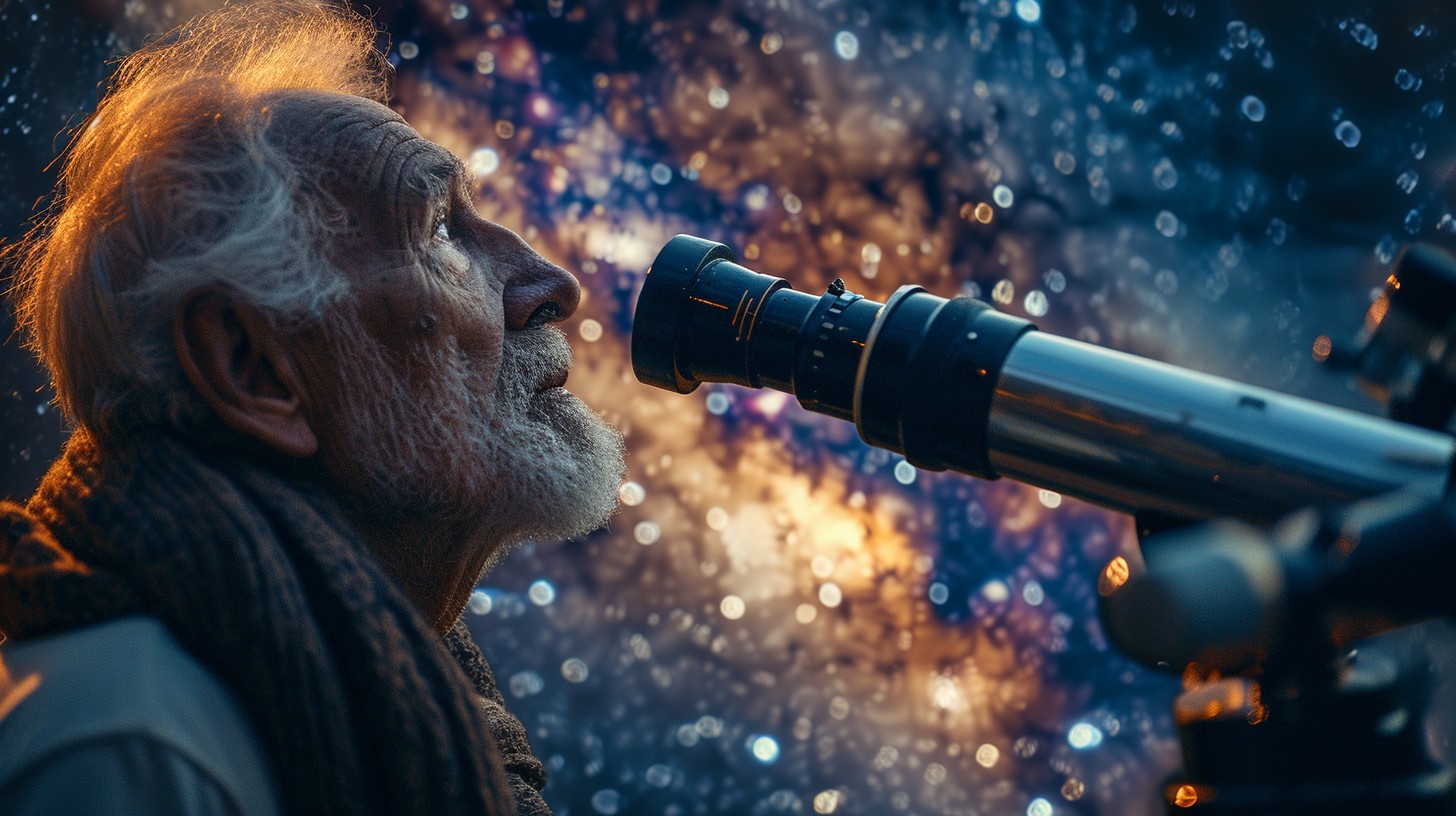
Adam Byron is a professional astronomer and public outreach specialist who founded Stargazing Wonders to bring the mysteries of the universe to a wider audience. Through mobile planetariums, hands-on telescope workshops, and guided sky tours, he provides the technical expertise and equipment necessary for enthusiasts to explore deep-space objects and celestial phenomena with clarity and precision.
The Professional Profile of Adam Byron
Adam Byron has established himself as a leading figure in British astronomical outreach, particularly within the North East of England and the dark-sky corridors of Northumberland. His career is defined by a transition from passionate amateur observation to professional science communication. Unlike academic astronomers who focus primarily on theoretical research or data modeling, Byron’s work is rooted in the practical application of observational astronomy. He specializes in "bridging the gap" between complex astrophysical concepts and the curiosity of the general public.
In 2026, Byron continues to be a pivotal advocate for the International Dark-Sky Association (IDA) standards, frequently consulting on how local light pollution affects the visibility of the Milky Way and other deep-sky objects (DSOs). His expertise is not merely in identifying stars but in the technical operation of diverse optical instruments. From collimating Newtonian reflectors to configuring Go-To motorized mounts, Byron’s technical proficiency ensures that his audiences see the cosmos through optimized equipment. His role often extends into the "Stargazing Wonders" brand, which serves as the primary vehicle for his educational workshops and school-based programs.
The "Stargazing Wonders" philosophy is centered on the "Aha!" moment—that specific instance when a student or hobbyist sees the rings of Saturn or the moons of Jupiter for the first time with their own eyes. Byron’s methodology emphasizes the importance of dark-sky preservation, teaching that the night sky is a heritage site that requires active protection from urban encroachment and poorly designed lighting.
The Stargazing Wonders Project: Mobile Planetariums and Outreach
The cornerstone of Adam Byron’s work is the Stargazing Wonders project, which utilizes a high-specification mobile planetarium. This inflatable dome serves as a portable classroom, allowing Byron to bring the night sky to locations that might otherwise suffer from heavy light pollution or poor weather conditions. By using advanced digital projection systems, he can simulate the night sky from any location on Earth, at any time in history, or even from the perspective of other planets.
The mobile planetarium is a sophisticated tool that employs specialized software—often versions of Stellarium or similar professional-grade simulation engines—to render celestial movements in real-time. This allows Byron to explain the mechanics of the solar system, such as the ecliptic plane, retrograde motion of planets, and the precession of the equinoxes, in a 360-degree immersive environment. For schools, this provides a tactile way to meet curriculum requirements for "Earth and Space" modules without being dependent on the unpredictable British weather.
Beyond the dome, Stargazing Wonders provides "live" telescope evenings. These events are often hosted in collaboration with local tourism boards or dark-sky parks. During these sessions, Byron manages a fleet of telescopes, guiding participants through a curated "tour" of the season’s best targets. This involves more than just pointing a tube at a light; it includes explaining the light-gathering power of the aperture, the exit pupil of the eyepiece, and the light-years of distance the photons have traveled before hitting the observer’s retina.
Technical Specifications and Equipment used by Stargazing Wonders
A significant part of the value provided by Adam Byron is the access to high-end astronomical equipment that most beginners cannot afford or do not yet know how to operate. Byron typically employs a mix of optical designs to demonstrate their different strengths and weaknesses. His workshops often feature large-aperture Dobsonians for light buckets and high-quality refractors for high-contrast planetary viewing.
To help participants understand the differences, Byron categorizes equipment based on its intended use. Understanding focal length, focal ratio (f/number), and the importance of mount stability is a prerequisite for any of his intermediate workshops. He emphasizes that "the best telescope is the one you use most often," steering beginners away from cheap, unstable "department store" telescopes that often discourage new hobbyists.
Comparative Equipment Guide for Outreach Sessions
The following table outlines the common types of equipment Adam Byron utilizes during Stargazing Wonders sessions to provide different views of the cosmos.
| Equipment Type | Optical Design | Best For | Technical Advantage |
|---|---|---|---|
| Dobsonian | Newtonian Reflector | Deep Sky Objects (Nebulae, Galaxies) | Large aperture per dollar; high light-gathering capacity. |
| Apochromatic Refractor | Lens-based (ED Glass) | Planets, Moon, Astrophotography | Superior contrast and sharpness; no central obstruction. |
| Schmidt-Cassegrain (SCT) | Catadioptric (Lens & Mirror) | Versatile; Lunar and Planetary | Compact tube with long focal length; easy to motorize. |
| Binoculars (10x50) | Porro Prism | Wide-field Constellations, Pleiades | Natural two-eyed viewing; extremely portable for scanning. |
| Go-To Mount | Computerized Alt-Az or Eq | Public Events/Quick Tracking | Automatically finds and tracks objects as the Earth rotates. |
Educational Methodology: From Constellations to Cosmology
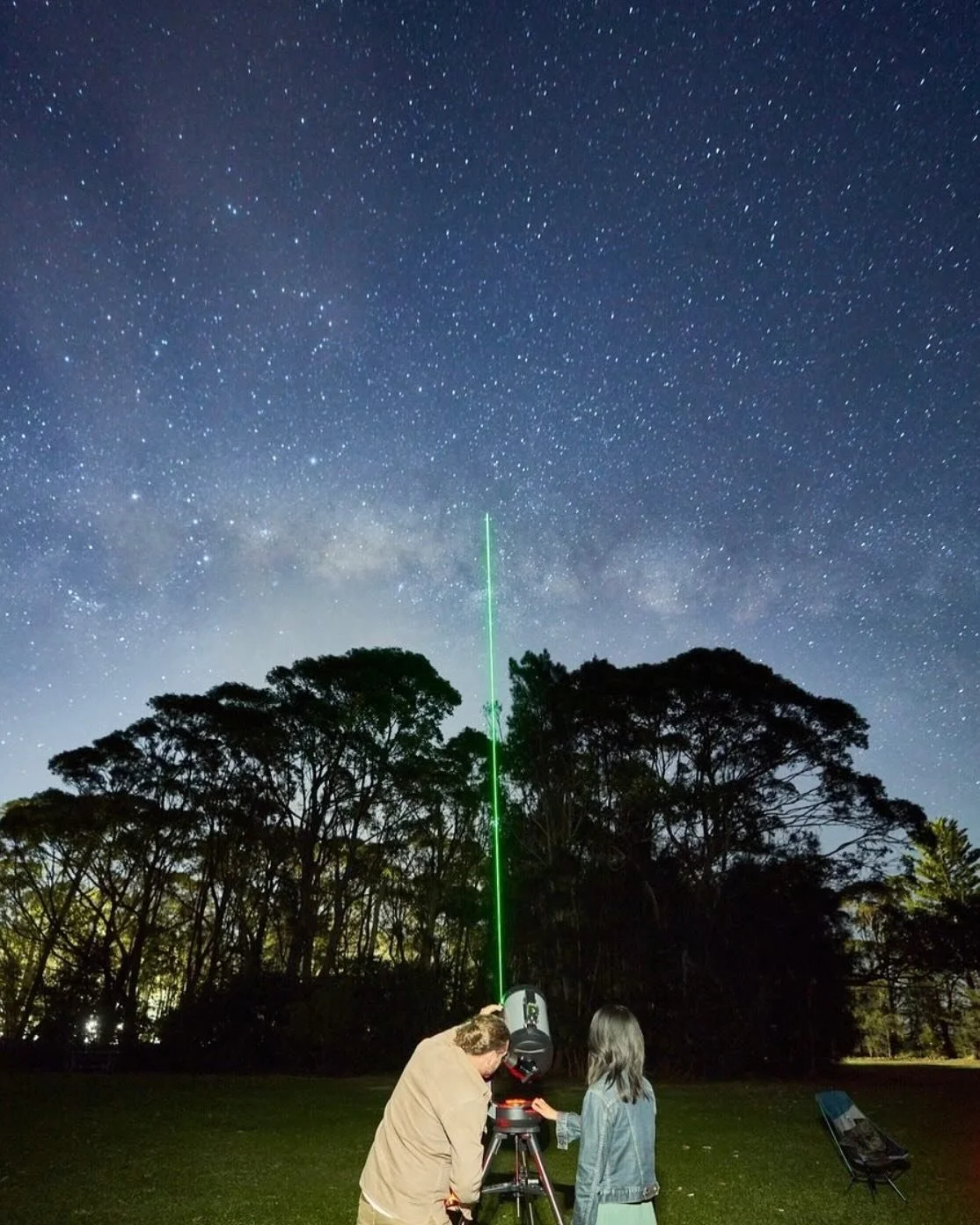
Adam Byron’s educational approach is structured to prevent cognitive overload. He begins with "naked-eye astronomy," teaching participants how to use "pointer stars" to find their way around the celestial sphere. For example, using the "Pointers" in the Big Dipper (Ursa Major) to locate Polaris, the North Star. This foundational knowledge ensures that even after the telescope is packed away, the participant retains the skill to navigate the sky.
As the session progresses, Byron moves into the "physics of the wonders." When observing the Orion Nebula (M42), he doesn't just show a fuzzy grey cloud; he explains the process of star formation within molecular clouds and the role of ultraviolet radiation from the "Trapezium" cluster in ionizing the surrounding gas. This depth of information transforms a visual observation into a comprehensive learning experience.
In his 2026 curriculum, Byron has integrated more discussion on "Multi-Messenger Astronomy," explaining how modern scientists use not just light, but gravity waves and neutrinos to understand the universe. While the telescopes at a Stargazing Wonders event see visible light, Byron’s commentary fills in the gaps regarding what the James Webb Space Telescope (JWST) sees in the infrared or what X-ray observatories see in high-energy environments.
Dark Sky Advocacy and Environmental Impact
Adam Byron is a vocal proponent of the "Right to Light" movement—or more accurately, the right to darkness. He frequently works in the Northumberland International Dark Sky Park, which is one of the largest areas of protected night sky in Europe. His sessions often include a technical segment on light pollution, where he demonstrates the "Bortle Scale." This scale ranges from 1 (excellent dark-sky site) to 9 (inner-city sky), and Byron uses it to explain why many urban residents can only see a handful of stars compared to the thousands visible from a rural site.
Byron advocates for specific lighting solutions that can mitigate the loss of the night sky, such as:
- Fully Shielded Fixtures: Ensuring light is directed downward where it is needed, rather than upward into the atmosphere.
- Color Temperature Control: Encouraging the use of "warm" LEDs (3000K or less) which scatter less in the atmosphere compared to "cool" blue-rich white light.
- Motion Sensors and Dimming: Reducing the total amount of light emitted during late-night hours.
By educating the public on these issues, Byron’s Stargazing Wonders serves as an environmental advocacy group as much as a hobbyist club. He argues that losing the stars is not just a loss for astronomers, but a loss for human culture, navigation, and the circadian rhythms of local wildlife.
Preparing for a Session with Adam Byron: Practical Guidance
For those attending a Stargazing Wonders event in 2026, preparation is key to a successful experience. Astronomical observation is a sedentary activity performed in the coldest parts of the day, and Byron emphasizes physical comfort as a prerequisite for mental engagement.
- Dress for 10 Degrees C Colder: Standing still in a field at night feels significantly colder than walking in the same temperature. Byron recommends multiple layers, including thermal base layers and wind-resistant outer shells.
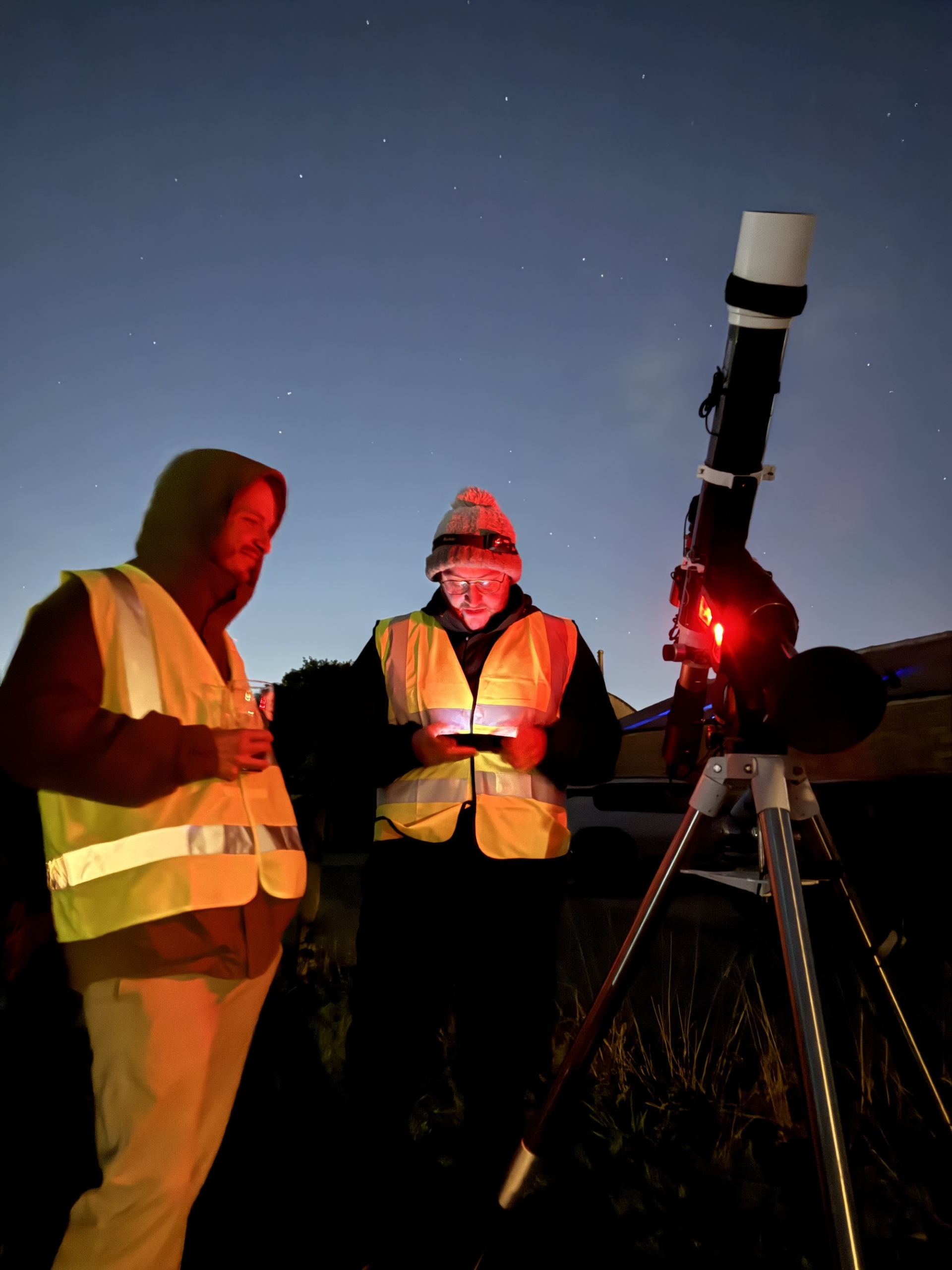
- Avert Your Eyes (and Use Red Light): It takes about 20 to 30 minutes for the human eye to fully "dark adapt" by producing rhodopsin. Any flash of white light from a phone or torch resets this process instantly. Byron insists on the use of red-light torches, which do not disrupt night vision.
- Manage Expectations: Newcomers often expect the vibrant colors seen in NASA photos. Byron explains that human eyes are not sensitive enough to see color in dim light (the "Purkinje effect"); instead, we see deep-sky objects in shades of silver and grey, though the detail remains breathtaking.
- Check the Clear Sky Chart: Before traveling, Byron encourages participants to check specific astronomical forecasts like "Clear Outside" or "Meteoblue," which track "seeing" (atmospheric stability) and "transparency" (clarity) rather than just "cloud cover."
Frequently Asked Questions
What exactly is the "Mobile Planetarium" used by Adam Byron?
The mobile planetarium is a large, inflatable, light-proof dome that uses a high-resolution digital projector and a hemispherical mirror or fisheye lens to display the night sky. It is designed to be set up in school halls or community centers, providing a 360-degree "virtual reality" experience of the cosmos for up to 30-40 people at a time, regardless of external weather conditions.
Does Adam Byron provide equipment, or should I bring my own?
Byron provides all necessary professional-grade telescopes and eyepieces during his Stargazing Wonders events. However, he also offers "Telescope Tuition" sessions where participants can bring their own equipment to learn how to set it up, align the finderscope, and use setting circles or computer systems effectively.
Where are the Stargazing Wonders events typically held?
While Byron is based in the North East of England, his mobile planetarium travels across the UK for school visits and festivals. His live observing sessions are most frequently held in "Dark Sky" designated areas like the Northumberland National Park, Kielder Forest, or the North Pennines AONB, where light pollution is at its lowest.
Can children participate in these astronomy sessions?
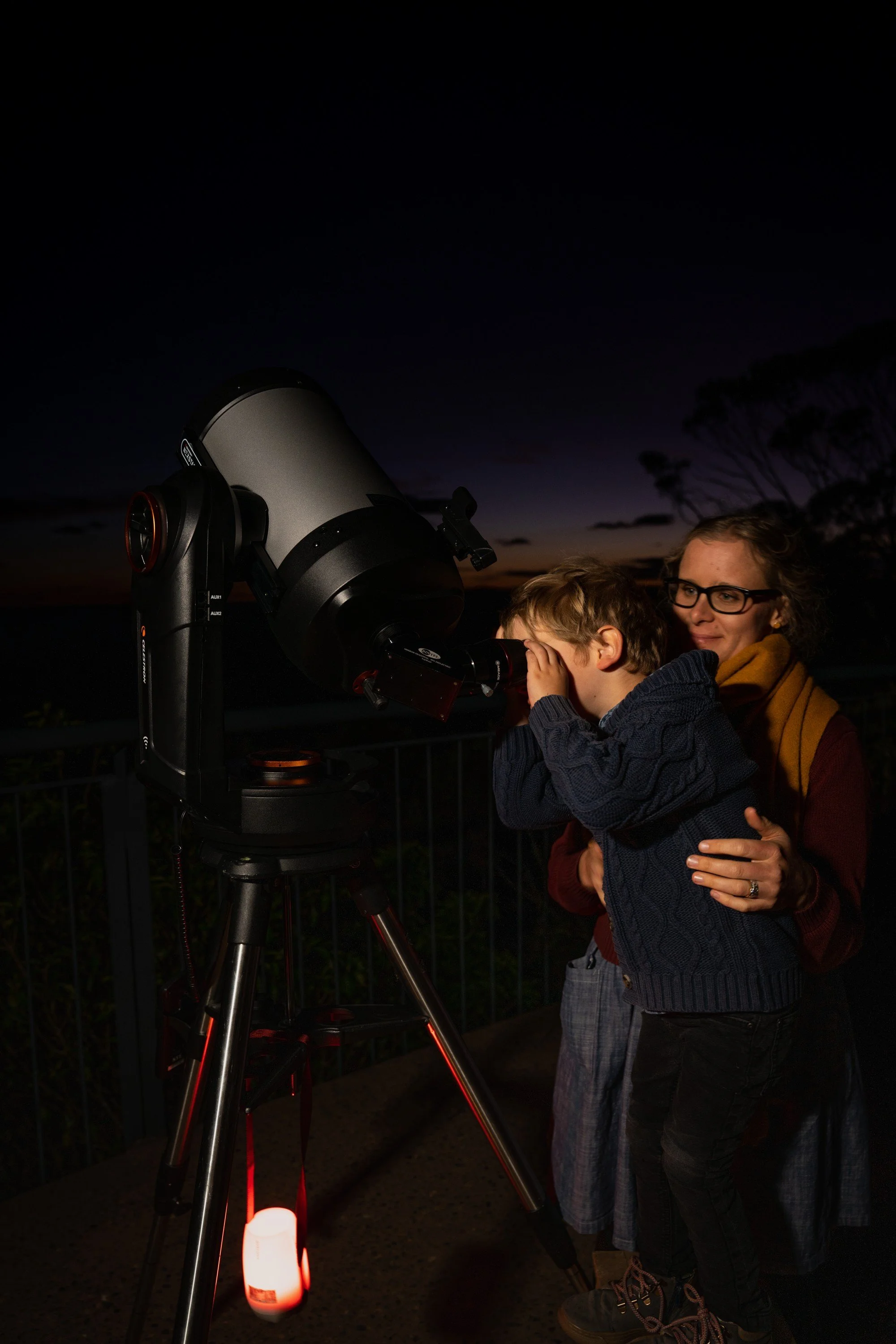
Yes, Adam Byron has specifically tailored programs for different age groups. His school sessions are aligned with the UK National Curriculum, while his public "Wonder" evenings are family-friendly. He uses specialized steps and stools to ensure younger children can reach the eyepieces of larger telescopes safely.
How do I stay updated on the 2026 stargazing calendar?
Byron typically releases a seasonal calendar based on astronomical "windows"—the periods around the New Moon when the sky is darkest. These are usually published through the official Stargazing Wonders portal and social media channels. It is recommended to book in advance for celestial events like meteor showers or planetary oppositions.
Final Recommendation for Aspiring Astronomers
If you are looking to deepen your understanding of the universe, the most effective next step is to attend a guided observation session or a technical workshop with an experienced practitioner like Adam Byron. Reading about the stars provides the theory, but seeing a 2.5-million-light-year-old photon from the Andromeda Galaxy hit your own eye is a transformative experience that no textbook can replicate.
For those in the North of England, visiting the Northumberland Dark Sky Park during a New Moon phase is the gold standard. To maximize your learning, start by mastering the "Big Dipper" and "Cassiopeia" as your celestial anchors. If you are considering purchasing equipment, wait until after you have attended a Stargazing Wonders workshop so you can "test drive" different telescope types and determine which optical design best suits your specific backyard conditions and interests.