The Americans with Disabilities Act (ADA) provides specific federal protections for individuals with disabilities who utilize trained service dogs. Under these regulations, service dogs are permitted to accompany their handlers in nearly all areas of public accommodation where the general public is allowed to go. This legal framework ensures that individuals with disabilities have equal access to businesses, government services, and public facilities.
Defining Service Animals Under the ADA
To understand access rights, one must first distinguish between service animals and other types of animals. According to the U.S. Department of Justice (DOJ), a service animal is defined exclusively as a dog that is individually trained to do work or perform tasks for the benefit of an individual with a disability, including a physical, sensory, psychiatric, intellectual, or other mental disability.
This definition is strictly limited to dogs. Other species, whether wild or domestic, do not qualify as service animals under the ADA. Furthermore, the tasks performed by the dog must be directly related to the person's disability. Common examples include guiding individuals with impaired vision, alerting those with hearing loss to sounds, pulling a wheelchair, alerting a person to an oncoming seizure, or calming a person with Post-Traumatic Stress Disorder (PTSD) during an anxiety attack. Crucially, providing emotional support, therapy, comfort, or companionship does not constitute "work or tasks" under the ADA; therefore, emotional support animals (ESAs) are not afforded the same access rights as trained service dogs.
Where Service Dogs Are Permitted
The ADA mandates that state and local government agencies, non-profit organizations, and private businesses that serve the public—collectively referred to as "public accommodations"—must allow service dogs to accompany people with disabilities in all areas where members of the public are allowed to go.
This access is comprehensive. It includes restaurants, hotels, retail stores, museums, movie theaters, and public transportation. Even if a business has a "no pets" policy, it must make a reasonable modification to that policy to accommodate a service dog. Access extends to areas where food is sold or served, despite health codes that generally prohibit animals in those spaces. The only areas where service dogs may be restricted are those that pose a legitimate safety risk, such as the sterile environment of an operating room or certain industrial facilities where the presence of a dog would compromise a sterile or dangerous process.
Verification and Inquiry Limits
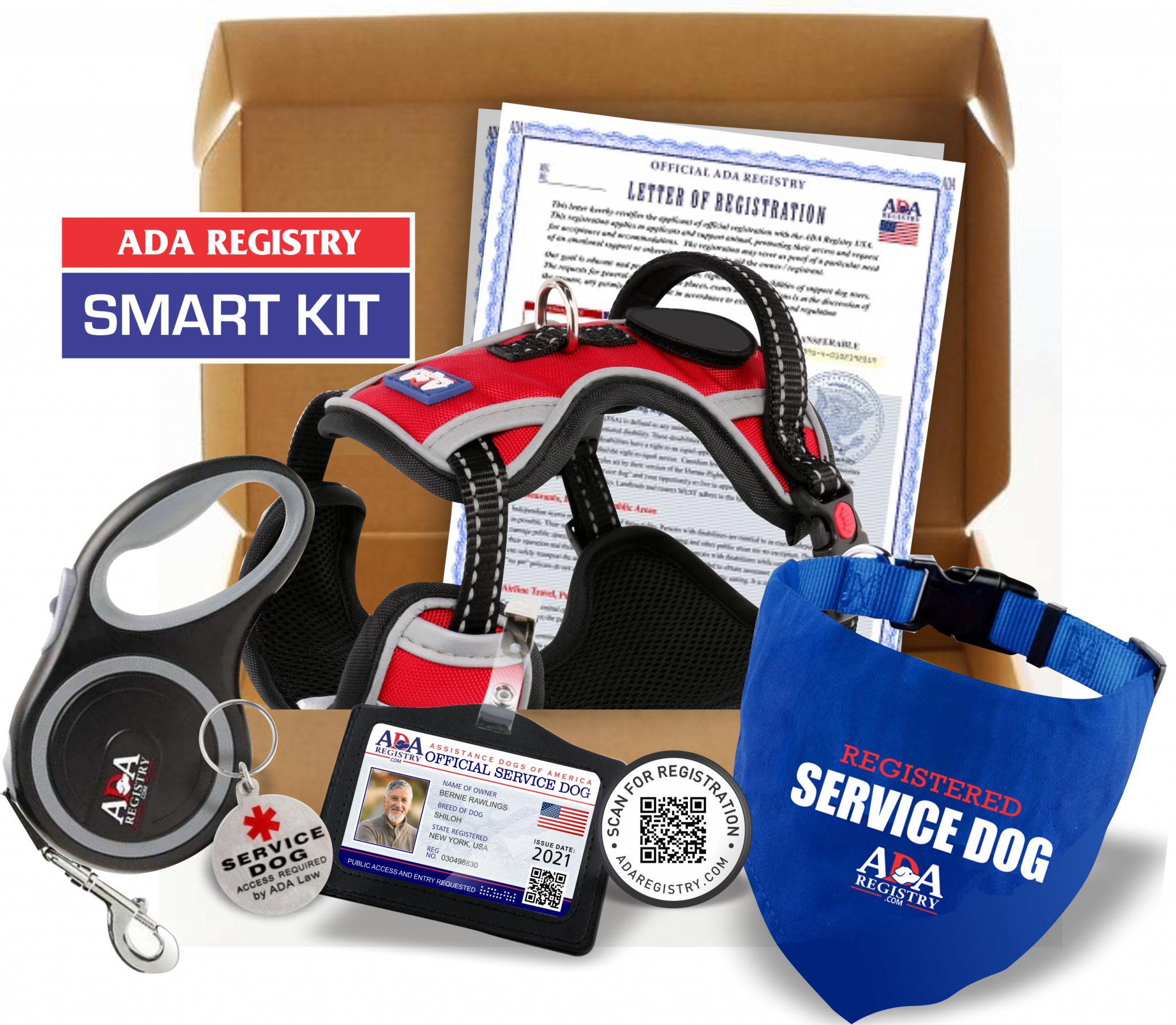
Business owners and employees often inquire about the documentation required to prove an animal is a service dog. Under the ADA, there is no federal requirement for documentation, registration, or specific certification of a service dog. Businesses cannot demand to see a "service dog ID," registration papers, or a certification letter, as these documents hold no legal weight under the ADA.
When it is not obvious what service an animal provides, staff are only permitted to ask two specific questions:
- Is the dog a service animal required because of a disability?
- What work or task has the dog been trained to perform?
Staff may not ask about the nature of the individual’s disability, require the dog to demonstrate its task, or request medical documentation. If the handler provides these two answers, the business must grant entry.
Expectations of Handler Conduct and Control
While service dog access is protected, the privilege is contingent upon the dog’s behavior. A service dog must be under the control of its handler at all times. This typically means the dog is harnessed, leashed, or tethered, unless these devices interfere with the service animal's work or the individual's disability prevents the use of these devices. In such cases, the handler must maintain control through voice, signal, or other effective means.
If a service dog is out of control and the handler does not take effective action to control it, or if the dog is not housebroken, staff may ask that the animal be removed from the premises. However, even if a dog is excluded due to behavior, the individual with the disability must still be offered the opportunity to obtain goods or services without the animal present.
Comparison of Animal Classifications
The legal distinction between animal types determines the scope of access and the responsibilities of both the owner and the establishment.
| Animal Type | ADA Public Access | Training Requirement | Protected Task |
|---|---|---|---|
| Service Dog | Full access to public areas | Required (work/tasks) | Yes (disability-specific) |
| Emotional Support Animal | No federal public access | Not required | No (comfort only) |
| Therapy Animal | No federal public access | Varies | No (for others) |
| Pet | No federal access | None | N/A |
Addressing Challenges and Troubleshooting Access
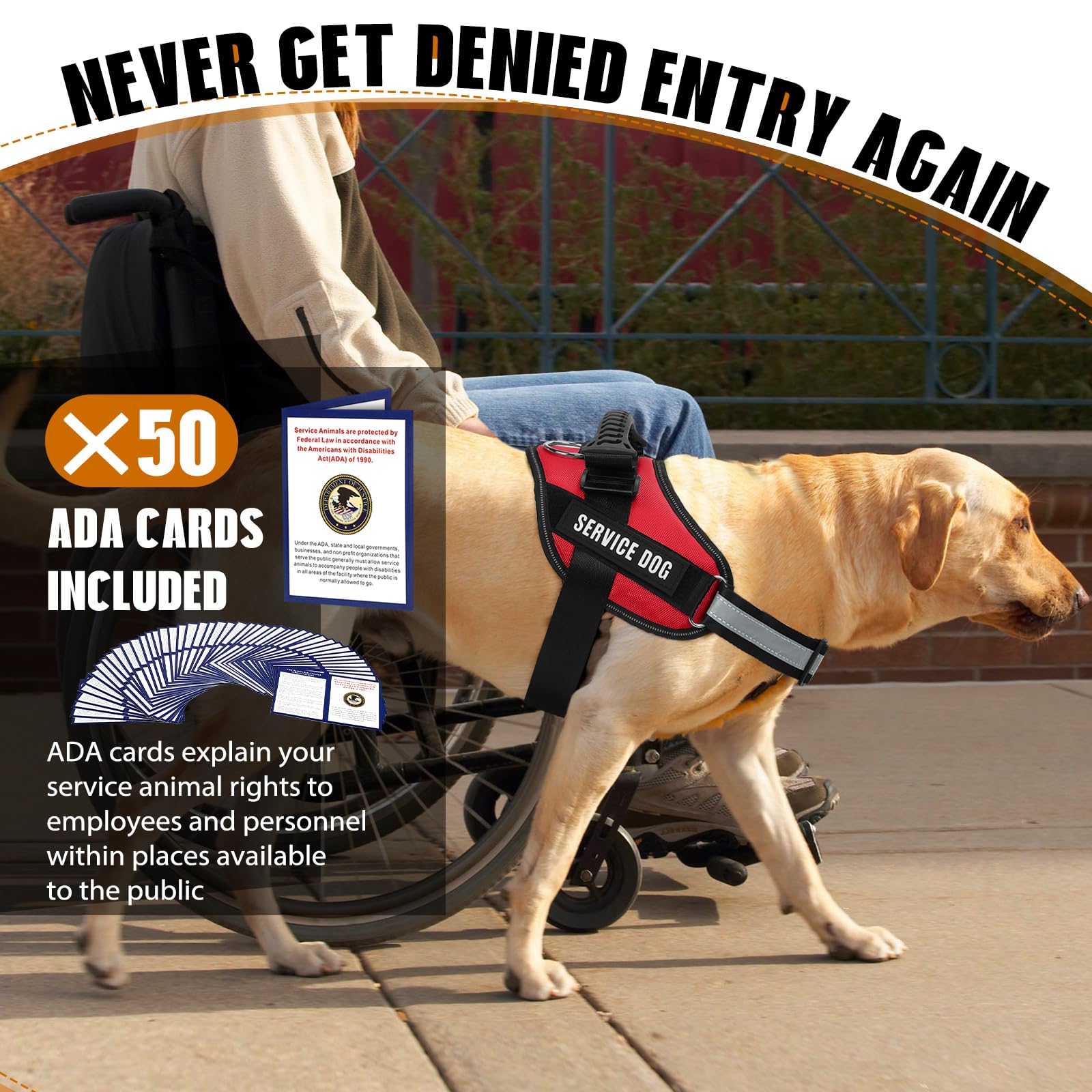
Despite clear federal guidelines, misunderstandings regarding ADA service dog access persist. If an individual is denied access, they should remain calm and professionally explain their rights under the ADA. Providing a printed copy of the ADA’s "Frequently Asked Questions about Service Animals and the ADA" can often resolve misunderstandings on the spot without the need for escalation.
If a business owner remains recalcitrant, documentation of the incident—including the name of the business, the time, the names of employees involved, and the specific reasons provided for the denial—is vital for future action. Individuals may file a complaint with the U.S. Department of Justice or seek legal counsel if they believe their civil rights have been violated. It is important to remember that state and local laws may provide broader protections, though they cannot reduce the protections guaranteed by the federal ADA.
Frequently Asked Questions
Can a business owner charge a cleaning fee for a service dog?
No. Businesses cannot charge a surcharge or a pet fee for a service dog, even if they require such fees for pets. However, if the service dog causes damage to the property, the owner can be charged for the repairs, provided the business normally charges non-disabled individuals for similar damage.
Must a service dog wear a vest or harness?
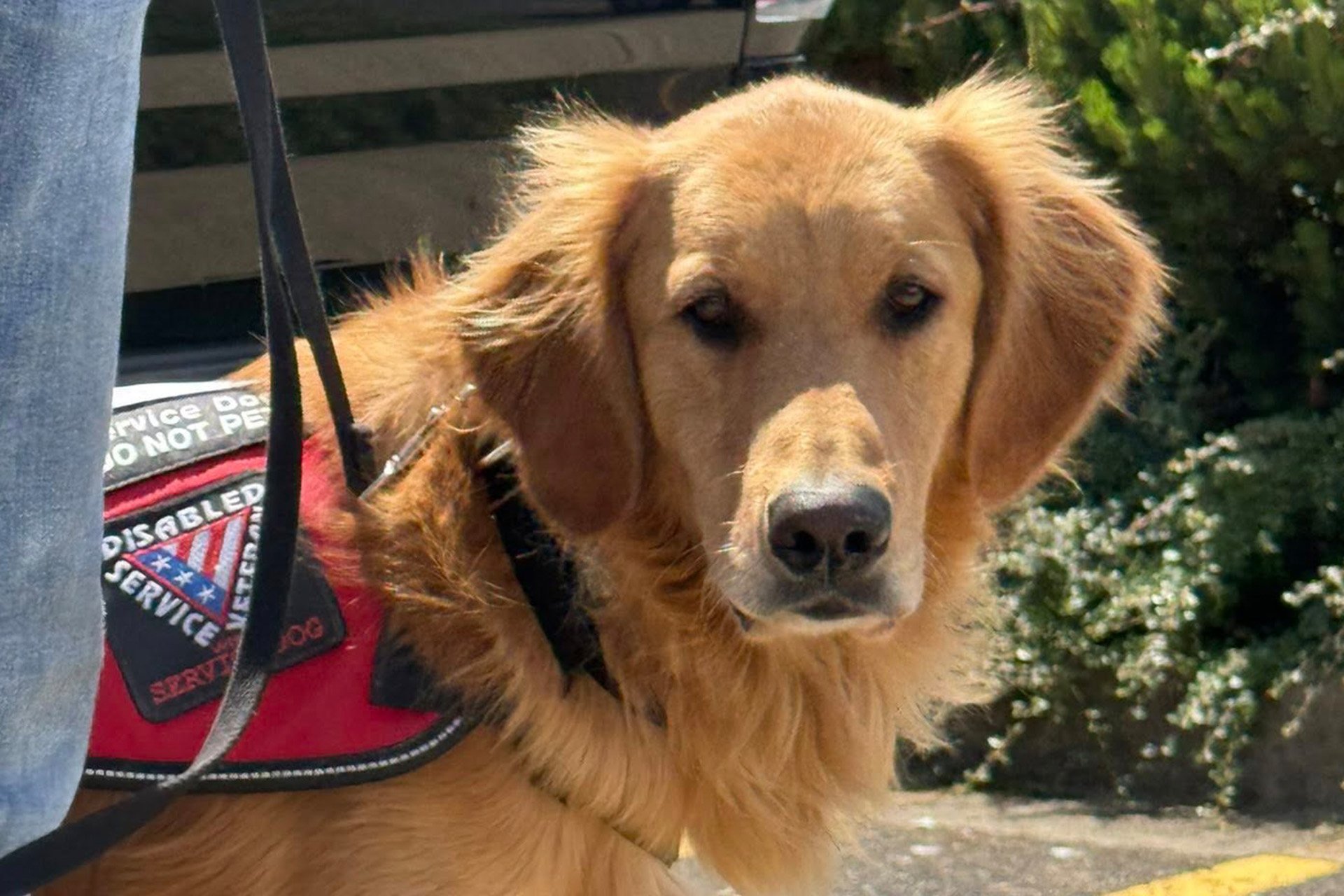
No. There is no ADA requirement for a service dog to wear a vest, harness, or special identification tags. While many handlers choose to use them to signal that the dog is working, they are not legally required for access.
Does the ADA apply to housing?
No. The ADA covers public accommodations. Access to housing is generally governed by the Fair Housing Act (FHA), which has different rules. Under the FHA, "assistance animals" (which include both service dogs and emotional support animals) may be permitted in housing that otherwise prohibits pets, provided the tenant has a disability-related need for the animal.
Can a landlord refuse a service dog because of breed restrictions?
Under the FHA, landlords must provide reasonable accommodations for assistance animals, which often overrides breed or weight restrictions. However, this is specific to housing law; in public accommodations covered by the ADA, a business cannot exclude a dog solely based on its breed.
What should I do if another patron is afraid of or allergic to my dog?
Allergies and fear of dogs are not valid reasons for denying access to a service dog. If a person is allergic to dog dander, both the individual with the disability and the individual with the allergy should be accommodated by assigning them different locations within the facility, if possible.
Next Actions for Individuals with Service Dogs
To ensure a smooth experience, maintain a digital or physical copy of the Department of Justice’s ADA guidance on your mobile device. If you encounter a business that is unfamiliar with the law, politely inform them that your dog is a task-trained service animal protected under the ADA and that federal law does not require registration or documentation. For complex or repeat denials, document the interactions and contact a local disability rights organization or the DOJ Civil Rights Division to report the violation.