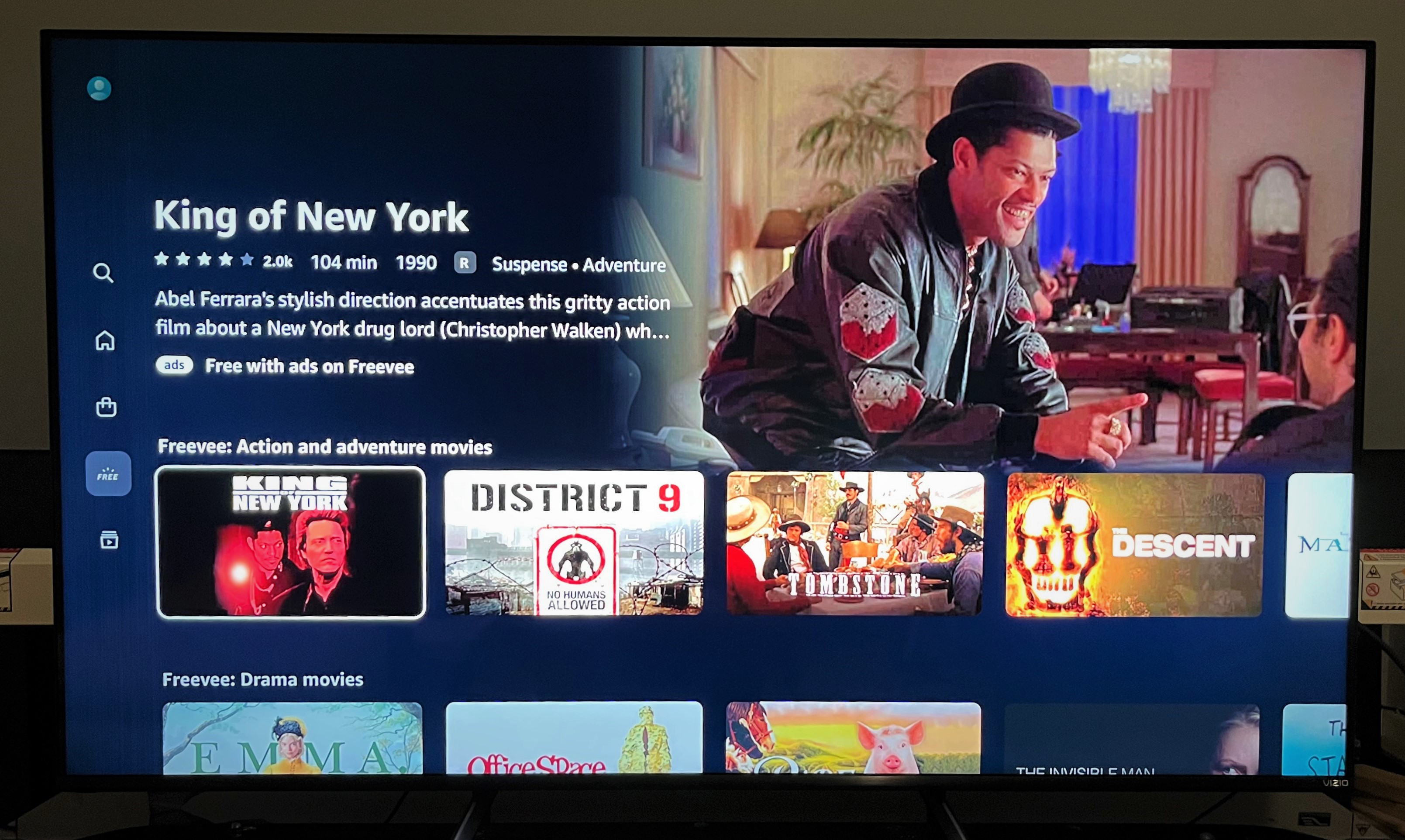
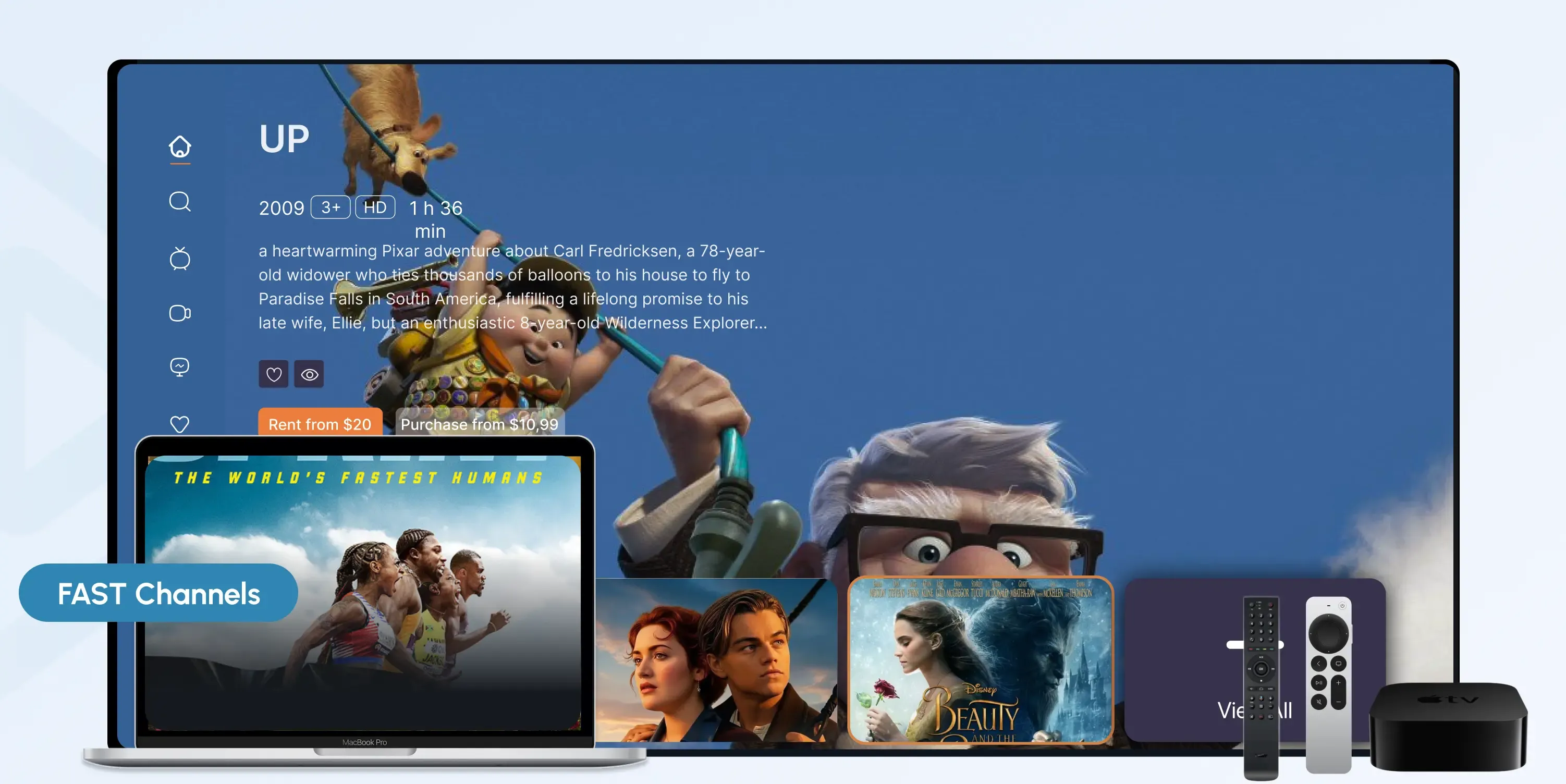
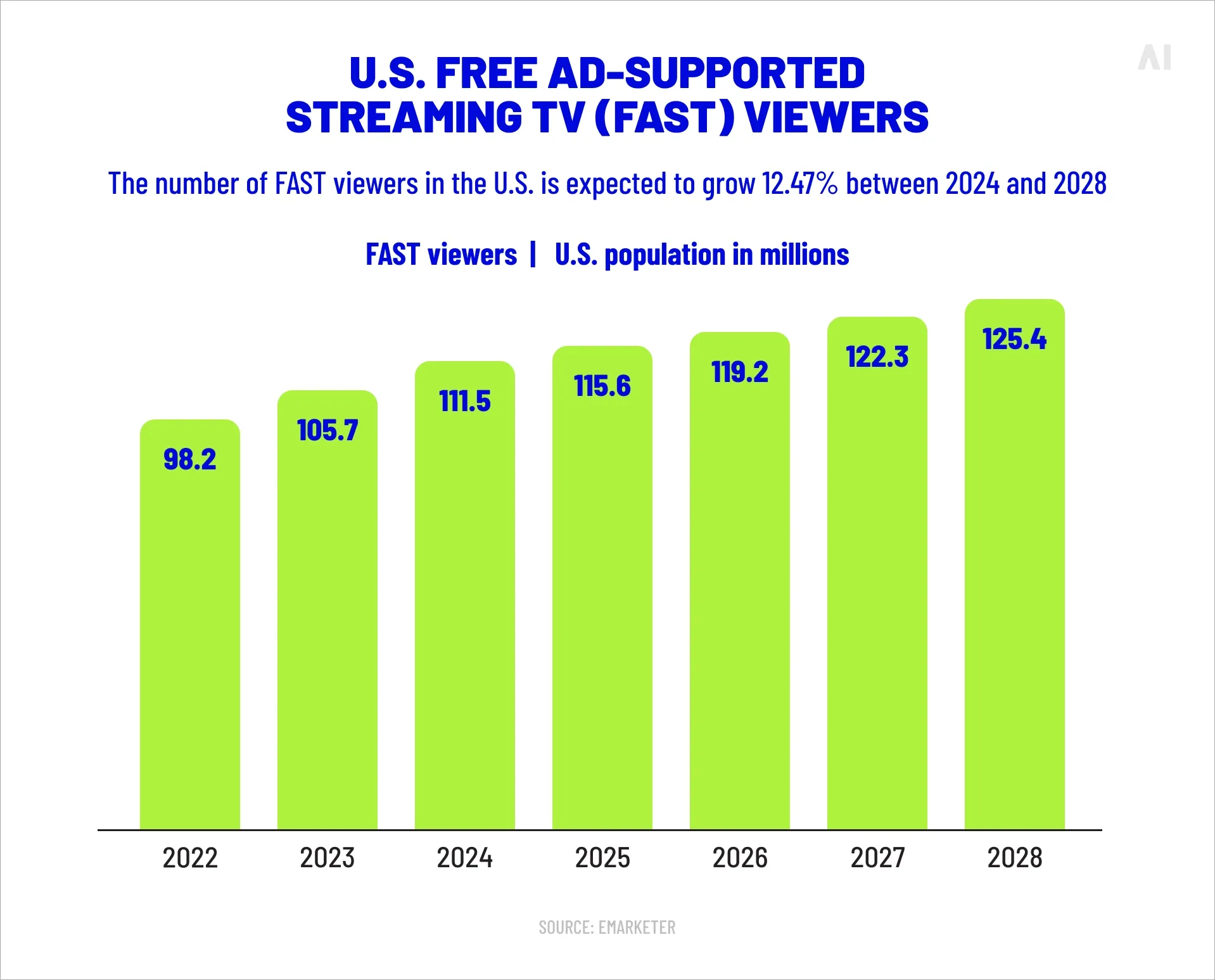
Ad supported streaming refers to video-on-demand or live broadcast services that offer free or discounted access to content in exchange for the user viewing inserted commercial advertisements. By integrating digital ad-insertion technology, these platforms monetize viewer engagement through targeted commercials, shifting the traditional subscription-heavy landscape toward a hybrid model that balances accessibility with revenue generation.
The Evolution of Ad Supported Models
The transition toward ad supported streaming represents a pivotal shift in the media industry’s business model. Historically, streaming platforms relied heavily on the Subscription Video-on-Demand (SVOD) model, where consumers paid a recurring monthly fee for ad-free, unlimited access. However, as the market reached saturation by the mid-2020s, service providers sought to capture price-sensitive segments and maximize reach.
This led to the rise of Advertising-Based Video-on-Demand (AVOD) and Free Ad-Supported Streaming Television (FAST). Unlike legacy linear television, these digital platforms utilize programmatic advertising—automated systems that match specific ads to viewer demographics and content genres in real-time. This technological backbone allows providers to lower barriers to entry, often making the services free to access while ensuring they remain profitable through continuous commercial breaks.
Key Differences Between Subscription and Ad Supported Tiers
When choosing a streaming service, it is essential to understand the functional differences between premium ad-free tiers and their ad supported counterparts. While the core library of content—such as movies, television series, or documentaries—is frequently identical, the user experience differs significantly in terms of cost, interruption frequency, and technical limitations.
In 2026, many major providers have standardized their offerings by maintaining a baseline ad supported tier. Subscribers who opt for these plans usually pay a reduced monthly rate compared to those who pay a premium to bypass commercials. It is important to note that "ad supported" does not always equate to "free"; it is a spectrum ranging from entirely free services supported by high ad loads to hybrid paid services that charge a subscription fee while still requiring the viewer to watch advertisements.
Comparison of Streaming Service Models
| Feature | FAST (Free Ad-Supported) | Hybrid SVOD (Paid w/ Ads) | Premium SVOD (Ad-Free) |
|---|---|---|---|
| Monthly Cost | $0.00 | Reduced Monthly Fee | Standard Premium Fee |
| Ad Frequency | High | Moderate | None |
| Content Access | Limited/Curated | Full Library | Full Library |
| Offline Viewing | Generally Unavailable | Limited/Restricted | Supported |
| Primary Revenue | Ad Sales Only | Subscription + Ads | Subscription Only |
Technical Requirements for Optimal Streaming
To access ad supported streaming services effectively, you must ensure your hardware and network infrastructure are properly configured. Because these platforms rely on real-time data packets to load video content and ad segments simultaneously, a stable, high-speed internet connection is the primary prerequisite.
For high-definition (HD) streaming, a sustained download speed of at least 5 Mbps is generally required, while 4K streaming demands upwards of 25 Mbps. Inconsistent connections can lead to "buffering," where the video stream halts to catch up. Notably, in some ad supported environments, a weak connection may cause the player to fail when transitioning from content to an advertisement, leading to app crashes or persistent "error loading media" prompts.
Additionally, most streaming services have moved to modern device-specific applications. While web browsers are supported, dedicated apps on smart TVs, streaming media players (such as Roku, Apple TV, or Fire TV), and mobile devices offer the most stable playback environment. Ensure your device firmware is updated to the latest version, as older operating systems may lose compatibility with the security protocols used by ad-tracking and content delivery networks (CDNs).
Privacy and Data Tracking in Advertising
A fundamental component of ad supported streaming is the collection of user data to facilitate targeted advertising. Unlike traditional broadcast TV, which serves the same commercial to every household, ad supported streaming utilizes first-party data—information you provide upon sign-up—and third-party analytics to serve personalized commercials.
This process involves trackers that log your viewing history, device ID, and IP address. While this provides a more tailored advertising experience, it also raises privacy concerns. Users who wish to mitigate this tracking can often adjust their "Privacy Settings" or "Ad Personalization" options within the streaming application's account management portal. However, choosing to opt out of personalized tracking does not typically reduce the number of ads shown; it merely renders the advertisements served less relevant to your specific interests and demographic profile.
Managing Ad Loads and Viewing Preferences
Managing the frequency and nature of commercials is the primary challenge for the modern viewer. Many ad supported services implement "frequency capping," a technical limit that prevents the same commercial from playing repeatedly in a short period. Nevertheless, technical issues can occasionally cause a loop of the same advertisement, which is a common source of user frustration.
To maintain a positive experience, consider the following strategies:
- Connectivity Checks: If you experience frequent interruptions, restart your router to clear cache memory, which can improve handshake speeds between your device and the ad server.
- Notification Management: Some platforms allow you to set preferences on the types of ads you prefer to see, which can improve the quality of your viewing experience.
- Service Rotation: Because many FAST services offer similar libraries, users often rotate between different apps to find content that has shorter or less intrusive ad breaks, based on current service provider agreements.
Common Troubleshooting Steps
When ad supported streaming fails, the problem usually stems from one of three areas: the application software, the network configuration, or the ad-server connection. If you find yourself stuck, follow these steps:
- Clear Application Cache: On many smart TVs, navigating to the system settings and "Clearing Cache" for the specific streaming app can resolve playback errors.
- Disable Ad Blockers: If you are streaming via a web browser on a desktop or laptop, browser-based ad blockers may conflict with the streaming player's code, causing the stream to freeze entirely. Temporarily disabling these for the site is often necessary.
- Verify Date and Time Settings: Many streaming services rely on accurate system time for security tokens. If your device's time is set manually and is incorrect, the stream may fail to authenticate.
- Router Power Cycle: Unplug your router for 30 seconds to force a new connection to your Internet Service Provider (ISP), which can resolve DNS-related issues preventing ad delivery.
Frequently Asked Questions
Does ad supported streaming affect video quality?
Generally, no. Most platforms offer the same resolution (up to 4K) on both ad supported and ad-free tiers. However, if your network speed is marginal, the added bandwidth required to load high-resolution ads alongside video content may cause the system to automatically downscale the video quality to prevent buffering.
Can I skip ads on ad supported services?
In most cases, the commercials in ad supported streaming are "unskippable." Because these services are subsidized by advertising revenue, the viewing of the commercial is the mandatory exchange for the content access. Some platforms may offer limited "skip" features after a set duration, but this is at the discretion of the service provider.
Is ad supported streaming legal?
Yes, all major ad supported streaming services are legal, authorized platforms that have licensing agreements with content owners. These services operate within established copyright laws, and the ad-insertion technology is a standard feature of modern digital content distribution.
Will ad supported streaming replace traditional subscriptions?
It is unlikely to fully replace subscriptions. Instead, the industry has shifted toward a "hybrid" model. Providers recognize that different segments of the market have different tolerances for cost versus commercial interruptions, leading to a diversified ecosystem where both models coexist to maximize market share.
Why do I see the same ad repeatedly?
This is typically a result of a narrow advertising campaign where a specific brand has purchased a high volume of impressions for a limited audience. While "frequency capping" is designed to prevent this, technical glitches or a lack of variety in the available ad pool can cause repeat views.
Next Steps for Viewers
If you are currently evaluating which streaming model is right for your household, start by auditing your monthly entertainment budget. If you find yourself paying for multiple premium services that you use infrequently, switching to the ad supported tier of those services can provide significant annual savings without sacrificing access to your favorite shows. Conversely, for high-traffic platforms that you utilize daily, the premium ad-free experience remains the most efficient choice for long-term satisfaction. Always review the specific terms of service for each platform in 2026, as ad-insertion policies and monthly pricing tiers are subject to change based on regional market performance and provider content licensing cycles.