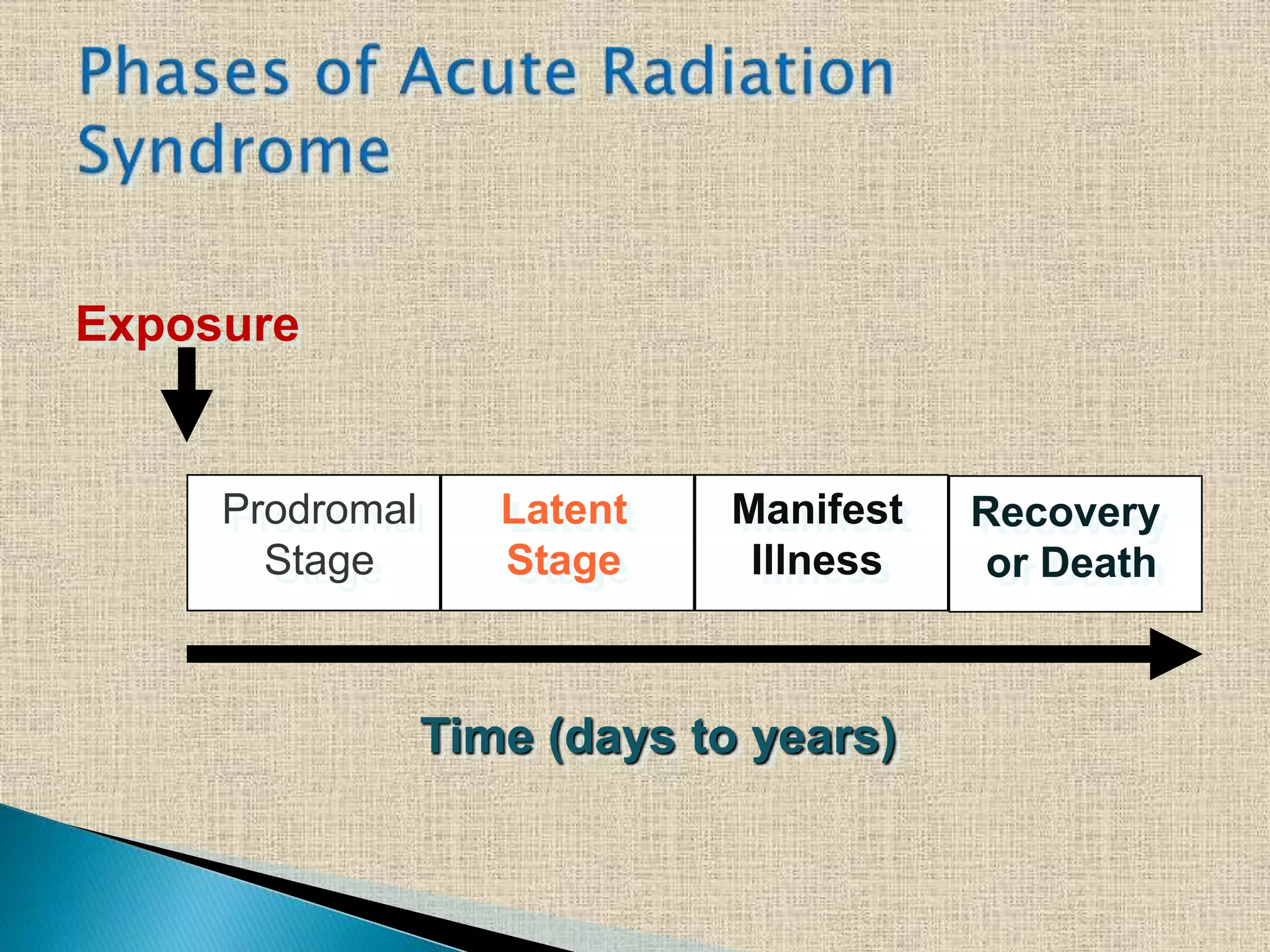
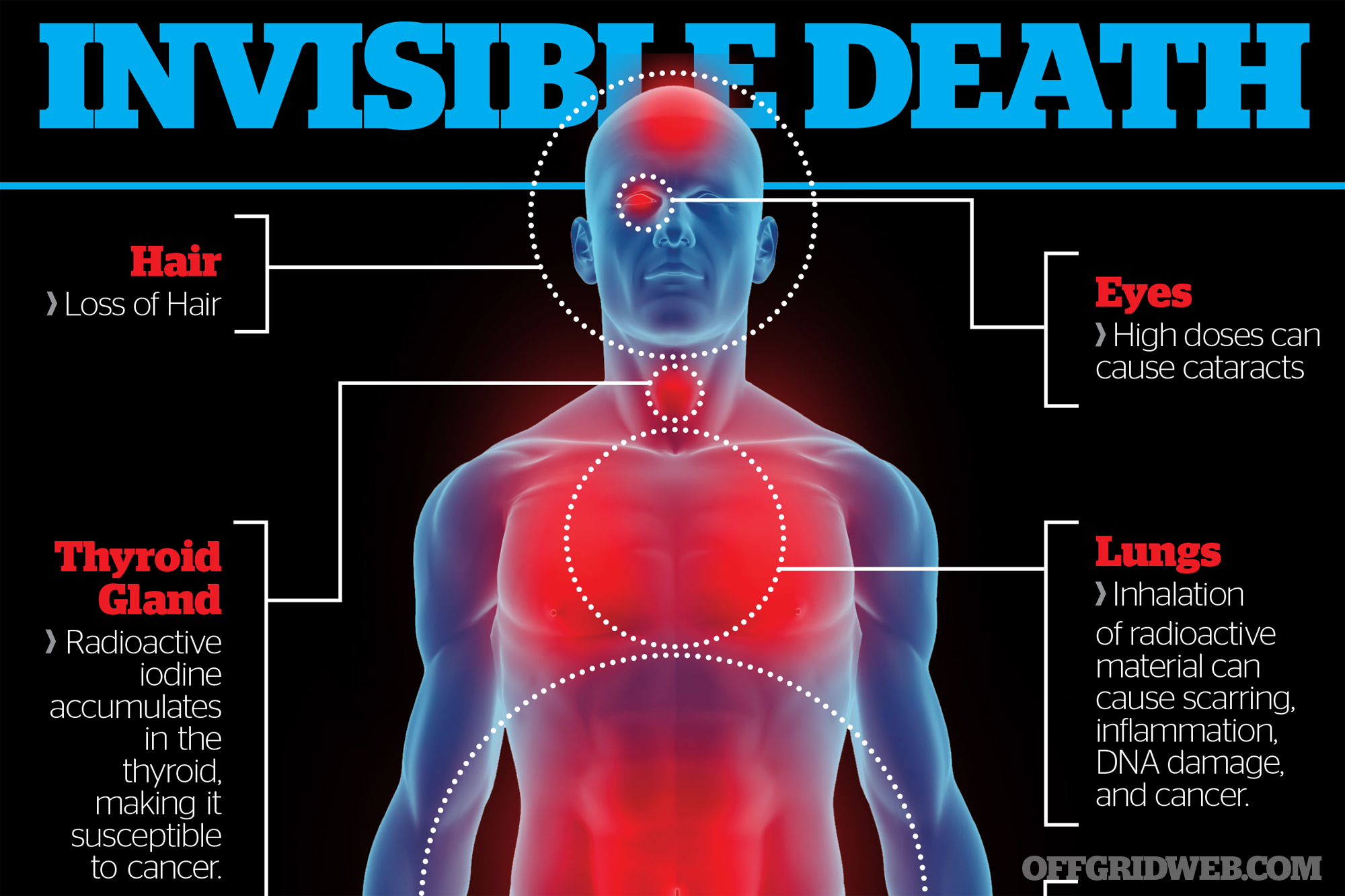
Acute radiation syndrome (ARS), historically known as radiation sickness, is a serious illness caused by high-dose, short-term exposure of the entire body—or a significant portion of it—to penetrating ionizing radiation. It occurs when a large dose of radiation (typically exceeding 1 gray or 100 rads) is delivered to the body in a matter of minutes. The condition progresses through distinct clinical phases—prodromal, latent, manifest, and recovery or death—and requires specialized medical intervention focused on hematopoietic support, infection control, and fluid management.
The Nature and Mechanism of Acute Radiation Syndrome
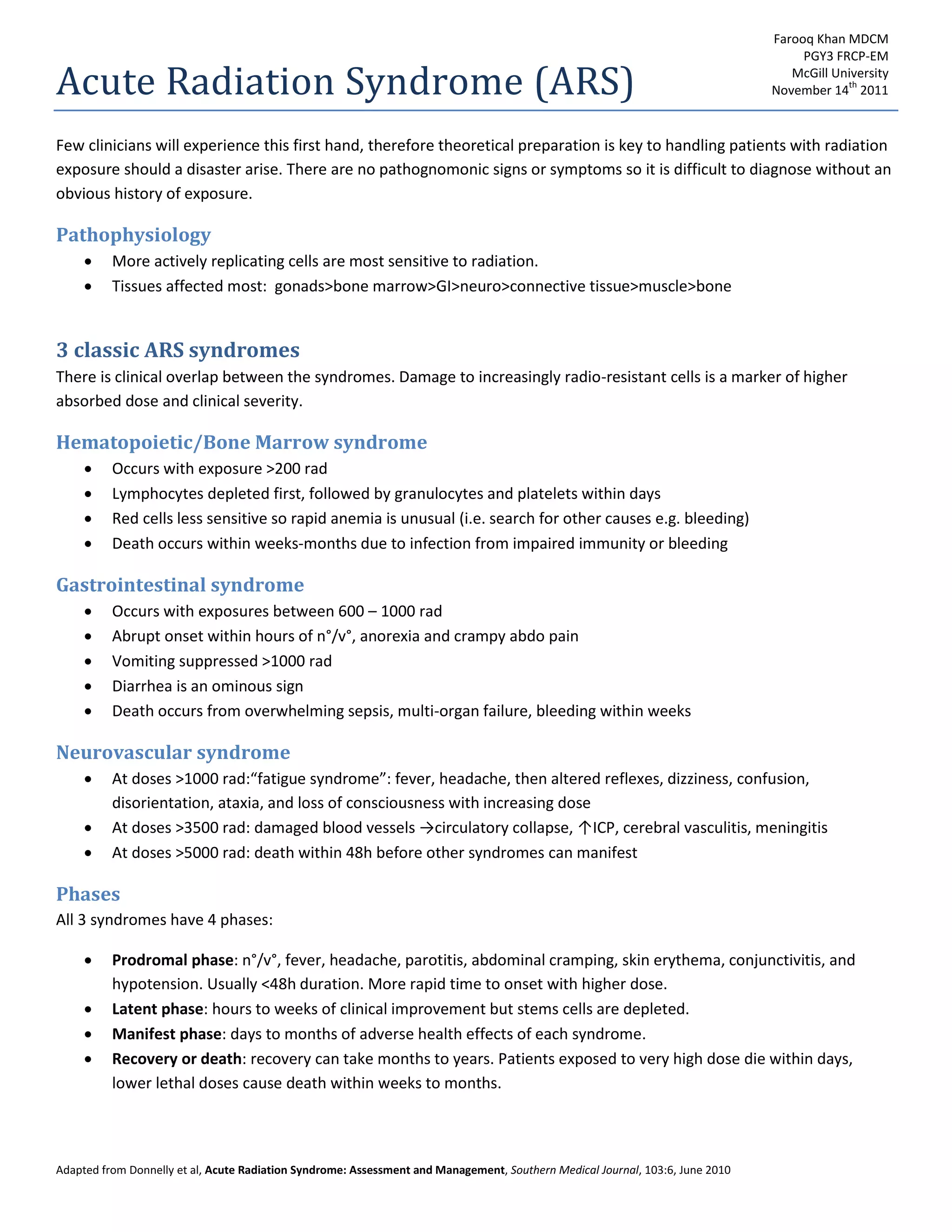
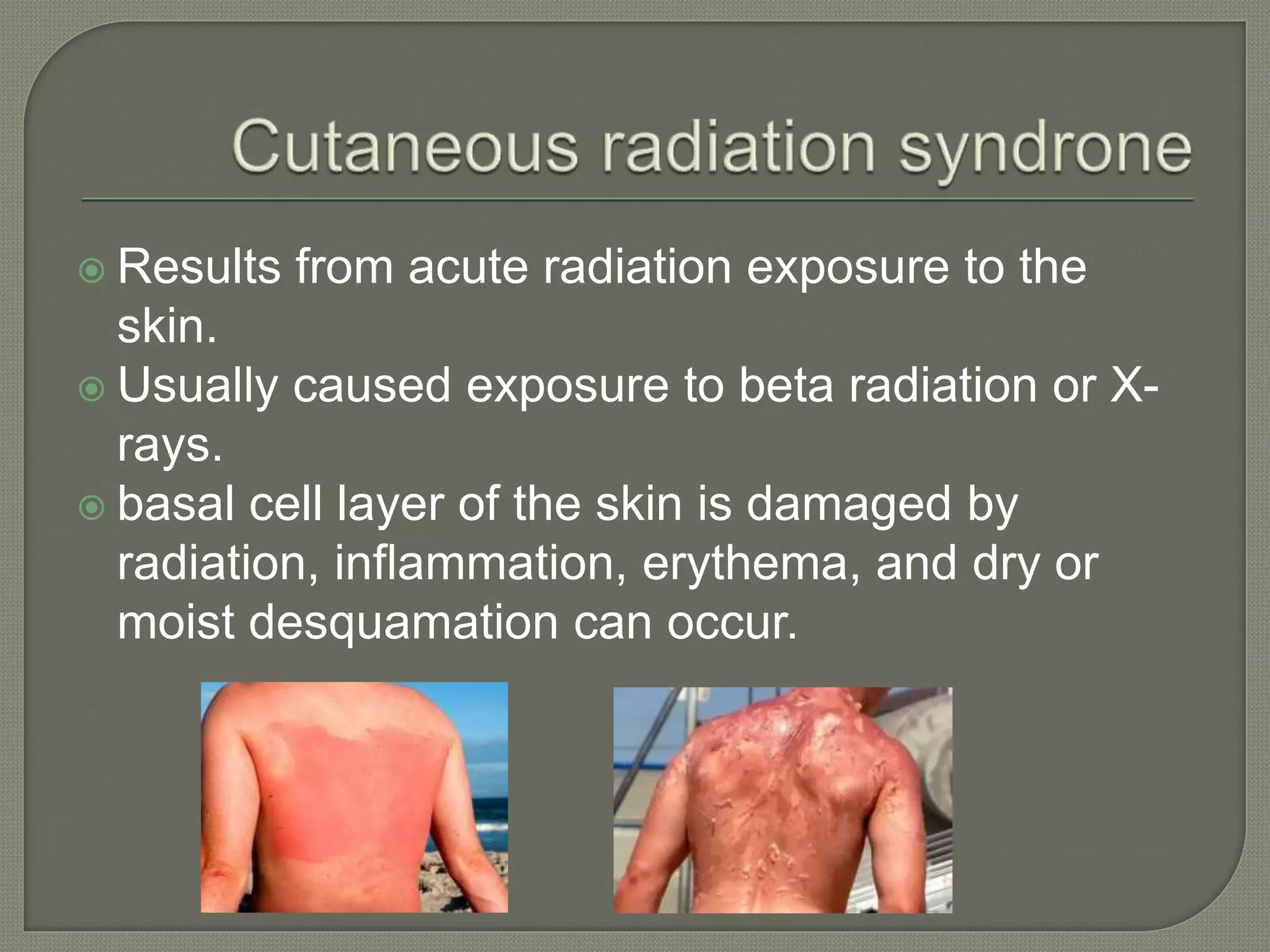
Acute radiation syndrome is not a result of external surface contamination; rather, it is the systemic biological consequence of massive energy transfer to sensitive cellular structures. Ionizing radiation, such as gamma rays or X-rays, strips electrons from atoms within biological tissue. This process creates free radicals that damage DNA, proteins, and cell membranes. Because high-energy ionizing radiation penetrates deeply, it impacts the entire body simultaneously rather than just the skin.
The primary target of ARS is tissue with high cellular turnover rates. Because radiation disrupts DNA replication, cells that divide frequently—such as hematopoietic stem cells in the bone marrow, the lining of the gastrointestinal tract, and the germinal epithelium—are the first to fail. When these populations are depleted faster than they can be replenished, the organ systems they support cease to function, leading to the characteristic multisystem failure observed in severe radiation exposure.
Clinical Progression: The Four Phases of ARS
The development of ARS is predictable, characterized by a specific sequence of symptoms that correlate with the dose of radiation received. Understanding these phases is critical for triage in mass-casualty scenarios.
1. The Prodromal Phase
This stage represents the early onset of symptoms, typically occurring within minutes to days following exposure. Patients often experience nausea, vomiting, anorexia, and diarrhea. The speed at which these symptoms appear—the "time to emesis"—is a primary indicator of the radiation dose severity. A shorter prodromal period typically correlates with a higher total dose and a poorer prognosis.
2. The Latent Phase
Following the prodromal phase, patients often experience a period of relative clinical stability. They may feel well or exhibit only minor symptoms. This period is deceptive; beneath the surface, cell death continues to deplete the hematopoietic and gastrointestinal systems. The duration of the latent phase is inversely proportional to the dose: high doses result in a very short or non-existent latent phase, while lower doses may result in a latent phase lasting several weeks.
3. The Manifest Illness Phase
During this phase, the systemic effects of the cell depletion become clinically evident. Depending on the dose, patients will exhibit symptoms related to specific "sub-syndromes," such as bone marrow failure (leading to infection and bleeding) or gastrointestinal destruction (leading to fluid loss, electrolyte imbalance, and sepsis). The severity of the manifest illness is where the majority of mortality risk resides.
4. The Recovery or Death Phase
The final outcome depends on the degree of organ damage. If the stem cell populations were not entirely destroyed, the body may begin to regenerate tissues, though the recovery process is often measured in months and characterized by significant fatigue and long-term health risks. If damage to the bone marrow or gastrointestinal tract is irreversible, the patient will succumb to complications such as uncontrollable hemorrhage, systemic infection, or multi-organ failure.
Diagnostic Classifications and Dose Thresholds
Medical professionals categorize ARS based on the primary organ system being challenged by the radiation dose. The following table provides an overview of the typical dose ranges and clinical focus for the three primary sub-syndromes of ARS.
| Sub-syndrome | Dose Range (Gray) | Primary Clinical Focus | Expected Prognosis |
|---|---|---|---|
| Hematopoietic | 1–6 Gy | Bone marrow depletion; infection; hemorrhage | Variable; supportable |
| Gastrointestinal | 6–30 Gy | Intestinal lining destruction; sepsis; fluid loss | Poor; survival rare |
| Cardiovascular/CNS | >30 Gy | Vascular collapse; cerebral edema; seizures | Nearly 100% mortality |
Note: Gray (Gy) is the SI unit of absorbed radiation dose. One Gray equals 100 rads.
Clinical Management and Supportive Care
There is no "cure" for the underlying cellular damage caused by ARS, so treatment is entirely supportive. The medical goal is to bridge the patient through the period of maximum cell depletion until the body’s endogenous stem cells can regenerate the depleted tissues.
For patients in the hematopoietic range, management involves the aggressive use of hematopoietic growth factors (such as filgrastim or pegfilgrastim) to stimulate the production of white blood cells. Prophylactic antibiotics and antifungals are essential because the patient’s immune system is effectively neutralized. If bleeding occurs due to low platelet counts, platelet transfusions are required.
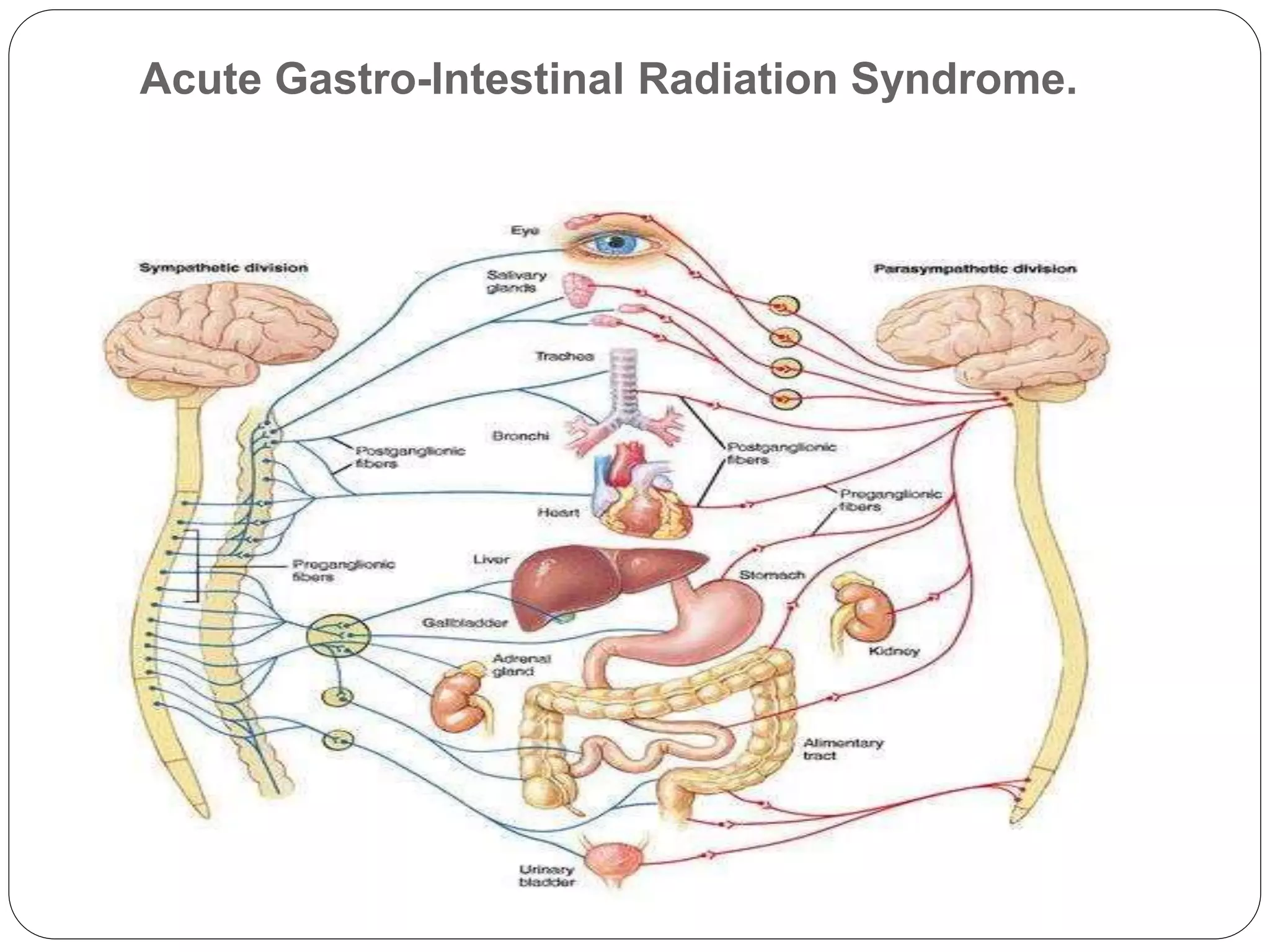
In cases of gastrointestinal-range exposure, the challenge is maintaining nutritional and fluid balance while the digestive tract is unable to absorb nutrients or act as an effective barrier against gut bacteria. This often requires total parenteral nutrition and broad-spectrum systemic antibiotic therapy. In extreme, high-dose exposures, medical care is directed toward palliative comfort measures, as the damage to the central nervous system and vascular structures is generally incompatible with life.
Determinants of Survival and Prognosis
Survival is dictated by the total body dose, the dose rate, and the quality of medical support available. Factors that negatively influence the prognosis include the presence of non-radiation trauma (e.g., burns or blast injuries) or the inhalation/ingestion of radioactive particles, which adds internal contamination to the external irradiation burden.
Medical teams utilize "biodosimetry" to determine the severity of exposure. This includes tracking the lymphocyte depletion rate (a rapid drop in white blood cell counts is a hallmark of high-dose radiation) and chromosomal analysis (dicentric chromosome assays) to quantify the extent of DNA damage. These diagnostic tools allow clinicians to triage patients who require intensive care units from those who may survive with conservative observation.
Frequently Asked Questions
What is the difference between radiation exposure and contamination?
Exposure occurs when an individual is hit by ionizing radiation from an external source, which passes through the body. Contamination, by contrast, occurs when radioactive material is deposited on the skin or inside the body, acting as a persistent source of radiation until it is removed or decays. ARS is primarily caused by intense exposure, though contamination can complicate medical care.
Can potassium iodide prevent acute radiation syndrome?
No. Potassium iodide is only effective for blocking the thyroid gland’s uptake of radioactive iodine. It provides no protection against the external gamma radiation that causes ARS. It is a specific countermeasure for radiological emergencies involving reactor core damage, not a general treatment for radiation sickness.
Is acute radiation syndrome contagious?
No. An individual suffering from ARS is not radioactive. They do not pose a danger to family members or medical staff. Once any external contamination (such as radioactive dust on clothing) is removed, the patient can be handled like any other critically ill person.
Are there long-term health effects after surviving ARS?
Yes. Survivors face an increased long-term risk of developing solid tumors, leukemia, and cataracts. Furthermore, survivors often struggle with chronic fatigue and psychological trauma. Continued medical monitoring for decades is required to manage these long-term morbidity risks.
Can ARS be treated at home?
No. ARS is a medical emergency that requires specialized inpatient care in a facility capable of managing severe immunosuppression, complex infectious diseases, and hematologic failure. There are no over-the-counter treatments or home remedies for the systemic effects of high-dose ionizing radiation.
Recommended Next Actions for Emergency Planning
If you are concerned about preparedness for large-scale radiological events, focus on access to official information rather than personal equipment. Consult the guidance provided by national radiation protection authorities, such as the Radiation Emergency Assistance Center/Training Site (REAC/TS) in the United States or equivalent government health agencies in your jurisdiction. Ensure your local emergency plan includes knowledge of your nearest Level 1 trauma center and, if applicable, regional facilities designated for specialized radiation casualty management.