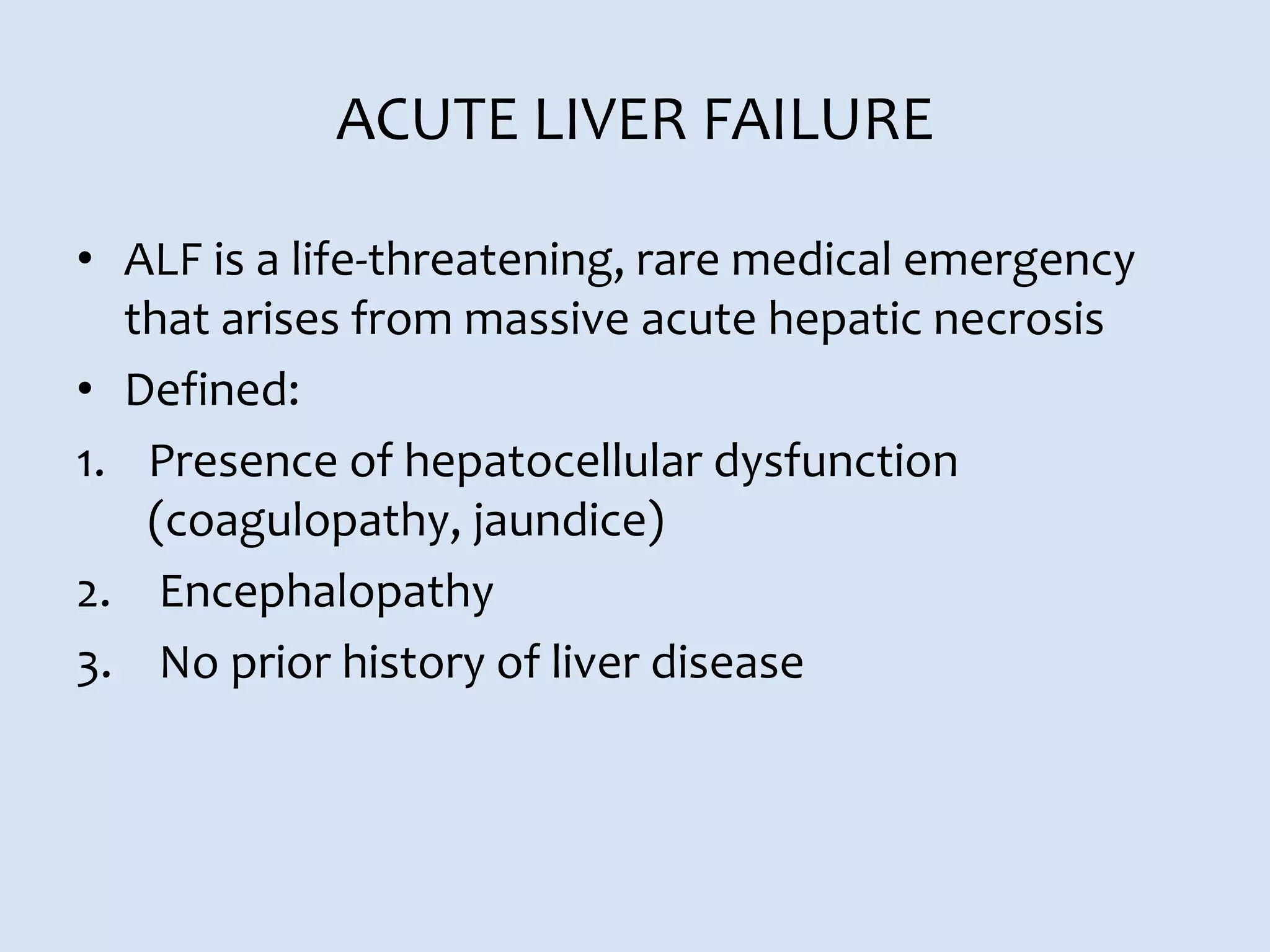
Acute liver failure (ALF) is the rapid onset of severe liver dysfunction characterized by the development of coagulopathy and altered mental status (encephalopathy) in an individual without pre-existing liver disease. This condition is a medical emergency that requires immediate specialized intervention, often involving intensive care monitoring and urgent assessment for liver transplantation, as it carries a high risk of multi-organ failure and death.
Defining the Scope and Severity of Acute Liver Failure
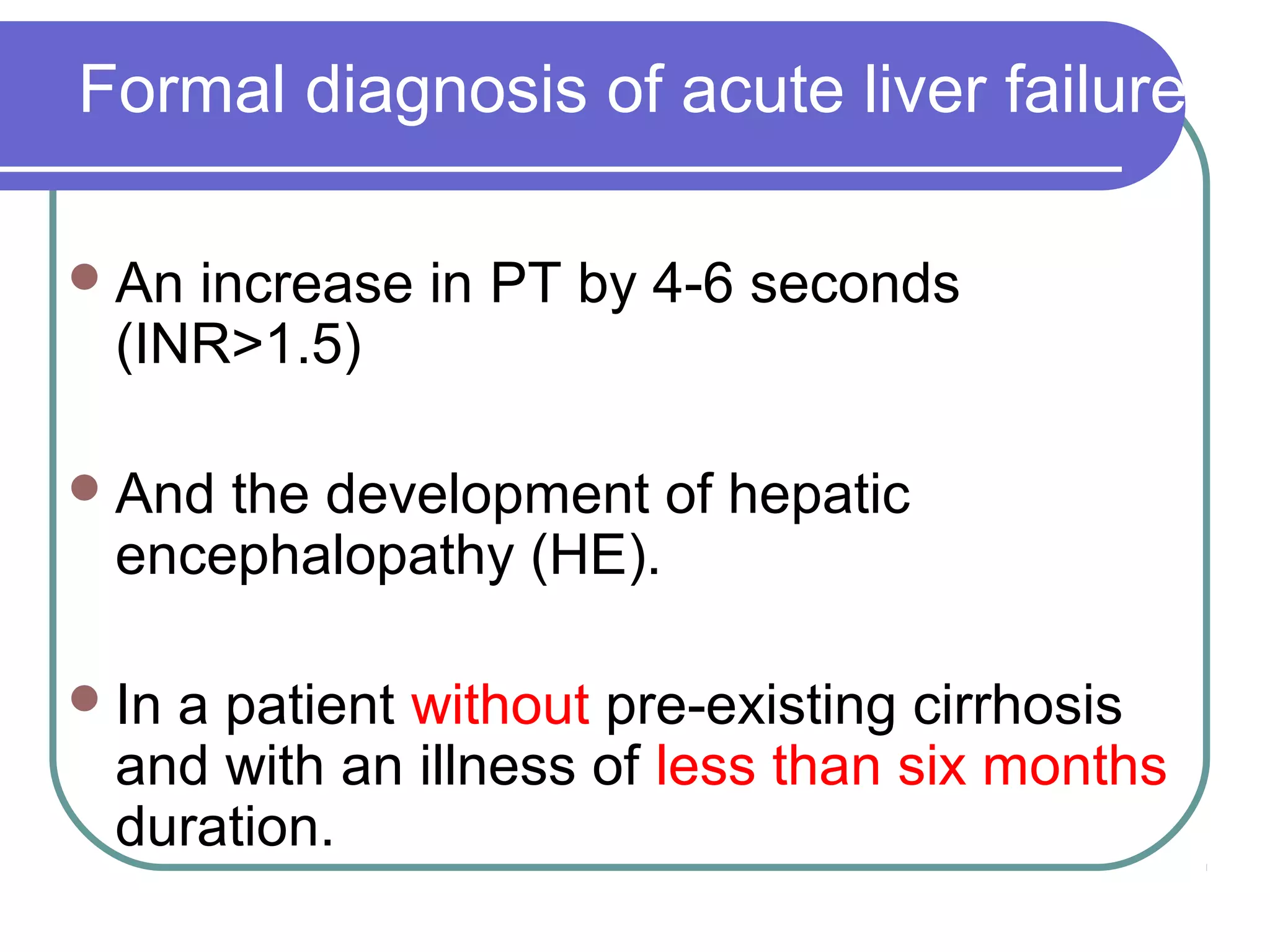
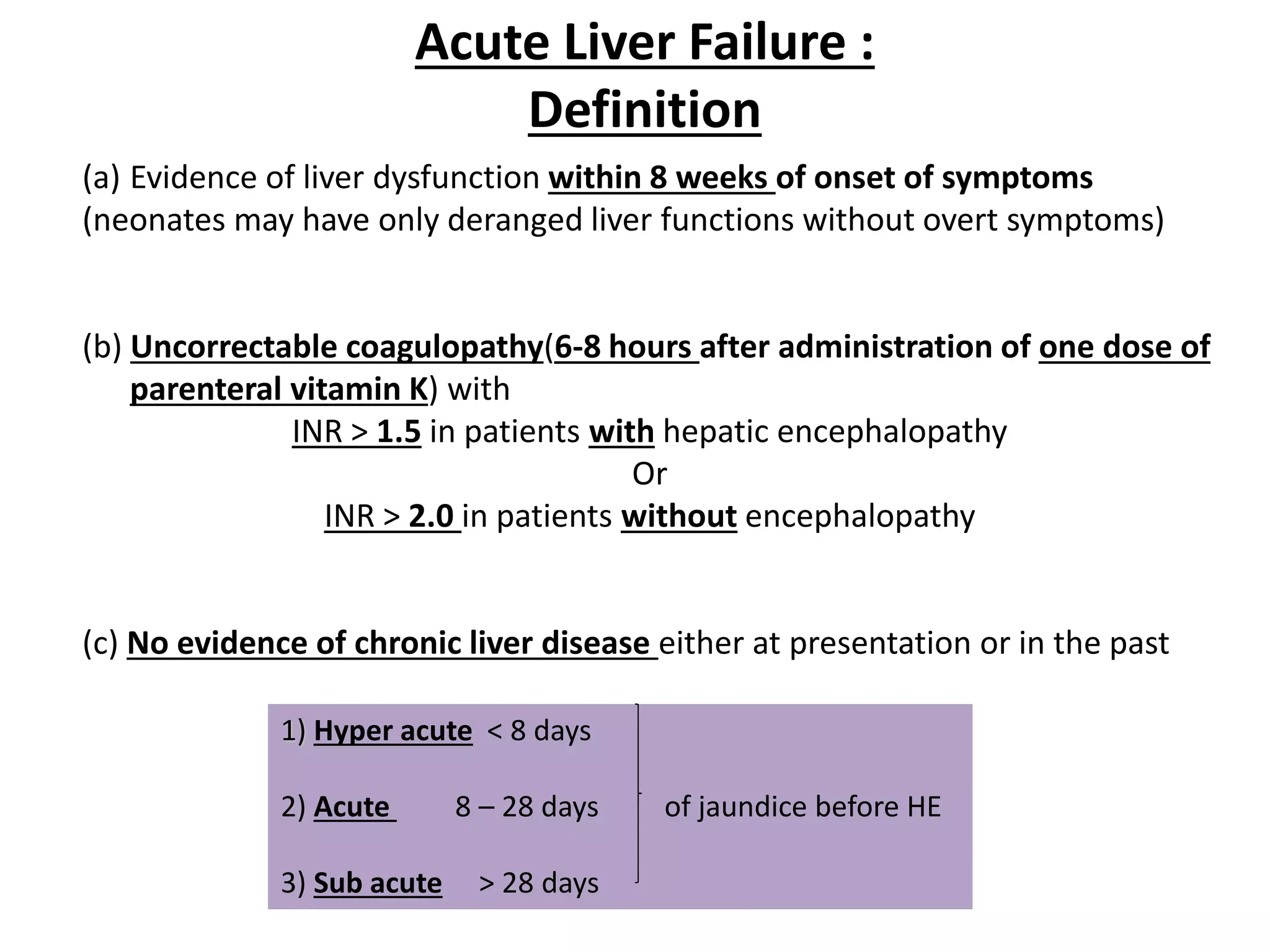
The clinical diagnosis of acute liver failure rests on a specific definition: the sudden loss of hepatic function in a patient who previously possessed a healthy liver. Unlike chronic liver disease, which may progress over years through fibrosis and cirrhosis, ALF occurs over a timeframe of days to weeks. The two essential diagnostic criteria are evidence of impaired synthetic capacity of the liver—typically indicated by an international normalized ratio (INR) of 1.5 or greater—and the presence of hepatic encephalopathy, which manifests as confusion, lethargy, or altered levels of consciousness.
The speed of progression is often categorized by the time elapsed between the onset of jaundice and the emergence of encephalopathy. Hyperacute liver failure is defined by an interval of less than one week; acute, between one and four weeks; and subacute, between four and 12 weeks. Distinguishing these timeframes is critical because the prognosis and the likely underlying cause often vary significantly based on how quickly the condition develops.
Primary Etiologies and Risk Factors
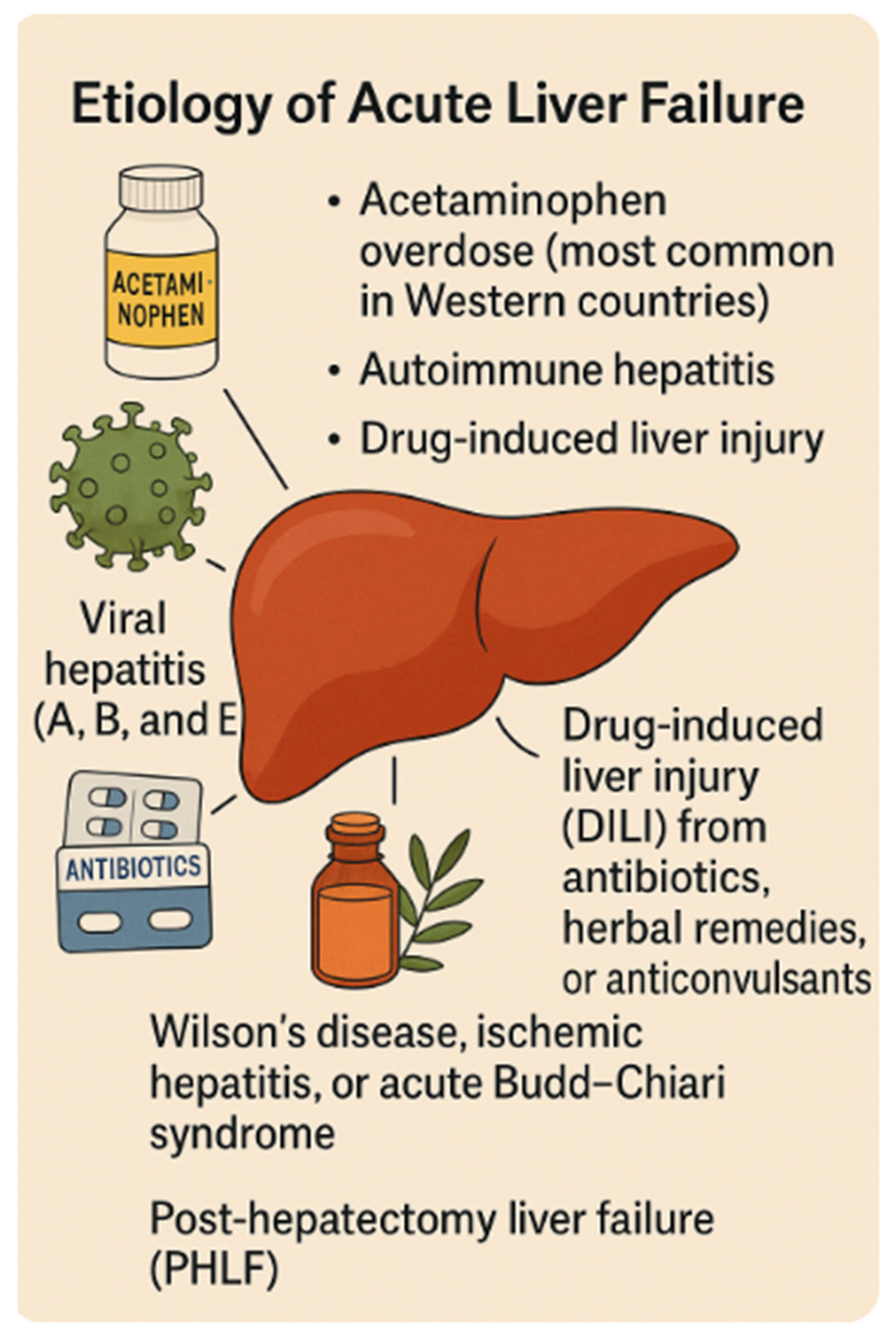
Understanding the cause of ALF is the first priority, as some etiologies require specific medical countermeasures. In the Western world, the most common cause of acute liver failure is intentional or accidental acetaminophen (paracetamol) toxicity. This occurs when the liver's metabolic pathways are overwhelmed, leading to the accumulation of a toxic byproduct that causes massive centrilobular necrosis.
Beyond medication-induced injury, viral hepatitis remains a frequent trigger. Hepatitis A, B, and E are the most commonly implicated viruses, with Hepatitis B being particularly prevalent in global populations. Other potential causes include:
- Drug-Induced Liver Injury (DILI): Beyond acetaminophen, various antibiotics, anticonvulsants, and herbal supplements can trigger idiosyncratic reactions.
- Autoimmune Hepatitis: An immune-mediated attack on liver tissue that can occasionally present as an acute, fulminant crisis.
- Ischemic Hepatopathy: Often referred to as "shock liver," this is caused by a significant drop in blood flow to the liver, frequently resulting from severe hypotension or cardiac failure.
- Wilson’s Disease: A rare genetic disorder of copper metabolism that can present as acute liver failure, often accompanied by hemolysis (the destruction of red blood cells).
- Budd-Chiari Syndrome: A condition involving the obstruction of the hepatic veins, preventing proper blood drainage from the liver.
Clinical Manifestations and Diagnostic Assessment
The clinical presentation of a patient with ALF is complex and multi-systemic. Initially, a patient may experience non-specific symptoms such as fatigue, malaise, and loss of appetite, often accompanied by jaundice. As the liver fails, the patient’s inability to clear ammonia and other toxins results in the neurotoxic effects known as hepatic encephalopathy, which is graded on a scale from I (mild confusion) to IV (coma).
Diagnostic testing must be comprehensive and performed immediately upon clinical suspicion. The following table summarizes the key diagnostic areas and their purpose in the clinical workup.
| Assessment Category | Components | Purpose |
|---|---|---|
| Coagulation Studies | INR, Prothrombin Time | Measure the liver's ability to produce clotting factors. |
| Metabolic Panels | AST, ALT, Bilirubin, Ammonia | Quantify degree of cellular injury and metabolic dysfunction. |
| Toxicology Screen | Acetaminophen levels, drug panel | Identify preventable toxic exposures. |
| Serological Testing | Viral Hepatitis markers (HAV, HBV, HEV) | Determine if an infectious agent is the trigger. |
| Imaging | Abdominal Ultrasound/Doppler | Rule out vascular obstruction (e.g., Budd-Chiari). |
Management Strategy in an Intensive Care Setting
Management of acute liver failure is almost exclusively supportive. Because there is no simple "replacement" for the liver’s complex metabolic functions, the primary goal is to maintain hemodynamic stability and prevent complications while the liver regenerates or until a donor organ becomes available for transplantation.
Neurological monitoring is paramount. Cerebral edema, or swelling of the brain, is a frequent and life-threatening complication of severe ALF. Patients are typically monitored in an intensive care unit (ICU) where intracranial pressure can be observed. Clinicians may utilize prophylactic measures to keep the patient’s head elevated and may limit sensory stimulation. If encephalopathy worsens, intubation and mechanical ventilation may be required to protect the airway and control CO2 levels, which can influence intracranial pressure.
Regarding metabolic support, clinicians must strictly control blood glucose levels, as the failing liver can no longer manage glycogen stores, making patients prone to severe hypoglycemia. Nutritional support is vital; enteral nutrition is generally preferred over parenteral methods to maintain gut barrier function and reduce the risk of systemic infection.
The Role of Liver Transplantation
Liver transplantation is the definitive therapy for many patients with severe acute liver failure, particularly those who do not respond to initial medical management. The urgency of the situation often necessitates the use of "super-urgent" status on transplant waiting lists.
Physicians use specific prognostic models, such as the King’s College Criteria, to evaluate whether a patient is likely to recover with medical support or if their survival requires a transplant. These criteria look at markers like arterial pH, serum creatinine, and the grade of encephalopathy. While these tools provide helpful guidance, clinical judgment remains the final arbiter. A patient who is rapidly declining neurologically or who shows no sign of synthetic function recovery is considered a candidate for urgent referral to a liver transplant center.
Common Complications and Troubleshooting
Patients with ALF are at an exceptionally high risk for secondary infections, particularly bacterial and fungal, due to a compromised immune system and the invasive nature of life-support equipment. Surveillance cultures are usually performed on a routine schedule to detect early signs of sepsis, and empirical antibiotics are often initiated at the first suspicion of infection.
Renal failure often accompanies liver failure, a state sometimes called hepatorenal syndrome. This requires careful fluid management and potentially continuous renal replacement therapy (CRRT). The challenge for the medical team is balancing fluid resuscitation to support blood pressure against the risks of fluid overload, which can exacerbate cerebral edema.
Seeking Professional Medical Consultation
Acute liver failure is a condition that cannot be managed outside of a specialized medical facility. If an individual experiences sudden onset of jaundice, extreme confusion, or severe abdominal pain, they must seek emergency medical care immediately. Diagnosis and management involve specialized hepatologists and transplant surgeons.
When consulting with medical teams, family members should focus on providing accurate information regarding:
- Medication History: A complete list of all over-the-counter medications, supplements, and herbal products taken in the weeks prior to symptoms.
- Travel and Exposure: Recent travel that might suggest exposure to hepatitis viruses.
- Family History: Knowledge of any genetic conditions, such as Wilson’s disease.