Halitosis, or chronic bad breath, is a physiological condition that affects individuals across all professions, including high-profile actresses who require close-proximity professional interaction. The condition is rarely a sign of poor hygiene alone; it is typically rooted in oral microbiology, systemic health, or specific lifestyle factors. Addressing it involves a combination of targeted dental hygiene, diagnostic screening for underlying health issues, and professional clinical intervention.
The Physiological Basis of Halitosis
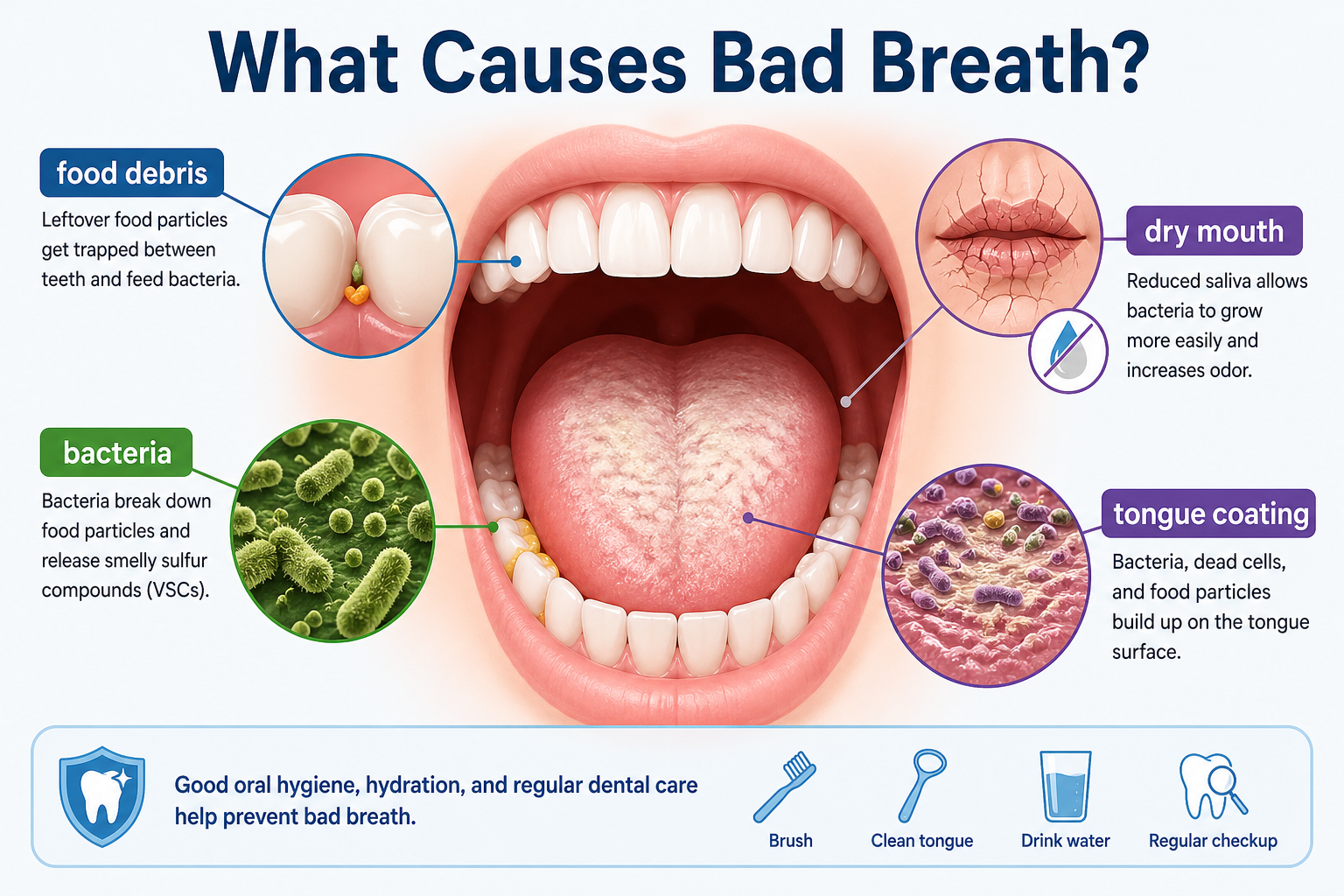
Halitosis primarily originates from the production of volatile sulfur compounds (VSCs), such as hydrogen sulfide and methyl mercaptan. These gases are metabolic byproducts created by anaerobic bacteria that reside in the mouth. In a healthy oral environment, saliva acts as a natural cleanser, rinsing away food particles and neutralizing acids. When saliva production decreases or when specific bacteria proliferate, these compounds accumulate, leading to persistent odor.
For individuals in the entertainment industry, the professional demand for long hours, constant travel, and speaking intensive roles can exacerbate these triggers. The mouth is an ecosystem; once the pH balance is disrupted—whether through dietary choices, stress-induced xerostomia (dry mouth), or hormonal fluctuations—the microbial population shifts toward those that thrive in anaerobic conditions, specifically on the posterior third of the tongue and in periodontal pockets.
Common Causes in High-Performance Environments
While the general public often equates bad breath with a lack of brushing, the reality is frequently more complex. For actresses and those with demanding schedules, several specific factors are common contributors:
- Xerostomia (Dry Mouth): Prolonged speaking or high-stress environments often lead to reduced salivary flow. Saliva is critical for maintaining oral pH and controlling bacterial growth. Dehydration from travel or coffee consumption can worsen this effect.
- Periodontal Health: Even minor gum inflammation (gingivitis) creates "pockets" between the teeth and gums. These spaces are difficult to reach with standard brushing and provide an ideal breeding ground for bacteria that produce offensive odors.
- Dietary and Metabolic Factors: Certain foods containing sulfur, such as garlic or onions, release aromatic compounds into the bloodstream, which are then expelled through the lungs. Furthermore, intermittent fasting or low-carb diets can lead to "keto breath," a byproduct of the body processing fats for energy.
- Systemic Considerations: Persistent bad breath that does not respond to oral care may indicate gastrointestinal issues, such as acid reflux (GERD) or, more rarely, metabolic disorders that alter the chemical composition of exhaled air.
Diagnostic Procedures and Verification
To effectively treat halitosis, one must move beyond anecdotal self-assessment. Because humans are often "nose blind" to their own breath, clinical verification is the standard approach.
Dental professionals utilize specialized tools to quantify the condition. A halimeter is frequently used to measure the concentration of VSCs in the mouth. When a patient presents with persistent symptoms, a dentist will typically perform a full periodontal screening to rule out deep pockets or trapped calculus (tartar). If the dental findings are clear, patients are often referred to a primary care physician to investigate potential systemic causes, such as chronic sinusitis, tonsil stones (tonsilloliths), or gastric issues.
Comprehensive Management and Cures
Managing breath quality requires a multi-faceted approach that targets both the bacterial source and the environmental triggers.
Clinical Hygiene Protocols
Professional dental cleanings are the foundation of treatment. Tartar buildup cannot be removed by home brushing and acts as a substrate for bacteria. Regular deep cleanings (scaling and root planing) address the hidden bacterial colonies that cause odor.
Topical and Mechanical Home Care
Mechanical disruption of biofilm is more effective than chemical masking. Brushing the tongue—or using a specialized tongue scraper—is the most effective way to remove the bacteria that produce VSCs. While mouthwashes can provide temporary relief, products containing alcohol should be avoided, as they further dehydrate the oral mucosa, potentially worsening the condition over time. Instead, opt for products containing stabilized chlorine dioxide or zinc, which neutralize sulfur compounds rather than simply masking them with fragrance.
Comparing Breath Management Strategies
| Strategy | Mechanism of Action | Effectiveness |
|---|---|---|
| Mechanical Tongue Scraping | Removes bacterial biofilm directly | High |
| Alcohol-Free Antiseptic Rinse | Reduces microbial load | Moderate |
| Hydration (Water Intake) | Maintains salivary flow and pH | High (Preventative) |
| Chlorine Dioxide Mouthwash | Chemically neutralizes VSCs | High |
| Professional Scaling/Cleaning | Removes calculus and deep-seated bacteria | Essential (Clinical) |
Addressing Chronic Cases
When standard oral hygiene fails to provide resolution, it is time to pivot toward medical diagnosis. Chronic bad breath can be a symptom of a localized infection in the sinuses, where post-nasal drip provides a constant supply of nutrients to bacteria in the back of the throat. Additionally, the presence of tonsilloliths—calcified debris trapped in the tonsils—can be a significant, often overlooked source of odor. An Ear, Nose, and Throat (ENT) specialist can verify these conditions through physical examination or imaging.
Integrating Oral Health into a Professional Lifestyle
For those in the public eye, maintaining oral health is not just a personal comfort issue but a professional requirement. Success in this area is achieved through consistency rather than sporadic, heavy-handed cleaning.
- Hydration Schedules: Maintain constant water intake to prevent dry mouth, especially during long filming days or stage performances.
- Strategic Nutrition: Be mindful of the timing of high-sulfur meals. If such foods are consumed, increase water intake immediately afterward to flush the oral cavity.
- Routine Professional Oversight: Schedule biannual cleanings specifically to check for periodontal health, rather than waiting for symptoms to manifest.
- pH Balancing: Use xylitol-based gum or lozenges, which encourage saliva production and help maintain a neutral oral pH, particularly in environments where water is not immediately accessible.
If you suspect your bad breath is persistent despite rigorous oral care, the most practical next step is to schedule a comprehensive examination with a periodontist. They are the specialists best equipped to distinguish between localized oral issues and systemic health concerns, ensuring that the cause is correctly identified rather than just masked.