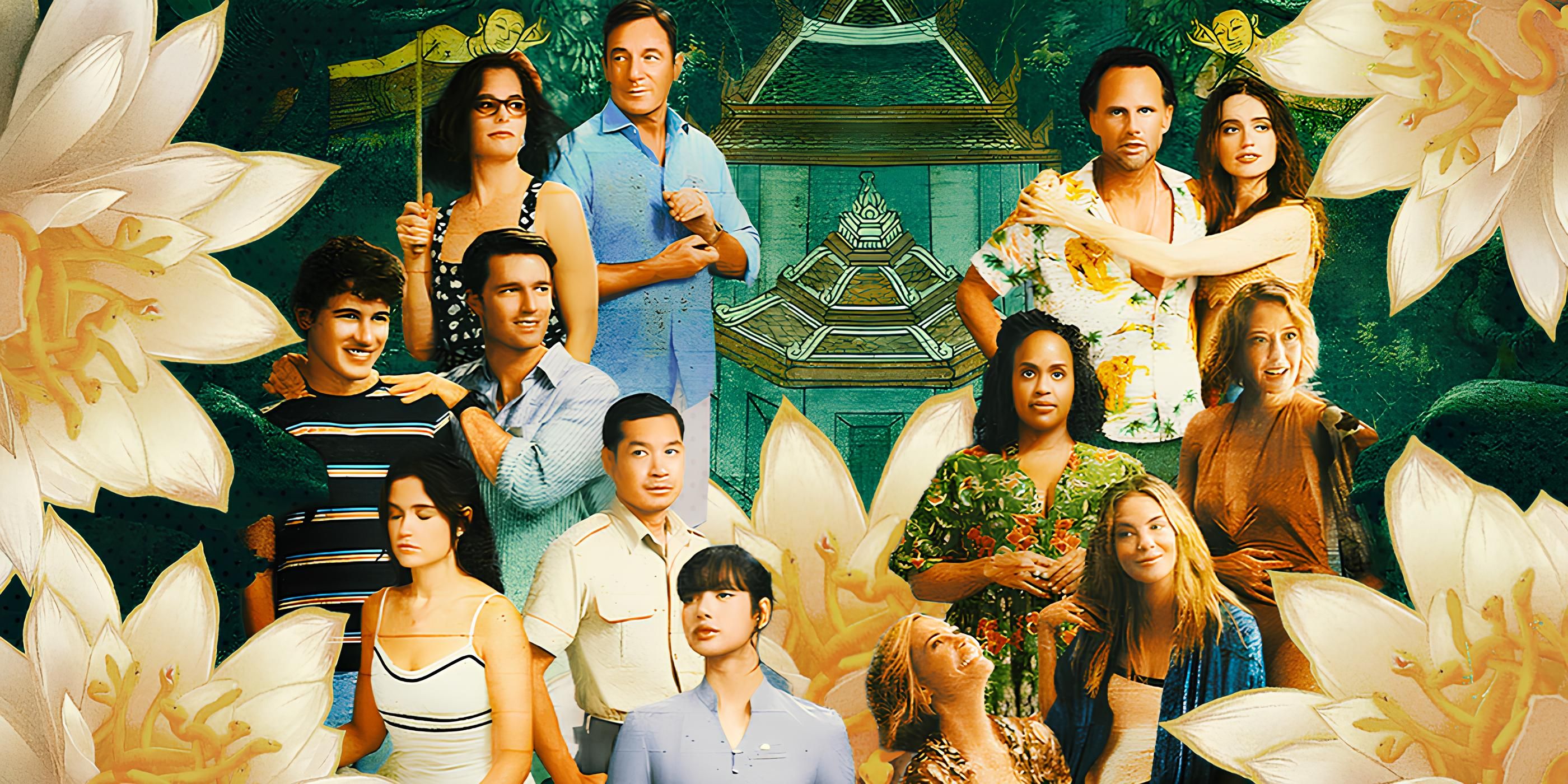
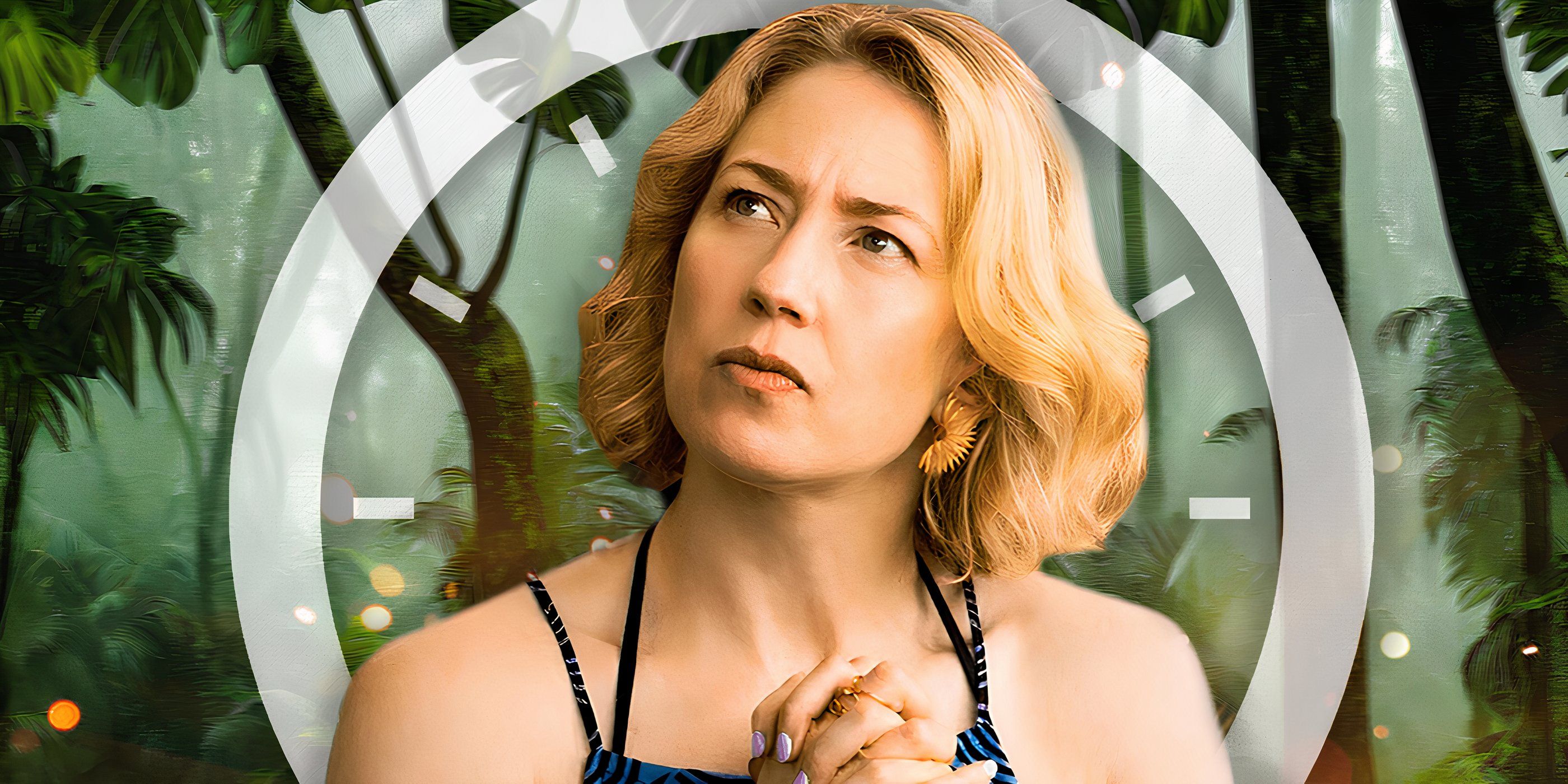
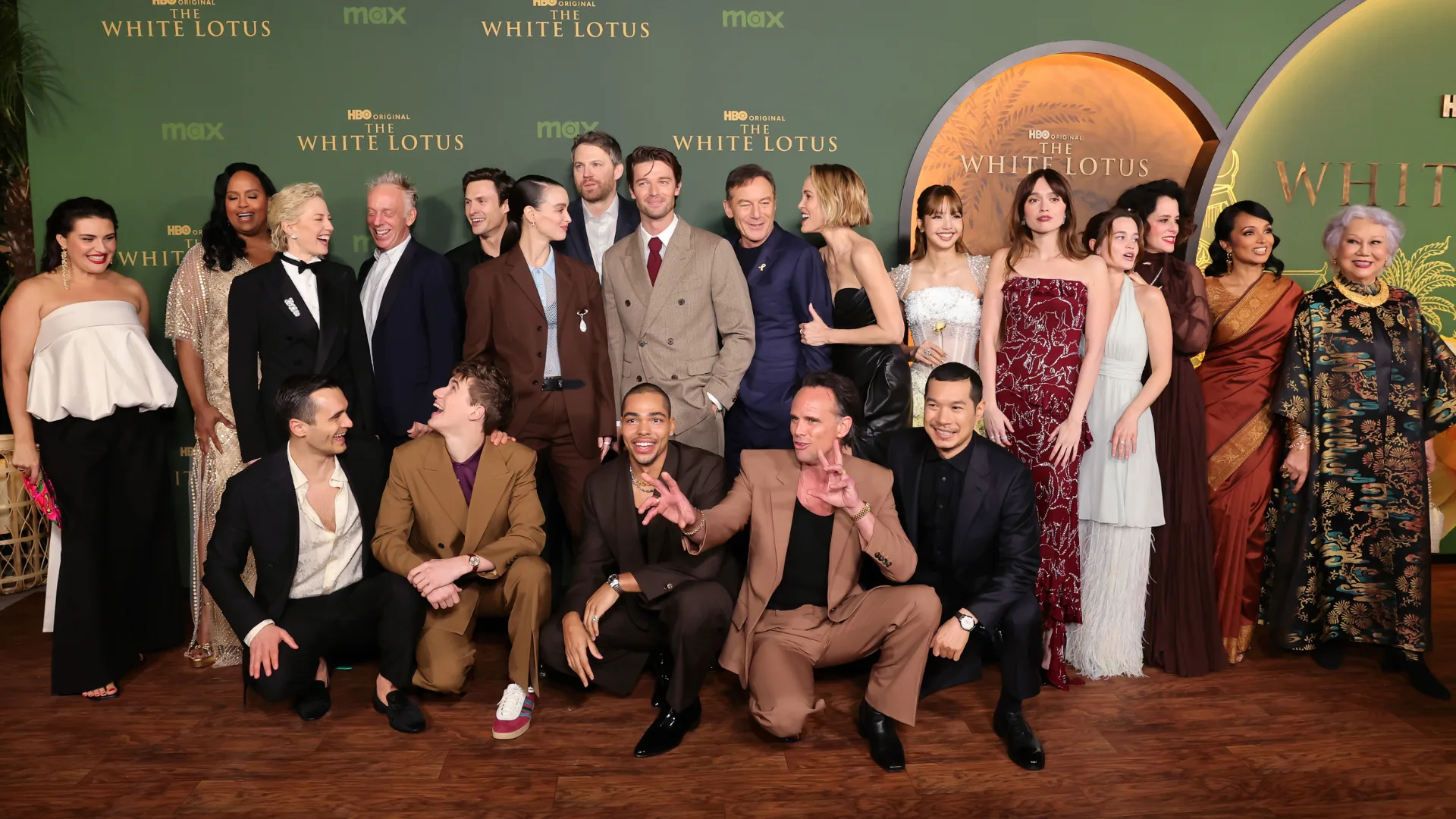
The third season of HBO’s critically acclaimed anthology series The White Lotus shifts its focus to the lush, spiritual landscape of Thailand. With creator Mike White at the helm, the production has assembled a diverse, high-profile ensemble cast, including several notable actresses who play central roles in the interconnected narrative of a new group of hotel guests and staff navigating luxury, greed, and cultural intersectionality.
The Setting and Thematic Evolution of Season 3
To understand the casting choices for the third installment of The White Lotus, one must first consider the series' evolution. While the first season explored themes of privilege and wealth in Hawaii and the second dissected sex, power, and infidelity in Sicily, the third season ventures into the hospitality industry in Thailand. Mike White has stated that this season is designed to be a "satirical and funny look at death and Eastern religion and spirituality."
The casting reflects this broader scope, moving beyond the localized dynamics of Western guests to incorporate a blend of seasoned Hollywood talent and prominent international stars. The actresses joining the cast bring a mix of established dramatic depth and comedic timing, which is essential for a show that oscillates between sharp satire and psychological thriller elements. The production relies on these performers to embody characters who, while staying at a luxury resort, are forced to confront their internal moral failings against the backdrop of a culture often exoticized by the very people visiting it.
Key Actresses Joining the Ensemble
The ensemble cast for season 3 is significant for its breadth and the inclusion of performers from diverse cultural backgrounds, aligning with the show’s expansion into the Asian market. The roster features several high-profile women who anchor the primary narrative arcs.
Notable actresses in the main ensemble include:
- Parker Posey: A long-time collaborator of acclaimed independent filmmakers, Posey is known for her ability to play characters with a unique, often brittle, sense of self-assurance. In this season, her presence adds a layer of idiosyncratic tension that fits the White Lotus mold.
- Carrie Coon: Having garnered critical acclaim for her roles in television dramas, Coon brings a level of intensity and intellectual rigor to the show. Her character represents the complexities of a professional woman balancing external expectations with internal turmoil.
- Michelle Monaghan: Known for a versatile career spanning blockbusters and indie dramas, Monaghan steps into a role that explores the friction between personal morality and the demands of high-end travel culture.
- Natasha Rothwell: Reprising her role as Belinda Lindsey from the first season, Rothwell is the connective tissue between the early installments and the current setting. Her character’s return provides a unique perspective on the trauma of the service industry and the long-term impact of guest-staff interactions.
- Lisa (Lalisa Manobal): Making her debut in a major scripted television role, the global music superstar brings a massive international following to the series. Her inclusion underscores the show's intent to blend global celebrity culture with prestige television.
Comparative Look at Character Archetypes
The casting process for The White Lotus often revolves around specific archetypes that Mike White writes to deconstruct. The actresses chosen for these roles are often selected for their ability to play "unlikable" characters who are nonetheless deeply human.
| Actress | Known For | Narrative Archetype |
|---|---|---|
| Parker Posey | Independent Film Icon | The Disillusioned Socialite |
| Carrie Coon | Prestige Drama | The Stressed Professional |
| Natasha Rothwell | Character Comedy/Drama | The Empowered Service Professional |
| Michelle Monaghan | Dramatic Thrillers | The Seeking Tourist |
| Lisa | Global Music/Pop Culture | The Local/Cultural Conduit |
This table illustrates the diverse backgrounds of the cast members. By pulling from the worlds of independent cinema, prestige television, and global pop music, the production creates a dynamic where the acting styles contrast sharply, heightening the social friction that drives the show’s plot.
The Role of Returning Characters
The return of Natasha Rothwell as Belinda is a notable deviation from the series' pattern of a near-total cast refresh. In the first season, her character’s arc—centered on the exploitation of labor and the false promise of upward mobility—was a focal point of the series' critique of the wealthy. Her inclusion in Season 3 suggests that the show intends to continue investigating the power dynamics between the wealthy, transient guests and the permanent staff of the White Lotus hotel chain.
For viewers, her return serves as a anchor for the thematic continuity of the franchise. It allows the audience to witness how the institution of The White Lotus functions across different geographical locations and how it treats its employees regardless of the locale.
International Casting and Cultural Context
A major component of the anticipation surrounding Season 3 is the inclusion of a significant number of Thai actors and actresses. By casting local talent, the production aims to move away from the "outsider looking in" perspective that defined the first two seasons. The actresses representing the local Thai perspective, such as Aimee Lou Wood—though she is a British export to the production—alongside a roster of local stars, create a more layered interaction.
This approach is essential for a show that purports to satirize the tourism industry. If the show only focused on the "White" perspective (the guests), the critique of colonialism and appropriation would be limited. By ensuring that local characters are played by performers who can hold their own against the veteran Hollywood actors, the series can better explore the nuances of the host-guest power struggle in a contemporary Asian setting.
Technical Depth: Production and Performance
From a production standpoint, the casting of these specific actresses indicates a focus on dialogue-heavy, character-driven scenes. The White Lotus relies heavily on the "slow-burn" tension—long, uninterrupted scenes where dialogue slowly reveals the hypocrisy of the characters. Actresses like Carrie Coon and Parker Posey are specifically known for their skill in these types of sequences, where body language and subtext are just as important as the script itself.
The director’s preference for long takes requires actresses who can maintain character intensity without the reliance on quick editing to manufacture drama. This is a technical demand that necessitates a cast with theatrical training or significant experience in long-form, character-centric television.
Frequently Asked Questions
H3: Is Jennifer Coolidge appearing in The White Lotus Season 3?
No, Jennifer Coolidge does not appear in the third season. Her character’s arc was concluded in the second season, and the series continues its tradition of rotating the primary cast while maintaining the core concept of the resort’s atmosphere.
H3: Are the characters from season 1 and 2 returning?
With the exception of Natasha Rothwell (Belinda Lindsey), the cast for Season 3 is composed of entirely new characters. Each season is designed as a self-contained story set at a different White Lotus resort, meaning the focus remains on the specific dynamics of the new guests and staff.
H3: How does the location influence the casting of actresses?
The location in Thailand plays a crucial role in the casting, as the show emphasizes the intersection of Eastern and Western cultures. The production actively sought actors and actresses who could ground the show in the local reality, shifting the balance of power and dialogue compared to the Western-centric focus of the first two seasons.
H3: What is the main conflict these actresses face?
The actresses portray characters navigating the intersection of personal crisis, spiritual searching, and the inherent toxicity of the luxury travel industry. The conflict is primarily psychological, fueled by the characters' inability to reconcile their own expectations with the reality of the people and culture they encounter in Thailand.
Next Steps for Viewers
For those looking to follow the performances of these actresses throughout the season, it is recommended to pay close attention to the mid-season episodes where the various narrative threads begin to overlap. If you are interested in the broader context of the show, exploring the filmographies of Parker Posey and Carrie Coon will provide insight into the types of complex, flawed characters they are bringing to the screen. To keep up with official updates or character reveals, the HBO official newsroom remains the most reliable source for verified press releases and cast interviews regarding the series.