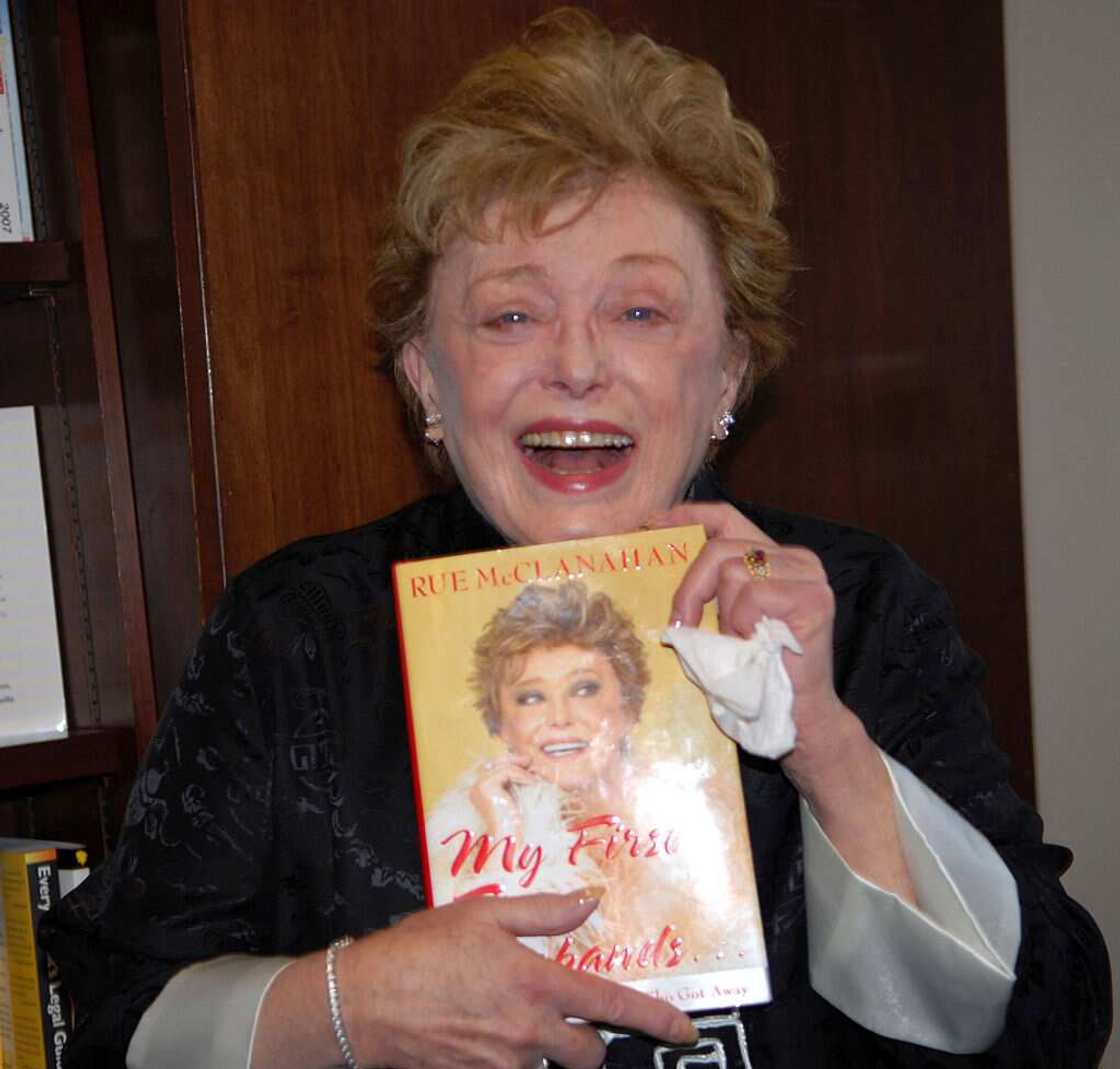
Rue McClanahan remains a seminal figure in American television, best known for her portrayal of the vivacious Blanche Devereaux on the hit sitcom The Golden Girls. Her career spanned decades, transitioning from off-Broadway success and early soap opera roles to becoming a household name. Through her autobiography, public interviews, and iconic performances, she left behind a legacy defined by her sharp wit, commitment to the craft of acting, and an unapologetic embrace of womanhood.
The Formative Years and Early Career
Born Eddi-Rue McClanahan on February 21, 1934, in Healdton, Oklahoma, she was raised in a creative environment that nurtured her aspirations. Her father was a building contractor, and her mother was a dedicated homemaker; however, it was her early immersion in the theater that shaped her path. After graduating from the University of Tulsa with degrees in German and theater, she moved to New York City in the 1950s to pursue acting in earnest.
The New York theater scene of the mid-20th century was grueling, and McClanahan’s early experience involved working as a file clerk and a typist to support her craft. Her breakthrough came through off-Broadway performances, where she honed the comedic timing and dramatic depth that would later define her television persona. This era served as her professional crucible, teaching her how to hold an audience’s attention—a skill she would carry into every role that followed.
Transition to Television and Iconic Roles
McClanahan’s transition to television during the 1970s marked a pivot toward the medium that would make her a global icon. She became a recurring favorite of producer Norman Lear, appearing in All in the Family and playing the character Vivian Harmon on Maude. The latter provided her with a platform to display the vulnerability and comedic flair that would make her the perfect casting choice for the role of her lifetime.
In 1985, The Golden Girls debuted on NBC. Playing Blanche Devereaux—the Southern belle whose pursuit of romance and confidence provided the show with much of its comedic tension—McClanahan captured the essence of aging with grace, humor, and self-possession. Her portrayal was not merely a performance; it was an exercise in breaking stereotypes about older women in media. She famously noted in her memoir, "I’m not like Blanche, but I understand her," illustrating the distance she kept between her own intellectual approach to acting and the flamboyant characters she inhabited.
A Life in Quotes: Reflections on Identity and Craft
McClanahan was known for her candor, often using humor to deflect from the more challenging aspects of her personal and professional life. Her quotes often revealed a woman who was acutely aware of the power dynamics in Hollywood and the importance of self-reliance.
- "You have to be able to laugh at yourself, or life will be a very long, very painful experience."
- "Blanche was a person who loved life, loved men, and loved herself. She didn’t apologize for any of it, and that was the key to her character."
- "The work is the only thing that matters. The fame is just a byproduct that you have to manage so it doesn't manage you."
These reflections offer a window into her philosophy. She viewed acting as a rigorous discipline rather than a glamorous pursuit, a sentiment she emphasized in her 2007 autobiography, My First Five Husbands... and the Ones Who Got Away.
Comparative Analysis of McClanahan’s Notable Projects
Understanding the breadth of her career requires looking at the diversity of her roles. While Blanche Devereaux remains her most recognizable performance, her filmography contains significant depth.
| Project | Role | Genre | Primary Impact |
|---|---|---|---|
| Maude | Vivian Harmon | Sitcom | Established chemistry with Bea Arthur |
| The Golden Girls | Blanche Devereaux | Sitcom | Cultural icon; Emmy Award for Best Actress (1987) |
| The Golden Palace | Blanche Devereaux | Sitcom | Continued the narrative arc post-original series |
| Starship Troopers | Advisory Board Member | Sci-Fi | Demonstrated versatility in dramatic/genre film |
| All in the Family | Various | Sitcom | Early critical acclaim under Norman Lear |
Personal Life and Legacy Beyond the Screen
Beyond the screen, McClanahan was an outspoken animal rights advocate and a philanthropist. Her life was characterized by a series of personal evolutions, including multiple marriages and a resilience that saw her through health challenges in her later years. She moved to New York permanently in her later career, remaining active in the theater community until her passing in 2010.
Her autobiography remains a primary source for those looking to understand the woman behind the character. Unlike many celebrity memoirs, it provides a grounded, often humorous look at the realities of being a working actor in a transient industry. It serves as an essential companion piece to her visual history, providing context for the photographs that documented her life on and off the set.
Navigating the Historical Records and Archives
For researchers and fans looking to explore the visual history of Rue McClanahan, the most reliable resources include the archives of the Television Academy and various historical theater records. Accessing high-quality photography from her career often requires consulting official studio portraits or reputable media databases that have licensed rights to vintage television photography.
When investigating her life, one must distinguish between the public persona of Blanche Devereaux and the private life of Rue McClanahan. Scholars note that while the lines were often blurred for audiences, her professional choices—such as her pivot back to the stage—indicate a desire to maintain creative control over her own legacy.
Common Questions Regarding Her Career and Life
Did Rue McClanahan win an Emmy for her role as Blanche Devereaux?
Yes, she won the Primetime Emmy Award for Outstanding Lead Actress in a Comedy Series in 1987 for her performance in The Golden Girls. She was nominated for the same award multiple times during the show’s run, cementing her status as a critical darling.
How did her real personality differ from the character of Blanche?
McClanahan often stated that while she shared Blanche’s love for life and confidence, she was far more reserved, private, and intellectually inclined than her character. She approached acting with a structured, academic background, which stood in contrast to the impulsive nature of the Southern belle character.
What was the significance of her autobiography?
Her memoir, My First Five Husbands... and the Ones Who Got Away, is significant because it provides an honest, often self-deprecating look at her life before and during her rise to fame. It humanized a star who was often viewed only through the lens of a singular, flamboyant character.
Was she involved in projects outside of television?
Yes, she was a seasoned stage actress. She performed in numerous off-Broadway and regional theater productions throughout her life, often returning to the stage even when she was at the height of her television fame, proving her dedication to the theater as her primary artistic home.
How can one research her life for historical accuracy?
To conduct accurate research, rely on authorized biographies, interviews with the Archive of American Television, and original period press releases. Avoid unsourced fan blogs or gossip columns, which frequently conflate the actress’s personal life with the scripted narratives of her television roles.
Next Steps for Enthusiasts and Researchers
For those interested in preserving or studying the legacy of Rue McClanahan, the best next action is to consult her primary source writings. Her autobiography offers the most direct insight into her perspective on her career trajectory. Additionally, the Archive of American Television maintains extensive video interviews that serve as a foundational resource for anyone seeking to understand her methodology and her perspective on the evolving landscape of American television. By prioritizing these primary accounts, one can ensure that the narrative surrounding her life remains rooted in historical fact rather than character-driven speculation.