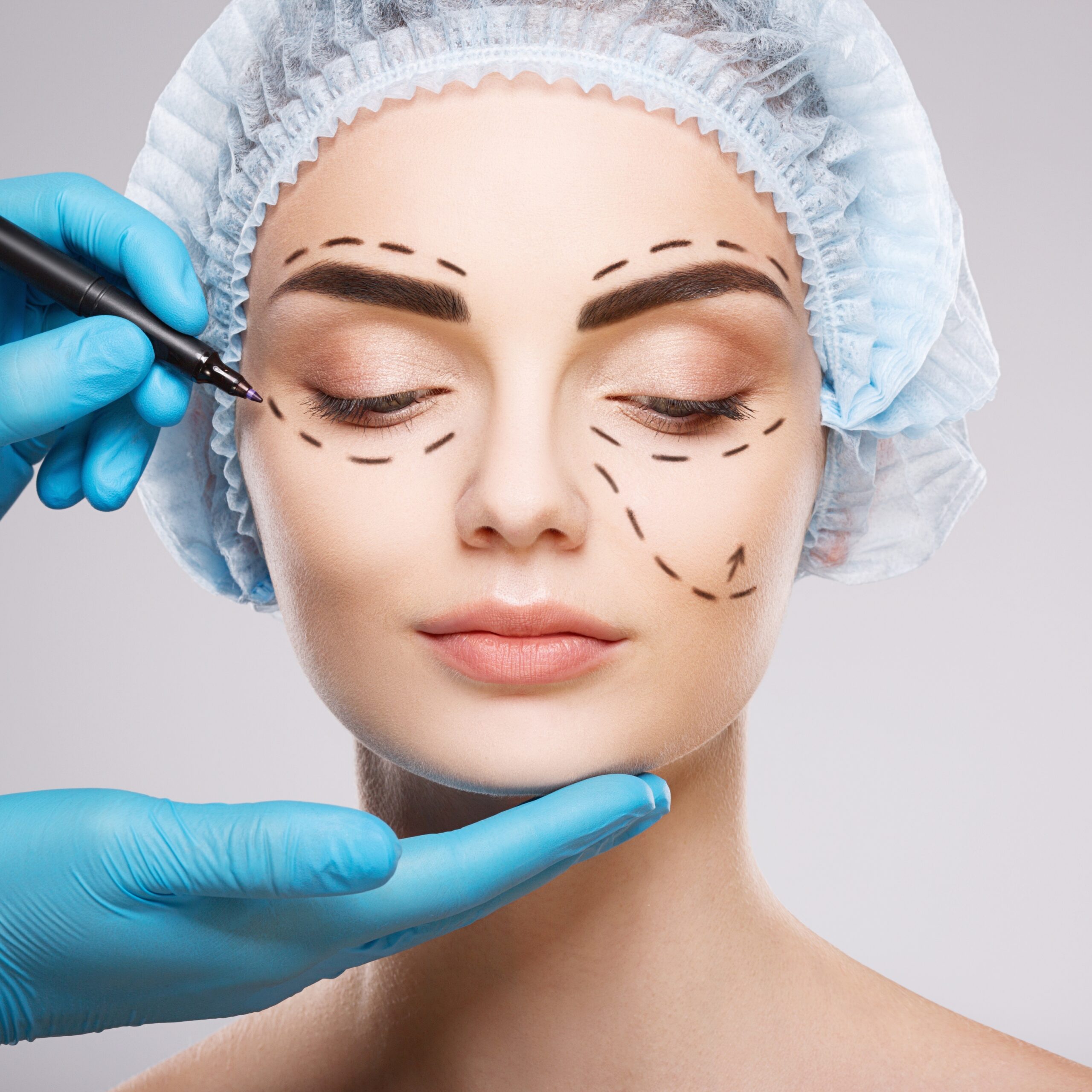
Plastic surgery in the entertainment industry is a multifaceted intersection of career pressure, personal choice, and evolving beauty standards. Actresses often pursue cosmetic enhancements to meet specific aesthetic demands, extend their professional longevity, or rectify perceived physical insecurities amplified by high-definition cinematography. Understanding the landscape of these procedures requires a balanced look at the motivations behind them, the technical types of interventions common in the industry, the inherent medical risks, and the complex ethical discourse surrounding the phenomenon.
Motivations and Industry Pressures
The primary driver for cosmetic intervention among actresses is frequently described as a combination of personal preference and the professional necessity of maintaining a specific "marketable" image. In an industry where visual appeal is often a prerequisite for casting, the pressure to combat visible signs of aging is intense. High-definition production standards often highlight subtle imperfections, leading many to seek surgical or non-surgical refinements to maintain a youthful appearance that aligns with rigid casting archetypes.
Beyond aging, many performers opt for procedures to align with changing beauty trends. While some seek to change their appearance to secure a broader range of roles, others focus on "maintenance" to preserve the features that led to their initial career success. It is important to distinguish between elective aesthetic enhancement—done for personal or professional satisfaction—and reconstructive surgery, which may be required following an injury or health-related issue.
Common Surgical and Non-Surgical Procedures
Procedures performed on actresses range from minor, non-invasive treatments to significant reconstructive surgeries. The industry’s demand for "natural-looking" results has shifted the focus toward subtle enhancements rather than drastic transformations.
| Procedure Category | Common Focus Area | Typical Goal |
|---|---|---|
| Injectables | Face (Forehead, Lips, Cheeks) | Smoothing lines, restoring volume |
| Blepharoplasty | Eyelids | Rejuvenation of the eye area |
| Rhinoplasty | Nose | Refinement of shape or profile |
| Rhytidectomy | Face and Neck | Surgical tightening of sagging skin |
| Body Contouring | Torso and Limbs | Reshaping through fat reduction |
Injectables, such as botulinum toxin and dermal fillers, remain the most common entry-point, as they require little downtime and provide temporary, adjustable results. Surgical interventions like blepharoplasty (eyelid surgery) are often prioritized because the eyes are the primary focus in film and television acting. Rhinoplasty also remains highly prevalent, often used to refine the bridge or tip of the nose to better catch stage and studio lighting.
Medical Risks and Long-Term Considerations
All surgical procedures carry inherent risks, ranging from adverse reactions to anesthesia to more complex outcomes like infection, hematoma, or nerve damage. For actresses, the stakes are compounded by their career dependence on their appearance. A botched procedure or a result that limits facial mobility can have significant professional repercussions.
Revision surgery is a specific concern within this demographic. When an initial procedure does not yield the desired result, or when complications arise, the need for secondary (revision) surgery is often more complex due to the presence of scar tissue and altered anatomy. Furthermore, the reliance on long-term maintenance—such as repeated filler injections—can sometimes lead to tissue atrophy or structural changes over many years, necessitating careful planning by a board-certified plastic surgeon who understands the specific needs of a screen-based career.
Ethical Considerations in the Spotlight
The ethics of plastic surgery for actresses are debated within the context of industry accountability and public influence. When prominent figures undergo visible changes, it can create a cycle of perceived "standardization" of beauty. Ethical questions frequently arise regarding the transparency of these procedures. While there is no legal obligation for performers to disclose medical history, some critics argue that the lack of transparency contributes to unrealistic expectations for the general public, who may not have access to the same medical resources.
Furthermore, there is a professional ethical dimension for the surgeons involved. Ethical practice dictates that physicians must prioritize the physical and mental well-being of the patient over the pressures of the entertainment industry. This includes declining procedures that could compromise the patient’s health or those that are requested due to transient body dysmorphia or unsustainable external expectations.
Navigating the Decision-Making Process
For individuals considering cosmetic procedures, the process must be grounded in clinical reality rather than aspiration. The first step involves consultation with a board-certified plastic surgeon who maintains a strong portfolio and a focus on patient safety.
- Vetting the Surgeon: Verify the surgeon's credentials through national medical boards or recognized surgical societies. Ensure they have specific experience with the procedure in question.
- Consultation and Goals: Clearly define the objective of the surgery. Be prepared for a surgeon to provide a realistic assessment of what can be achieved, including potential limitations.
- Recovery Planning: Account for the necessary downtime. For professionals, this often means scheduling procedures during gaps in production cycles to ensure adequate healing.
- Psychological Readiness: Assess the underlying motivation for the surgery. Surgeons often require or strongly advise a psychological evaluation to ensure the patient is seeking the procedure for healthy reasons.
Frequently Asked Questions
Why do some procedures result in a "frozen" look?
The "frozen" look is typically the result of over-reliance on neurotoxins like botulinum toxin, which inhibit muscle movement. When injected improperly or in excessive amounts, these substances prevent the natural, subtle expressions required for acting, creating a static appearance that many performers attempt to avoid.
Are non-surgical procedures safer than surgery?
While non-surgical procedures like fillers or laser treatments carry fewer risks than invasive surgery, they are not risk-free. They can lead to complications such as allergic reactions, vascular occlusion (which can cause tissue necrosis), or migration of the product. The term "non-surgical" does not imply an absence of medical risk.
How often do actresses need "touch-ups"?
The frequency of maintenance depends on the procedure. Injectables like fillers typically last six months to two years, while surgical results can last for many years. However, lifestyle factors like sun exposure, smoking, and rapid weight fluctuations can accelerate the aging process, potentially necessitating earlier secondary interventions.
What is the recovery time for major facial surgery?
For procedures like a facelift or rhinoplasty, significant swelling and bruising usually subside within two to four weeks, but the "final" result—where all minor swelling has disappeared and tissues have settled—can take up to twelve months. Professionals in the public eye often plan these recovery windows well in advance of projects.
Is it possible to reverse plastic surgery?
Some procedures, such as filler injections involving hyaluronic acid, can be dissolved using enzymes. However, surgical procedures like rhinoplasty or face lifts are generally permanent and difficult to reverse to an original state. Revision surgery is usually aimed at improvement or correction, not a return to the pre-surgical anatomy.
Recommended Next Actions
If you are considering a cosmetic procedure, prioritize safety by scheduling a formal consultation with a board-certified plastic surgeon. Request to see "before and after" photos of patients with similar anatomy to yours, and discuss the longevity of the results versus the risks of revision. Always confirm the facility is fully accredited for the type of surgery being performed to ensure the highest standards of safety and anesthesia management.