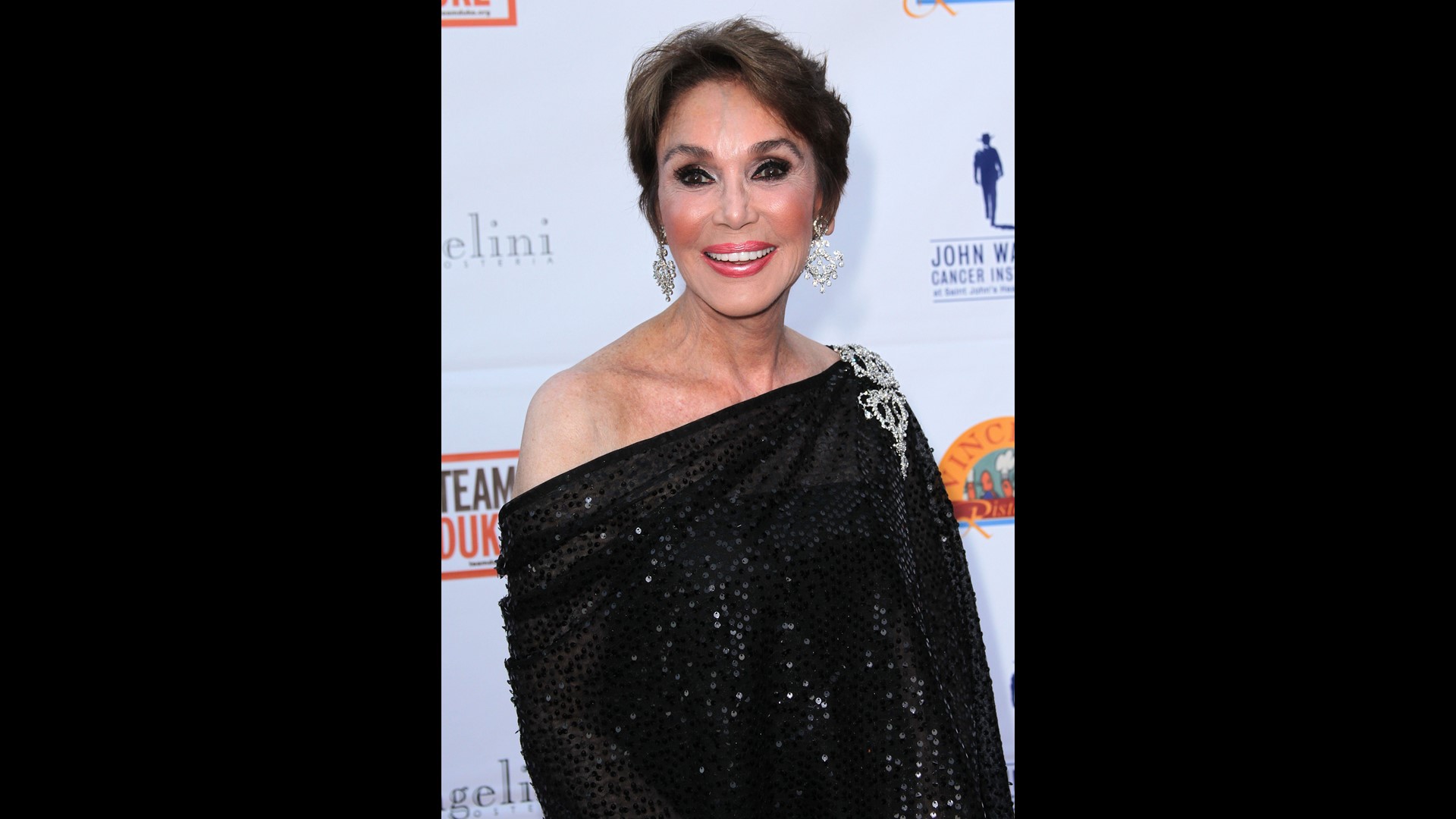
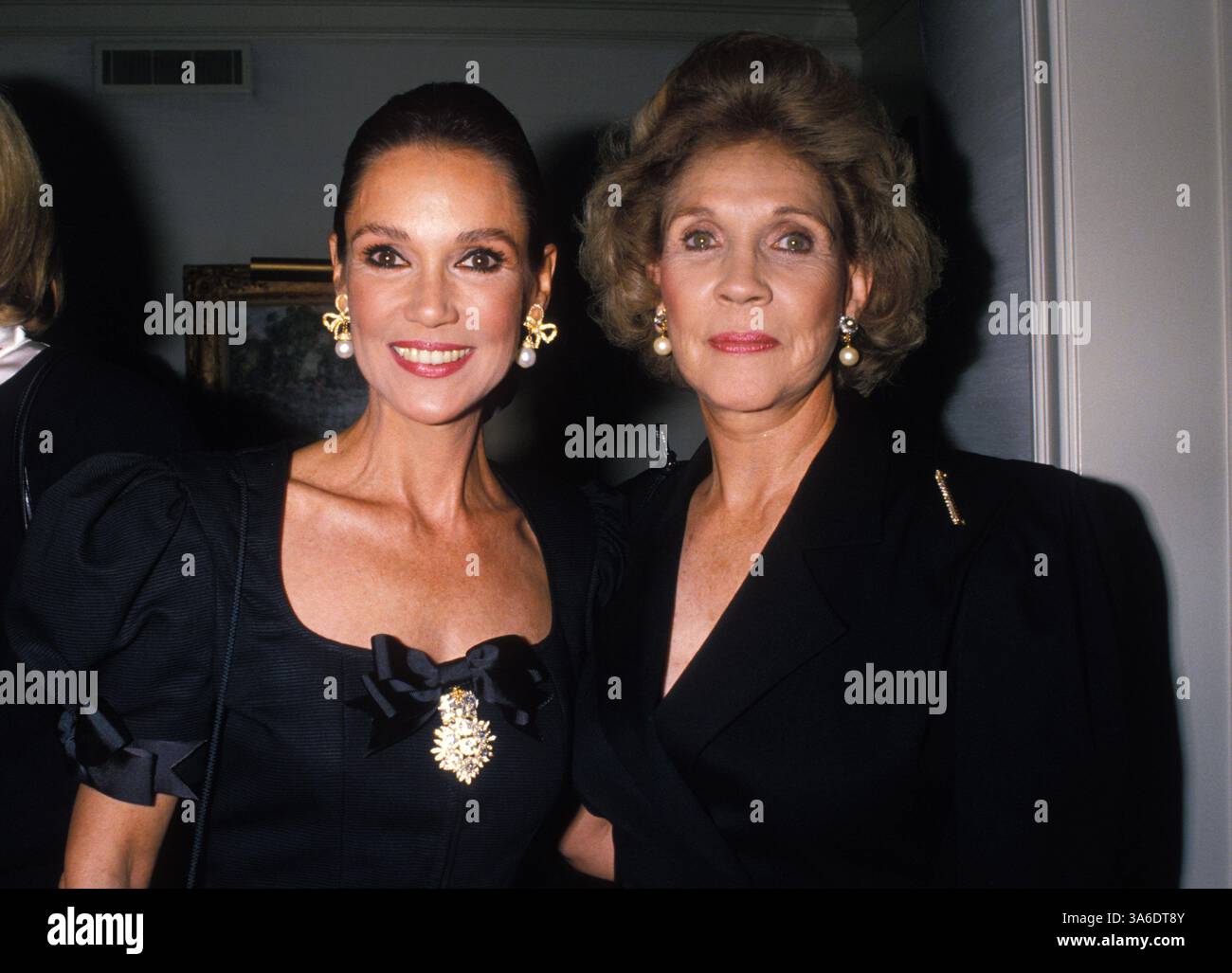
Mary Ann Mobley’s legacy as a Miss America winner, actress, and humanitarian is defined by her ability to bridge the gap between mid-century expectations of feminine beauty and the realities of a demanding professional career. Her trajectory—from the pageant stage to television stardom—illustrates a strategic navigation of the entertainment industry's "rules," where she balanced public persona with genuine intellectual ambition and philanthropic commitment.
The Pageant Foundation: Beyond the Tiara
Mary Ann Mobley was crowned Miss America in 1959, an achievement that served as the definitive entry point into the public consciousness. In the context of the late 1950s, the title carried rigorous expectations regarding decorum, aesthetic standards, and the projection of a specific American ideal. However, Mobley did not treat the title as a terminal goal; rather, she recognized it as a platform.
For a young woman in the 1950s, the "rules" of the pageant circuit were rigid. The winner was expected to act as a cultural representative, a role often characterized by passivity and poise. Mobley, however, utilized the visibility gained from her crown to pivot directly toward a professional career in performance. By transitioning from the pageant stage to the Metropolitan Opera and eventually to Hollywood, she demonstrated an early understanding that the "beauty" label could be an asset for entry, but "brains" were required for longevity.
Navigating the Studio System
When Mobley transitioned to film and television in the 1960s, she entered an industry governed by strict studio contracts and typecasting. To succeed, she had to navigate a landscape where actresses were frequently marketed as ornaments. Her approach to this—often described as "bendable rules"—involved a subtle refusal to be constrained by the "ingenue" archetype.
Her screen credits include significant appearances alongside iconic figures such as Elvis Presley in films like Girl Happy (1965) and Harum Scarum (1965). While these roles often emphasized her physical appeal, Mobley brought a level of professional training to the set that allowed her to negotiate more complex television roles in the years that followed. She became a frequent guest star on staples of 1960s and 70s television, including Perry Mason, The Virginian, and Mission: Impossible. By diversifying her portfolio across varied genres—from Westerns to procedural dramas—she avoided the career stagnation that often claimed actors who were exclusively tethered to one type of production.
Balancing Professional Demands and Personal Life
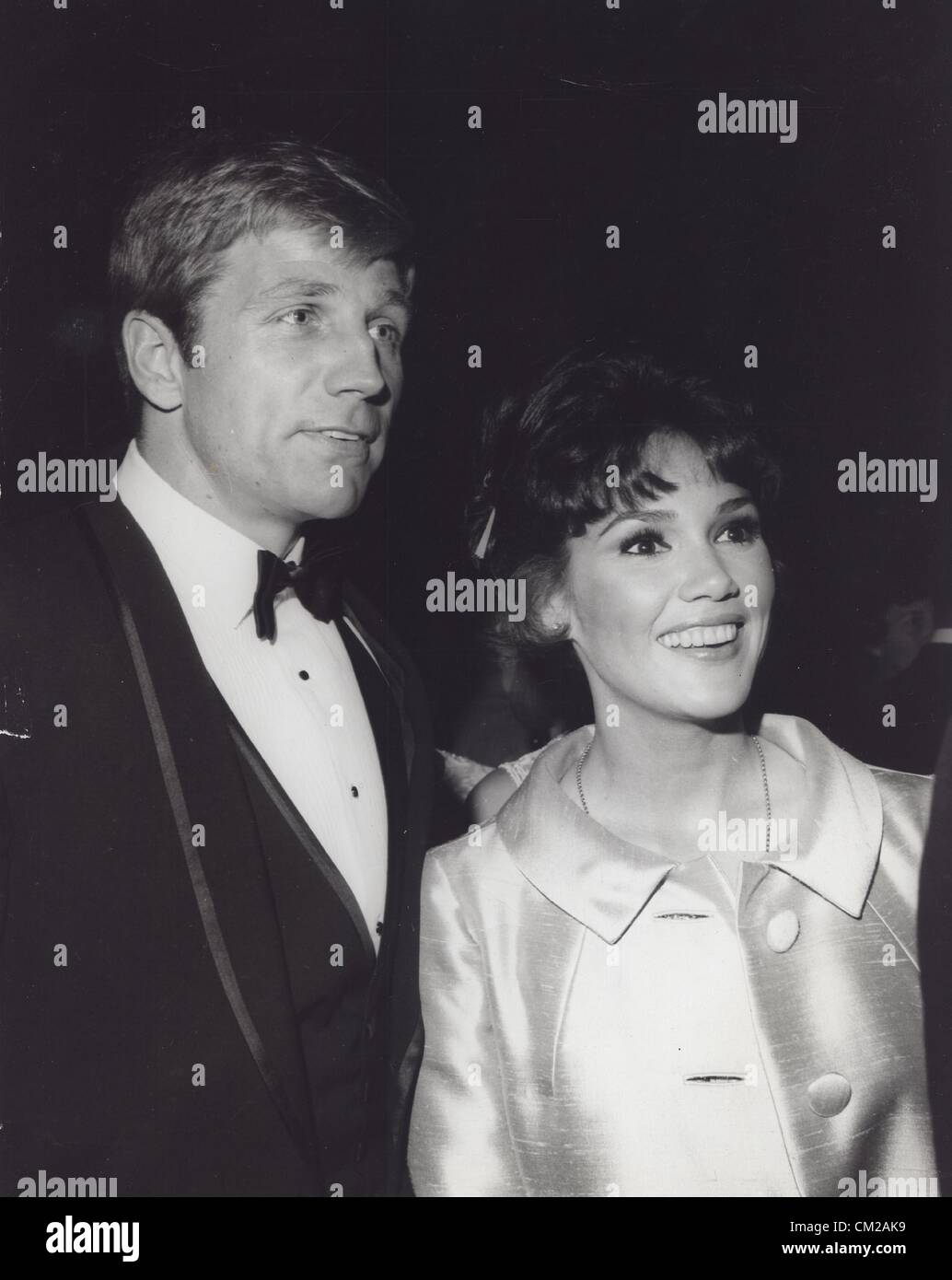
The "bendable rules" aspect of Mobley’s career is perhaps most evident in her marriage to fellow actor Gary Collins. In an era where many actresses were pressured to choose between professional development and domestic stability, Mobley and Collins maintained high-profile careers while simultaneously building a family.
This period required a sophisticated management of personal and professional boundaries. By integrating their public images as a power couple, they navigated the industry's fickle nature with more consistency than many of their contemporaries. They treated their collaborative public appearances as an extension of their individual professional goals, effectively turning the media’s interest in their private lives into a strategic component of their ongoing visibility.
Key Milestones in Mobley's Professional Development
| Milestone | Context | Professional Significance |
|---|---|---|
| Miss America 1959 | National Competition | Established initial public brand and visibility. |
| Transition to TV | 1960s Guest Starring | Demonstrated range across multiple genres. |
| Marriage to Gary Collins | 1967 | Navigated dual-career dynamics in Hollywood. |
| Humanitarian Efforts | 1980s and 90s | Transitioned focus from performance to advocacy. |
The Pivot to Humanitarianism
In the latter half of her life, Mobley applied the same "brains" that guided her acting choices toward rigorous humanitarian work. She became deeply involved with organizations focused on health and poverty, particularly in areas like Ethiopia and Cambodia. This was not merely the standard celebrity charity work of the era; Mobley engaged in on-the-ground assessment and documentation.
This transition highlights how she effectively broke the final "rule" of the aging celebrity: the expectation to fade into obscurity. By shifting her focus entirely toward advocacy, she redefined her public identity from "former beauty queen" to "dedicated humanitarian." Her work was characterized by a pragmatic, results-oriented approach that reflected her educational background and her years of observing how to effectively mobilize public interest toward tangible change.
Analyzing the "Bendable Rules" Mentality
What does it mean to have "bendable rules" in a mid-20th-century context? For Mobley, it was an exercise in agency. The rules of the time dictated that a beauty queen should be a silent ambassador; she chose to be a vocal student of the craft. The rules dictated that an actress should be subservient to the studio system; she chose to diversify her roles and seek independence in television.
This mindset is crucial for understanding her durability. She was not a disruptor in the rebellious sense; she was a calculated strategist. She understood the structures surrounding her—the pageant committees, the studio executives, and the social expectations of the 1960s—and identified the margins where she could exert her own agency without triggering a complete rejection by the establishment. This allowed her to maintain a career that lasted decades, moving seamlessly from the spotlight of pageantry to the steady work of character acting and ultimately the meaningful pursuit of philanthropy.
Frequently Asked Questions
Did Mary Ann Mobley's beauty pageant win help or hinder her acting career?
The win functioned as a catalyst. While it initially categorized her as an "aesthetic" talent, it granted her immediate name recognition that provided access to producers and casting directors. She subsequently used that access to demonstrate her technical ability in live television and film, which eventually helped her transcend the initial perception associated with her title.
How did Mary Ann Mobley manage her career alongside her marriage?
Mobley and her husband, Gary Collins, utilized a collaborative approach to their professional lives. By leveraging their status as a recognizable couple, they managed to sustain media interest while maintaining individual acting projects. Their ability to balance these elements was largely due to their understanding of the entertainment business as a partnership, which allowed them to negotiate projects that did not isolate them from one another.
What defined Mary Ann Mobley’s work in the later years of her career?
In the 1980s and beyond, Mobley shifted her primary focus toward international humanitarian efforts. She used her remaining public platform to document the conditions in impoverished or war-torn regions, moving away from entertainment and toward direct advocacy and global health support.
Is there a specific lesson in "bendable rules" for modern career navigation?
The primary lesson is the necessity of strategic adaptation. Mobley’s career demonstrates that one does not need to abandon the initial label they are given (such as "beauty queen"), but rather, one must actively expand the scope of their work to ensure that their professional value remains tied to skills and achievements rather than just an initial, static identity.
How did her background as a student contribute to her career trajectory?
Mobley’s commitment to education, particularly her studies at the University of Mississippi and later at the Actors Studio, provided a substantive foundation that separated her from contemporaries who relied solely on appearance. This intellectual curiosity allowed her to approach acting as a profession to be studied, rather than a performance to be curated.
Next Steps for Studying Legacy Actors
For those interested in the professional evolution of mid-century performers, the next step involves reviewing the specific archives of late 20th-century television production. Examining the trade publications of the 1960s, such as Variety or The Hollywood Reporter from those years, reveals how actresses like Mobley were positioned in casting calls versus how they were presented in fan magazines. This dual view provides the most accurate evidence of how an actress's "brains"—their ability to read the industry landscape—allowed them to navigate their careers with far more agency than is often credited in historical retrospectives.