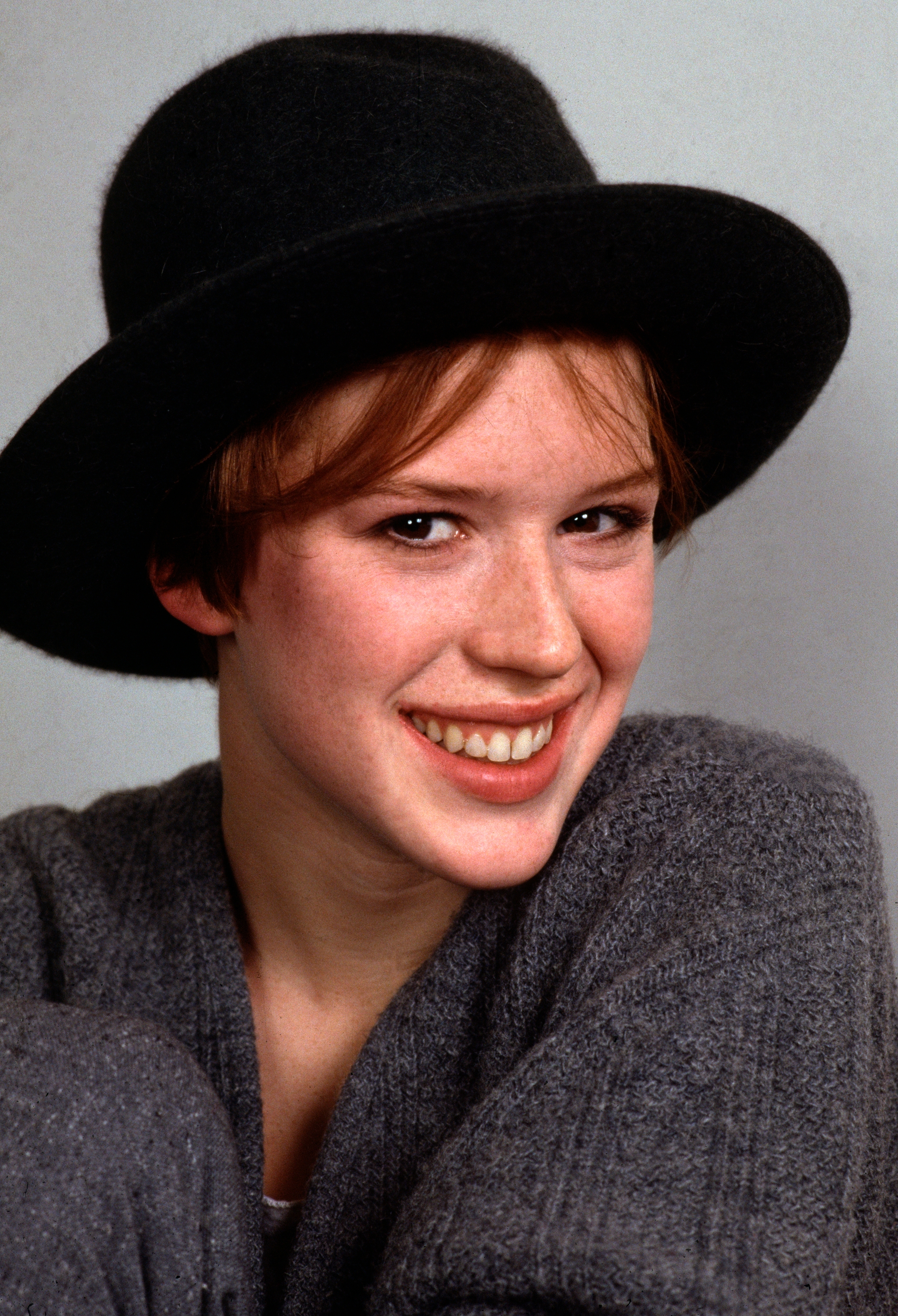
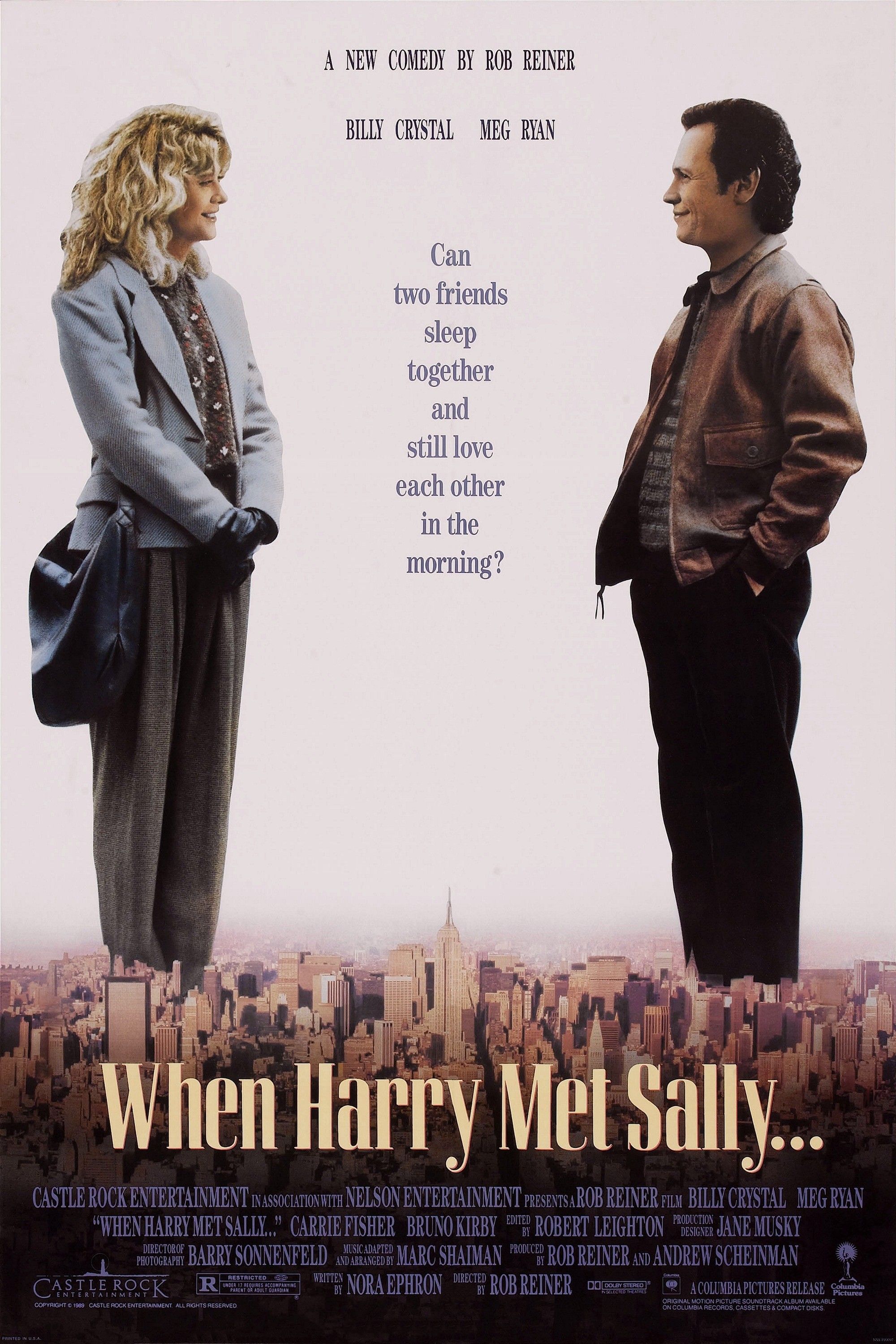
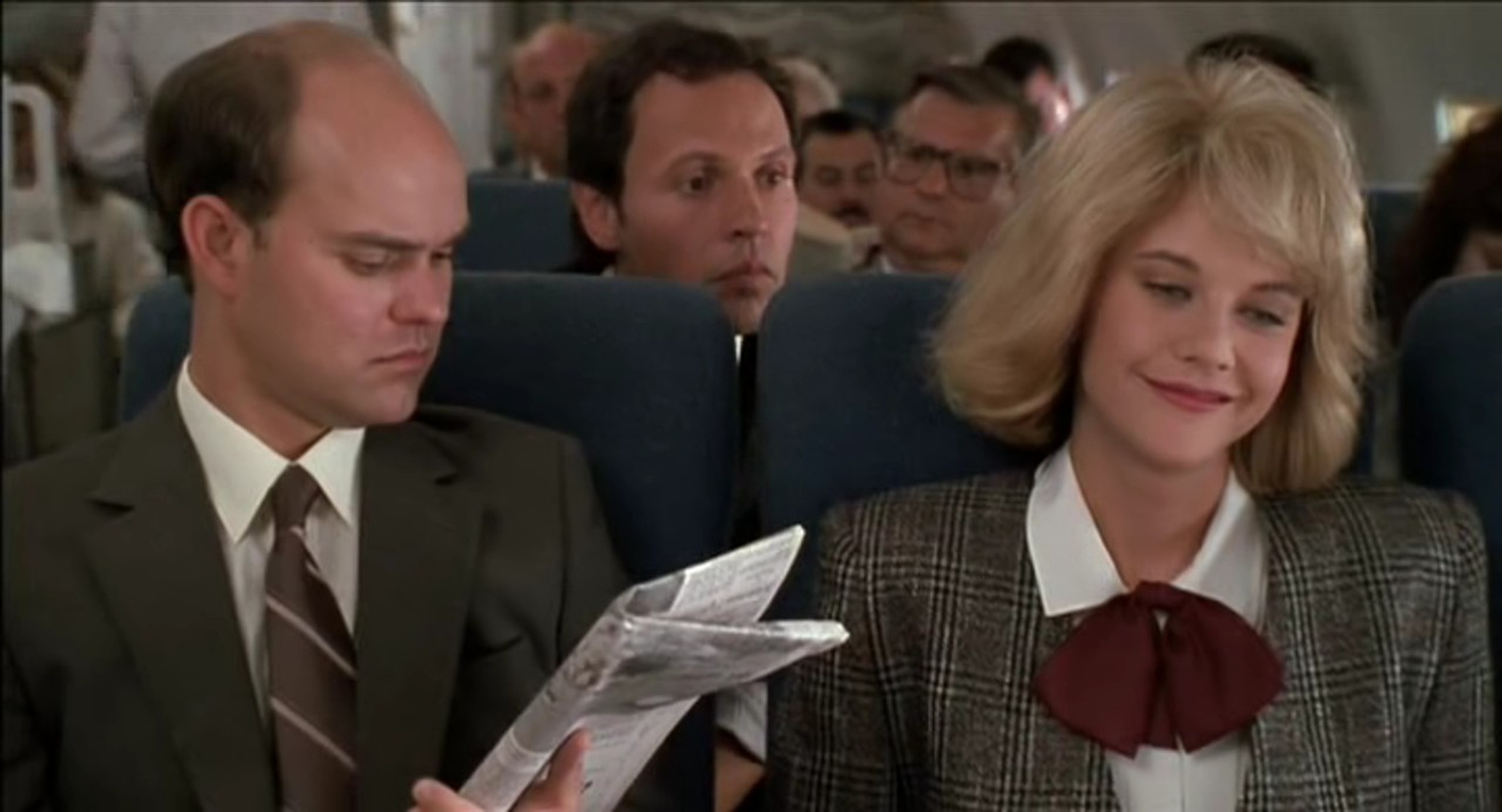
The actress who played the iconic lead role of Sally Albright in the 1989 classic romantic comedy When Harry Met Sally is Meg Ryan. Her performance, characterized by a mix of neurotic charm and intellectual wit, solidified her status as a Hollywood superstar and remains a definitive benchmark for the romantic comedy genre.
The Cultural Impact of Sally Albright
When Rob Reiner’s When Harry Met Sally premiered in 1989, it shifted the paradigm for how romantic comedies were written and performed. Central to this success was Meg Ryan’s portrayal of Sally Albright. Unlike the typical leading ladies of the era who often relied on archetypal tropes, Ryan brought a grounded, specific, and relatable humanity to Sally. The character’s high-maintenance tendencies, obsessive attention to detail—famously illustrated by her specific ordering habits in restaurants—and professional drive provided a complex foundation that anchored the film’s central question: Can men and women ever just be friends?
Ryan’s performance was essential because the script, penned by Nora Ephron, required an actress who could handle rapid-fire, sophisticated dialogue while remaining vulnerable. The chemistry between Ryan and Billy Crystal was not just about physical attraction; it was about the collision of two distinct worldviews. Sally represented a structured, orderly perspective, while Harry Burns offered a cynical, chaotic foil. Ryan’s ability to communicate frustration, amusement, and burgeoning love through subtle facial expressions and pacing allowed the audience to track the relationship’s evolution over the span of a decade.
Meg Ryan’s Trajectory to Iconic Status
Before When Harry Met Sally, Meg Ryan had built a steady career with roles in films like Top Gun and Innerspace. However, the role of Sally Albright acted as the primary catalyst for her career-defining decade in the 1990s. This performance effectively created the "Meg Ryan rom-com" aesthetic—a blend of lighthearted charm, emotional depth, and a unique ability to carry a narrative that balanced humor with genuine heartache.
Following the success of the film, the industry viewed Ryan as the definitive lead for character-driven romantic comedies. She leaned into this, delivering performances in subsequent classics such as Sleepless in Seattle and You’ve Got Mail. Her work in When Harry Met Sally essentially provided the template for these later roles. The "iconic" nature of her performance is evidenced by its longevity; even in 2026, the film is consistently referenced in academic film studies and popular culture as the gold standard for scriptwriting and character acting in the genre.
Dissecting the Iconic Diner Scene
It is impossible to discuss the actress behind Sally Albright without addressing the film's most famous sequence: the scene at Katz’s Delicatessen in New York City. The scene serves as a masterclass in comedic timing and physical acting. In this moment, Sally demonstrates to Harry that men cannot distinguish between genuine and faked intimacy.
The brilliance of the performance lies in Ryan’s commitment to the bit. While Billy Crystal’s reaction—sitting silently while onlookers stare—is the perfect comedic counterpoint, the scene hinges entirely on Ryan’s audacity. She is not merely playing a prank on Harry; she is asserting control over the conversation. The transition from the public performance to the quiet, deadpan delivery of the line, "I'll have what she's having," provided by the film's director’s mother, remains one of the most recognized segments in cinema history. This specific sequence cemented Ryan’s reputation for fearlessness in comedy, proving she could balance broad physical humor with the subtle requirements of the scene's emotional stakes.
Comparing Key Performances in the 1989 Rom-Com Genre
While 1989 saw several successful films, When Harry Met Sally stood apart due to the specific chemistry of its leads. The following table provides a comparison of how the film’s approach to character dynamics differed from other notable romantic comedies of the late 1980s.
| Film Feature | When Harry Met Sally | Typical 80s Rom-Coms |
|---|---|---|
| Character Depth | High; focus on long-term growth | Low; focus on "love at first sight" |
| Dialogue Style | Witty, fast, and cynical | Broad, slapstick, or overly earnest |
| Emotional Stakes | Built over years of friendship | Often forced by external plot devices |
| Acting Approach | Naturalistic and restrained | Heightened, theatrical delivery |
The data confirms that the structural design of the film allowed Ryan to develop Sally Albright over a period of twelve years within the narrative. This temporal scope is rare in the genre, providing the audience with a sense of maturation that most contemporary films lacked.
The Craft of the "Nora Ephron Heroine"
Nora Ephron’s writing style was famously precise, and the role of Sally Albright required an actress who could respect the rhythm of the text without making it sound rehearsed. Meg Ryan was adept at "the turn"—the exact moment in a scene where the tone shifts from light conversation to a more serious realization. This was vital for a film that relied heavily on dialogue-based progression rather than action-based events.
For students of acting, the film serves as a lesson in how to play "neurotic" without becoming caricature. Ryan’s Sally was never just a collection of quirks; her personality was a protective mechanism built to navigate a world that she often found unpredictable. By understanding the underlying motivation—the need for control—Ryan ensured that Sally remained a sympathetic and evolving figure, rather than just a punchline. This depth is precisely why the role remains a touchstone for actresses seeking to balance commercial appeal with nuanced character work.
Understanding the Role’s Requirements
For those analyzing the film’s success, it is important to understand the specific professional requirements that allowed Ryan to succeed in this iconic role.
- Dialogue Pacing: The ability to handle overlapping dialogue while maintaining character intent.
- Physicality: Managing the physical humor of the diner scene while keeping it tethered to the reality of the scene.
- Long-form Character Arcs: The discipline to show how a character changes—or fails to change—over more than a decade.
- Chemistry Management: The capacity to maintain an antagonistic yet affectionate rapport with a co-star without allowing the performance to become repetitive.
These requirements explain why the role was not easily cast. It demanded a balance of intelligence and vulnerability that was, at the time, quite rare in the casting directors' pools for mainstream comedies.
Frequently Asked Questions
Did Meg Ryan improvise the diner scene?
While the script for the scene was carefully crafted by Nora Ephron, the physical execution was a collaborative effort. Meg Ryan and Billy Crystal worked closely with director Rob Reiner to determine the specific beats of the performance, but the iconic dialogue and the core structure remained true to the written screenplay.
Why is Sally Albright considered an iconic character?
Sally is iconic because she represented a shift in the depiction of women in film. She was a professional, opinionated, and complex woman who was not defined solely by her search for a partner. Her "neuroses" were presented as fully realized human traits rather than flaws to be "cured" by a man.
How did the film change Meg Ryan’s career?
The film transitioned Ryan from a promising young actress to a bona fide A-list star. It established her as the premiere lead for romantic comedies, a niche she would dominate throughout the 1990s, ultimately allowing her to command high salaries and have a greater say in the projects she chose.
Is there a modern equivalent to the role of Sally Albright?
While many films attempt to capture the "Ephron-esque" witty banter, few achieve the same balance of character development and script precision. Current romantic comedies often focus on high-concept "what-if" scenarios, whereas When Harry Met Sally remains distinct for its focus on the mundane, everyday friction of long-term friendship.
Next Steps for Film Enthusiasts
To truly appreciate the nuance of Meg Ryan’s performance, viewers are encouraged to watch the film with a focus on the non-verbal reactions. Observe how Ryan reacts to Harry’s cynicism during the transition scenes—which are often shot in the form of documentary-style interviews. These scenes offer a unique window into how the actor inhabits the character’s thoughts when she is not the primary speaker. For further study, read the original screenplay by Nora Ephron to compare the written rhythm of the dialogue with the final delivery on screen. This exercise highlights the synergy between screenwriter and actor that is required to make a performance truly "iconic."