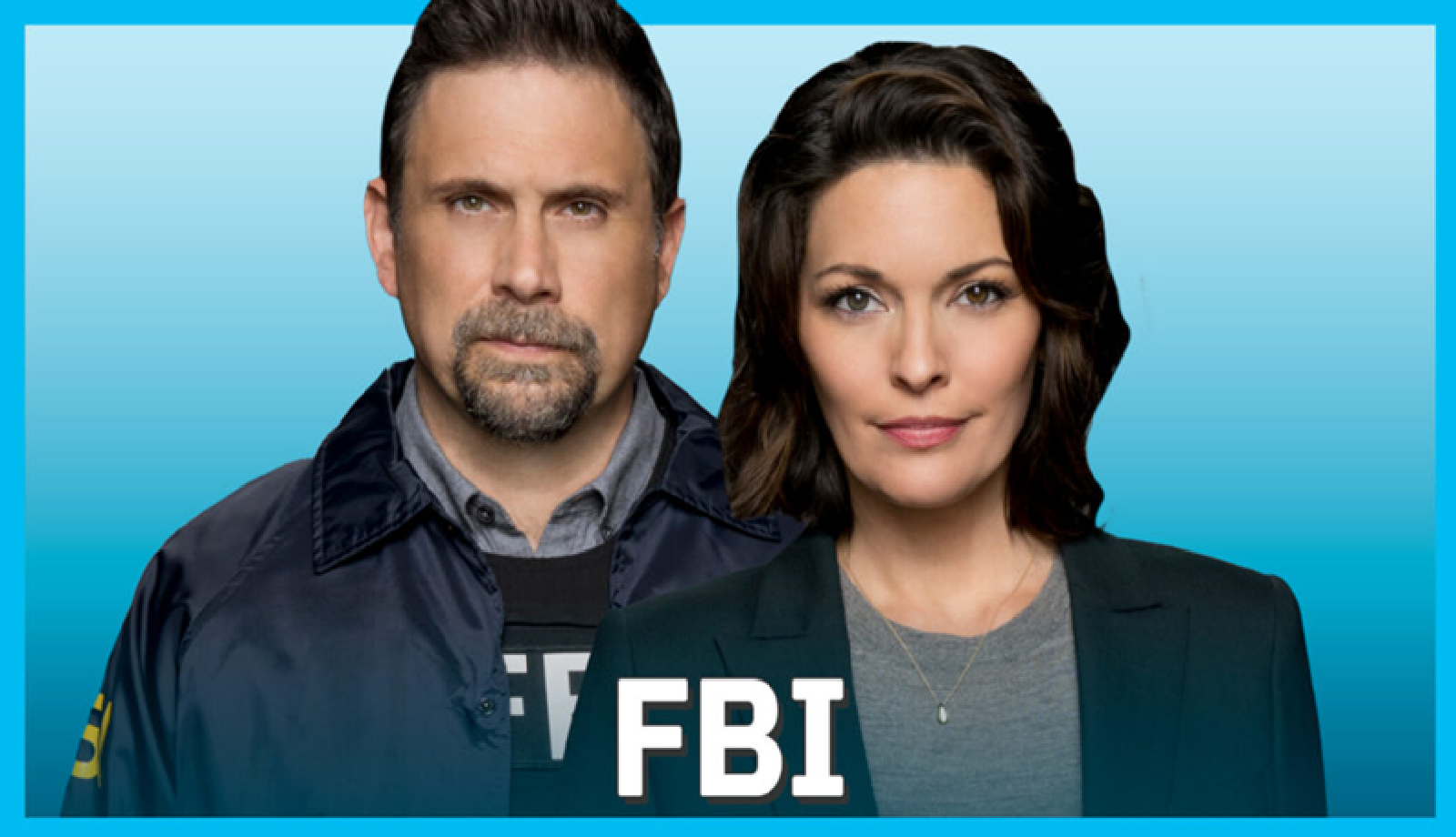
The portrayal of FBI agents on television requires actresses to balance procedural technicality with the intense emotional stakes inherent to federal law enforcement roles. Across various series, these characters function as the lens through which viewers understand complex investigative protocols, interagency cooperation, and the psychological burden of public service, grounding fictional narratives in recognizable institutional frameworks.
The Evolution of Female FBI Archetypes in Television
Television history has shifted significantly regarding how female federal agents are depicted. Historically, female characters in law enforcement were often relegated to support roles or restricted by narrow tropes. However, modern crime dramas have transitioned toward multifaceted characterizations where the agent’s professional competence is as critical as their personal history.
In contemporary procedural dramas, actresses often perform extensive research—including consultations with retired agents or tactical training—to master the specific lexicon and body language of the Federal Bureau of Investigation. This dedication is necessary because audiences now demand high levels of accuracy regarding firearms handling, chain-of-custody protocols, and the reality of the administrative hierarchies present within the Bureau. These characters are no longer just archetypes of authority; they are individuals navigating the high-pressure environment of the Field Office while balancing the ethical nuances of surveillance, interdiction, and criminal profiling.
Defining the Role: Procedural vs. Psychological Depth
When an actress takes on an FBI role, the script typically requires a performance that spans two distinct domains: the technical procedure and the human element. The procedural aspect involves the mastery of specific vocabulary—terms like "Task Force," "Evidence Response Team," or "interagency cooperation"—which must be delivered with the casual authority of someone who has spent years in the field.
Conversely, the psychological depth comes from the "cost" of the job. Many high-profile FBI characters on television are written to show the strain of working in high-stakes environments, such as counter-terrorism or serial crime investigation. Actresses must convey that these characters operate under the weight of federal statutes and the constant threat of personal or professional fallout. The tension between the rigid structure of the FBI and the messy reality of the cases they solve is the primary engine of drama in these shows.
Comparison of Representative FBI Roles in Media
To understand how these roles function, it is helpful to look at how different series classify their lead characters. While fictional, these portrayals often mirror the divisions found within the real-world Bureau, such as the Criminal Investigative Division or specialized counter-intelligence units.
| Character Name | Series | Focus Area | Character Archetype |
|---|---|---|---|
| Dana Scully | The X-Files | Scientific/Medical | Skeptic & Medical Expert |
| Maggie Bell | FBI (2018–Present) | Field Operations | Tenacious Field Agent |
| Elizabeth Keen | The Blacklist | Profiling | Analyst turned Operative |
| Clarice Starling | Clarice | Behavioral Science | Forensic Investigator |
This table illustrates that while the "FBI Agent" title is a common denominator, the day-to-day responsibilities vary wildly between a forensic specialist and an operative conducting high-risk surveillance. Actresses in these roles often have to pivot between these specific functional identities, which drastically alters how they portray the character’s reaction to a threat.
Essential Requirements for Authentic Portrayal
For an actress to convincingly step into the shoes of an FBI agent, they must adopt several foundational elements of the tradecraft as depicted on screen. These elements provide the authenticity that fans of the genre expect.
- Weapon Proficiency: The portrayal of sidearm handling, holster retention, and "muzzle awareness" is heavily scrutinized by the audience. Actresses often undergo live-fire training to ensure their movements appear practiced and disciplined rather than performative.
- Institutional Knowledge: Understanding the hierarchy of the Bureau is vital. A character who lacks respect for the chain of command or fails to adhere to the legal limitations of a search warrant can break the suspension of disbelief.
- The "Agency Voice": There is a distinct, understated manner of speaking often used by these characters. It is characterized by brevity, a focus on objective facts, and a refusal to engage in emotive reactions during a briefing or a raid.
Challenges in Balancing Realism and Entertainment
The most significant challenge for actresses portraying FBI agents is the constant tug-of-war between television production requirements and actual federal investigative limitations. In reality, FBI work involves long periods of surveillance, extensive paperwork, and strict adherence to Department of Justice guidelines. Television, however, requires conflict, rapid progression, and physical action.
To resolve this, writers often create characters who operate on the edge of the rules. Actresses in these roles must find a way to make the character feel "legitimate" even when the narrative requires them to break protocol. This requires a nuanced performance—a subtle look of hesitation before bypassing a regulation, or a moment of frustration when the bureaucracy slows down a critical operation. It is this tension that keeps the audience engaged, as they witness a character trying to maintain their moral compass within an inflexible system.
Frequently Asked Questions
How do actresses prepare for FBI roles?
Most actresses prepare by working with technical advisors, who are often former federal agents. This involves learning how to hold a badge and firearm correctly, understanding how to read a warrant, and learning the specific way agents communicate in the field to ensure accuracy in their performance.
Is the depiction of the FBI on TV historically accurate?
While shows attempt to replicate the look and feel of the FBI, they often compress months of investigative work into a single hour. The roles are accurate in terms of aesthetic and general mission, but they frequently dramatize the speed of laboratory results and the frequency of field combat compared to real-world operations.
Do FBI roles require specific acting techniques?
Yes, these roles often demand "understated acting." Because FBI agents are trained to maintain neutrality and control, actresses are often required to restrain their emotions and convey internal conflict through micro-expressions and body language rather than overt displays of anger or panic.
Why are so many shows centered on FBI agents?
The Bureau provides a clear institutional framework that allows for a wide variety of case types—from white-collar crime and cyber-terrorism to violent criminal acts. This flexibility allows shows to move between diverse genres, keeping the storylines fresh while maintaining the anchor of the organization.
Advancing Your Understanding of Federal Law Enforcement Media
If you are interested in exploring the depth of these portrayals, the best next step is to observe the difference between early 1990s crime dramas and current 2026 releases. Watching how the "agent" character has moved from a detached, purely observational figure to a protagonist with significant personal emotional weight provides a clear roadmap of how acting styles in the procedural genre have evolved. When viewing these shows, look specifically for how the actress handles the "downtime" scenes in the office; these quiet moments often reveal more about their commitment to the authenticity of the role than the action sequences themselves.