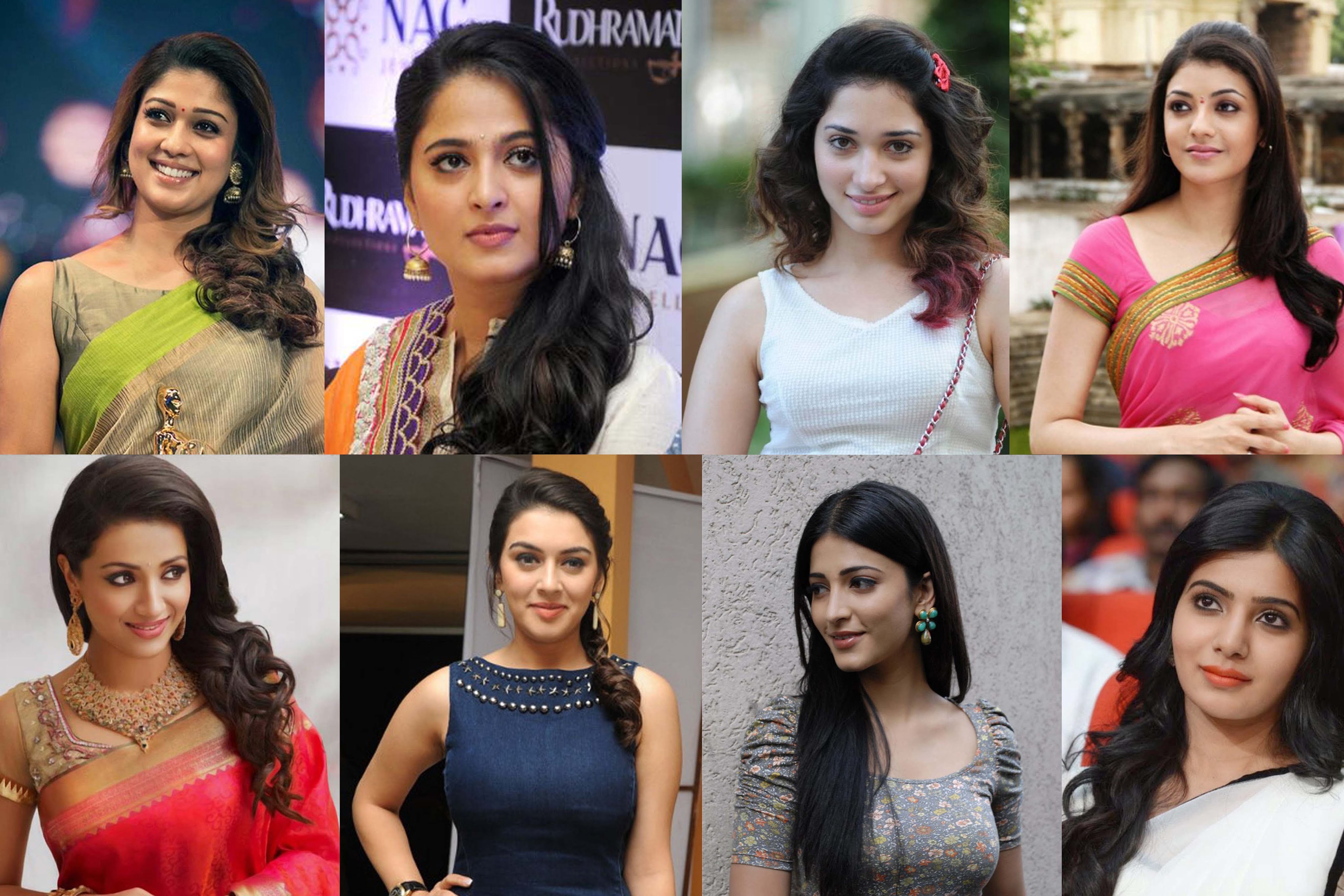
In the context of the entertainment industry, the term "Actress ED" most frequently refers to the technical abbreviation for "Actress Editorial." This terminology is predominantly used by talent agencies, casting directors, and digital media platforms to categorize professional editorial photography, portfolios, and promotional content specifically curated for an actress’s career advancement. It distinguishes high-end, professionally produced imagery from casual headshots or social media snapshots.
Defining the Scope of Actress Editorial Content
The term "Actress ED" serves as a shorthand for the editorial-style assets that define an actress's visual brand. Unlike standard headshots, which serve a functional purpose—typically used for auditions, casting databases, and basic identification—editorial imagery is designed for public relations, magazine features, digital publicity, and personal branding.
Professional editorial work for actresses involves a collaborative process between the talent, a photographer, a stylist, and often a creative director. The objective is not merely to provide a clear likeness but to communicate a specific persona or "vibe" that aligns with the roles the actress seeks to secure. Whether the aesthetic is high-fashion, commercial, grounded, or gritty, the editorial content acts as the visual shorthand for an agent or manager when pitching talent to producers.
Prerequisites for Professional Editorial Shoots
For an actress seeking to build a robust "ED" portfolio, professional preparation is essential. The industry standard requires more than just a camera; it requires a coordinated team. Before commissioning editorial work, professionals should evaluate their current career standing to determine the specific aesthetic requirements of their target market.
Prerequisites often include:
- Creative Brief: A defined vision of the roles the actress is targeting. A comedy actress may prioritize approachable, vibrant imagery, while a dramatic actress might seek moody, cinematic lighting.
- Styling Team: Access to professional hair and makeup artists (HMUA) who understand the difference between film-set makeup and editorial print makeup.
- Professional Photography: Hiring a photographer who specializes in talent branding, as opposed to general portraiture.
- Rights Management: Clear communication regarding image usage rights (e.g., social media vs. print vs. agency use).
The Evolution of Digital Portfolios in 2026
By 2026, the digital landscape for actresses has shifted heavily toward interactive and high-fidelity portfolios. An "Actress ED" collection is no longer just a static gallery on a website; it is increasingly integrated into talent agency databases and casting portals.
Current industry standards demand high-resolution, color-graded assets that are optimized for mobile viewability. As casting directors review candidates via tablet and smartphone interfaces, the "editorial look" must remain sharp across various screen resolutions. This has led to an increased demand for "motion editorial"—short, cinematic clips that bridge the gap between still photography and a traditional acting reel, providing a glimpse into the actress’s presence without the commitment of a full scene performance.
Comparing Headshots vs. Editorial Assets
Understanding the distinction between these two primary types of professional assets is crucial for career management. While both are necessary, they serve different functions within the industry ecosystem.
| Feature | Casting Headshot | Actress Editorial (ED) |
|---|---|---|
| Primary Purpose | Identification and auditions | PR, social media, and marketing |
| Style | Neutral, clean, minimal retouching | Stylized, lighting-dependent, creative |
| Industry Usage | Casting networks, resumes | Magazines, digital interviews, press kits |
| Frequency | Updated 1–2 times per year | Updated for specific project or era |
| Focus | Accurate representation of likeness | Brand narrative and aesthetic mood |
Managing Costs and Production Requirements
Budgeting for editorial imagery involves a layered cost structure. Unlike headshots, which are often sold as flat-rate packages, professional editorial photography is typically priced based on complexity, labor, and usage licensing.
In 2026, costs associated with creating a high-tier editorial portfolio may include:
- Day Rates: Payments for the photographer, lighting assistants, and digital technicians.
- Creative Services: Fees for wardrobe stylists, hair stylists, and makeup artists.
- Location/Studio Costs: Rental fees for high-end studio spaces or permits for location shoots.
- Post-Production: Hourly rates for professional retouching, which is a hallmark of the "ED" look. Unlike standard headshots, which require minimal retouching to maintain authenticity, editorial images often undergo significant color grading to fit a specific aesthetic narrative.
Troubleshooting Common Branding Mistakes
A frequent error for emerging talent is the confusion of "editorial" with "over-produced." An effective editorial asset should never obscure the actress's identity. If a photograph is so heavily stylized or edited that a casting director cannot recognize the talent in person, it has failed its purpose.
To avoid this, talent should:
- Ensure Consistency: Your editorial images should be clearly linked to your headshot. They should look like the same person, just within a different context.
- Avoid Trend-Chasing: Avoid high-fashion filters or poses that are ephemeral. Editorial content should have a shelf life of at least 12–18 months.
- Verify Rights: Always ensure you have a signed release from the photographer confirming your rights to use the images for your professional promotional materials.
Frequently Asked Questions
Is "Actress ED" a requirement for casting?
No. An editorial portfolio is a promotional tool used for public relations and marketing. It is not required for standard casting submissions, where a clean, neutral headshot remains the gold standard.
How often should I refresh my editorial content?
Professional standards generally suggest a refresh whenever there is a significant change in appearance or a pivot in the type of roles you are targeting. For most working actors, updating editorial assets once every 12 to 24 months is sufficient.
Can I use my editorial photos for my resume?
Editorial photos are generally not recommended for resumes or casting databases. These platforms require headshots that clearly show your features without distracting lighting, heavy makeup, or artistic poses. Keep your editorial assets for your website and social media presence.
What is the most important element of an editorial shoot?
The most important element is the "brand narrative." You should be able to look at your editorial images and immediately identify the type of project you are suited for—whether it is an indie drama, a network procedural, or a high-fashion commercial campaign.
Do agencies provide editorial shoots for their talent?
This varies significantly by agency. Top-tier agencies may coordinate shoots for their talent as part of an overall branding strategy, while boutique or freelance talent is typically responsible for commissioning their own editorial content and coordinating with their management on the desired direction.
Next Steps for Developing Your Editorial Brand
If you are looking to elevate your professional presence, start by auditing your current digital footprint. Review your website and social media accounts to see if your imagery tells a cohesive story. If your current photos are a mismatched collection of different styles and qualities, it is time to consult with your representation about a coordinated shoot.
Define your "type" by analyzing the roles you are currently booking or auditioning for. Communicate this clearly to a professional photographer and a creative team. Once you have a clear brief, seek out professionals who have a proven track record of creating talent-focused editorial content, ensuring that the final output reinforces your professional brand without compromising your identity as a versatile performer.