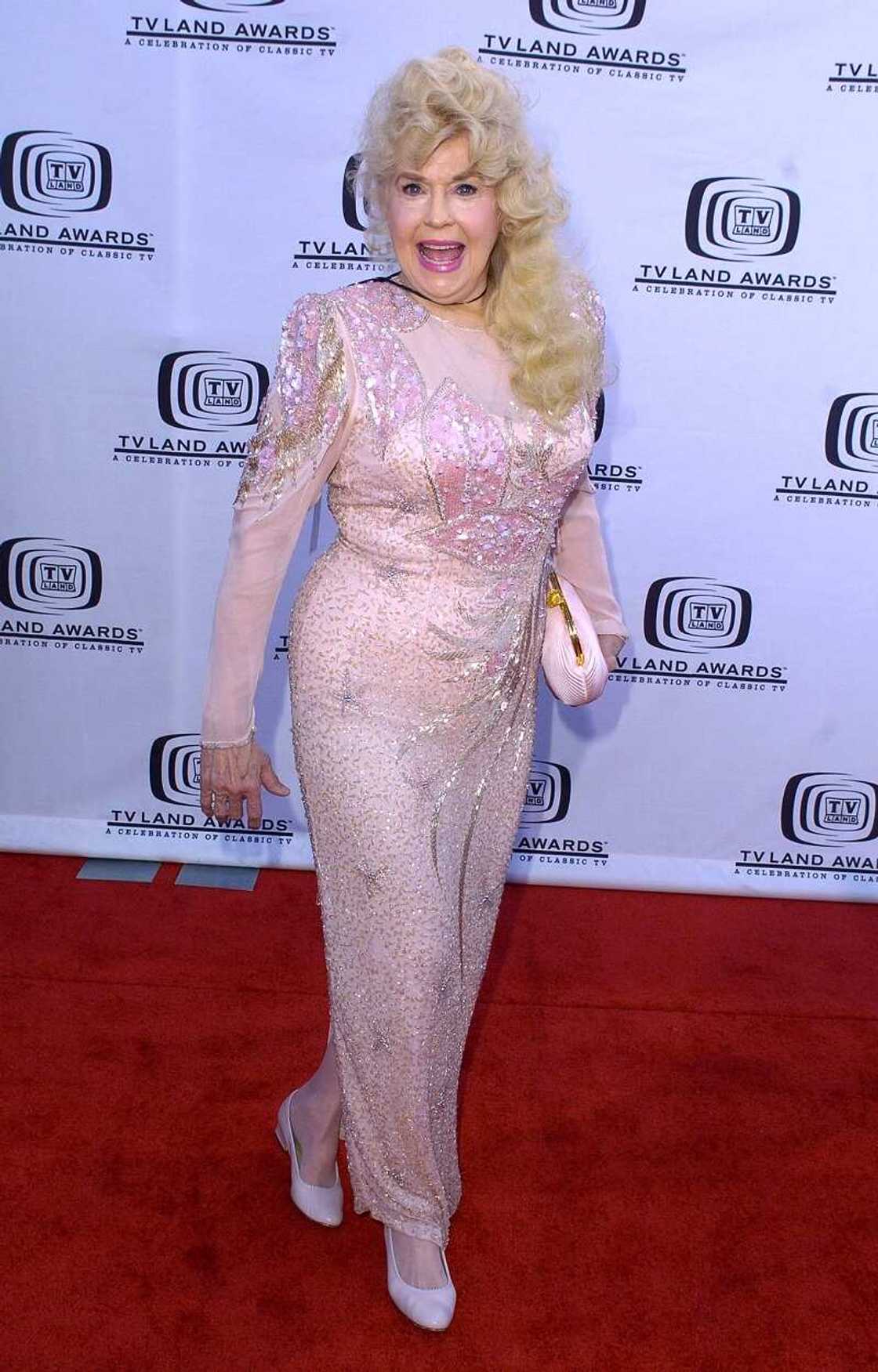
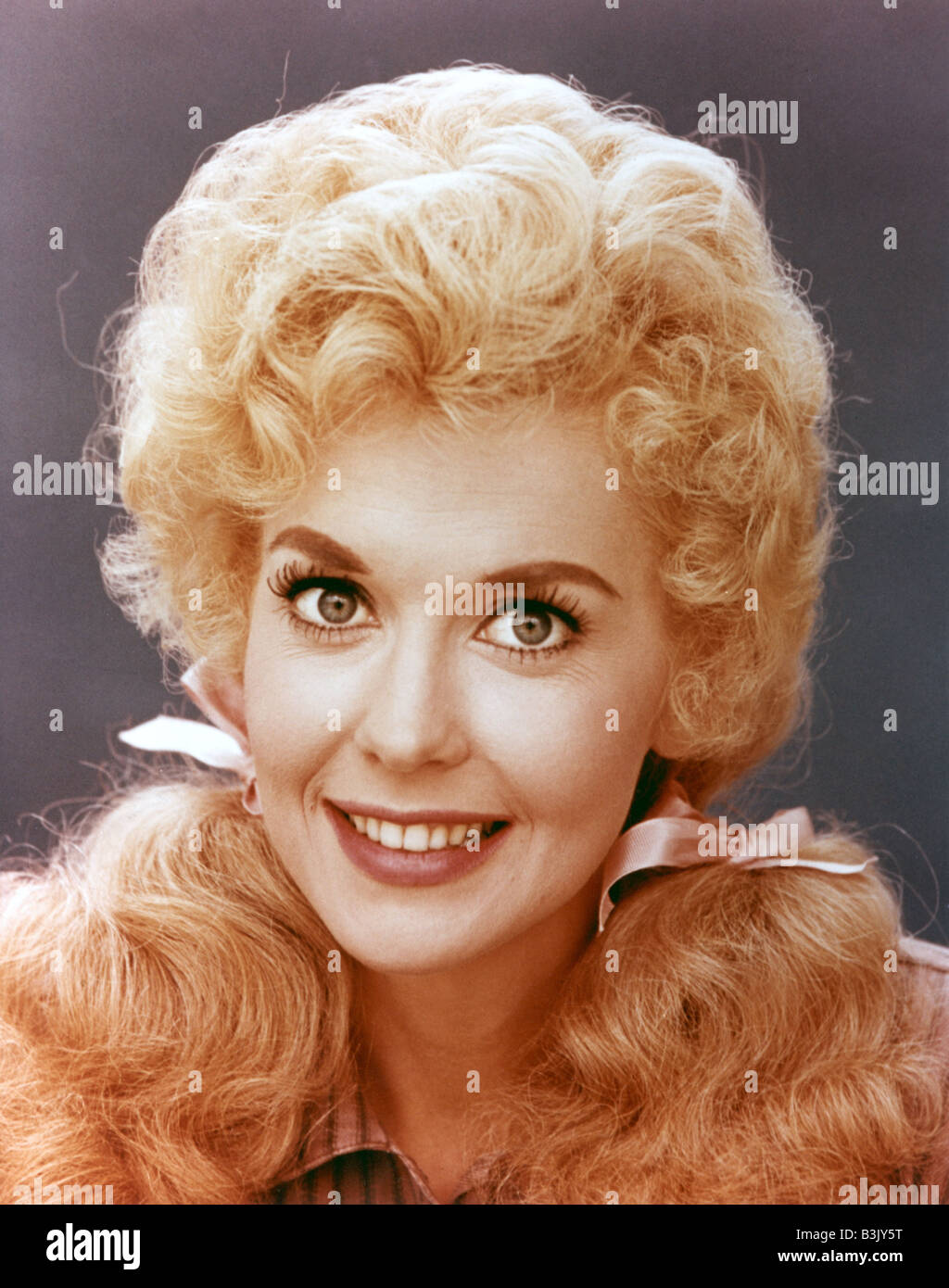
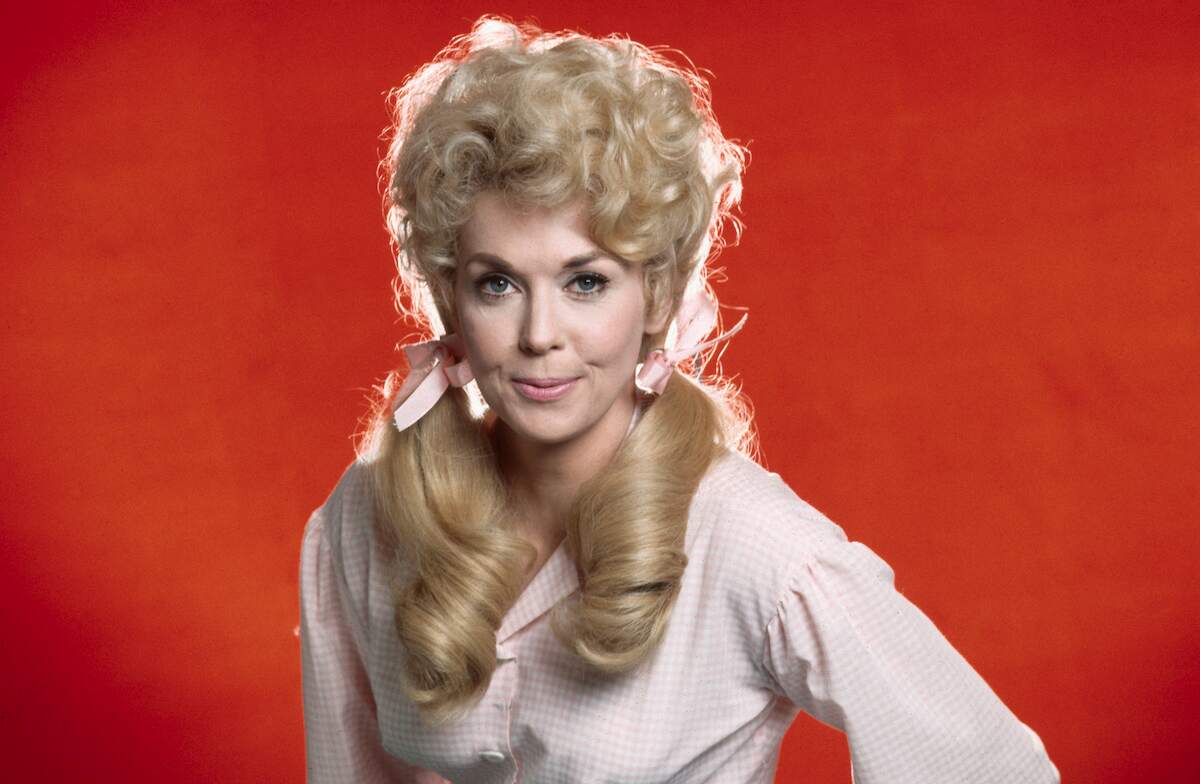
Donna Douglas, best known for her iconic portrayal of Elly May Clampett on the long-running television series The Beverly Hillbillies, left behind a professional legacy rooted in mid-century television success. At the time of her passing in 2015, her net worth was estimated by various industry sources to be approximately $500,000, a figure reflective of the compensation models common for television actors during the 1960s and the subsequent management of her professional estate.
Understanding the Earnings Structure of 1960s Television
To understand the financial standing of an actress like Donna Douglas, it is necessary to examine the economic landscape of the television industry between 1962 and 1971. Unlike modern performers who often negotiate backend participation or extensive residuals based on streaming and global syndication, actors in the early era of television worked under contracts that prioritized flat-rate per-episode fees.
During the production of The Beverly Hillbillies, Douglas was a lead cast member. While these roles provided consistent employment and significant public visibility, the standard practice at the time often locked actors into long-term exclusivity agreements. These contracts were highly favorable to the production studios, such as Filmways, which retained the primary intellectual property rights. Consequently, while stars like Douglas became household names, their direct financial windfall was largely limited to their base salary rather than the massive back-end syndication wealth associated with later television eras.
Revenue Streams and Professional Ventures
Donna Douglas’s earnings were not derived from a single massive movie franchise payout, but rather from a career sustained through steady work in television, film, and later, music and guest appearances. Her primary income sources can be categorized into three distinct phases of her career:
- Television Salaries: The majority of her career income during the 1960s came from her per-episode salary on The Beverly Hillbillies. In 2026 dollars, adjusted for inflation, these figures are modest compared to modern A-list television earnings.
- Film Roles: Prior to and during her television tenure, Douglas appeared in films such as Career (1959), Li'l Abner (1959), and Frankie and Johnny (1966) alongside Elvis Presley. These roles typically offered a fixed fee rather than points on the gross, which was standard for character actresses of the period.
- Guest Appearances and Public Relations: Following the conclusion of The Beverly Hillbillies, Douglas remained a recognizable figure in pop culture. Her appearances in television specials, interviews, and public events contributed to her post-series income.
Comparison of Financial Impact in Hollywood
When analyzing the net worth of television icons from the 1960s, it is important to contextualize their earnings against the backdrop of their peers. The following table illustrates the typical revenue structure for actors in major network sitcoms during that decade.
| Income Component | Mid-1960s Standard (Representative) | Modern Equivalent (Estimated) |
|---|---|---|
| Per Episode Salary | $2,000 – $5,000 | $150,000 – $500,000+ |
| Syndication Rights | Minimal to None | Negotiated Backend / Points |
| Merchandising | Rarely Participated | Extensive Ancillary Revenue |
| Employment Terms | Studio-Owned Exclusivity | Independent Contractor Status |
This comparison highlights why many actors of that generation, despite their high level of fame, did not accumulate the multi-million dollar fortunes seen by contemporary stars. The industry's legal and financial frameworks at the time heavily favored studio control over intellectual property.
Legal Challenges and Intellectual Property
A significant aspect of Donna Douglas’s financial legacy involves her legal disputes regarding the character of Elly May Clampett. In 2011, Douglas filed a lawsuit against Mattel and CBS. The dispute centered on a Barbie doll marketed by Mattel that featured the likeness of Elly May Clampett. Douglas contended that her image and the character’s persona were being utilized without authorization or compensation.
This case is illustrative of the ongoing struggle for actors to reclaim control over their likenesses and character portrayals. While the case was eventually settled, the costs associated with litigation and the limited scope of intellectual property rights granted to actors for their past performances serve as a reminder that legacy earnings are often subject to complex legal negotiation rather than automatic passive income.
Post-Career Financial Management
In her later years, Douglas shifted her focus toward gospel singing, public speaking, and writing children’s books. These ventures were not typically designed for high-margin profitability but rather served as personal passion projects. For many actors of the classic television era, financial security was bolstered by long-term investments rather than the high-velocity, high-risk financial models currently favored in Hollywood.
The maintenance of her estate also reflects the realities of the time. Like many of her contemporaries, she did not have the benefit of modern wealth management structures or high-level image licensing agreements that define the current celebrity economy. Therefore, the "earnings breakdown" of her career is defined more by steady, mid-level professional wages than by the accumulation of diversified, high-growth assets.
FAQ: Understanding Hollywood Financial Legacy
Was Donna Douglas a millionaire at the time of her death?
Evidence suggests that Donna Douglas’s net worth was in the mid-six-figure range rather than the multi-million dollar category. Her wealth was accumulated through a professional lifetime of acting, public appearances, and real estate holdings, rather than a single massive payday or ongoing royalties from her most famous role.
Why didn't she receive significant royalties from The Beverly Hillbillies?
The television industry in the 1960s operated on a "work-for-hire" basis. Standard employment contracts for actors during that era rarely included provisions for long-term syndication royalties or the massive residuals that became common starting in the late 1970s and 1980s. The studios owned the distribution rights, and actors were generally paid for the work performed on set.
How did the 2011 Mattel lawsuit affect her financial status?
The lawsuit involved allegations of unauthorized use of her likeness. While the terms of the settlement were confidential, such actions are typically resolved through a one-time settlement payment. While this provided a boost to her late-career finances, it did not fundamentally alter the trajectory of her lifetime net worth or earnings profile.
Did her film career contribute significantly to her net worth?
While she appeared in notable films alongside major stars like Elvis Presley, her roles were generally as a supporting actress. In the 1950s and 60s, supporting roles provided solid income but did not typically confer the kind of "points on the back end" that lead stars negotiated to build generational wealth.
What should fans know about assessing celebrity net worth?
Most public figures' net worth estimates are based on public real estate filings, probate records, and industry reporting. These figures are often estimates and do not account for hidden assets, personal liabilities, or the private management of wealth through trusts and family estates.
Navigating Celebrity Financial History
To better understand the financial history of actors from the classic Hollywood era, it is essential to look at the specific studio systems in place at the time. If you are researching the financial history of a particular performer, focus on verified probate records or reliable industry journals from the era of their retirement. For legal and financial matters regarding modern representation, consult current SAG-AFTRA (Screen Actors Guild – American Federation of Television and Radio Artists) resources, which outline the evolution of residual payments and intellectual property rights from the mid-20th century to 2026.