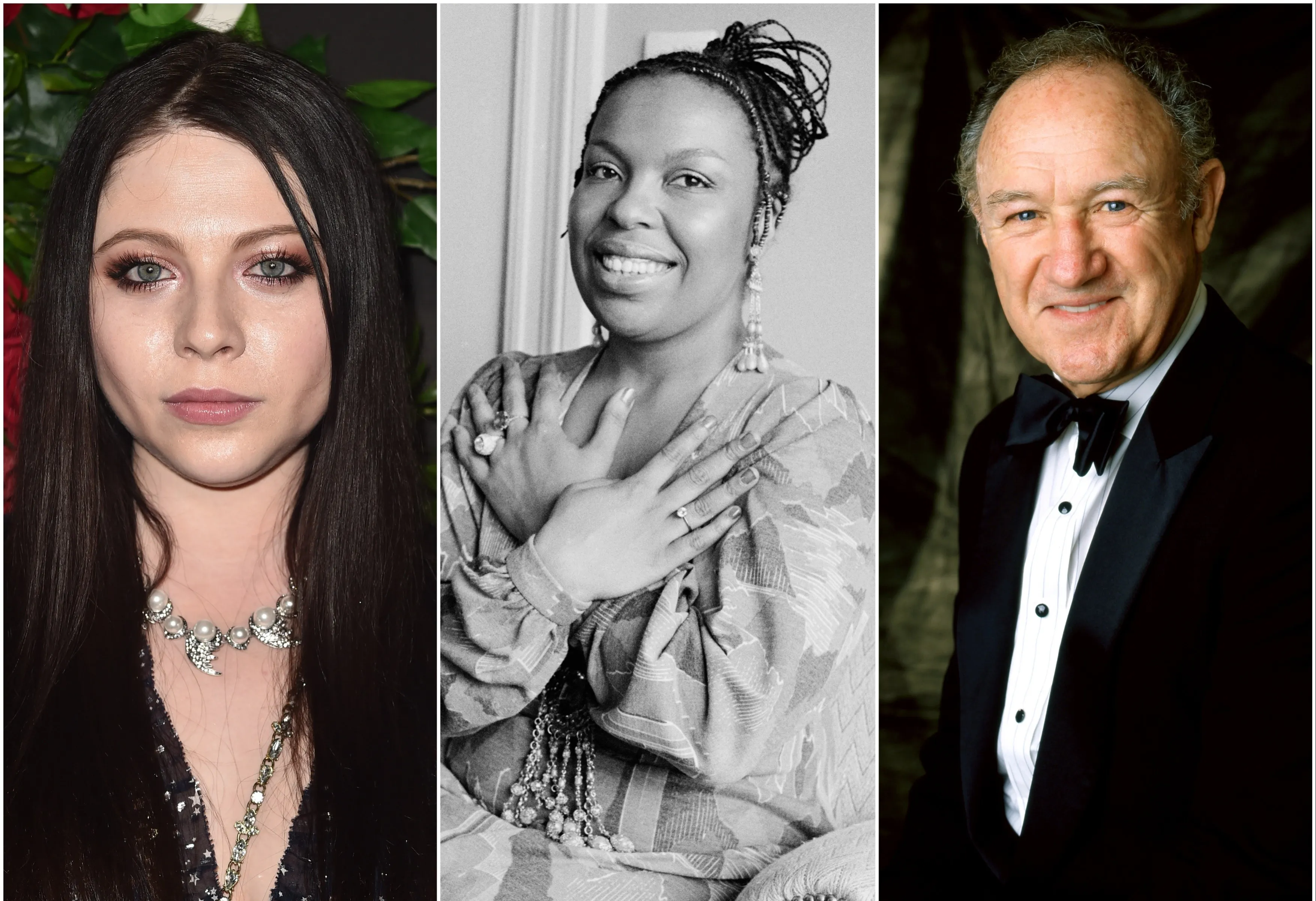
The documentation of actress deaths serves as a vital component of film history, genealogical research, and media archives. Primary verification relies on death certificates, official coroner reports, and established civil registries to ensure accuracy. Researchers utilize these public records to distinguish confirmed biographical data from speculative tabloid reports or unverified online misinformation.
The Importance of Official Records in Biographical Archiving
For historians and archivists, verifying the death of a public figure is a rigorous process that prioritizes primary source documentation over secondary media reports. The primary legal document used for this purpose is the death certificate, which is maintained by the jurisdiction where the event occurred. In the United States, for example, the National Center for Health Statistics facilitates the collection of mortality data, but specific records are held at the county or state level.
When researching the passing of a notable performer, secondary sources—such as major newspaper obituaries—are often the first point of contact. However, these reports can occasionally contain errors, particularly regarding the cause of death or the specific timing of the event. Official records provide the necessary legal clarity required for estate management, historical accuracy, and the correction of common misconceptions. Professionals involved in cataloging these details must verify that the identity of the individual matches the legal records, often cross-referencing Social Security Death Index (SSDI) data or international equivalents where applicable.
Distinguishing Fact from Media Speculation
The entertainment industry is frequently subject to premature reporting, rumors, and inaccuracies regarding the health status of performers. This phenomenon is often exacerbated by rapid digital news cycles where unverified social media claims can mimic official statements. Senior editors and professional researchers utilize a verification hierarchy to ensure data integrity:
- Official Government Records: Death certificates, coroner reports, and probate court filings remain the gold standard.
- Authorized Estate Statements: Formal announcements issued by legal representatives or immediate family members serve as primary evidence of an individual's status.
- Primary News Outlets: Obituaries published by legacy media institutions with established fact-checking departments, such as the Associated Press or the New York Times, carry high evidentiary weight.
- Third-Party Databases: Independent archives, while useful for navigation, must be scrutinized for original source citations before being accepted as fact.
Navigating Legal and Ethical Considerations
The process of documenting the end of an actress's career and life involves distinct legal and ethical considerations. Estate law governs how personal, digital, and intellectual property is managed following a death. For researchers or fans looking for verified information, it is important to respect the privacy boundaries established by executors. Probate records, which are often accessible to the public, provide legal documentation of the distribution of assets, which can sometimes confirm the timeline of an individual's passing if public records are otherwise obscure.
From an archival perspective, the ethical preservation of a person's life story is paramount. This includes avoiding the propagation of unverified claims regarding the cause of death. When professional biographies are constructed, they must adhere to the principle of "dignity in documentation," ensuring that the details provided are substantiated by verifiable evidence rather than speculative narratives often found in entertainment tabloids.
Comparative Overview of Documentation Sources
The table below outlines the reliability and accessibility of various sources used for verifying information regarding the passing of public figures.
| Source Type | Primary Use | Reliability Level | Accessibility |
|---|---|---|---|
| Death Certificates | Legal verification of time/cause | Highest | Restricted/Local |
| Probate Records | Estate and asset management | High | Public (County Clerk) |
| Major Obituaries | General historical context | High | Open |
| Social Media Posts | Real-time sentiment/rumors | Low | Open |
| Tabloid Media | Speculative coverage | Negligible | Open |
Identifying and Mitigating Common Research Errors
Common errors in the study of actress deaths often arise from confusing public personas with private legal identities. A performer may have used a stage name throughout her career, while her legal death record will bear her birth name or the name she held at the time of her passing. Researchers must be prepared to look for both sets of identifiers.
Another frequent mistake is the reliance on automated search results that aggregate unverified content. Many digital platforms prioritize speed over accuracy, leading to the indexing of "hoaxes" or misinformation. Effective research requires a critical approach: if a death cannot be confirmed by a government agency, a reputable funeral home announcement, or a verification from an authorized estate representative, it should be treated as unverified.
Frequently Asked Questions
How can I verify if a report of an actress's death is accurate?
Verification should start with official news sources from reputable, legacy media organizations. If the report is recent, check for statements issued by the actress’s publicist or family. For historical research, consult the public vital records department of the jurisdiction where the individual resided or passed away.
Why do rumors about celebrity deaths spread so quickly?
The rapid nature of social media allows unverified information to travel faster than formal fact-checking processes. Often, these rumors are fueled by a lack of activity from a celebrity's verified accounts, which some users interpret as evidence of a health crisis, even when there is no factual basis for such a conclusion.
Are death certificates public records?
In most jurisdictions, death certificates are public records, but access may be restricted to direct family members or those with a proven legal interest for a specific period after the death. Researchers may need to request copies through official government channels and pay the required administrative fees to access them for study.
What is the role of an estate executor in these matters?
The executor is the individual legally responsible for managing the deceased’s assets and affairs. They are typically the only party authorized to confirm medical or personal details regarding the circumstances of a death, protecting the privacy of the deceased while fulfilling legal reporting requirements.
Practical Steps for Genealogical and Historical Verification
For those tasked with documenting or verifying the life and legacy of an actress, the following actions represent the most reliable pathway:
- Conduct a Preliminary Sweep: Consult established, reputable biographical encyclopedias or institutional archives to see if the event has been officially recorded.
- Consult Vital Records: Contact the Bureau of Vital Statistics or the equivalent municipal office in the city or county where the death is reported to have occurred.
- Verify via Probate: If the death is recent and the actress had a significant public profile, review local probate court dockets to see if an estate has been opened, as this confirms the legal status of the individual.
- Cross-Reference: Ensure that the biographical details—such as birth date, place of birth, and middle names—match the legal documents to avoid misidentifying the subject with another person who may share a similar name.
By adhering to these rigorous standards, researchers can ensure that historical records remain accurate and that the legacy of these figures is preserved with the necessary precision and respect.