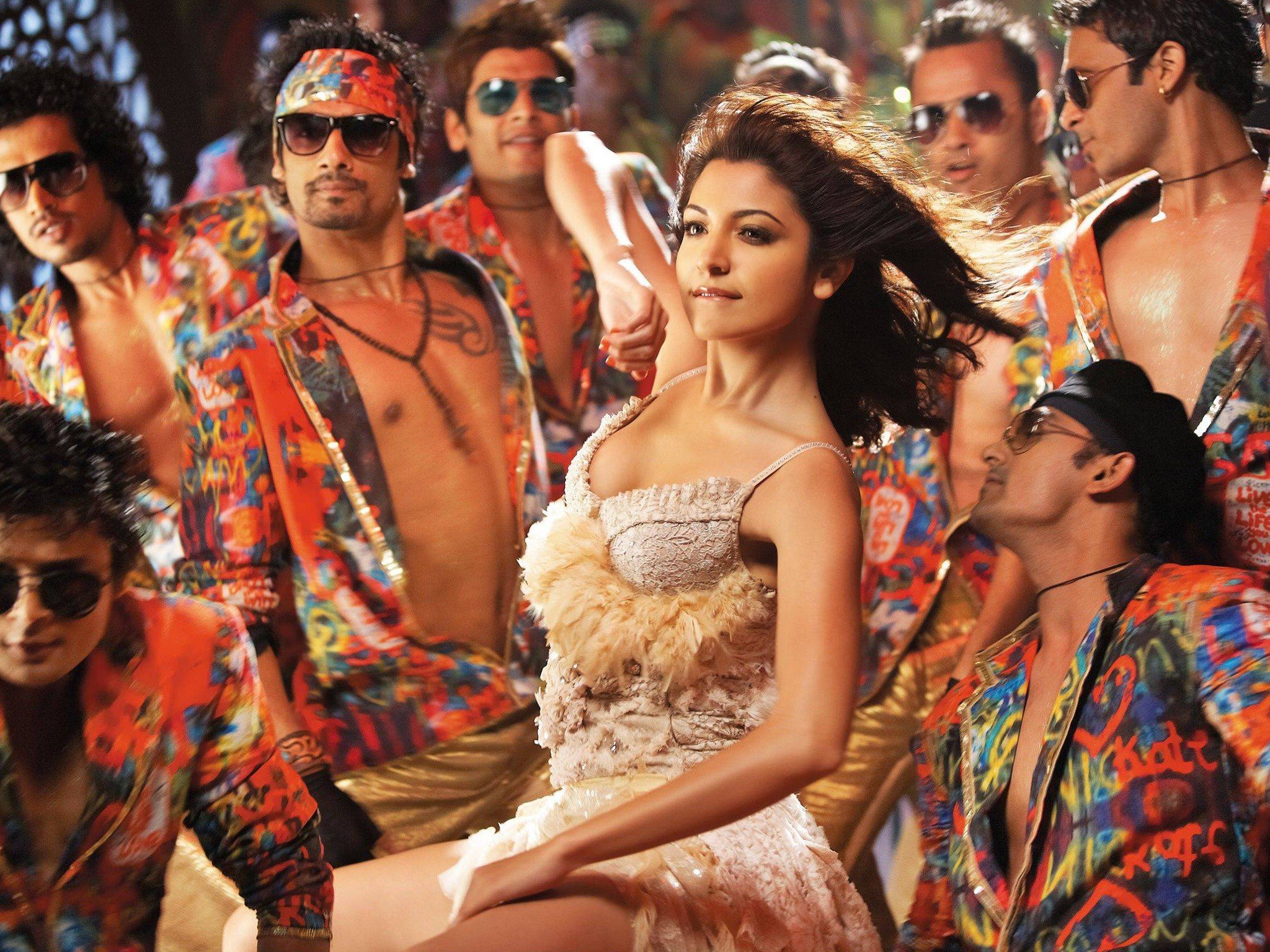
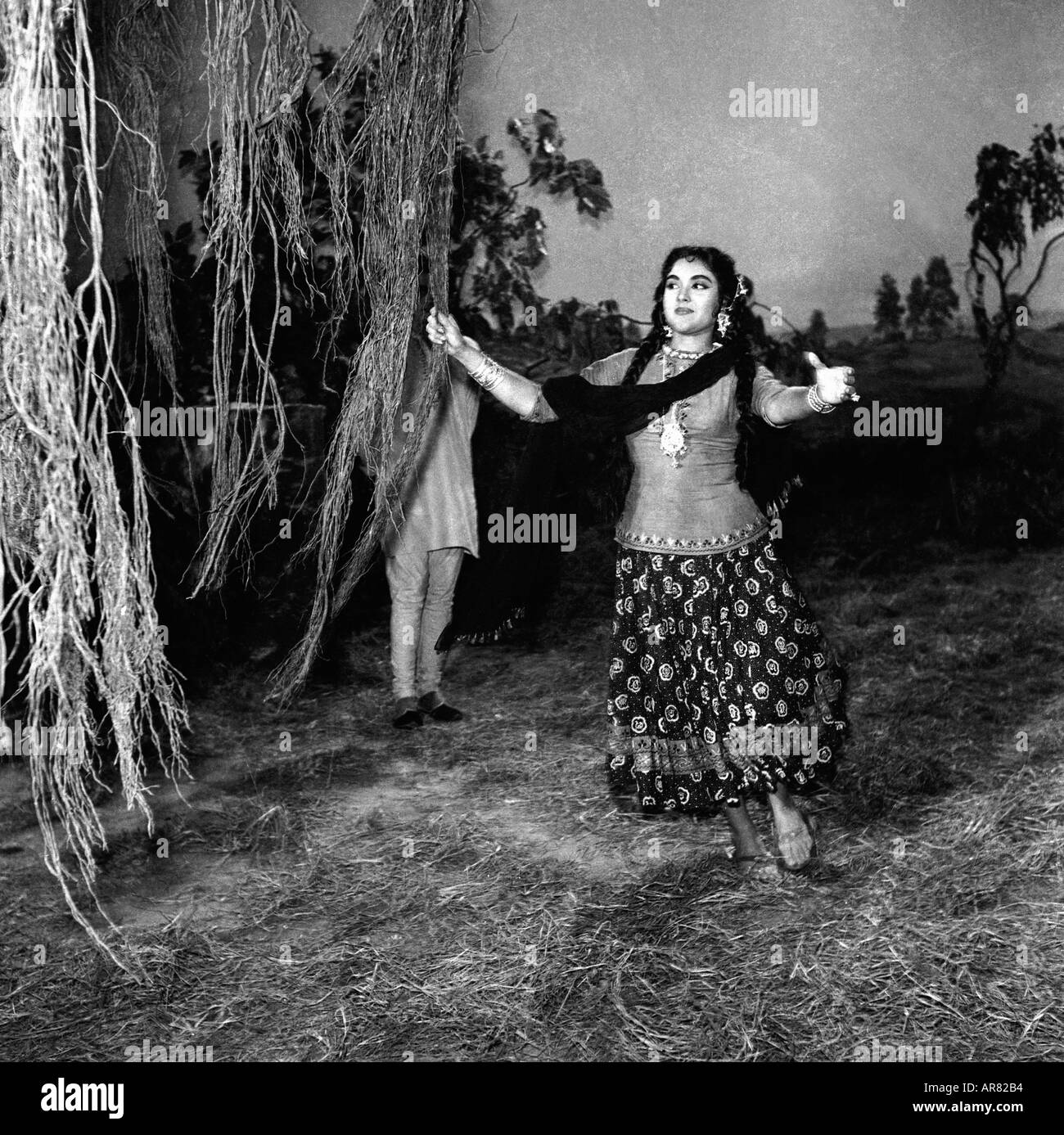
An actress dancing on screen or stage bridges narrative storytelling and kinetic expression, transforming choreography into a core pillar of character development, cinematic history, and professional performance training across global entertainment industries.
The intersection of acting and dance represents one of the most demanding disciplines in the performing arts. When an actress dances, the performance transcends mere physical movement; it becomes an extension of the character's internal psychological state, emotional arc, and narrative context. Whether analyzing the classical Hollywood musical, contemporary Bollywood blockbusters, independent art-house cinema, or high-production theatrical stages, movement serves as a universal cinematic language. Understanding this discipline requires examining the rigorous technical training behind on-screen choreography, the historical evolution of dance across different cinematic traditions, the biomechanical challenges performers face, and the distinct methodologies actresses use to integrate choreography with dramatic delivery.
Historical Evolution of Dance in Cinema
Dance has been an integral component of motion pictures since the inception of the medium. In early silent cinema, performers relied entirely on physical expression, drawing heavily from theatrical traditions, vaudeville, and burlesque. Actresses such as Loie Fuller and early cinematic icons utilized innovative lighting, fabrics, and rhythmic movement to captivate audiences before synchronized sound existed.
With the advent of the synchronized sound era in the late 1920s, the musical genre exploded, establishing the actress-dancer as a dominant archetype. Studios invested heavily in specialized coaching and expansive soundstages to capture complex routines. During the golden age of Hollywood, performers underwent grueling daily regimens encompassing ballet, tap, jazz, and ballroom styles. This era established high technical benchmarks, requiring performers to maintain flawless vocal delivery immediately after executing physically exhausting choreography.
As cinema shifted toward realism in the late 20th century, the role of dance transitioned from stylized theatrical numbers to gritty, character-driven movement. Modern filmmaking integrates contemporary dance, hip-hop, and postmodern movement vocabulary, allowing actresses to portray emotional breakthroughs, psychological trauma, or cultural identity without relying on traditional genre conventions.
Technical Training and Physical Preparation
Executing choreography for the camera demands a unique combination of stamina, spatial awareness, and technical proficiency that differs significantly from stage performance. An actress preparing for a dance-heavy role typically engages in months of cross-disciplinary physical conditioning before principal photography begins.
- Cardiovascular and Core Conditioning: High-intensity interval training, Pilates, and yoga are foundational for building the muscular endurance required to repeat complex routines through multiple camera takes.
- Technique Acquisition: Depending on the specific requirements of the role, performers study classical ballet for posture and line, jazz or contemporary for fluid expression, or regional traditional styles for cultural authenticity.
- Camera Blocking and Spatial Adaptation: Unlike stage actors who play to a fixed audience, on-screen dancers must adjust their focus, projection, and positioning to accommodate moving camera lenses, lighting grids, and strict framing boundaries.
The transition from a wide theatrical stage to tight cinematic framing changes how movement is executed. A subtle gesture that might be lost on a live theater audience can carry immense emotional weight on screen, while expansive movements must be calibrated to prevent distortion within the camera lens.
Methodologies of Integrating Movement with Acting
A primary challenge for any actress dancing on screen is maintaining emotional truth while executing precise physical counts and spatial cues. Skilled performers approach choreography not as a mechanical sequence of steps, but as an alternative form of dialogue.
Methodologies often involve psychological gesture work, where specific physical postures or movements unlock emotional memories or character traits. When an actress dances, the rhythm of the movement mirrors the internal tempo of the character's thoughts. For instance, sharp, staccato movements might convey anxiety or confrontation, whereas fluid, lyrical extensions suggest vulnerability or liberation.
Directors and choreographers collaborate closely with actresses to ensure that the physical vocabulary matches the broader narrative tone. This synergy prevents dance numbers from feeling like disjointed interludes, anchoring them firmly within the plot progression.
Comparative Overview of Dance Genres in Film
Different cinematic traditions utilize distinct dance styles to communicate character attributes, cultural heritage, and narrative conflict.
| Dance Genre | Primary Cinematic Tradition | Technical Focus | Narrative Function |
|---|---|---|---|
| Classical Ballet | European and Hollywood Drama | Precision, turnout, pointe work, extension | Represents discipline, internal restraint, or psychological transformation |
| Commercial / Jazz | Pop Musicals and Biopics | Rhythmic isolation, energy, stage presence | Enhances star persona, modern setting, or high-energy spectacle |
| Traditional / Folk | Global Cinema (e.g., Bollywood, Latin) | Cultural authenticity, footwork, expressive hand mudras | Establishes heritage, communal bonds, or romantic courtship |
| Contemporary / Lyrical | Art-House and Psychological Thrillers | Floor work, emotional release, abstract movement | Visualizes psychological breaking points or internal trauma |
Behind the Scenes: The Collaborative Production Process
The realization of an on-screen dance sequence involves a multidisciplinary team working under tight production schedules. The process begins during pre-production, where the director, choreographer, and actress establish the conceptual framework of the routine.
Once the choreography is locked, rehearsal periods take place in specialized dance studios equipped with mirrors and video playback equipment. Video review is a crucial technical tool, allowing the actress and movement coach to analyze angles, timing, and synchronization before moving to the physical set.
On set, the assistant director, director of photography, and camera operators collaborate with the choreographer to map out camera paths. Steadicam operators and crane technicians must rehearse alongside the actress to ensure the camera captures the dynamic energy of the movement without obscuring key physical expressions. Sound departments record live audio when possible or prepare precise playback tracks to ensure actors maintain synchronization during wide and close-up coverage.
Common Challenges and Injury Prevention
The physical demands of professional dancing place actresses at high risk for repetitive strain injuries, joint stress, and acute trauma. Professional productions implement strict safety protocols, including mandatory physical therapy, targeted warm-up routines, and scheduled rest intervals.
Common technical errors include improper landing techniques during jumps, forcing turnout without adequate hip rotation, and neglecting core stabilization during rapid turns. To mitigate these risks, production companies retain on-set physical therapists and athletic trainers who monitor performers throughout rigorous shooting schedules, ensuring longevity and safety across multi-week dance sequences.
Selecting and Preparing for a Dance-Intensive Role
For performers stepping into a dance-heavy project, preparation extends beyond physical conditioning into intellectual and cultural research. Actresses must immerse themselves in the historical and social context of the specific dance style they are portraying.
- Research Cultural Origins: Investigate the historical, social, and geographical roots of the dance style to ensure respectful and authentic representation.
- Establish Collaboration Early: Build a trusting, communicative relationship with the movement coach or choreographer to facilitate open feedback during vulnerable physical rehearsals.
- Prioritize Recovery: Implement a structured post-rehearsal recovery protocol, including hydrotherapy, stretching, and nutrition management, to sustain performance levels across extended shooting blocks.
Frequently Asked Questions
How do actresses prepare for dance-heavy film roles?
Actresses prepare through intensive physical conditioning, targeted technique training in specific dance styles, and early collaboration with choreographers and directors. This preparation usually begins months before principal photography to build the necessary stamina, flexibility, and muscle memory.
What is the difference between stage dancing and cinematic dancing?
Stage dancing requires projection to reach audiences seated far from the action, while cinematic dancing must be calibrated for the camera. On-screen performers must adjust their focal points, spatial awareness, and physical intensity to suit close-up framing, editing rhythms, and moving camera equipment.
How do choreographers and directors integrate dance into a dramatic narrative?
Choreographers and directors treat movement as an extension of character development and storytelling. Rather than serving as disconnected interludes, dance sequences are designed to reflect a character's emotional state, psychological transformation, or relational dynamics within the plot.
What safety measures protect actresses during strenuous dance sequences?
Productions employ on-set physical therapists, mandate structured warm-up and cool-down sessions, and schedule adequate rest intervals. Coaches also monitor technique closely to prevent repetitive strain injuries and acute trauma during complex lifts, jumps, and floor work.
Why is historical and cultural research important for on-screen dance?
Researching the cultural origins of a dance style ensures respectful, accurate, and authentic representation. It prevents cultural appropriation or caricature, grounding the performance in genuine tradition and narrative integrity.