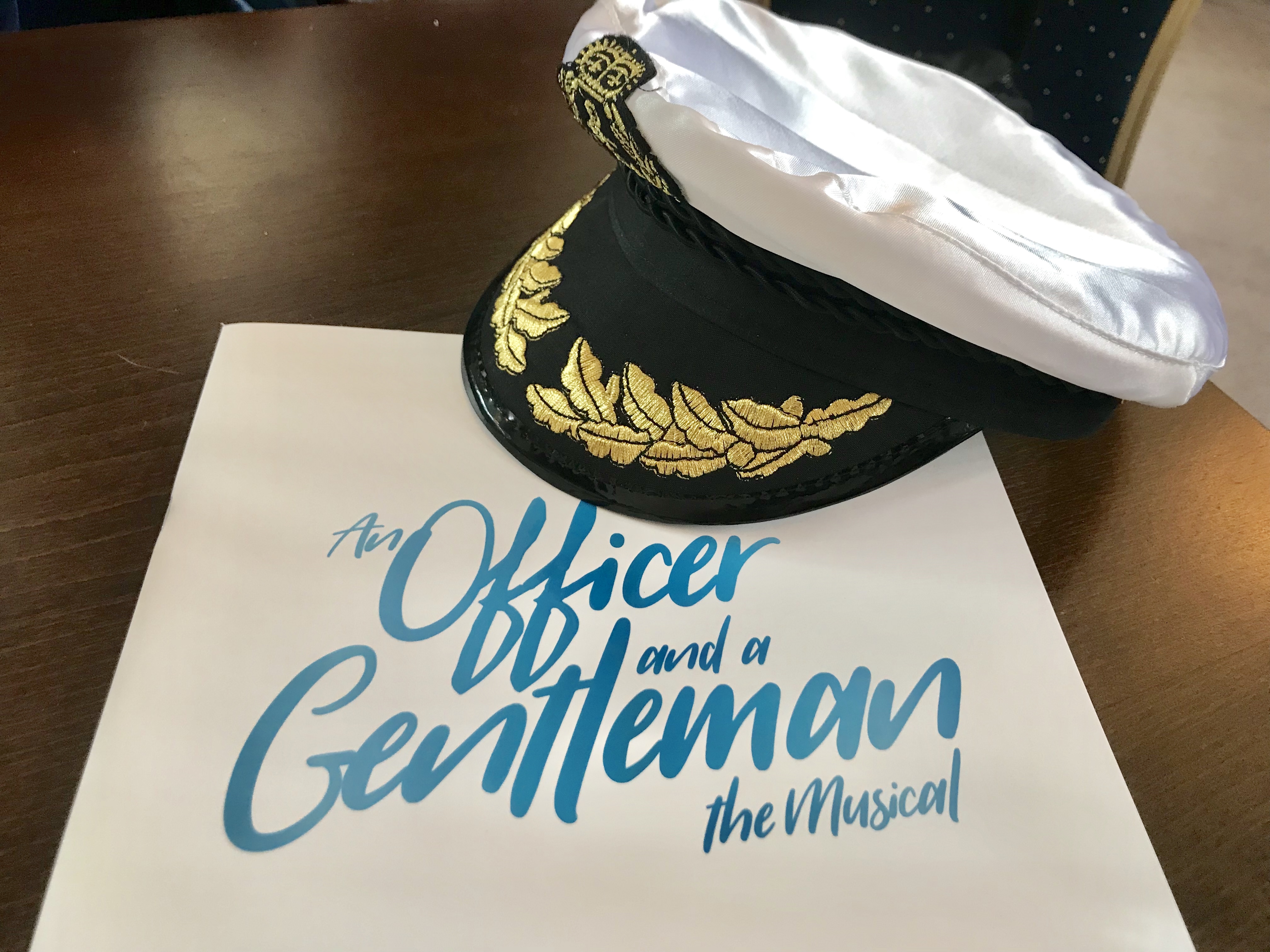
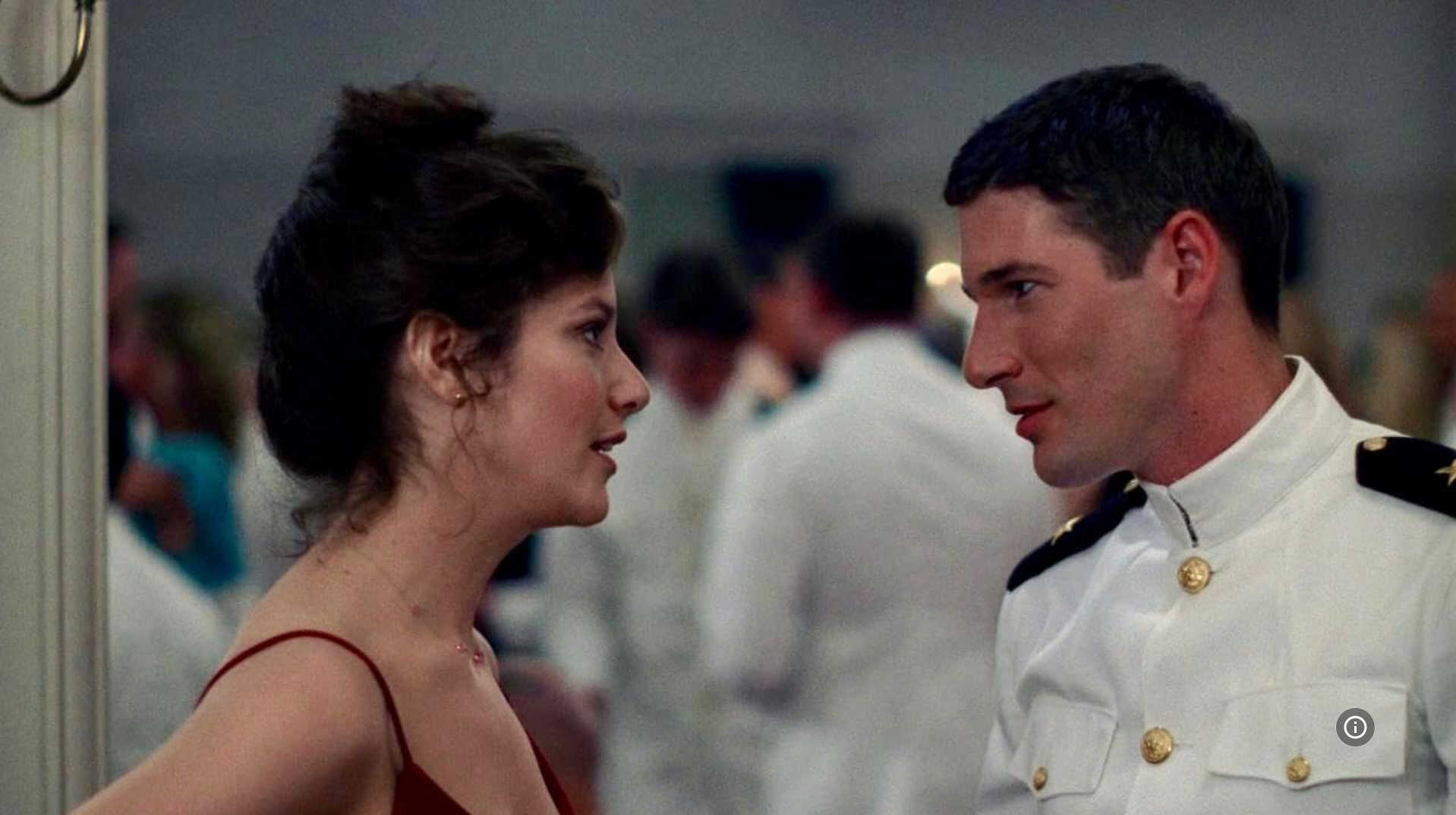
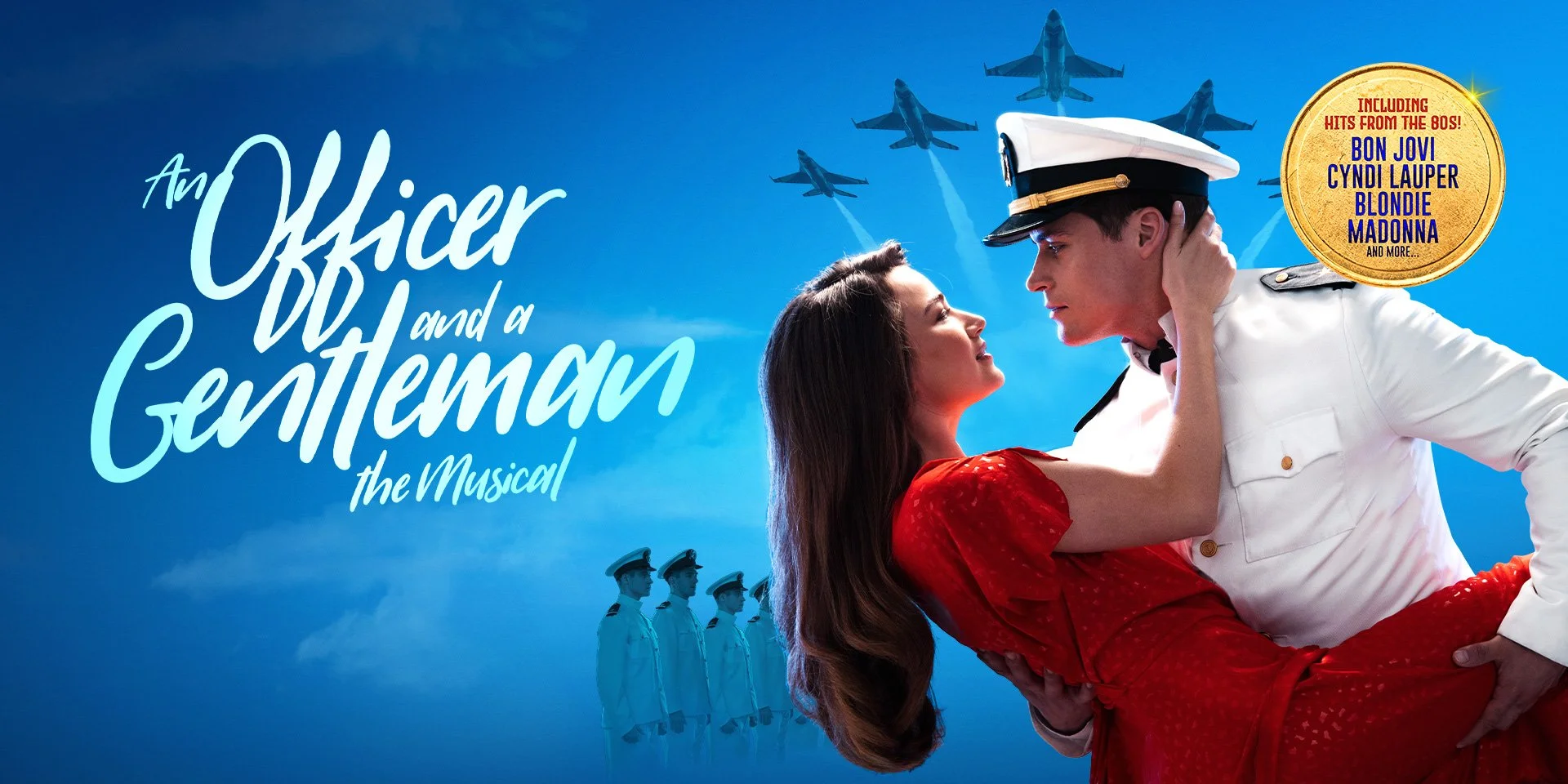
The film An Officer and a Gentleman remains a touchstone of 1980s romantic drama, celebrated for its exploration of discipline, transformation, and personal vulnerability. The "badge" represents the rigid structures of the U.S. Navy Aviation Officer Candidate School, while the "charm" refers to the complex interpersonal dynamics that challenge the protagonists to evolve beyond their hardened exteriors.
The Dynamics of Transformation and Character Archetypes
The core appeal of An Officer and a Gentleman lies in the deliberate juxtaposition of the harsh, utilitarian world of the military and the raw, unvarnished emotions of the individuals within it. Zack Mayo, played by Richard Gere, enters the naval aviation program as a cynical, self-reliant drifter. The "badge" in this context is the prospect of becoming an officer—a goal that requires him to shed his protective layers of defensive charm.
Throughout the narrative, the audience witnesses how the rigid environment acts as a catalyst for growth. The military structure does not just provide a career path; it serves as a crucible that forces characters to define who they are when the external markers of status and prestige are stripped away. The "charm" exhibited by the characters is rarely a sign of superficiality; instead, it is a survival mechanism used to navigate both the intensity of the drill field and the intimacy of their personal relationships.
Analyzing the Lead Performances: The Grit Behind the Polish
Richard Gere’s portrayal of Zack Mayo is foundational to the film’s lasting influence. Gere brought a specific brand of restless energy to the role, balancing the character's inherent arrogance with a desperate need for belonging. His transition from an isolated individual to someone capable of acknowledging his dependence on others provides the emotional resolution for the audience.
Opposite him, Debra Winger, playing Paula Pokrifki, adds a vital layer of grounded reality. While the military officers—most notably Louis Gossett Jr. as Gunnery Sergeant Emil Foley—represent the immovable object of discipline, Winger represents the life that continues outside the base. Her performance is not merely a romantic foil; it is a counterpoint to the military rigidity. Foley’s performance, which earned him an Academy Award, is the definitive study of professional distance and authoritative charm, showing how true leadership demands the sacrifice of personal affection for the sake of the collective standard.
Table: The Duality of Character Traits
| Character | Role Type | Source of Charm | The Burden of the "Badge" |
|---|---|---|---|
| Zack Mayo | Protagonist | Self-assuredness | Overcoming cynical isolation |
| Emil Foley | Mentor/Antagonist | Professional authority | Maintaining standard at all costs |
| Paula Pokrifki | Love Interest | Genuine empathy | Seeking validation beyond the base |
| Sid Worley | Tragic Figure | Vulnerability | Pressure of familial legacy |
The "Badge" as a Metaphor for Personal Accountability
In the lexicon of this film, the "badge" represents far more than a physical rank or the completion of a training cycle. It represents the transition from adolescence to adulthood. The instructors, led by Foley, understand that a commission is a permanent shift in responsibility. The charm that the candidates attempt to project is often a vestige of their civilian lives—a way of avoiding the accountability that the uniform demands.
As the film progresses, the distinction between the "mask" and the "man" blurs. The characters who succeed are those who accept that the badge is not an accessory, but a requirement to serve others. This theme resonates with audiences because it reflects the universal struggle of reconciling individual identity with the expectations imposed by one's professional or social station.
Navigating the Influence of Cinematic Mentorship
The relationship between Foley and the candidates serves as the heartbeat of the film. Cinematic mentors often fall into the trap of being either purely punitive or purely benevolent. Foley occupies a middle ground, using a harsh, abrasive style to strip away the "charm" that is actually a defensive habit. For viewers interested in leadership, this dynamic offers a masterclass in how to dismantle ego to rebuild professional competence.
The film suggests that the "charm" of the individual is only truly earned once they have survived the pressure of the badge. Before that point, charm is often just vanity. This trajectory provides a template for character development in drama: move the protagonist from a place of superficial capability to a place of fundamental integrity.
Comparing Performative Styles in 1980s Dramas
An Officer and a Gentleman stands out among its 1982 contemporaries by avoiding the overly stylized, high-octane action motifs of the decade. Instead, it relies on the actors' ability to convey internal conflict through dialogue and subtle body language. While other films of the era focused on the spectacle of military service, this narrative focused on the human cost.
The contrast between Gere’s intense, brooding style and Gossett Jr.’s precise, controlled delivery creates a tension that drives the film toward its conclusion. This balance is critical; if the mentor were less intimidating, the victory of the graduate would feel unearned, and if the lead were less charismatic, the audience would not root for his eventual redemption.
Frequently Asked Questions
Why is the relationship between Zack Mayo and Emil Foley considered the film's core?
The relationship serves as the engine of the film's transformation arc. Foley represents the absolute standard of the institution, and Mayo represents the flawed individual who must bend his will to that standard. Their conflict highlights the central theme that true character is forged through resistance and the shedding of ego.
How does the film define "charm" in a military context?
In this narrative, charm is presented as a social currency used by civilians to gain favor. Within the military setting of the Aviation Officer Candidate School, charm is treated as an obstacle to discipline. The officers strip away this charm to see if the candidate possesses the underlying resilience required for service.
What is the significance of the "badge" for supporting characters like Sid Worley?
For Sid, the badge is not just a personal goal but a family mandate. His inability to separate his own identity from the expectations of the institution leads to his tragic path. He highlights the dangers of valuing the symbol of the badge over the reality of one’s own mental health and capabilities.
How did the cast achieve such high levels of interpersonal tension?
The chemistry was a combination of script-driven conflict and the directors' choice to push the actors toward a more naturalistic, gritty performance. By focusing on the physical exhaustion of the training scenes, the actors were able to convey genuine frustration and vulnerability, which translated into the final performances.
What makes the ending of the film a definitive resolution?
The ending signifies the total integration of the character. When Mayo arrives at the factory to bring Paula away, he is wearing his uniform—the symbol of his hard-won discipline—but he is acting out of his own volition. He has successfully reconciled the "badge" with his personal life, showing that he has evolved beyond his former reliance on defensive charm.
Seeking Authentic Performance: Next Steps for Enthusiasts
For those interested in the craft of acting or the historical context of this film, the best approach is to examine the film’s screenplay alongside the completed performance. Pay close attention to the scenes where the dialogue is sparse; observe how the actors use the physical space of the naval base to convey their changing internal states.
If you are researching the impact of An Officer and a Gentleman on subsequent military-themed cinema, look at the transition from 1970s character studies to the more stylized 1980s dramas. The film remains a vital reference point for anyone seeking to understand how to write or portray the balance between institutional rigidity and individual human charm. When analyzing these roles, focus on the moments where the characters drop their guard—these are the "truth points" that define the legacy of the film’s cast.