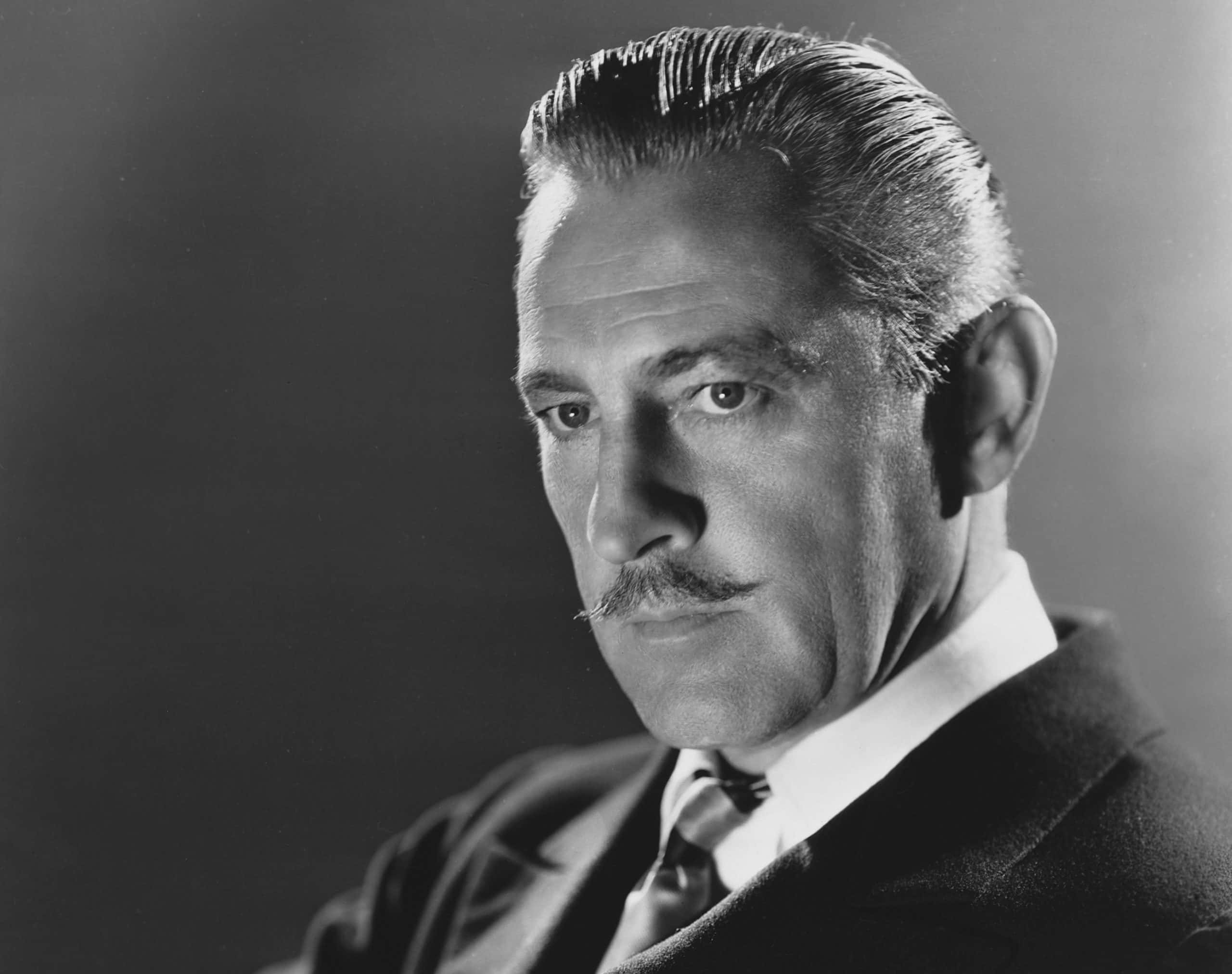
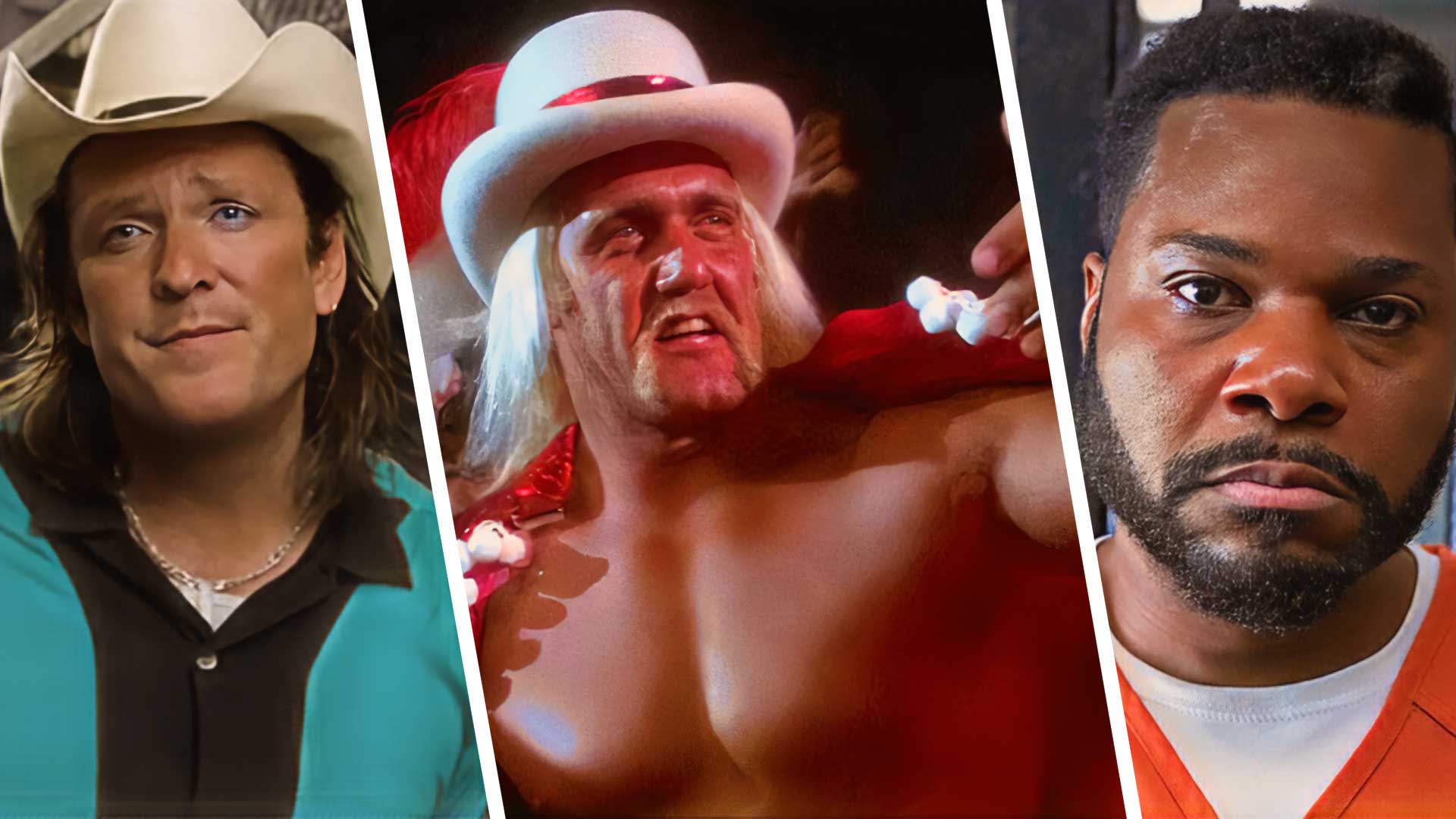
The phrase "actors killed shocking stars who died tragically" evokes a morbid public fascination, blending true crime investigations, fatal on-set accidents, and untimely natural or accidental deaths that abruptly ended iconic Hollywood careers. While literal homicide involving actors remains statistically rare, the entertainment industry has weathered a haunting history of sudden fatalities, criminal convictions, and high-profile tragedies that forever altered cinematic history.
The Intersection of Crime and Cinema: When Actors Are Convicted of Homicide
When the public searches for terms linking actors to killings, the inquiry often points toward real-world criminal trials where performers crossed the line from fiction to reality. Throughout entertainment history, a small fraction of actors have been tried and convicted for manslaughter or murder, shattering the illusion of their onscreen personas. These cases dismantle the boundary between script and tragedy, forcing legal systems and public consciousness to grapple with off-screen violence.
One of the most notable historical precedents involves actor Fatty Arbuckle, whose career was derailed by a sensationalized 1921 manslaughter trial—though he was ultimately acquitted. More definitive criminal convictions include figures like Skylar DeLeon, a former child actor convicted of multiple counts of murder, and Allison Mack, who was implicated in the high-profile criminal enterprise surrounding NXIVM. In international cinema and television, instances of actors facing criminal charges for homicide carry profound ramifications for studios, forcing distributors to shelve completed projects or digitally alter scenes to remove disgraced performers.
The psychological and legal aftermath of an actor committing homicide involves meticulous judicial proceedings, public condemnation, and permanent industry blacklisting. Unlike fictional villains, real-world perpetrators face maximum sentencing under state or federal penal codes, and their surviving filmographies often become cultural artifacts scrutinized through the dark lens of their crimes.
Fatal On-Set Accidents: When Stunts and Prop Failures Turn Lethal
Beyond intentional violence, a more frequent source of tragic mortality in the entertainment industry involves fatal workplace accidents. Movie sets are inherently high-risk environments involving heavy machinery, pyrotechnics, complex stunt choreography, and live-fire weaponry. When safety protocols fail, actors and crew members can pay with their lives, transforming creative endeavors into sites of deadly negligence.
The historical record features numerous devastating on-set catastrophes. Brandon Lee, son of martial arts legend Bruce Lee, died during the filming of The Crow in 1993 when a prop gun discharged a stray .44-caliber bullet fragment, highlighting systemic failures in firearm handling on set. Decades later, the fatal shooting of cinematographer Halyna Hutchins on the set of the film Rust in 2021 reignited intense global scrutiny regarding armorers, weapons safety checks, and union labor regulations across North American film sets. Similarly, classic aviation tragedies, such as the infamous helicopter crash during the production of Twilight Zone: The Movie in 1982, forced the Directors Guild of America and federal regulators to enforce stringent oversight regarding child labor laws, night-shoot fatigue, and hazardous stunt coordination.
| Incident / Film | Year | Cause of Fatality | Regulatory & Industry Impact |
|---|---|---|---|
| Twilight Zone: The Movie | 1982 | Helicopter crash / pyrotechnic failure | Heightened state oversight on aviation safety and child actor regulations. |
| The Crow | 1993 | Fragment discharge from a defective blank round | Implementation of strict firearm inspections and mandatory prop master protocols. |
| Rust | 2021 | Live ammunition discharge from a prop revolver | Increased criminal accountability for armorers and calls for banning live rounds on sets. |
Substance Abuse, Overdoses, and Accidental Tragedies
While high-profile homicides and on-set industrial accidents capture headlines, the vast majority of shocking star deaths stem from substance abuse, medical emergencies, and accidental self-harm. The pressure cooker environment of fame, combined with access to prescription pharmaceuticals and illicit substances, has claimed the lives of countless silver-screen icons at the height of their artistic output.
The lifecycle of sudden stardom often exposes vulnerable individuals to chronic sleep deprivation, severe anxiety, and predatory enablers. When public figures suffer from untreated mental health conditions or dependency, the consequences can be fatal. Notable modern passings—such as Heath Ledger, Philip Seymour Hoffman, and Carrie Fisher—demonstrate how accidental drug toxicity or underlying cardiac events can instantly extinguish brilliant careers. Industry unions and talent agencies have increasingly responded by integrating mental health support frameworks, confidential counseling, and on-set wellness monitors to mitigate these tragic trajectories.
The Legal and Ethical Ramifications of Real-World Tragedies in Media
When an actor dies tragically or becomes involved in a homicide investigation, complex legal, financial, and ethical challenges emerge for production companies, insurance underwriters, and estate executors. These events trigger massive disruptions that extend far beyond human grief, impacting multimillion-dollar investments and intellectual property rights.
Production insurance policies, specifically completion bonds and cast insurance, are designed to mitigate financial losses when a principal actor dies or becomes incapacitated. However, if an actor's death involves criminal culpability or intentional self-harm, coverage disputes frequently result in protracted litigation. Furthermore, digital resurrection technology—utilizing CGI, artificial intelligence, and deepfake algorithms to complete unfinished performances—raises profound ethical questions regarding consent, copyright law, and the moral boundaries of posthumous exploitation.
Frequently Asked Questions About Tragic Celebrity Deaths
What are the most famous cases of actors dying during film production?
The most widely documented cases include Brandon Lee, who was killed by a defective blank round on the set of The Crow in 1993, and Vic Morrow, who died alongside two child actors in a helicopter accident during the production of Twilight Zone: The Movie in 1982. These incidents fundamentally transformed safety standards across the global film industry.
Have any major Hollywood actors been convicted of murder?
Yes, though rare, several individuals with acting credits have been convicted of homicide. Cases range from former child actors involved in violent criminal enterprises to lesser-known performers prosecuted for domestic violence or gang-related homicides. Upon conviction, these individuals face standard criminal sentencing, and their studios typically distance themselves by removing their works from active distribution.
How do film sets prevent fatal accidents involving weapons?
Modern film sets enforce rigorous safety protocols managed by licensed prop masters and professional armorers. Union guidelines require that any firearm used on set—whether firing blanks or dummy rounds—must be inspected repeatedly in the presence of the director, safety coordinator, and actors before and after every single take. The use of live ammunition is strictly prohibited on professional soundstages.
What happens to a movie when a main actor dies mid-production?
When a principal star dies during filming, producers face three primary options: rewriting the script to write the character out, utilizing body doubles combined with CGI and archival footage to complete the performance, or scrapping the footage entirely and restarting production with a newly cast actor. The financial burden is typically offset by specialized cast insurance policies.
Where can individuals seek help for substance abuse or mental health crises?
If you or someone you know is struggling with substance abuse, addiction, or mental health challenges, confidential assistance is available. In the United States, you can contact the Substance Abuse and Mental Health Services Administration (SAMHSA) National Helpline at 1-800-662-4357 or reach out to local emergency services for immediate support.
Navigating the Legacy of Hollywood's Darkest Moments
Understanding the complex history of actors killed and stars who died tragically requires looking past sensationalized tabloid headlines to examine the systemic, legal, and human realities of the entertainment industry. Whether through legislative reforms in workplace safety, stricter legal accountability for firearm handling, or improved mental health resources for performers, these historical tragedies continue to shape how modern sets protect their casts and crews. By analyzing these events with factual precision, industry professionals and audiences alike honor the memories of those lost while driving meaningful, long-lasting safety improvements.