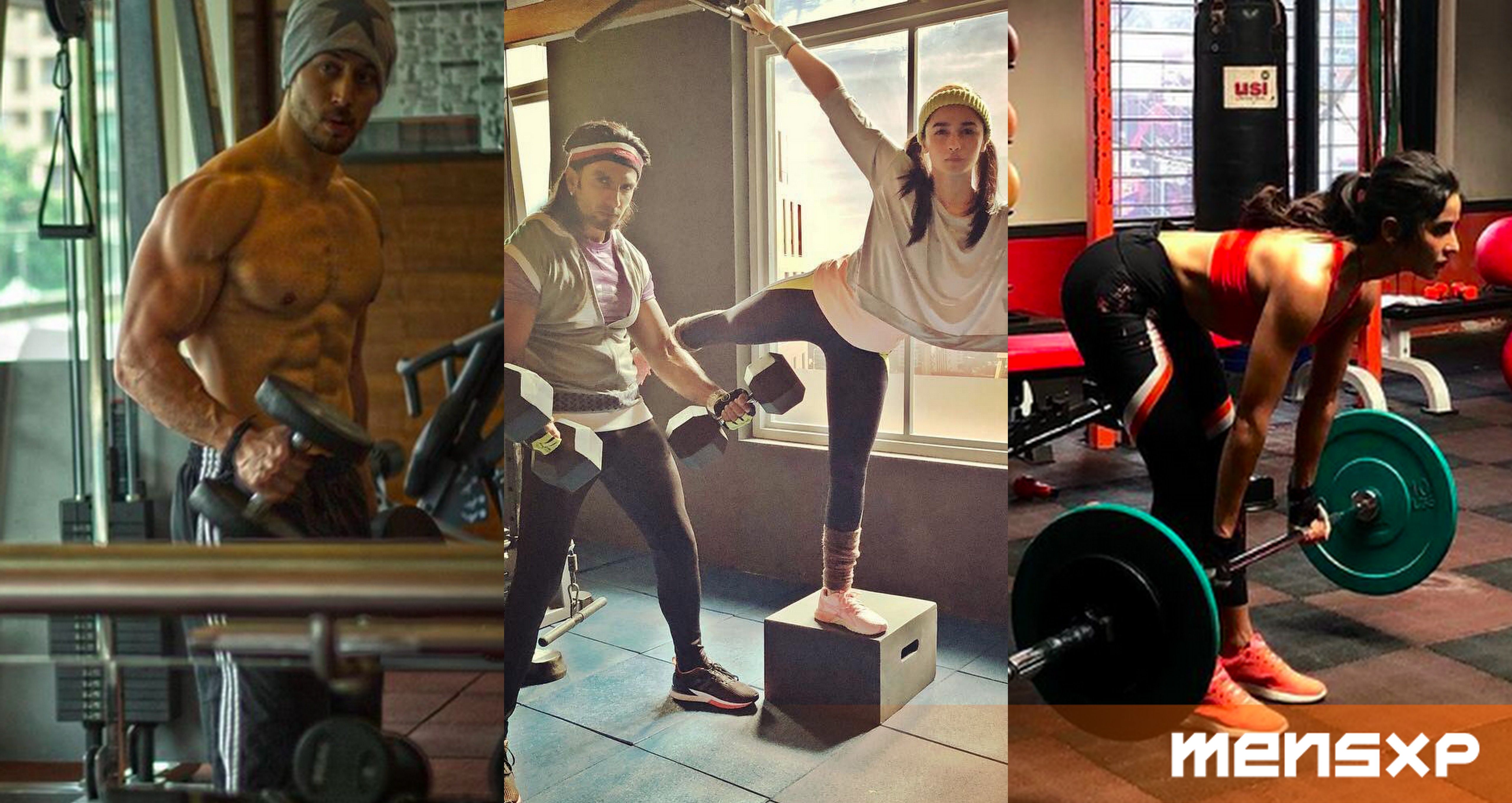
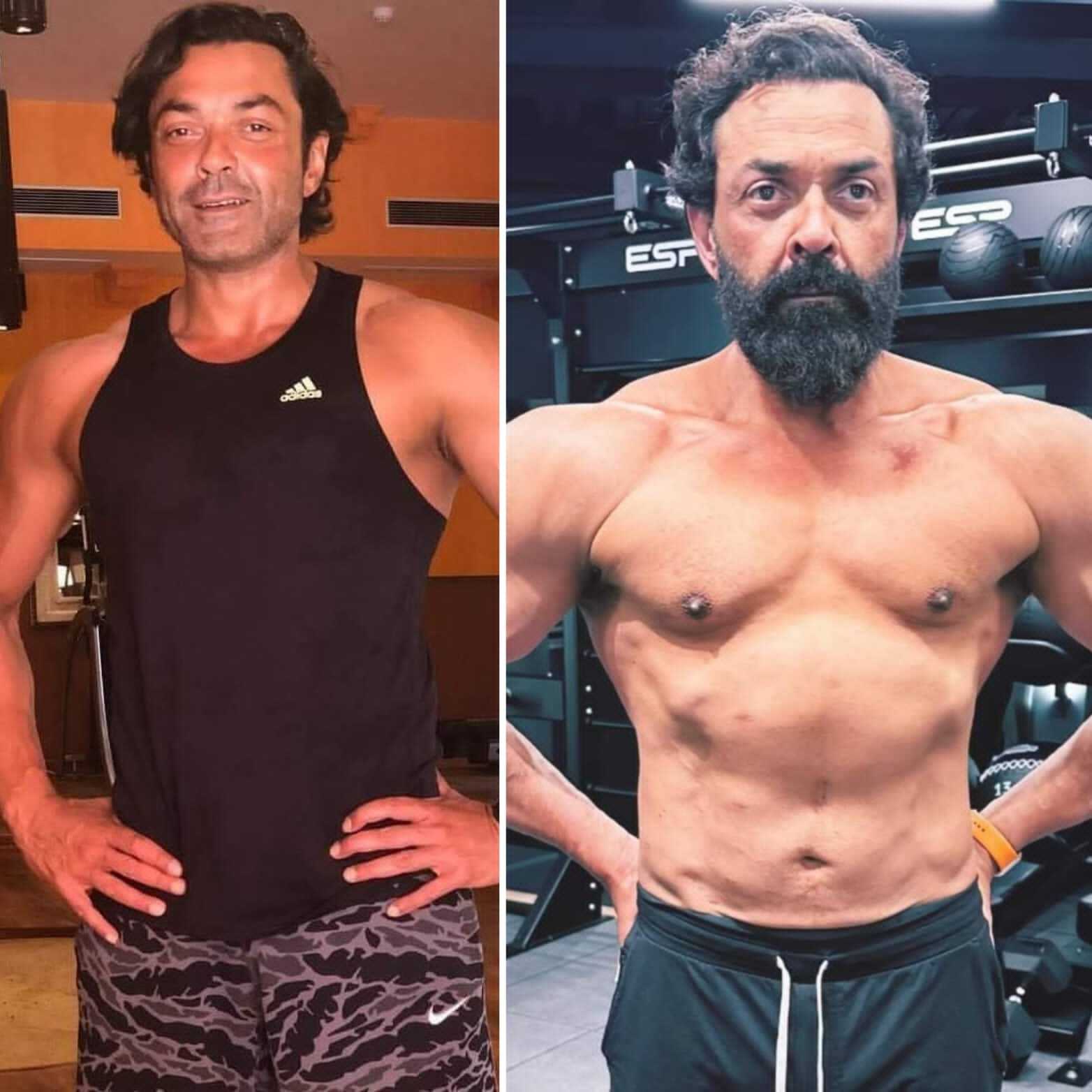
Actors fitness requires a specialized approach that balances functional strength, aesthetic consistency, and cardiovascular endurance to meet the physical demands of diverse roles and rigorous production schedules. Unlike traditional bodybuilding or powerlifting, performers train to execute complex stunt choreography, sustain long hours under heavy production lights, and transform their physiques to match specific character descriptions while maintaining injury resilience.
Understanding the Unique Demands of Performance Training
The physical requirements of acting extend far beyond general wellness or standard gym routines. Performers frequently transition between sedentary periods of waiting on set and bursts of high-intensity physical output, such as sprinting across a soundstage, executing fight choreography, or holding static postures for extended camera takes. This irregular work pattern places distinct demands on the neuromuscular system, requiring a fitness framework built on versatility rather than a single athletic specialization.
A professional actor must develop work capacity, which is the ability to recover quickly from repeated physical efforts without experiencing performance degradation. This is achieved through a combination of compound resistance movements, mobility drills, and targeted conditioning. Furthermore, performers often face strict timelines to alter their physical composition, whether they need to lean down for an action franchise, build mass for a biographical drama, or alter their posture to reflect a specific character's psychological state.
Injury prevention remains a central pillar of this discipline. A torn muscle or joint sprain can halt production on a multi-million-dollar project, putting both the studio's schedule and the performer's livelihood at risk. Consequently, actors fitness prioritizes joint stability, asymmetrical loading tolerance, and movement longevity. Trainers evaluate movement patterns to correct muscular imbalances caused by repetitive movements or long hours spent in character-specific postures.
Core Pillars of an Actor's Training Regimen
To satisfy the varied requirements of stage and screen work, physical preparation is typically divided into four distinct pillars: resistance training, mobility work, functional conditioning, and nutritional periodization. Each component addresses a specific physiological need, ensuring that the performer remains robust, adaptable, and camera-ready throughout an intensive shooting block.
Resistance training for performers emphasizes functional movement patterns—pushing, pulling, hinging, squatting, and carrying—rather than isolated muscle isolation. Trainers often utilize cable machines, dumbbells, and bodyweight exercises to build balanced musculature that looks natural on high-definition cameras while supporting functional joint mechanics.
Mobility and flexibility work ensures that actors can move fluidly through fight sequences, dance numbers, or physically demanding emotional scenes without restriction. Dynamic stretching and myofascial release techniques are integrated into daily warm-ups to maintain optimal tissue length and joint range of motion.
Functional Conditioning and Work Capacity
Functional conditioning bridges the gap between basic cardiovascular health and the explosive demands of action sequences. Rather than steady-state jogging, which can catabolize muscle mass required for specific roles, actors often utilize high-intensity interval training (HIIT), sled pushes, battle ropes, and kettlebell circuits. These modalities mimic the anaerobic bursts common in stunt work, elevating the heart rate and challenging the respiratory system under load.
Work capacity training also prepares performers to withstand the cumulative fatigue of a 14-hour shooting day. By progressively overloading conditioning sessions, actors build the stamina required to deliver emotionally charged and physically demanding performances late in the shooting schedule when fatigue is highest.
Physique Transformation Protocols for Specific Roles
Transforming a physique for a specific film or television role demands precise physiological manipulation. Whether an actor needs to undergo a dramatic weight cut or add significant lean muscle mass, these transformations must occur under strict supervision to safeguard long-term health and prevent burnout.
Bulking and Mass Building
When a role requires a larger, more imposing physical presence, actors implement a caloric surplus combined with progressive overload resistance training. Hypertrophy-focused protocols emphasize moderate repetition ranges (8 to 12 repetitions) with controlled eccentric phases to maximize muscle fiber recruitment. Protein intake is elevated to support tissue repair and growth.
However, unlike competitive bodybuilders, actors must also maintain cardiovascular health and functional mobility. Bulking protocols for the screen often incorporate targeted zone 2 cardio to ensure that the added mass does not compromise stamina or lead to excessive fat accumulation, which can distort facial definition under studio lighting.
Cutting and Leaning Out
Conversely, leaning down for superhero franchises, historical dramas, or runway-adjacent characters requires a controlled caloric deficit combined with strategic macronutrient partitioning. The primary challenge during a cutting phase is preserving lean muscle mass while reducing subcutaneous adipose tissue.
Performers typically increase protein consumption, manage carbohydrate intake around training windows, and introduce moderate cardiovascular conditioning. Extreme dehydration and crash dieting, historically common in the entertainment industry, are increasingly replaced by sustainable, science-based nutritional strategies supervised by clinical dietitians to protect cognitive function and emotional resilience on set.
Comparative Training Modalities for Performers
| Training Modality | Primary Physiological Focus | Typical Application in Acting | Key Limitations |
|---|---|---|---|
| Functional Hypertrophy | Muscle size, structural aesthetics, joint integrity | Superhero, action hero, and period drama roles | Can reduce flexibility if mobility work is neglected |
| Combat Conditioning | Anaerobic endurance, coordination, agility | Martial arts roles, stunt-heavy action films | High joint impact and increased risk of overuse injuries |
| Mobility and Pilates | Core stability, posture correction, flexibility | Stage actors, dance-heavy roles, posture transformation | Limited impact on maximal strength and raw power output |
| Endurance & HIIT | Work capacity, cardiovascular stamina, fat loss | Running-heavy or physically chaotic scene work | Risk of muscle catabolism if caloric intake is inadequate |
Managing Fatigue, Recovery, and Longevity on Set
The grueling schedule of principal photography often disrupts traditional sleep and recovery patterns, making active recovery protocols essential for sustaining physical performance. Performers frequently work night shoots, travel across international time zones, and maintain high-stress output for months at a time. Without structured recovery management, overtraining and acute injuries become significant hazards.
Sleep hygiene, targeted nutritional supplementation, and soft-tissue therapy (such as massage and physical therapy) form the frontline defense against set fatigue. Trainers work closely with on-set medical staff to monitor localized inflammation and joint strain, adjusting daily workout loads based on the physical intensity of the day's scheduled script scenes. If an actor has an aggressive fight sequence scheduled, morning gym sessions are modified to focus purely on active recovery and mobility rather than heavy lifting.
Furthermore, mental fatigue directly impacts physical coordination. Psychological stress elevates cortisol levels, which can impede muscle recovery and fat loss. Incorporating stress-reduction practices, breathwork, and structured downtime into a daily routine allows performers to maintain both the mental clarity required for character immersion and the physical resilience required for demanding action sequences.
Frequently Asked Questions
How do actors achieve rapid physical transformations for movie roles?
Actors achieve rapid physical changes through tightly controlled caloric manipulation, personalized macronutrient tracking, and structured resistance training overseen by professional trainers and nutritionists. These protocols are designed to target fat loss or muscle gain efficiently while maintaining the performer's energy levels for daily shooting requirements.
Is functional training more important than bodybuilding for actors?
Functional training is generally prioritized because performers need to move fluidly, execute complex choreography, and avoid injuries. While aesthetic bodybuilding principles are utilized when a specific look is required, functional movements ensure that the actor can perform safely and effectively in real-world or on-set scenarios.
How do actors maintain their fitness while traveling for a shoot?
Performers maintain fitness on location by working with travelling personal trainers, utilizing hotel gym facilities, and relying on bodyweight or resistance-band routines. Nutrition is managed through customized meal-prep services or collaboration with on-set catering departments to ensure dietary compliance regardless of geographic location.
What role does injury prevention play in an actor's workout?
Injury prevention is critical because an injured actor can halt production, resulting in substantial financial losses for studios and delays in project delivery. Training programs incorporate stability work, corrective exercises, and proper warm-ups to protect vulnerable joints, particularly shoulders, lower backs, and knees.
Do actors use dangerous weight-cutting methods for films?
While historical practices included extreme dehydration and crash dieting, modern professional productions increasingly rely on sports science, clinical dietitians, and gradual conditioning protocols. Safe, sustainable methods protect the actor's long-term health, voice quality, and cognitive performance under high-stress studio conditions.
Implementing a Professional Training Schedule
To build a sustainable physique aligned with professional performance standards, aspiring actors and fitness enthusiasts should evaluate their current baseline, establish clear character or aesthetic goals, and consult with certified strength coaches and sports dietitians. Focus initial efforts on establishing solid movement mechanics, correcting postural imbalances, and building baseline work capacity before attempting dramatic physical transformations. Consistent, measured progression remains the most reliable pathway to sustaining physical readiness for the screen and stage.