The passing of beloved actors marks the end of era-defining performances and leaves a void in the global cultural landscape. As of 2026, the film and television industry continues to honor those whose contributions to the arts transformed storytelling, while navigating the complex ethical and technical challenges of preserving their legacies through digital archives and posthumous releases.
The Impact of Celebrity Loss on Global Culture
When prominent actors pass away, the impact extends far beyond the Hollywood trade publications. For many viewers, actors represent more than just performers; they are the faces of specific emotional milestones in the audience's lives. The phenomenon of the "parasocial relationship" explains why the death of a stranger can trigger profound grief. Fans often grow up alongside these figures, associating them with childhood memories, personal breakthroughs, or comforting routines.
In the mid-2020s, the industry has seen the departure of several "Golden Age" icons and "New Hollywood" pioneers. Their passing often prompts a massive resurgence in the viewership of their classic films on streaming platforms. This "legacy viewing" serves as a collective mourning process, where the art becomes the primary vehicle for remembrance. The cultural weight of these losses is also reflected in the "In Memoriam" segments of major award shows, such as the Academy Awards and the Primetime Emmys, which have evolved into highly produced, emotionally charged centerpieces of the telecasts.
Furthermore, the death of a significant actor often triggers a critical re-evaluation of their body of work. Film historians and critics frequently use these moments to highlight performances that may have been overlooked during the actor's lifetime. This process ensures that the actor’s influence on the craft of acting—whether through Method acting, comedic timing, or Shakespearean gravitas—is documented for future generations of performers.
Navigating Posthumous Performances and Unfinished Projects
One of the most complex aspects of an actor's death is the management of their final, unfinished works. When a performer dies mid-production, studios face significant logistical, financial, and ethical dilemmas. In the past, this often resulted in scripts being rewritten or characters being written out of the story. However, by 2026, technological advancements have provided more controversial alternatives.
Completion Bonds and Legal Safeguards Most major film productions are covered by "completion bonds." These are insurance policies that protect the production from financial loss due to the death or disability of a key cast member. When an actor passes away, the insurance company and the producers must decide if the project is still viable. If the actor had completed most of their scenes, the production might move forward using various techniques to fill the gaps.
The Rise of Digital Resurrections The use of Generative AI and sophisticated CGI to "reanimate" deceased actors has become a major point of contention. While early examples like Paul Walker in Furious 7 or Carrie Fisher in the Star Wars franchise were generally viewed as respectful tributes, the technology has since advanced to the point where entire performances can be synthesized. The 2023 SAG-AFTRA strikes highlighted the need for strict regulations regarding "digital replicas." As we stand in 2026, legal frameworks now generally require explicit consent from an actor’s estate before their likeness can be used in new material, ensuring that the deceased performer's image is not exploited against their hypothetical wishes.
Legacy and Estate Management in the Digital Age
The death of an actor also initiates a complex legal process regarding their "Right of Publicity." This legal doctrine governs how a person’s name, image, and likeness (NIL) can be used for commercial purposes after their death. In jurisdictions like California, these rights can persist for up to 70 years after the individual's passing, allowing the estate to control how the actor is remembered and monetized.
Managing an actor's estate in 2026 involves more than just overseeing royalties from past films. It includes:
- Social Media Archiving: Deciding whether to keep an actor's official social media profiles active as a memorial or to de-activate them to prevent unauthorized interactions.
- Licensing for Documentaries: Providing access to private journals, home movies, and unreleased footage for biographical projects.
- Philanthropic Continuity: Many actors leave behind foundations or charitable causes. The estate is responsible for ensuring that these organizations continue to operate according to the actor’s original vision.
The role of the "Estate Manager" has become increasingly specialized, often requiring a deep understanding of both intellectual property law and the nuances of the entertainment industry. For many families, the goal is to balance the preservation of the actor's dignity with the public's desire to continue celebrating their work.
Notable Actors and Their Lasting Contributions
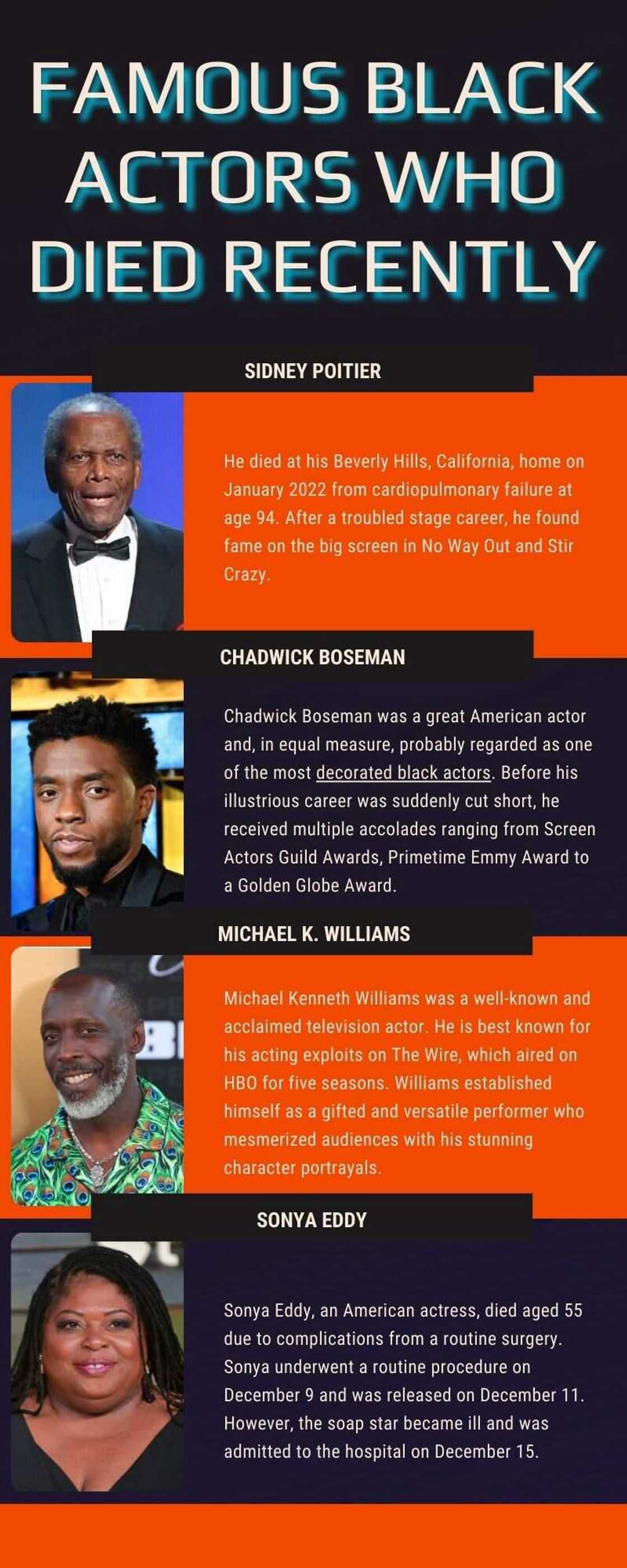
The following table highlights several influential actors who passed away in the first half of the 2020s, illustrating the diversity of talent and the breadth of their impact on the industry.
| Actor | Year of Death | Primary Legacy / Notable Role | Impact on the Industry |
|---|---|---|---|
| Sidney Poitier | 2022 | Lillies of the Field, In the Heat of the Night | First Black man to win the Academy Award for Best Actor; a pioneer for civil rights in Hollywood. |
| Angela Lansbury | 2022 | Murder, She Wrote, The Manchurian Candidate | A bridge between the Golden Age of cinema and modern television; winner of six Golden Globes. |
| Matthew Perry | 2023 | Friends (Chandler Bing) | Redefined ensemble comedy; became a prominent advocate for addiction recovery. |
| Maggie Smith | 2024 | Harry Potter, Downton Abbey | One of the few performers to achieve the "Triple Crown of Acting" (Oscar, Emmy, Tony). |
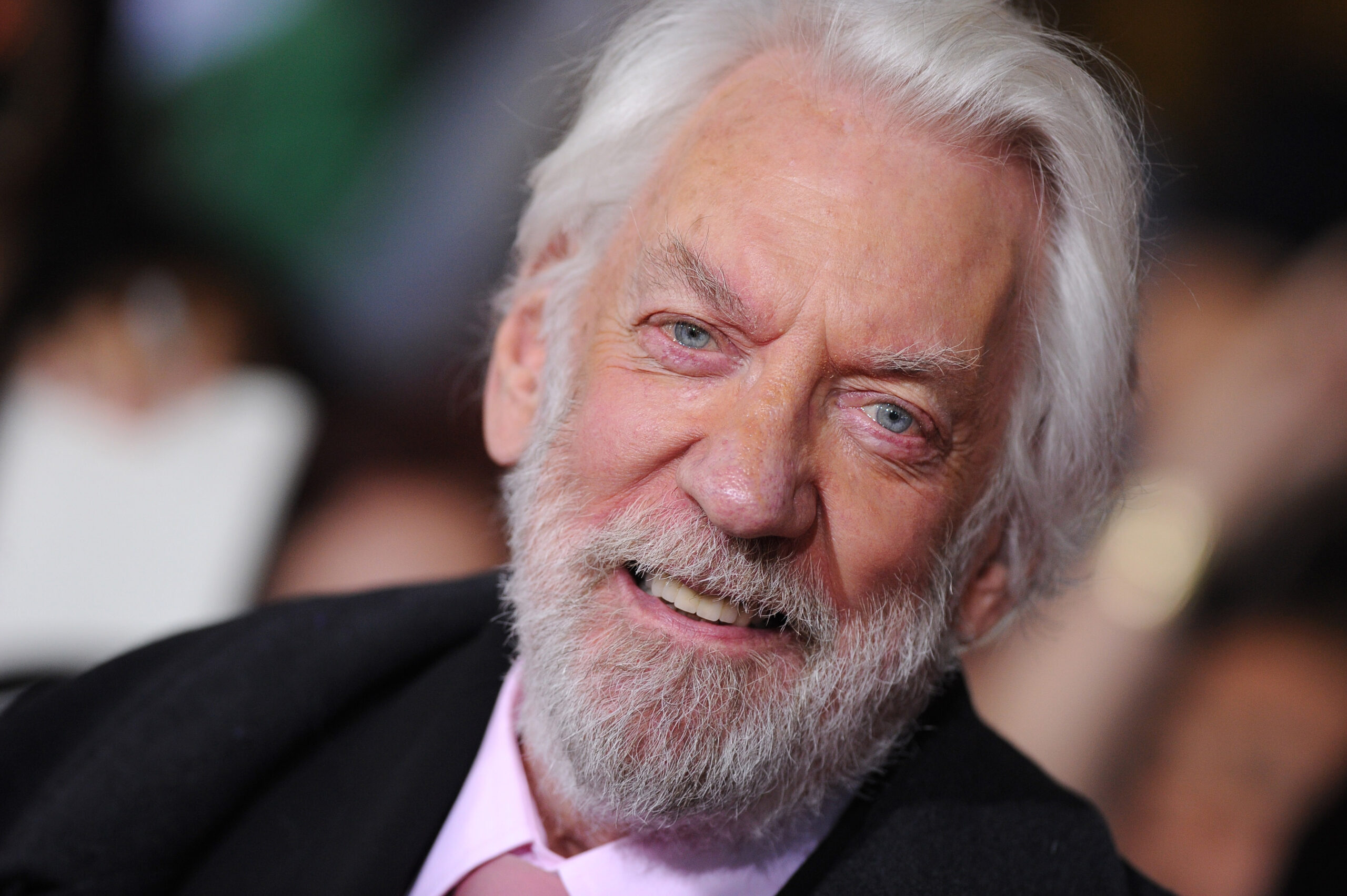
| Donald Sutherland | 2024 | MASH*, Ordinary People, The Hunger Games | Known for his incredible range and presence across six decades of film. |
| Andre Braugher | 2023 | Homicide: Life on the Street, Brooklyn Nine-Nine | Mastered both intense dramatic realism and deadpan comedic timing. |
The Role of Museums and Institutions in Preservation
Beyond the digital realm, physical institutions play a vital role in honoring actors who have died. The Academy Museum of Motion Pictures and the Smithsonian Institution often acquire costumes, annotated scripts, and personal artifacts from deceased actors. These items serve as tangible links to cinematic history.
For example, an actor’s hand-written notes in a script can reveal their internal process and how they developed a specific character. By preserving these materials, museums allow film students and fans to study the craft of acting at a granular level. Furthermore, film festivals often hold retrospective screenings, where the actor's work is shown on the big screen, as it was originally intended to be seen. This communal experience helps keep the "theatrical legacy" alive in an era increasingly dominated by personal devices and home streaming.
Addressing the Mental Health and Longevity of Performers
In recent years, the conversation surrounding the death of actors has shifted to include a focus on the pressures of the industry. The high rates of burnout, substance abuse, and mental health struggles among performers have led to calls for better support systems within Hollywood.
Organizations like the SAG-AFTRA Foundation offer resources for actors in need, but the industry continues to grapple with the "live fast, die young" trope that has plagued it for a century. By 2026, there is a more concerted effort to de-stigmatize mental health discussions during an actor's life, rather than only discussing these issues in their obituaries. This proactive approach aims to extend the lives and careers of performers, ensuring that their passing is a natural conclusion to a long life rather than a premature tragedy.
Frequently Asked Questions
What happens to an actor's social media accounts after they die?
Most social media platforms have specific policies for "memorializing" accounts. In 2026, estates typically choose between freezing the account as a digital monument, deleting it entirely, or allowing a designated "legacy contact" to post updates regarding the actor's charitable foundation or posthumous releases. This prevents the accounts from being hacked or used for unauthorized promotions.
Can an actor be "cast" in a movie after they have passed away?
Yes, but it is legally complex. Through the use of CGI and AI-generated voice synthesis, deceased actors can be "cast" in new roles. However, in 2026, this requires the explicit permission of the actor's heirs or the executors of their estate. Many actors now include specific "digital afterlife" clauses in their wills to prevent or permit such uses.
Who decides which actors are included in the Oscar "In Memoriam" segment?
The selection is made by a committee within the Academy of Motion Picture Arts and Sciences. Because the segment is limited by time, they prioritize actors, directors, and craftspeople who made significant contributions to the industry. This often leads to controversy when beloved but perhaps less "decorated" performers are omitted, leading the Academy to maintain a more comprehensive online memorial gallery.
How do residuals work after an actor dies?
Residuals—the payments made for reruns and streaming of an actor's work—become part of their estate. These funds are distributed to the actor's beneficiaries (heirs, spouses, or children) according to their will. This can provide financial security for an actor's family for decades after their death, especially if the actor was part of a long-running series or a blockbuster franchise.
Why do some actors’ causes of death remain private?
Privacy laws and the wishes of the family often dictate how much information is released to the public. While fans often feel entitled to know the details, the right to medical privacy persists even after death in many jurisdictions. Families may choose to keep the cause of death private to avoid tabloid speculation or to maintain a sense of dignity during a time of personal mourning.
How to Respectfully Honor a Deceased Actor's Legacy
The most meaningful way to honor an actor who has passed away is to engage with their work in a way that respects their artistry. Instead of focusing on the sensationalized details of their death, fans are encouraged to explore the breadth of their filmography.
- Support Official Releases: Watch their films on legitimate streaming services or purchase physical media, as this ensures residuals continue to support their estate and family.
- Contribute to Their Charities: Many actors are passionate about specific causes. Donating to a charity they supported is a productive way to honor their values.
- Engage in Critical Discussion: Share well-reasoned appreciations of their performances on social media or in film forums, focusing on the techniques and emotions they brought to their roles.
- Visit Physical Memorials: If applicable, visiting a star on the Hollywood Walk of Fame or a museum exhibit provides a space for quiet reflection.
By focusing on the "Why" and "How" of an actor's impact, audiences can ensure that while the performer may be gone, their contribution to the human story remains indelible.