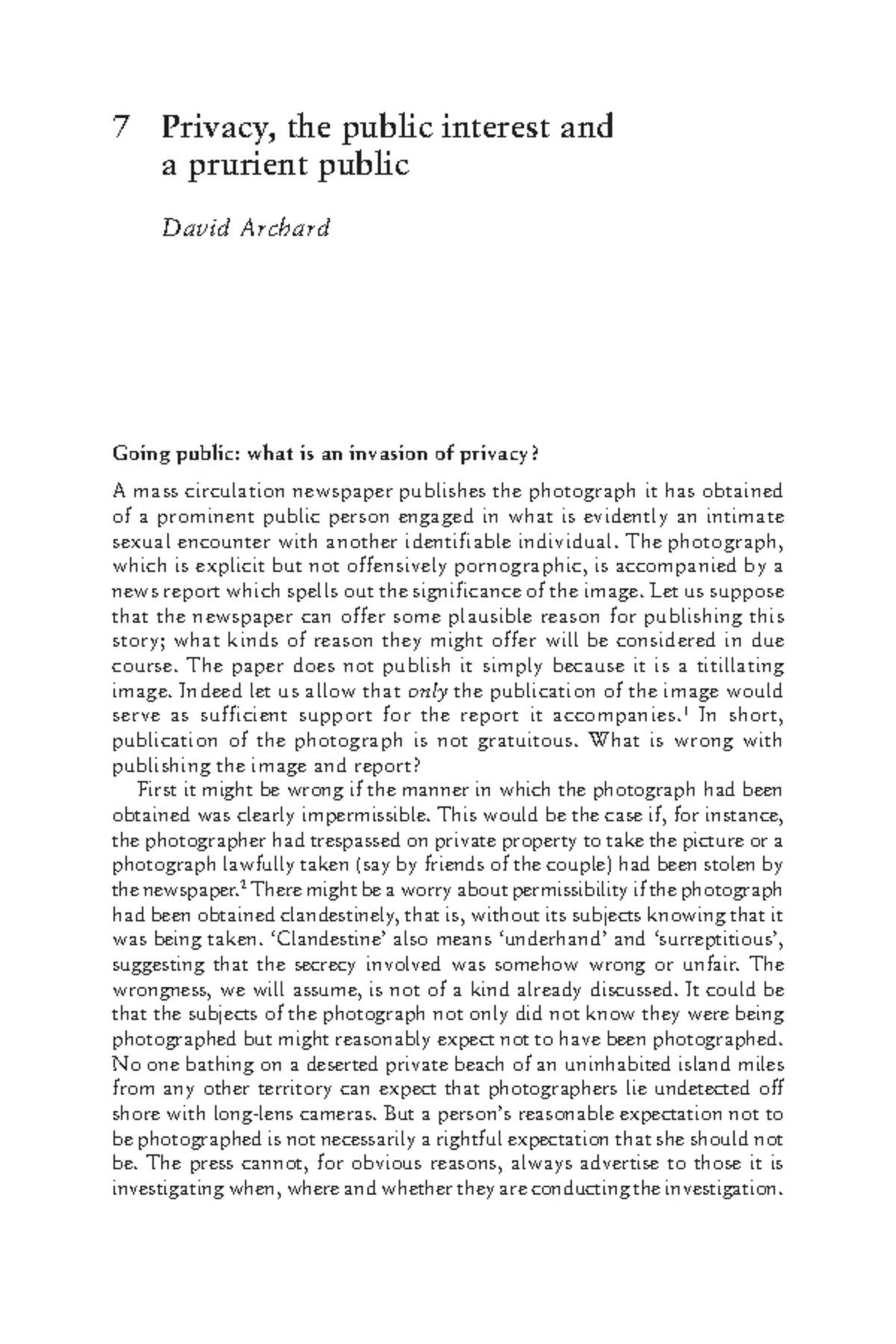
The privacy of an actor’s daughter is governed by a complex balance between individual constitutional rights and the legal doctrine of "public interest." While minors enjoy heightened protections against invasive photography and harassment, adult daughters of celebrities often navigate a "limited-purpose public figure" status where their private lives and public personas frequently overlap.
The Legal Framework of Privacy for Celebrity Children
In the legal landscape of 2026, the privacy rights of an actor’s daughter are rooted in several core privacy torts: intrusion upon seclusion, public disclosure of private facts, and the right of publicity. For the children of high-profile actors, the "reasonable expectation of privacy" is the primary yardstick used by courts to determine if a boundary has been crossed.
Historically, the United States has balanced First Amendment press freedoms against individual privacy. However, specific jurisdictions like California have enacted robust protections, such as Senate Bill 606, which increased penalties for paparazzi who harass children because of their parents' profession. This law acknowledges that a child does not "assume the risk" of public life simply by being born to a famous actor.
The right of publicity also plays a significant role. This right allows individuals to control the commercial use of their name, image, and likeness. For an actor’s daughter, this means that while a news outlet might legally report on her presence at a public event, a brand cannot use her photograph to sell products without explicit consent. In 2026, this has expanded to include protections against AI-generated likenesses, ensuring that the "celebrity" status of a parent does not grant the public or corporations' ownership over the child’s digital identity.
Defining Public Interest vs. Public Curiosity
A critical distinction in media law is the difference between what the public is interested in and what is actually in the "public interest." Courts generally define public interest as information that contributes to a matter of legitimate public concern, such as government affairs, public health, or safety.
For the daughter of a famous actor, the media often argues that her life is "newsworthy" due to her proximity to fame. This creates a friction point:
- Legitimate Newsworthiness: If the daughter enters the acting profession herself or engages in public activism, her privacy shield thins. Her actions become part of a public narrative she has actively joined.
- Mere Curiosity: Details about her private education, health, or non-public relationships typically fall under "mere curiosity." In these cases, the "public interest" defense used by media outlets is much weaker.
The "Newsworthiness Test" is frequently applied by editors and legal teams. If the private facts revealed are highly offensive to a reasonable person and are not of legitimate concern to the public, the publication may be liable for damages. As we move through 2026, the threshold for "offensiveness" has shifted as social media makes once-private moments more visible, yet the legal core remains: being the child of a famous person does not inherently make one’s entire life a matter of public record.
The Shift from Minor to Adult Agency
The transition from being a minor to an adult is the most significant turning point in the relationship between an actor’s daughter and the public. As a minor, the legal system views her as a vulnerable party requiring protection. Parents or guardians hold the "privacy keys," deciding how much of the child's life is shared.
Upon reaching the age of 18, the daughter gains full legal agency. This shift often involves:
- Reclaiming the Narrative: Many daughters of actors use this period to establish their own digital boundaries, sometimes opting for private social media accounts or legal "cease and desist" orders against persistent photographers.
- The "Limited-Purpose Public Figure" Designation: If she chooses to attend high-profile premieres or accept interviews, the law may classify her as a limited-purpose public figure. This means she must meet a higher burden of proof (actual malice) if she sues for defamation regarding matters related to her public appearances.
- Contractual Privacy: In 2026, many adult children of celebrities utilize Non-Disclosure Agreements (NDAs) for personal staff, friends, and partners to maintain a "cone of silence" around their private lives, effectively creating a private bubble that the "public interest" cannot easily penetrate.
The Role of Social Media and "Sharenting"
The relationship between privacy and public interest is further complicated by the actions of the actors themselves. "Sharenting"—the practice of parents prominently featuring their children on social media—can inadvertently waive future privacy claims.
If an actor frequently posts photos of their daughter, a court may find that the parent has diminished the child’s "reasonable expectation of privacy." This makes it harder to sue a third party for re-publishing those images or taking similar ones. However, by 2026, several jurisdictions have introduced "Right to be Forgotten" style statutes that allow children of celebrities to demand the removal of images posted by their parents once they reach adulthood.
Furthermore, the daughter’s own social media presence is a double-edged sword. While it allows her to speak directly to the public without a media filter, it also provides a constant stream of data that media outlets use to justify "public interest" stories. Every "public" post is essentially a grant of permission for the media to discuss that specific content, even if the daughter intended it for a smaller audience.
Media Ethics and the "Nepo Baby" Discourse in 2026
The cultural conversation around "Nepotism Babies" has significantly impacted how the public views the privacy rights of actors' daughters. When the public perceives that a child has benefited from their parent's fame to secure career opportunities, the "public interest" argument strengthens.
The prevailing ethical view in 2026 suggests that if a daughter utilizes her family's "public interest" (fame) for professional gain, she must accept a corresponding loss of privacy. This is often described as a "social contract":
- Professional Scrutiny: The public feels entitled to know if a daughter’s success is earned or inherited, which leads to investigative reporting into her professional background and connections.
- Personal Boundaries: Ethical journalism still draws the line at health, grief, and private residences, regardless of the daughter’s career path.
The table below outlines the general legal and ethical standing of an actor's daughter based on her level of public engagement.
| Level of Engagement | Legal Status | Privacy Expectation | Public Interest Threshold |
|---|---|---|---|
| Private Citizen (Minor) | Protected Individual | Very High | Extremely Low (Legal protection is highest) |
| Private Citizen (Adult) | Private Individual | High | Low (Limited to major life events) |
| Occasional Public Guest | Limited-Purpose Public Figure | Moderate | Medium (Events attended are "fair game") |
| Active Industry Professional | Public Figure | Lower | High (Professional life is public concern) |
International Differences in Privacy Protection
It is essential to recognize that "public interest" is interpreted differently depending on the country. For an actor’s daughter living in or traveling through different regions, her privacy rights can change overnight.
In the United Kingdom and much of Europe (under GDPR), privacy is often treated as a fundamental human right that can outweigh press freedom. In France, "Right to Image" laws are so strict that even taking a photo of a celebrity’s child in a public park can lead to immediate legal action and heavy fines.
Conversely, in the United States, the First Amendment provides a much broader shield for the press. If a daughter is in a public place, she generally has no legal recourse against being photographed, provided the photographer is not harassing her or using a telephoto lens to peer into a private home. This discrepancy often leads to "forum shopping," where celebrities seek to file privacy lawsuits in the UK or EU to take advantage of more favorable privacy protections.
Frequently Asked Questions
Can an actor’s daughter sue for being photographed in public?
Generally, no, if she is in a place where there is no "reasonable expectation of privacy," such as a public street or a park. However, she may have a case if the photographer’s behavior constitutes "tortious newsgathering," which includes harassment, trespassing, or the use of specialized equipment to see into private spaces. In 2026, many states have followed California’s lead in making it easier to sue for "constructive invasion of privacy."
Is the "public interest" defense a free pass for tabloids?
No. The "public interest" defense must be balanced against the "newsworthiness" of the specific facts revealed. Courts look at whether the information is "highly offensive" and whether there is a legitimate reason for the public to know. Details about a minor daughter’s medical history or school records, for example, are rarely considered to be in the legitimate public interest, regardless of how famous her father is.
Does being a "Nepo Baby" mean she has no privacy?
Not legally. While the cultural discourse might feel intrusive, being the child of a famous actor does not strip a person of their basic privacy rights. It does, however, make it harder to win a defamation case if she has used her family name to enter the public eye, as she may be classified as a "public figure," requiring her to prove "actual malice" by the publisher.
How do "Anti-Paparazzi" laws protect adult daughters?
Most "Anti-Paparazzi" laws were originally designed to protect minors, but they have evolved to cover "interference" and "harassment" of any individual. If a photographer blocks a person's path, creates a safety hazard while driving, or uses physical intimidation, an adult daughter can seek a restraining order or file a civil suit for harassment, independent of her "public interest" status.
Can she stop her parents from posting her on social media?
As an adult in 2026, she can legally request that platforms remove images of her under various "Right to be Forgotten" or privacy policies, especially if the images were posted when she was a minor without her consent. While she cannot always stop a parent from talking about her, she has significant control over the use of her specific likeness on commercial platforms.
Practical Steps for Managing Privacy and Public Interest
For families in the public eye, managing the relationship between privacy and public interest requires a proactive legal and digital strategy. This is not just about avoiding "the press," but about defining the boundaries of one's own life before others do.
1. Establish Digital Boundaries Early: Utilizing privacy settings and being selective about which life events are shared on public-facing "verified" accounts is the first line of defense. In 2026, many use "finstas" (fake Instagrams) or encrypted messaging apps to keep personal life truly private.
2. Use Legal Tools Strategically: Trademarking a name can prevent others from using it for commercial purposes. Additionally, maintaining a consistent legal team to monitor for "image rights" infringements ensures that any breach of privacy is met with a swift response, reinforcing the individual's intent to remain private.
3. Clear Separation of Professional and Personal Personas: For those daughters who do choose a public career, creating a clear distinction between "The Brand" and "The Person" can help maintain a psychological and legal buffer. By only discussing professional projects in interviews and keeping home life entirely off-limits, the "public interest" is funneled toward the work rather than the individual's private sanctuary.
Disclaimer: This article provides general information regarding privacy laws and media ethics as of 2026 and does not constitute legal advice. Jurisdictional laws vary significantly; individuals should consult with a qualified attorney for specific privacy concerns.