Beverly Hills Cop II (1987), directed by Tony Scott, remains a definitive action-comedy of the 1980s, balancing Eddie Murphy’s explosive comedic energy with high-stakes detective work. Beyond its lead performers, the film is a dense tapestry of supporting actors, character cameos, and industry legends that helped define the visual and narrative style of the era. Understanding the distribution of these roles is essential for fans looking to identify the faces behind the film's iconic urban setting.
Primary Cast and Narrative Anchors
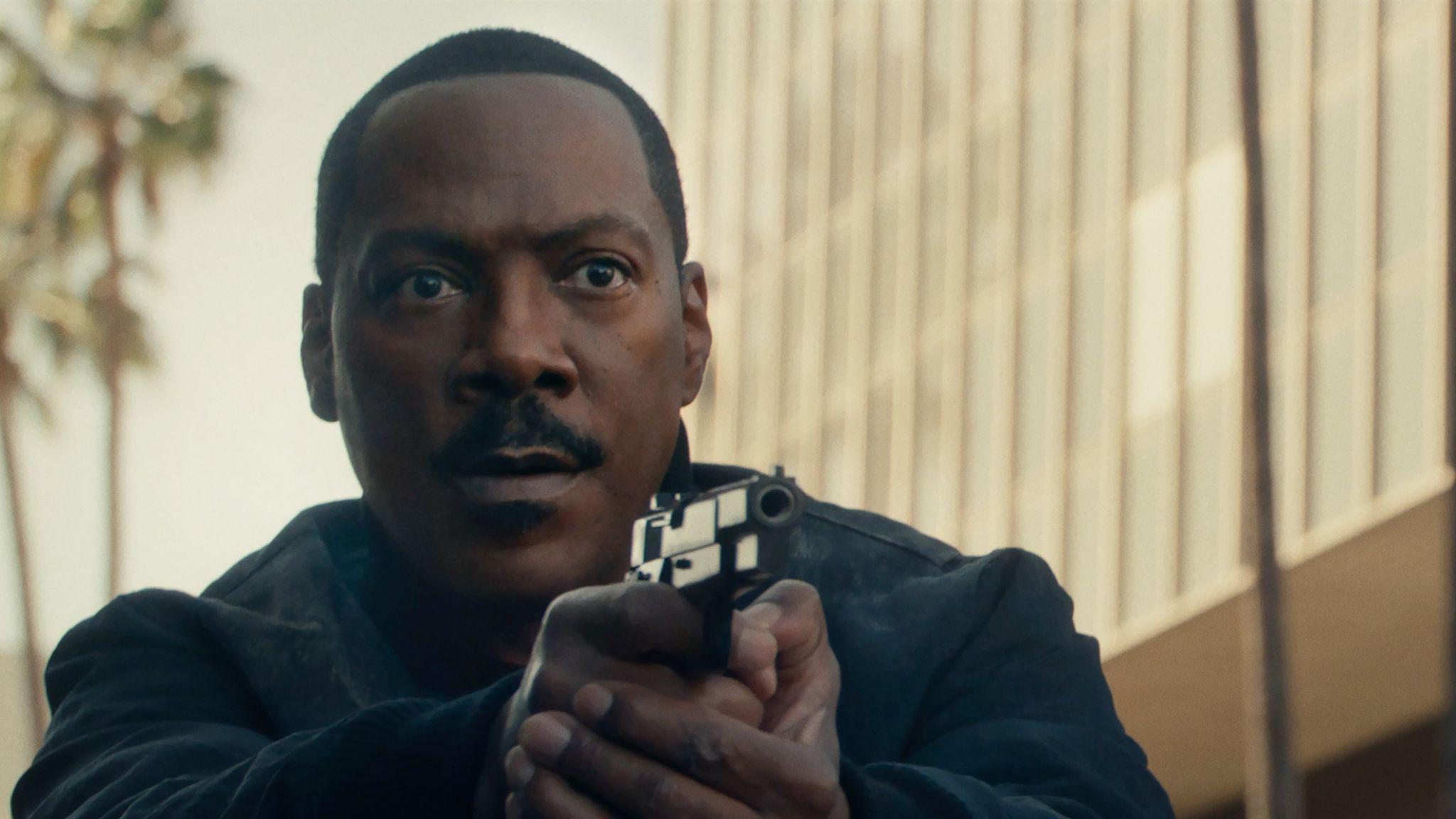
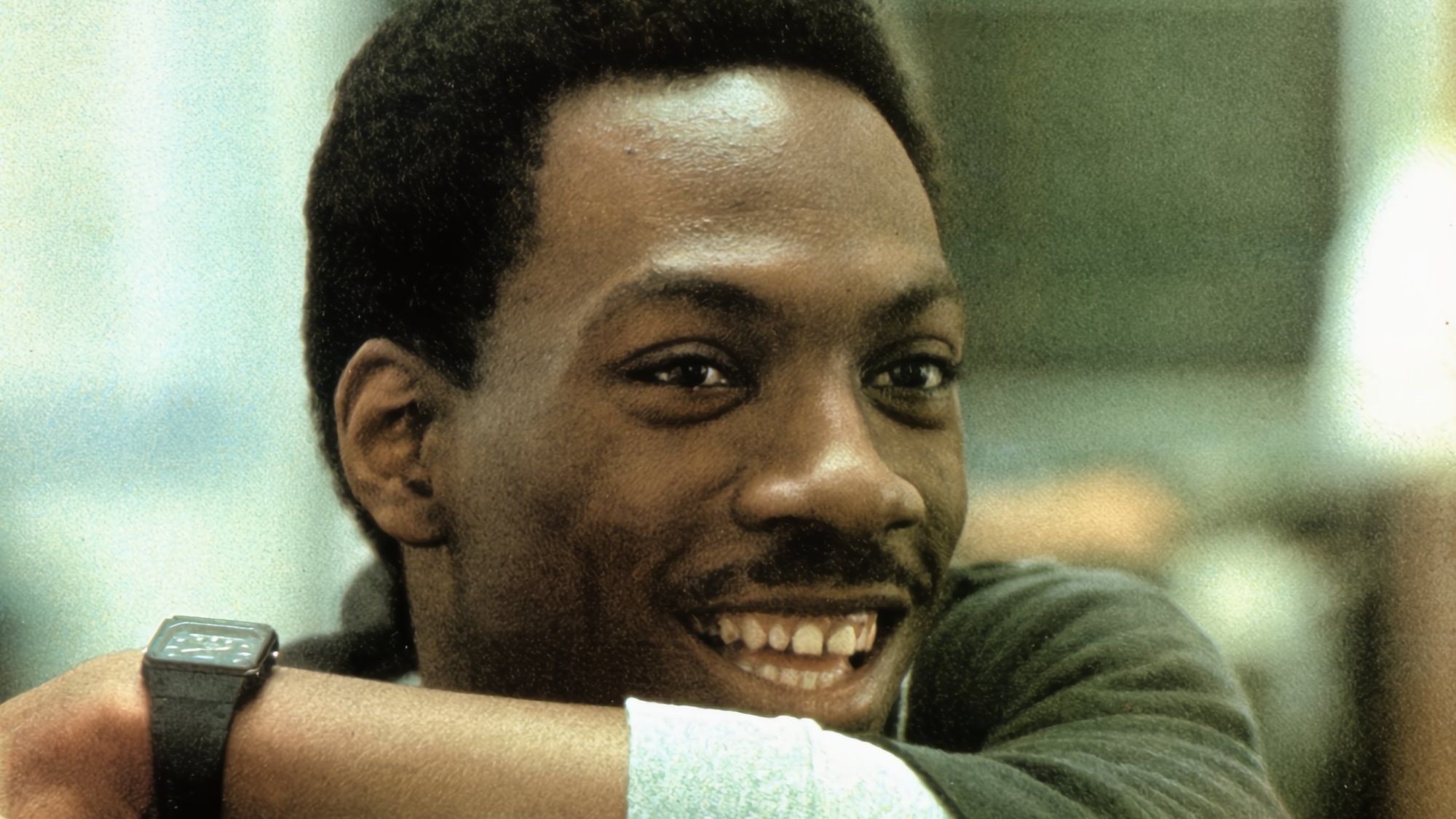
The core of Beverly Hills Cop II relies on the chemistry between returning characters and the addition of new antagonists. Eddie Murphy anchors the film as Axel Foley, the street-smart Detroit detective whose fish-out-of-water dynamic remains the central engine of the script.
- Eddie Murphy as Axel Foley: Murphy provides the connective tissue between the first and second entries. His performance is characterized by rapid-fire improvisation and the subversion of police tropes.
- Judge Reinhold as Billy Rosewood: Rosewood’s evolution from the uptight, rule-following officer to a more proactive partner is a crucial development in the series. Reinhold’s performance offers a dry, comedic counterweight to Foley.
- John Ashton as John Taggart: As the more cynical and traditional partner, Ashton provides the necessary friction that drives the film’s "odd-couple" police dynamic. His transition from obstructionist to ally is a hallmark of the buddy-cop subgenre.
The Antagonists and Supporting Law Enforcement
The film's tension is sustained by a calculated ensemble of villains and bureaucratic supervisors. The casting for these roles shifted the tone from the gritty, localized feel of the original film to a more stylized, high-stakes thriller aesthetic.
- Jürgen Prochnow as Maxwell Dent: As the primary antagonist, Prochnow brings an icy, calculated European menace to the role. His performance as the mastermind behind the "Alphabet Crimes" establishes the seriousness of the threat.
- Brigitte Nielsen as Karla Fry: A standout in the 1980s action canon, Nielsen’s portrayal of the lethal, stoic henchwoman redefined the traditional "femme fatale" role. Her physical presence and tactical ruthlessness were central to the film’s heightened stakes.
- Ronny Cox as Captain Andrew Bogomil: Cox serves as the moral center of the Beverly Hills Police Department. His presence, particularly given his near-fatal encounter in the film, raises the emotional investment for both Foley and the audience.
Notable Cameos and Industry Figures
One of the unique attributes of Beverly Hills Cop II is its inclusion of high-profile industry figures. These cameos are not merely distractions; they often highlight the film’s awareness of its own status as a major Hollywood production.
- Hugh Hefner: Making a self-referential appearance at the Playboy Mansion, Hefner’s presence cements the film’s aesthetic connection to the glitz of 1980s Beverly Hills.
- Chris Rock: In a very early career role, Rock appears as a parking valet. This is frequently cited as one of the most recognizable "before they were famous" moments in 80s action cinema.
- Gilbert Gottfried: Appearing as the jittery accountant Sidney Bernstein, Gottfried brings his signature erratic vocal style to the film, providing a memorable comedic set piece during the investigation phase of the plot.
Breakdown of Key Supporting Roles and Appearances
The following table provides a reference for the major performers who defined the narrative and comedic rhythm of the production.
| Actor | Character Role | Significance |
|---|---|---|
| Eddie Murphy | Axel Foley | Lead detective, core protagonist |
| Judge Reinhold | Billy Rosewood | Partner, character growth arc |
| John Ashton | John Taggart | Partner, comedic foil |
| Brigitte Nielsen | Karla Fry | Primary antagonist enforcer |
| Jürgen Prochnow | Maxwell Dent | Primary criminal mastermind |
| Ronny Cox | Andrew Bogomil | Beverly Hills Police Captain |
| Gilbert Gottfried | Sidney Bernstein | Key comedic witness |
| Chris Rock | Playboy Mansion Valet | Early-career cameo |
Technical Analysis: Casting for Action-Comedy Dynamics
The casting of Beverly Hills Cop II was managed with a specific focus on "genre-blending." The production team required actors who could handle both the intense, Tony Scott-style action sequences—which were often more visually saturated and kinetic than those in the original film—and the rapid, rhythm-based comedy that Eddie Murphy popularized.
The decision to pair Murphy with seasoned character actors like John Ashton and Ronny Cox was intentional. By ensuring the "straight men" were established, respected performers, the production allowed Murphy to operate with greater creative freedom. This contrast is a fundamental requirement for the "buddy-cop" formula to succeed: without the rigid bureaucratic grounding provided by characters like Taggart and Bogomil, Foley’s erratic behavior would lack the necessary societal friction to generate conflict and humor.
Behind the Scenes: The Director’s Influence
Tony Scott, known for his distinct visual palette, heavily influenced the selection of the supporting cast. He preferred actors who could communicate through physicality and non-verbal cues, which is why the antagonists—Nielsen and Prochnow—were given so little dialogue compared to the police characters. The "cameo" appearances, particularly those by industry figures like Hugh Hefner, served to root the film in a hyper-real version of Los Angeles. These choices transformed the film from a standard procedural into a piece of pop-culture spectacle.
Troubleshooting Your Viewing Experience
If you are watching Beverly Hills Cop II for the purpose of identifying specific character actors or analyzing its cameo history, there are several factors to consider.
- Identifying Background Players: Many of the "cameos" in the Playboy Mansion scene are quick cuts. It is helpful to watch the credits closely, as the film lists several industry figures who appear in the background of the gala scenes.
- Distinguishing Versions: Be aware that various broadcast versions of the film may have slight edits to the runtime, which can occasionally impact the pacing of dialogue-heavy cameo scenes. For the most accurate viewing, rely on the original theatrical or master-quality digital releases.
- The "Uncredited" Phenomenon: Many of the background police officers and minor criminals were played by veteran stunt performers. If you are searching for an actor who appears in a physical struggle but does not have a speaking line, they are frequently credited in the "Stunts" section of the film's end credits rather than the "Cast" section.
Frequently Asked Questions
Did Eddie Murphy improvise his scenes with the supporting cast?
Yes, a significant portion of Murphy's interactions with Judge Reinhold and John Ashton involved on-set improvisation. The directors allowed Murphy to adapt the dialogue to his comedic rhythm, which required the supporting cast to be highly reactive and skilled at maintaining the scene's internal logic despite the spontaneous departures from the script.
Why is Chris Rock's appearance considered a cameo?
Chris Rock’s role is categorized as a cameo because his screen time is extremely limited and does not advance the main plot significantly. It is one of his earliest film appearances, and while he is credited, he functions as a visual "easter egg" for modern audiences watching the film retrospectively.
How does the casting of Brigitte Nielsen affect the film's tone?
Nielsen’s role as Karla Fry shifted the film's dynamic by introducing a physically intimidating, professional villain. Unlike the more bumbling or overtly cartoonish henchmen of the era, her character was written to be a legitimate tactical threat, which raised the tension in the second half of the movie.
Is the entire cast from the first film present in the sequel?
While the main trio of Murphy, Reinhold, and Ashton returns, many of the peripheral police staff were rotated or replaced to fit the new narrative focus in Beverly Hills. This allowed the sequel to evolve the department's culture without being burdened by the exact team dynamics of the first movie.
Recommendations for Further Study
To deepen your understanding of how Beverly Hills Cop II was cast and produced, review the original production notes and trade press from 1987. These sources offer direct insight into how casting directors balanced the film's need for star power against the requirement for character actors who could facilitate the unique "Foley-style" of improvisational comedy. If you are researching specific actors, verify their credits against the official Screen Actors Guild databases to avoid confusion with similarly named performers or background extras.