The passing of beloved actors and actresses represents more than just the end of a career; it marks the closing of a chapter in cultural history. As of 2026, the entertainment industry continues to honor the legacies of performers from the Golden Age to the modern era, ensuring their contributions to film, television, and theater are preserved for future generations through digital archives and memorial tributes.
The Cultural Impact of Losing Cinematic Icons
When a prominent actor or actress passes away, the public reaction often transcends simple fandom. These individuals frequently serve as "emotional anchors" for different generations. For many, an actor’s filmography tracks the milestones of their own lives—a childhood movie, a first date at the cinema, or a television show that provided comfort during difficult times. The loss of these figures triggers a collective mourning process that underscores the power of storytelling.
In the mid-2020s, the industry has seen a significant transition as many icons from the "New Hollywood" era of the 1960s and 1970s reach advanced ages. The loss of these performers often feels like the loss of a specific type of craft—one rooted in Method acting and the transition from studio-controlled contracts to independent creative power. The preservation of their work has become a primary focus for organizations like the Academy of Motion Picture Arts and Sciences and the American Film Institute.
Furthermore, the death of a young performer in their prime often leads to "what if" scenarios that haunt the industry for decades. These tragedies frequently bring to light systemic issues within Hollywood, including the pressures of fame, the lack of mental health resources, or the dangers inherent in certain types of physical performance and stunt work.
Notable Historical Departures and Their Lasting Influence
To understand the current landscape of the industry in 2026, one must look back at the performers whose deaths shifted the trajectory of Hollywood. Certain actors and actresses became more famous in death than they were in life, their images becoming immortal brands that continue to generate revenue and influence fashion, art, and acting styles.
The Golden Age Pioneers
Figures like Marilyn Monroe (d. 1962) and James Dean (d. 1955) defined the concept of the "tragic icon." Monroe’s death at age 36 remain one of the most discussed events in Hollywood history, blending mystery with a poignant look at the cost of stardom. James Dean, who died at just 24 after completing only three major films, created a blueprint for the "rebel" archetype that every generation since has attempted to emulate.
The Titans of the Silver Screen
The passing of actors like Marlon Brando (d. 2004) and Elizabeth Taylor (d. 2011) marked the end of the traditional "movie star" era. Brando revolutionized acting with his "Method" approach, and his death was seen as the end of an intellectual era in performance. Taylor, meanwhile, was perhaps the last of the studio-system royalty, whose life and death reflected the transition of the actor from a performer to a global humanitarian and brand.
The Evolution of the "In Memoriam" Tradition
The "In Memoriam" segment of major award shows, such as the Oscars and the Emmys, has evolved into one of the most anticipated and scrutinized parts of the broadcast. By 2026, these tributes have moved beyond simple slideshows to immersive multimedia presentations.
The selection process for these segments is notoriously difficult and often controversial. Committees must balance fame, contribution to the craft, and the diversity of roles within the industry (including behind-the-scenes talent). The "snubs"—performers omitted from the broadcast—frequently spark social media debates, highlighting how deeply the public values the formal recognition of their favorite stars.
In recent years, these tributes have also begun to incorporate virtual reality and high-definition restoration of classic clips, allowing audiences to see deceased performers in a clarity that was not possible during their lifetimes. This technological bridge keeps the memory of the "greats" vivid for younger audiences who may not have experienced their films in a theater.
Significant Losses of the 2020s Decade
The 2020s have been a period of profound loss for the entertainment world. We have witnessed the departure of several "EGOT" (Emmy, Grammy, Oscar, Tony) winners and pioneers who broke racial and gender barriers in the industry.
| Actor/Actress | Notable Work | Primary Era | Legacy Contribution |
|---|---|---|---|
| Sidney Poitier | Lilies of the Field | 1950s-1960s | First Black man to win Best Actor Oscar; diplomat. |
| Maggie Smith | The Prime of Miss Jean Brodie | 1960s-2010s | Master of stage and screen; known for wit and range. |
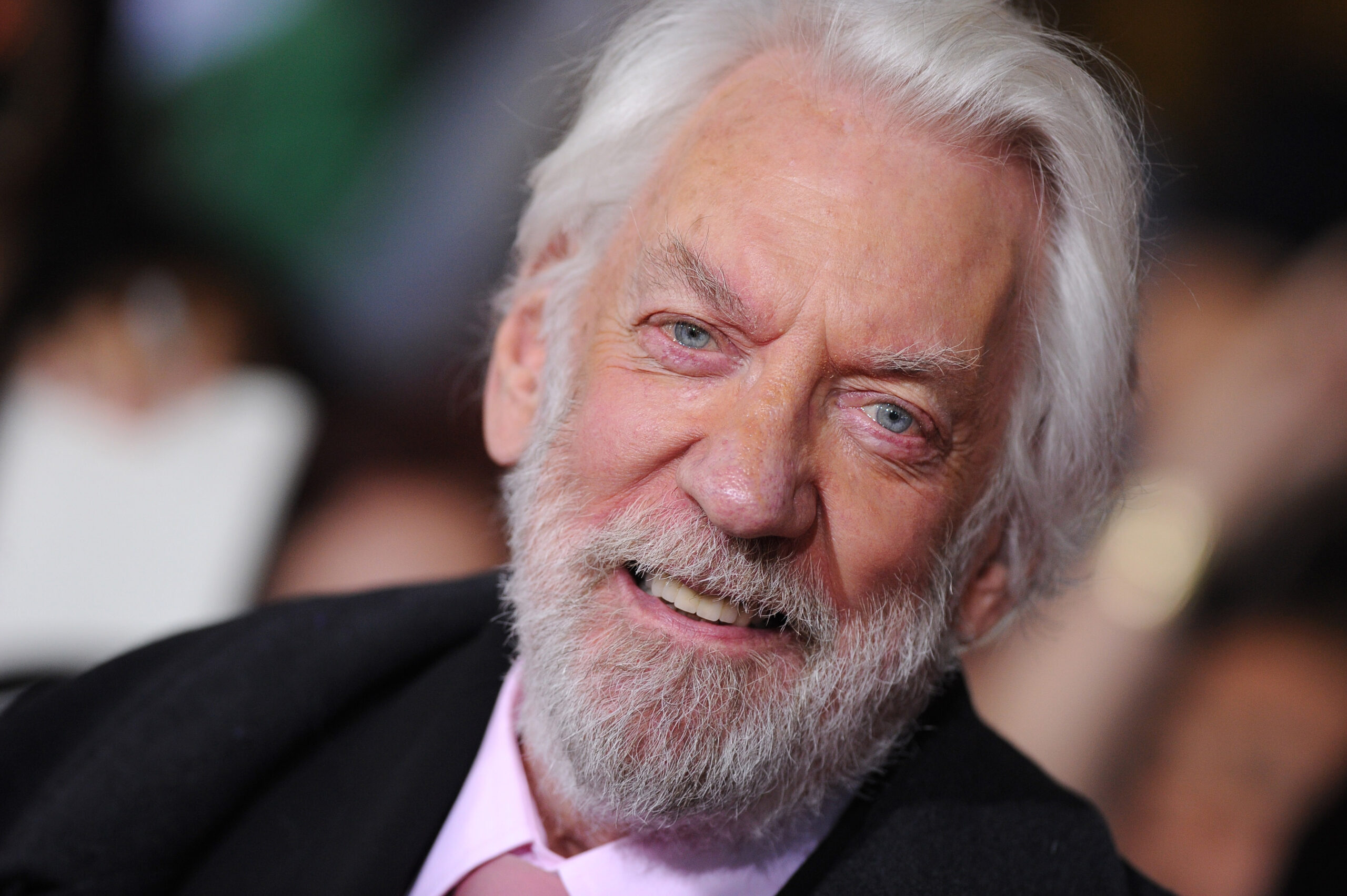
| Donald Sutherland | MASH*, The Hunger Games | 1960s-2020s | Prolific character actor with six decades of influence. |
| Matthew Perry | Friends | 1990s-2000s | Cultural icon of the sitcom era; advocate for addiction recovery. |
| Angela Lansbury | Murder, She Wrote | 1940s-1990s | Versatile star of Broadway, film, and television. |
| Chadwick Boseman | Black Panther | 2010s | Symbol of heroic representation and resilience. |
As we navigate 2026, the industry continues to feel the void left by these performers. The deaths of stars like Matthew Perry and Chadwick Boseman were particularly impactful due to their age and the sudden nature of their passing, leading to a renewed focus on health screenings and mental health support on film sets.
The Digital Afterlife: AI and Posthumous Performances
One of the most complex issues facing the families of deceased actors in 2026 is the rise of Generative AI. The ability to "resurrect" a performer using deepfake technology and voice synthesis has created a legal and ethical minefield.
Legal Protections and Image Rights
The "Right of Publicity" varies significantly by jurisdiction. In states like California, laws have been strengthened to ensure that an actor's likeness cannot be used for commercial purposes after their death without the explicit consent of their heirs. This prevents studios from "casting" deceased actors in new movies or commercials without a rigorous approval process.
Ethical Considerations
The ethics of posthumous performances remain a point of contention among fans and critics. While some see the digital recreation of an actor (such as Peter Cushing in Rogue One) as a beautiful tribute, others view it as a violation of the actor's artistic integrity. In 2026, many actors now include "no-AI" clauses in their wills, specifying that their image and voice must not be digitally manipulated after they pass.
Dealing with the Loss: How Fans and Families Grieve
The death of an actor is a unique form of "disenfranchised grief." Because the fan did not know the performer personally, society sometimes minimizes the emotional impact. However, psychologists recognize that the bond between audience and performer is real and meaningful.
- Public Memorials: In the modern era, fans often gather at a star’s Hollywood Walk of Fame plaque or at significant filming locations to leave flowers and notes.
- Digital Archives: Websites like Find A Grave and social media tribute pages allow for a global community to share memories and favorite clips.
- Charitable Legacies: Many families of deceased actors request that fans donate to specific causes in lieu of flowers. This turns the grief of a loss into a positive social impact, such as supporting cancer research or drama scholarships for underprivileged youth.
Frequently Asked Questions
Where can I find a verified list of actors who died recently?
Reliable lists are maintained by major trade publications such as The Hollywood Reporter, Variety, and Deadline. Additionally, the Internet Movie Database (IMDb) maintains a comprehensive "In Memoriam" section that is updated daily. For those interested in historical data, the Social Security Death Index (SSDI) can verify facts, though it is less commonly used by the general public than entertainment news sites.
How does the Academy decide who to include in the Oscars "In Memoriam"?
The Academy of Motion Picture Arts and Sciences has a dedicated committee that reviews a list of hundreds of industry members who passed away during the year. They prioritize those who were Academy members or who made significant contributions to the art of motion pictures. Due to time constraints of a live broadcast, not everyone can be included, which is why they often provide a more extensive digital gallery on their official website.
What happens to an actor’s unfinished projects if they die?
If an actor dies during production, the studio faces several choices: recasting the role, using a body double with CGI enhancements, or rewriting the script to account for the character's absence. Insurance policies, specifically "Cast Insurance," usually cover the financial losses incurred by these delays or changes. Examples include the restructuring of The Hunger Games: Mockingjay – Part 2 after Philip Seymour Hoffman's death.
Can an actor win an Oscar posthumously?
Yes. Several actors have won Academy Awards after their passing. The most notable examples are Peter Finch, who won Best Actor for Network (1976), and Heath Ledger, who won Best Supporting Actor for The Dark Knight (2008). In these cases, a family member or a representative usually accepts the award on their behalf.
How are an actor's "residuals" handled after death?
Residuals—the payments made for reruns or streaming of an actor’s work—become part of the actor's estate. These payments continue to be distributed to the beneficiaries named in the actor's will or trust for as long as the work is generating revenue, often for decades after the performer has passed.
Preserving the Legacy of the Arts
To honor the actors and actresses who have died, the best action for an enthusiast is to engage with their work through legitimate channels. Supporting film preservation societies, such as The Film Foundation, helps ensure that the physical film reels of classic performances are restored and digitized. By watching their films, discussing their techniques, and supporting the next generation of performers, we ensure that the "stars" never truly fade.
As we look toward the remainder of 2026, the focus remains on the "human" element of performance. While technology may offer ways to mimic the image of those we have lost, it can never replicate the soul and spontaneous creativity that defined the careers of the world’s most beloved actors and actresses.