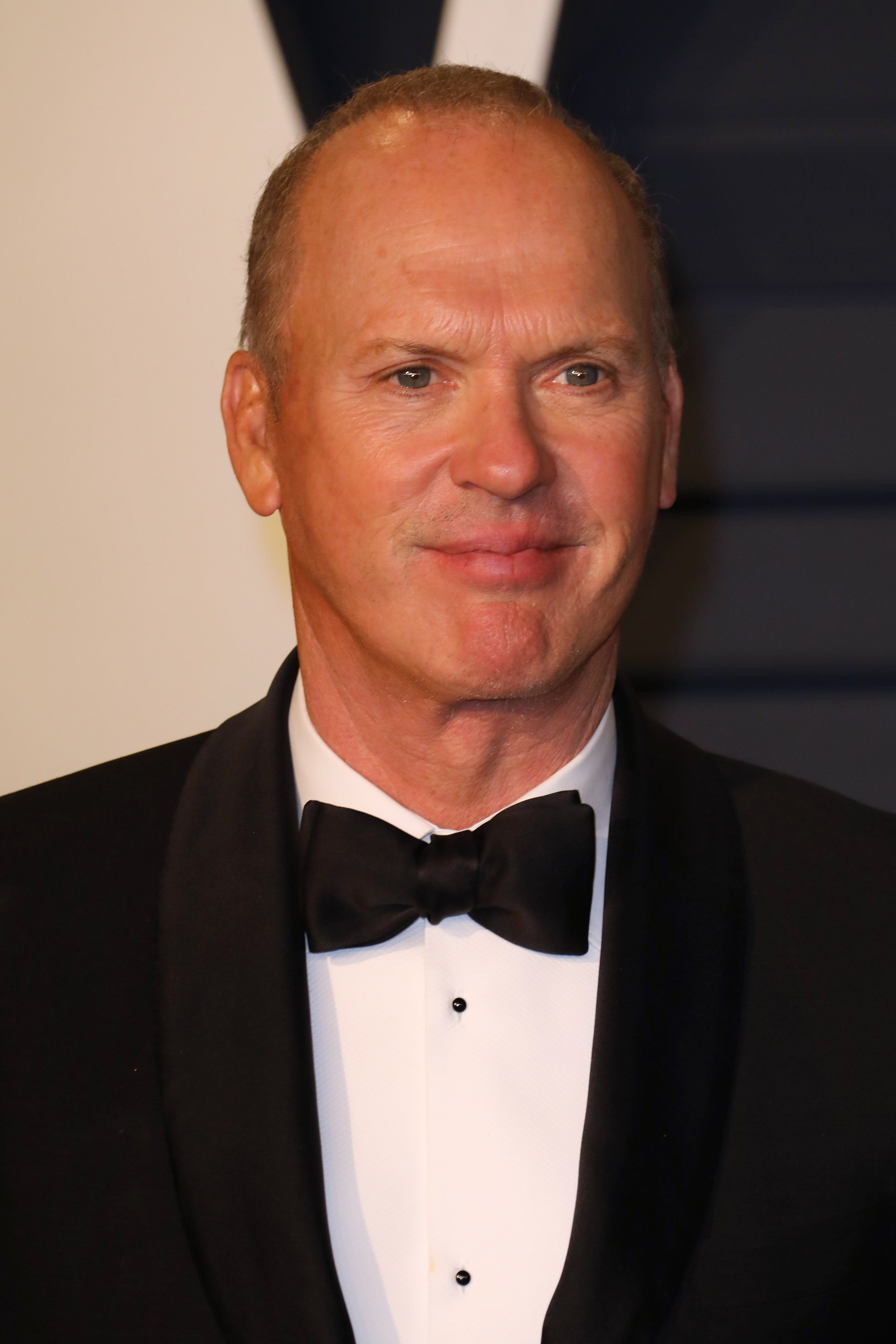
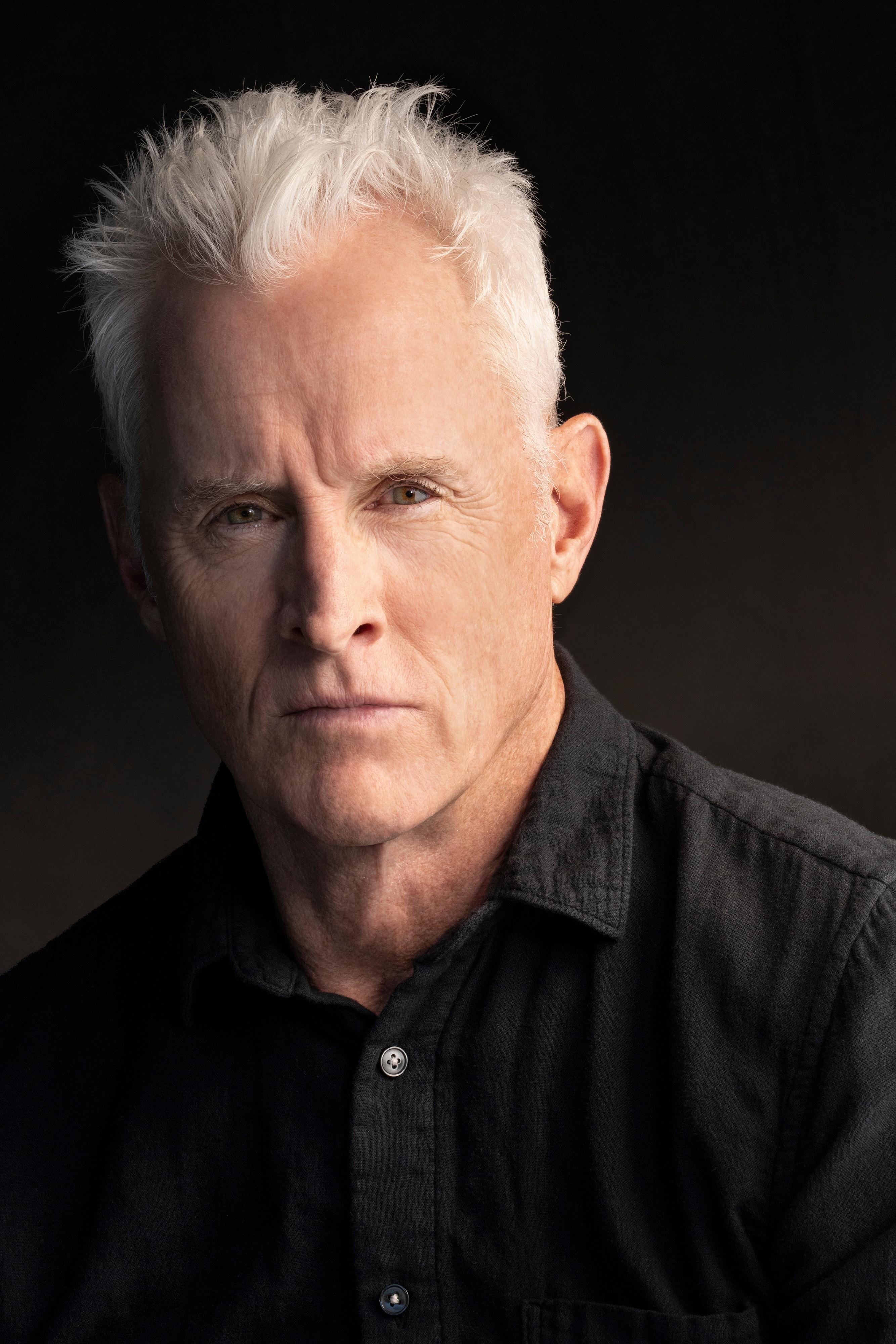
The landscape for actors over 40 in 2026 is defined by a significant increase in opportunities within prestige television and streaming platforms, which prioritize authentic, character-driven storytelling. While ageism remains a factor, the industry increasingly values the emotional depth and professional reliability of mature performers, creating a robust market for those who effectively manage their brand and technical materials.
The Shifting Landscape of Mature Casting in the Streaming Era
In 2026, the entertainment industry has moved beyond the traditional "expiration date" that once hampered performers hitting their fourth decade. This shift is primarily driven by the "Silver Economy"—the realization by major networks and streaming services that the demographic with the highest disposable income and viewing hours is aged 40 and above. Consequently, creators are developing more content that mirrors the complexities of middle age, moving away from two-dimensional "parent" tropes toward lead roles that explore career transitions, late-life romance, and intricate family dynamics.
Streaming giants like Netflix, HBO, and Apple TV+ have fundamentally altered casting requirements. Because these platforms rely on subscription retention rather than overnight ratings, they invest heavily in "prestige" projects. These projects often require the gravitas and nuanced performance style that comes with life experience. For the actor over 40, this means that "character roles" are no longer just supporting positions; they are frequently the emotional core of high-budget limited series and recurring episodic dramas.
Furthermore, the decentralization of the industry has benefited mature actors. While Los Angeles and New York remain hubs, significant production growth in markets like Atlanta, London, and Vancouver has created more "local hire" opportunities. For actors over 40 who may have established families or homes outside the primary hubs, the ability to work in regional markets has made sustaining a long-term career more feasible than it was a decade ago.
Strategic Branding and the Concept of "Type"
For an actor entering or sustaining a career over 40, "type" is the most critical component of their professional brand. In your 20s, casting is often about potential and aesthetics; in your 40s and beyond, it is about utility and specific life-stage representation. You are no longer "the ingenue"; you are now the "Seasoned Detective," the "Corporate Executive," the "Exhausted Parent," or the "Relatable Neighbor."
Understanding how you are perceived by casting directors (CDs) is a prerequisite for success. This requires an honest assessment of your current look and energy. The goal is not to appear younger, but to appear as the most vibrant, capable version of your current age. In 2026, the "uncanny valley" of excessive cosmetic procedures often works against actors, as casting directors for high-end dramas increasingly look for "real" faces that carry the history of a life lived.
Professional branding in this bracket involves:
- The Archetype Audit: Reviewing your recent auditions and bookings to see where you naturally fit. Are you consistently called for authority figures or blue-collar roles?
- Niche Specialization: Developing specific skills that complement your age, such as proficiency in medical jargon for "doctor" roles or military bearing for "officer" roles.
- Social Proof: Using platforms like Instagram or LinkedIn to showcase your professional persona, emphasizing maturity, reliability, and industry knowledge.
Essential Tools: Headshots, Reels, and Resumes
The technical requirements for an actor’s toolkit have evolved. In 2026, the primary point of contact with a casting director is almost always digital, making the quality of your materials paramount.
The Modern Headshot
Your headshot must be a 1:1 representation of how you look when you walk into a room or appear on a Zoom call. For actors over 40, there is a temptation to use photos from five years ago. This is a strategic mistake. If you appear older or significantly different than your photo during a callback, you lose the trust of the casting team. Current trends favor natural lighting and "character" shots—photos that suggest a specific role type without being a costume.
The Digital Reel
In the current market, a two-minute "best-of" reel is often too long. Casting directors frequently make decisions within the first 15 to 20 seconds. For the mature actor, the reel should prioritize "The Five S’s": Subtlety, Stability, Skill, Speed, and Status. You should lead with your most high-profile credit or your strongest dramatic performance. If you are a "late bloomer" without major credits, high-quality "self-tape style" clips produced with professional lighting and sound are now an accepted substitute for broadcast footage.
The Resume and the "Gap"
A common concern for actors over 40 is the "career gap"—years spent raising children or working in other industries. In 2026, the industry is more forgiving of these gaps, valuing the "life experience" such periods provide. When formatting the resume, focus on recent training and any relevant special skills (e.g., legal knowledge, languages, or specialized physical skills) that make you a versatile asset on set.
Comparison of Casting Opportunities by Sector (2026)
The following table outlines the current landscape for actors over 40 across different entertainment sectors.
| Sector | Demand Level | Primary Role Types | Technical Requirements | Key Benefit |
|---|---|---|---|---|
| Prestige TV/Streaming | Very High | Protagonists, Complex Antagonists | High-quality self-tape setup, nuance | Consistent work; high visibility |
| Commercials/Print | High | "Real" people, decision-makers, retirees | Home studio for voice/video | High pay for fewer hours (residuals) |
| Independent Film | Moderate | Character-driven supporting roles | Flexibility for travel; networking | Artistic fulfillment; festival exposure |
| Procedural TV | Steady | Experts (Doctors, Lawyers, Police) | Rapid memorization; "Type" clarity | Reliable entry point for new credits |
| Voiceover/Animation | Growing | Narrators, "Wise" characters, Corporate | Professional-grade home booth | Age-blind casting; longevity |
Training and Skill Development in the Mature Phase
Education does not stop at 40. In fact, the most successful actors in this demographic are those who continuously refine their craft to meet modern technical standards. In 2026, this training often focuses on two areas: technological proficiency and psychological depth.
Technical Mastery
The "Self-Tape" is no longer a temporary solution; it is the industry standard. Actors must be their own cinematographers and sound engineers. This means investing in a high-quality "L-shaped" LED lighting kit, a directional shotgun microphone, and a neutral backdrop. Proficiency in editing software (like DaVinci Resolve or Adobe Premiere) to trim and compress files is a non-negotiable skill.
On-Camera Technique
For actors who came up through theater, the transition to on-camera work requires a "less is more" approach. The high-definition cameras used in 2026 capture every micro-expression. Training should focus on "thinking the thought" rather than "showing the emotion." Workshops specifically tailored to "Mastering the Close-Up" or "Acting for 8K Resolution" are highly beneficial for mature actors whose faces have more visual "information" for the camera to process.
Intimacy and Safety Protocols
The industry has standardized the use of Intimacy Coordinators for any scenes involving physical vulnerability. Mature actors should familiarize themselves with these protocols. Understanding the language of "boundaries" and "consent" in a professional setting is essential for maintaining a safe and productive environment on set.
Managing the "Late Bloomer" Journey
If you are starting your acting career after 40, you are in good company. Historical precedents like Viola Davis, who achieved major stardom in her 40s, or Samuel L. Jackson, who had his breakthrough at 45, prove that the "overnight success" often takes decades of quiet preparation.
The advantage of starting later is a lower level of "preciousness" regarding the work. Mature actors often bring a level of professionalism, punctuality, and perspective that younger actors may lack. They understand that acting is a business and treat it with the discipline of a second career. To maximize this advantage, late-starting actors should:
- Audit the Local Scene: Start with high-quality local commercials or community theater to build a resume quickly.
- Find a Peer Group: Join SAG-AFTRA (if eligible) or local acting collectives to stay informed about industry shifts.
- Leverage Previous Careers: If you were a lawyer, market yourself for legal dramas. Your innate understanding of that world’s "rhythm" is a competitive advantage.
Overcoming Ageism: Psychological Resilience
While the industry has improved, ageism still exists, particularly in the disparity between how men and women are cast as they age. However, in 2026, there is a growing movement of "Active Aging" advocates within the unions.
Resilience in this phase of a career involves focusing on what you can control. You cannot control the breakdown (the casting notice), but you can control the quality of the audition you submit. Many actors find success by "creating their own work"—writing and producing short films or web series that showcase them in roles the industry hasn't offered yet. This proactive approach often leads to representation or direct offers because it demonstrates "creative agency."
FAQ
Is it too late to start an acting career at 45?
No, it is not too late. In fact, many casting directors struggle to find "real" 40-50-year-old actors because many performers quit in their 30s. This creates a "thinning of the herd" that can work in your favor if you enter the market with professional materials and a clear understanding of your type.
Do I need to move to Los Angeles if I am over 40?
Not necessarily. In 2026, "Self-Taping" allows you to audition for L.A.-based projects from anywhere. Many mature actors find more success in regional hubs (like Atlanta, New Orleans, or Chicago) where there is less competition and a higher demand for local character actors for supporting roles in major productions.
Should I list my age on my resume or casting profiles?
Generally, you should not list your chronological age. Instead, provide an "Age Range" (e.g., 40–50). Casting is about how you look, not the date on your birth certificate. If you look like you can play 38, don't limit yourself by stating you are 46.
How often should I update my headshots after 40?
You should update your headshots every 2 to 3 years, or whenever your look significantly changes (e.g., grey hair, weight change, or new glasses). Consistency between your photo and your current appearance is the most important factor in maintaining professional credibility.
Is theater experience still relevant for television casting?
Yes, theater experience is highly valued as it demonstrates discipline and the ability to handle complex dialogue. However, you must be able to "size down" your performance for the camera. CDs look for theater-trained actors because they are generally better at script analysis and character development.
Actionable Steps for Career Longevity
To succeed as an actor over 40 in 2026, you must transition from a "performer" mindset to a "business owner" mindset. Your career is a marathon, and the fourth and fifth decades are often where the most significant professional and financial rewards are found.
The first step is to conduct a Comprehensive Materials Audit. Review your headshots, reel, and Actors Access profile. If any of these elements feel dated or "generic," prioritize updating them. Next, invest in a Self-Tape Masterclass. The technical quality of your submissions is the single biggest barrier to entry in the current market. Finally, cultivate a Support Network. Whether it is a formal acting class or an informal "accountability group," staying connected to other performers in your age bracket provides the emotional and professional intelligence needed to navigate a rapidly changing industry.