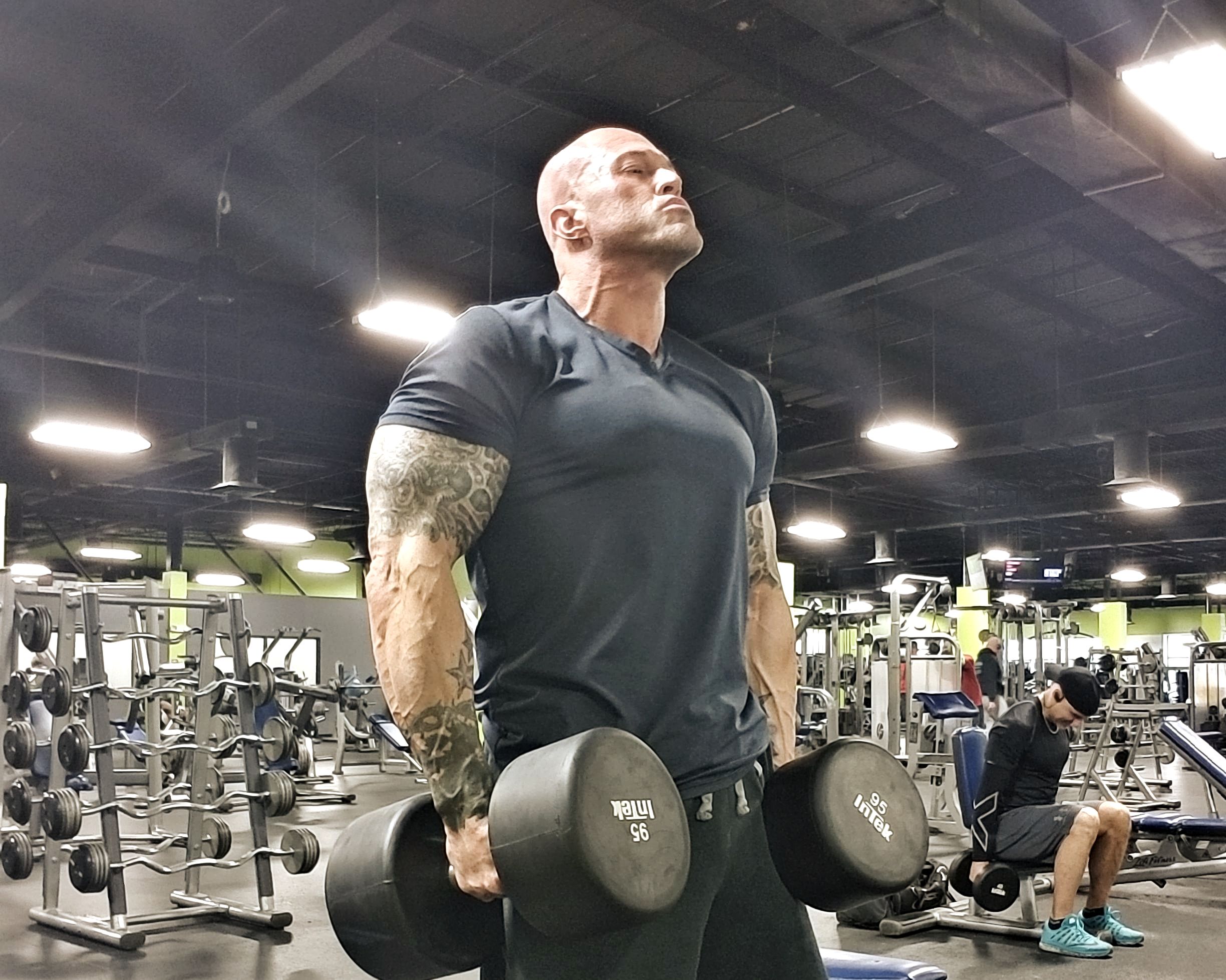
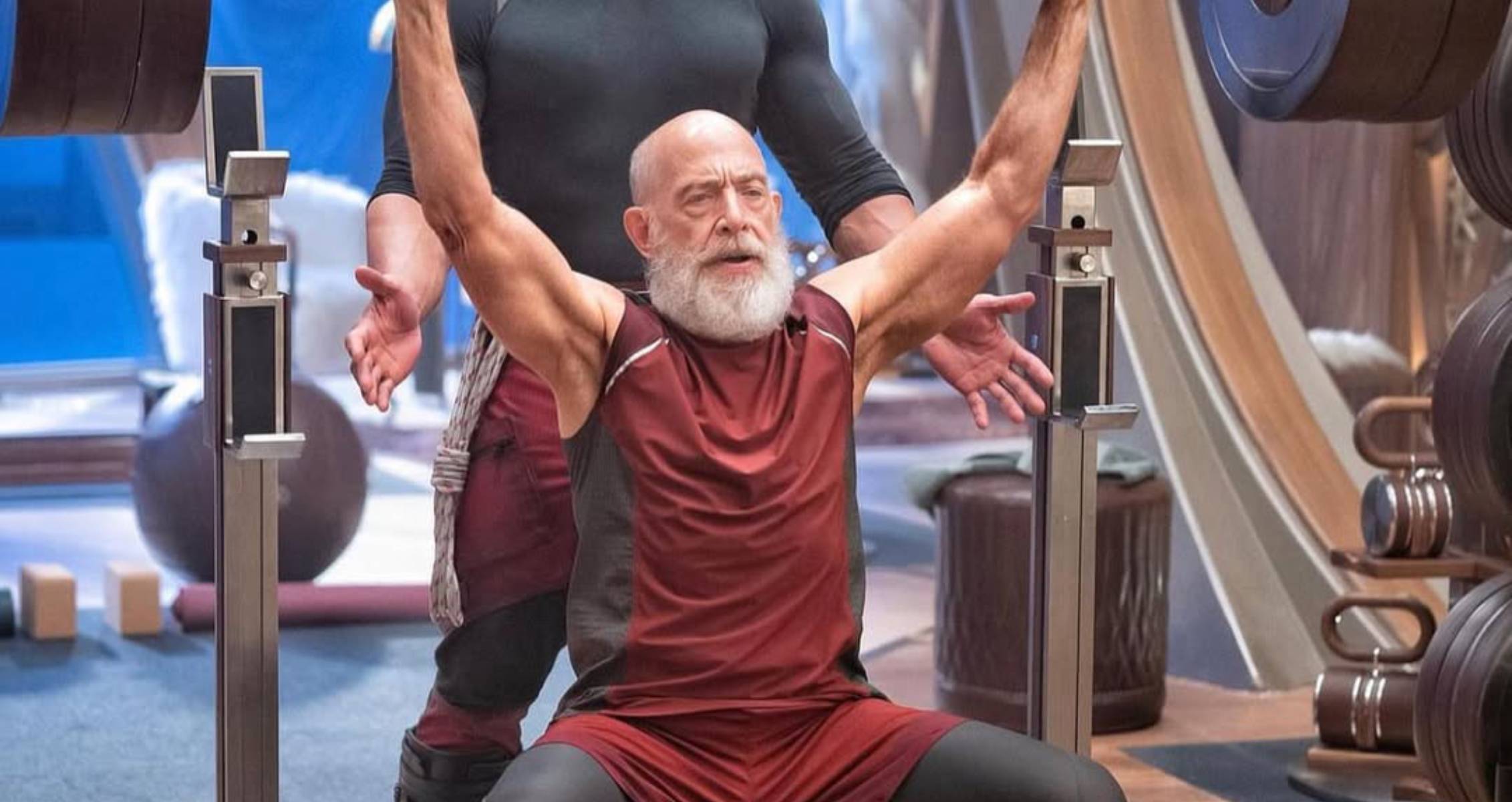
An actor workout is a high-intensity, goal-oriented fitness regimen designed to achieve a specific physical aesthetic or performance capability within a strict timeframe. Unlike general fitness, these programs prioritize visual impact, such as muscle hypertrophy and low body fat percentages, often utilizing periodization, specialized nutrition, and professional coaching to meet production deadlines.
Achieving a "Hollywood physique" requires more than just lifting weights; it necessitates a calculated approach to human biology, psychology, and recovery. In 2026, the landscape of actor preparation has evolved to integrate advanced biometric tracking and highly personalized metabolic conditioning. Whether preparing for a superhero role or an agile action sequence, the methodology remains grounded in progressive overload and disciplined caloric management.
The Philosophy of Aesthetic Training vs. General Fitness
The primary distinction between a standard gym routine and an actor workout lies in the "aesthetic priority." While a general fitness enthusiast might train for longevity or overall health, an actor often trains for "the look." This typically involves focusing on the "V-taper"—broad shoulders, a thick upper back, and a narrow waist.
To achieve this, trainers often emphasize the lateral deltoids, upper pectorals, and latissimus dorsi. This creates an optical illusion of greater size and leanness. In professional circles, this is often referred to as "visual hypertrophy." While functional strength is a byproduct, the specific selection of exercises is curated to ensure that the muscles "pop" under high-definition cinematography.
Furthermore, actor workouts are characterized by their "deadline-driven" nature. A typical transformation window is 12 to 16 weeks. This condensed timeframe requires a level of intensity and adherence that is difficult to maintain year-round. It involves a "peak and taper" strategy similar to that of professional bodybuilders, where the actor reaches their physical prime exactly when the cameras start rolling.
Structural Phases of a Professional Transformation
A successful actor workout is rarely a static routine. Instead, it is divided into distinct phases that allow the body to adapt, grow, and finally reveal the underlying musculature.
The Hypertrophy (Bulking) Phase
In the initial 8–10 weeks, the goal is to add significant muscle mass. This phase requires a caloric surplus and a focus on heavy compound movements. Exercises like the overhead press, weighted pull-ups, and incline bench press are staples. The emphasis is on "time under tension" and eccentric loading, which are scientifically proven to trigger muscle fiber repair and growth.
The Metabolic (Cutting) Phase
Once the desired muscle mass is achieved, the focus shifts to shedding subcutaneous body fat. This is where the "actor workout" becomes most grueling. Caloric intake is reduced, and "finishers"—high-intensity interval training (HIIT) or metabolic circuits—are added to the end of resistance sessions. The goal is to maintain the newly built muscle while reaching a body fat percentage typically between 8% and 12% for men, or 18% and 22% for women.
The Maintenance and "On-Set" Phase
During filming, the workout changes again. Actors often face 12-to-14-hour workdays, making 2-hour gym sessions impossible. The workout transitions into "maintenance mode," focusing on high-repetition, pump-inducing exercises performed shortly before a scene to engorge the muscles with blood, enhancing their appearance on camera.
Core Components of the Actor Workout
To replicate professional results, one must understand the three pillars of the physical routine: resistance training, cardiovascular conditioning, and mobility.
- Resistance Training: This is the foundation. Actors typically utilize a "body part split" or a "push/pull/legs" (PPL) routine. By 2026, many elite trainers have moved toward "conjugated periodization," which allows the actor to build strength and hypertrophy simultaneously. This prevents the "plateau" effect common in shorter transformation windows.
- Cardiovascular Conditioning: Contrary to popular belief, excessive steady-state cardio (like long-distance running) is often avoided because it can interfere with muscle growth. Instead, actors use "Low-Intensity Steady State" (LISS) cardio, such as incline walking, or short bursts of sprinting to maximize fat oxidation without catabolizing muscle tissue.
- Mobility and Prehab: Because the intensity is so high, injury prevention is critical. A sidelined actor costs a production millions of dollars. Workouts include dedicated time for dynamic stretching, myofascial release (foam rolling), and corrective exercises to ensure the joints can handle the increased load.
Nutrition and Supplementation Strategies in 2026
In 2026, nutrition for actors has moved beyond simple "chicken and broccoli" diets. Precise macronutrient partitioning is now the standard. High-performance chefs and nutritionists use continuous glucose monitors (CGMs) to track how an actor’s body responds to specific foods in real-time, allowing for daily adjustments to carbohydrate and fat intake.
- Protein Intake: Typically set at 1.2 to 1.5 grams per pound of body weight to support muscle synthesis.
- Carbohydrate Cycling: Higher carbs on heavy lifting days (legs/back) and lower carbs on rest or cardio days to maximize insulin sensitivity.
- Hydration and Electrolytes: Maintaining intracellular hydration is vital for muscle fullness. Specialized electrolyte blends are used to prevent the "flat" look that often accompanies low-calorie diets.
Supplementation is also highly calculated. While the foundation is always whole foods, supplements like creatine monohydrate, branched-chain amino acids (BCAAs) for intra-workout recovery, and high-quality whey isolate are used to fill nutritional gaps. In 2026, there is an increased emphasis on gut health, with probiotics and digestive enzymes being used to ensure the body can actually absorb the high volume of nutrients required.
Comparison of Transformation Styles
Different roles require different physical "blueprints." The following table compares the three most common actor workout objectives.
| Feature | Superhero/Action Hero | Lean Combatant/Spy | Period Drama/Realistic |
|---|---|---|---|
| Primary Goal | Maximum Hypertrophy | Explosive Agility | Natural Athleticism |
| Caloric Intake | High Surplus (Phase 1) | Maintenance/Slight Deficit | Isocaloric |
| Weight Training | Heavy (6–8 reps) | Moderate (10–15 reps) | Functional/Bodyweight |
| Cardio Type | LISS (Walking) | HIIT/Plyometrics | Sport-specific (e.g., Fencing) |
| Key Muscle Focus | Shoulders, Upper Chest | Core, Glutes, Back | Full Body Symmetry |
| Training Frequency | 5–6 Days/Week | 4–5 Days/Week | 3–4 Days/Week |
Common Challenges and Professional Recovery Methods
The intensity of an actor workout creates significant physiological stress. Professional recovery is what separates those who succeed from those who burn out or get injured. Actors often employ "active recovery" techniques that the average gym-goer might overlook.
Sleep Optimization: Sleep is the most anabolic "supplement" available. Actors aiming for rapid transformation often target 8–9 hours of sleep, sometimes using wearable technology to monitor REM and Deep Sleep cycles. This is when growth hormone is naturally secreted.
Therapeutic Intervention: Frequent sports massages, cryotherapy (cold exposure), and infrared saunas are standard in the 2026 actor's routine. These methods help reduce systemic inflammation and delayed onset muscle soreness (DOMS), allowing the actor to return to the gym with higher intensity the following day.
Stress Management: High cortisol levels (the stress hormone) are the enemy of muscle growth and fat loss. Many actors incorporate meditation or breathwork into their post-workout routine to shift the body from a sympathetic (fight or flight) state into a parasympathetic (rest and digest) state.
Is an Actor Workout Sustainable?
It is important to note that these "shredded" physiques are often temporary. Professional actors and their trainers emphasize that the extreme leanness seen on screen is frequently maintained only for the duration of the "shirtless scenes." Maintaining 6% body fat year-round is often unhealthy and can lead to hormonal imbalances. The goal for the general public should be to adopt the principles of the actor workout—discipline, progressive overload, and nutritional precision—without necessarily chasing the extreme short-term peaks.
FAQ: Understanding the Process
How long does it take to see results from an actor workout?
Initial changes in muscle "pump" and water weight can be seen in 2 weeks, but significant structural changes usually require a minimum of 8 to 12 weeks. Most major Hollywood transformations are the result of a 16-week dedicated block.
Do actors use performance-enhancing drugs (PEDs)?
While there is frequent speculation, most professional transformations are officially attributed to elite-level genetics, 24/7 professional coaching, custom-prepared meals, and a full-time commitment to training. The medical ethics and legalities regarding PEDs vary, and their use is not a standard or recommended part of a healthy fitness program.
Can I do an actor workout at home?
Yes, though it is more difficult to achieve maximum hypertrophy without heavy resistance equipment. A program focusing on high-volume calisthenics, resistance bands, and adjustable dumbbells can mimic the "lean and toned" spy-style physique, but the "superhero" mass usually requires a fully equipped gym.
What is the most important exercise in an actor workout?
While there is no single "best" exercise, the Incline Barbell or Dumbbell Press is often cited by celebrity trainers as the most important for the "screen look," as it develops the upper chest and creates the "armor plate" appearance under clothing.
How much does it cost to train like an actor?
The cost is high for the full "Hollywood experience," involving private trainers (often $150–$300 per hour) and meal delivery services. However, the methodology is free; by following the principles of progressive overload and macro-tracking, an individual can achieve similar results on a standard budget.
Recommended Next Steps for Your Transformation
To begin your own version of an actor workout, you must first define your "role." Determine if you are looking for mass, leanness, or functional athleticism. Start by establishing a "baseline" for your current strength and body composition.
- Calculate Your TDEE: Use a Total Daily Energy Expenditure calculator to find your maintenance calories.
- Set a Deadline: Choose a 12-week window and commit to it without "cheat days" or missed sessions.
- Track Everything: In 2026, data is king. Use an app to track every lift, every set, and every gram of protein.
- Prioritize the Upper Body "V": If your goal is purely aesthetic, ensure your program includes lateral raises and pull-ups at least twice a week.
Finally, remember that the "secret" to an actor's workout isn't a magic supplement or a hidden exercise—it is the environment of extreme accountability. Creating that accountability for yourself, whether through a coach or a dedicated training partner, is the most effective way to bridge the gap between a standard routine and a professional-grade transformation.