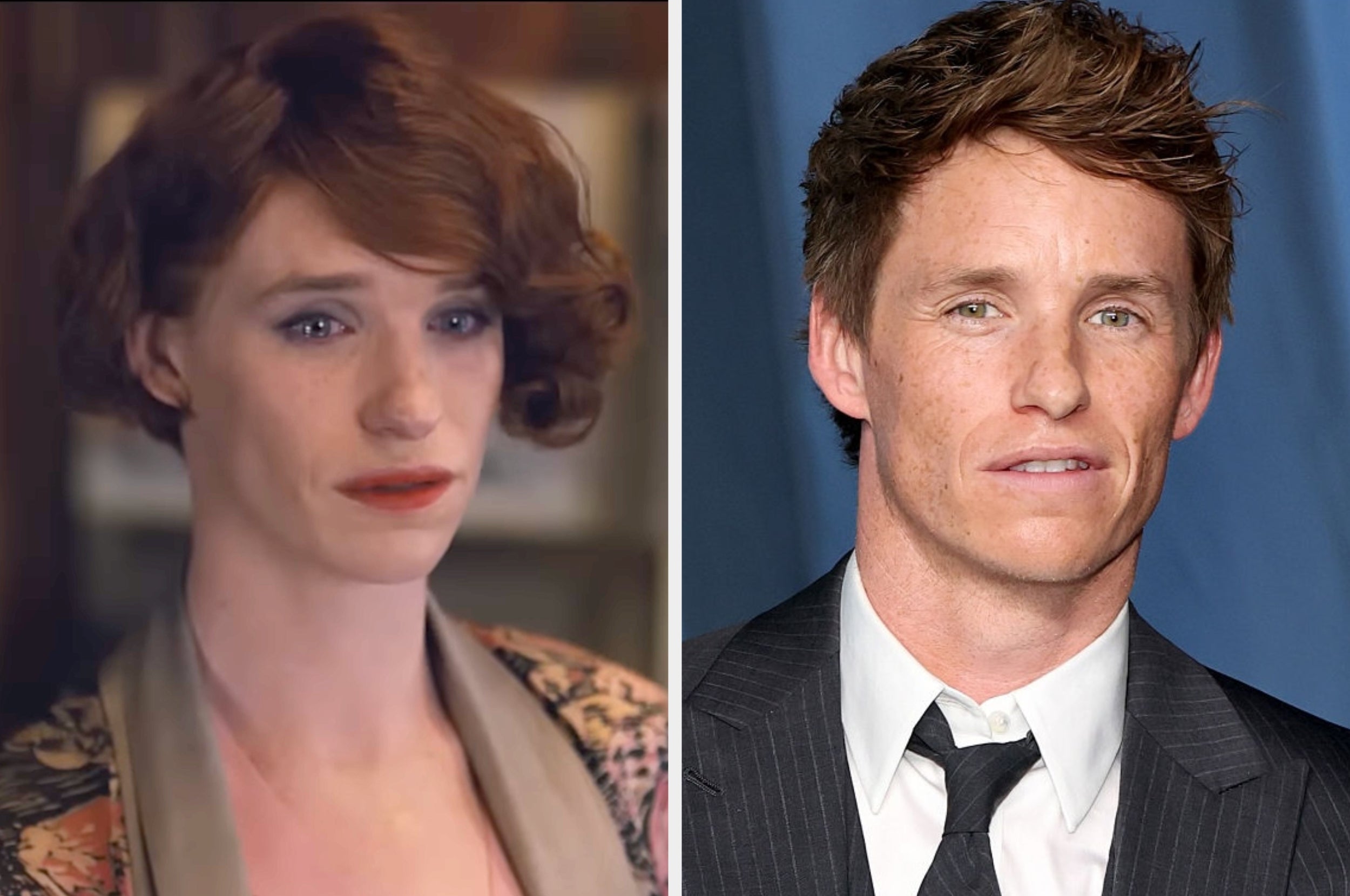
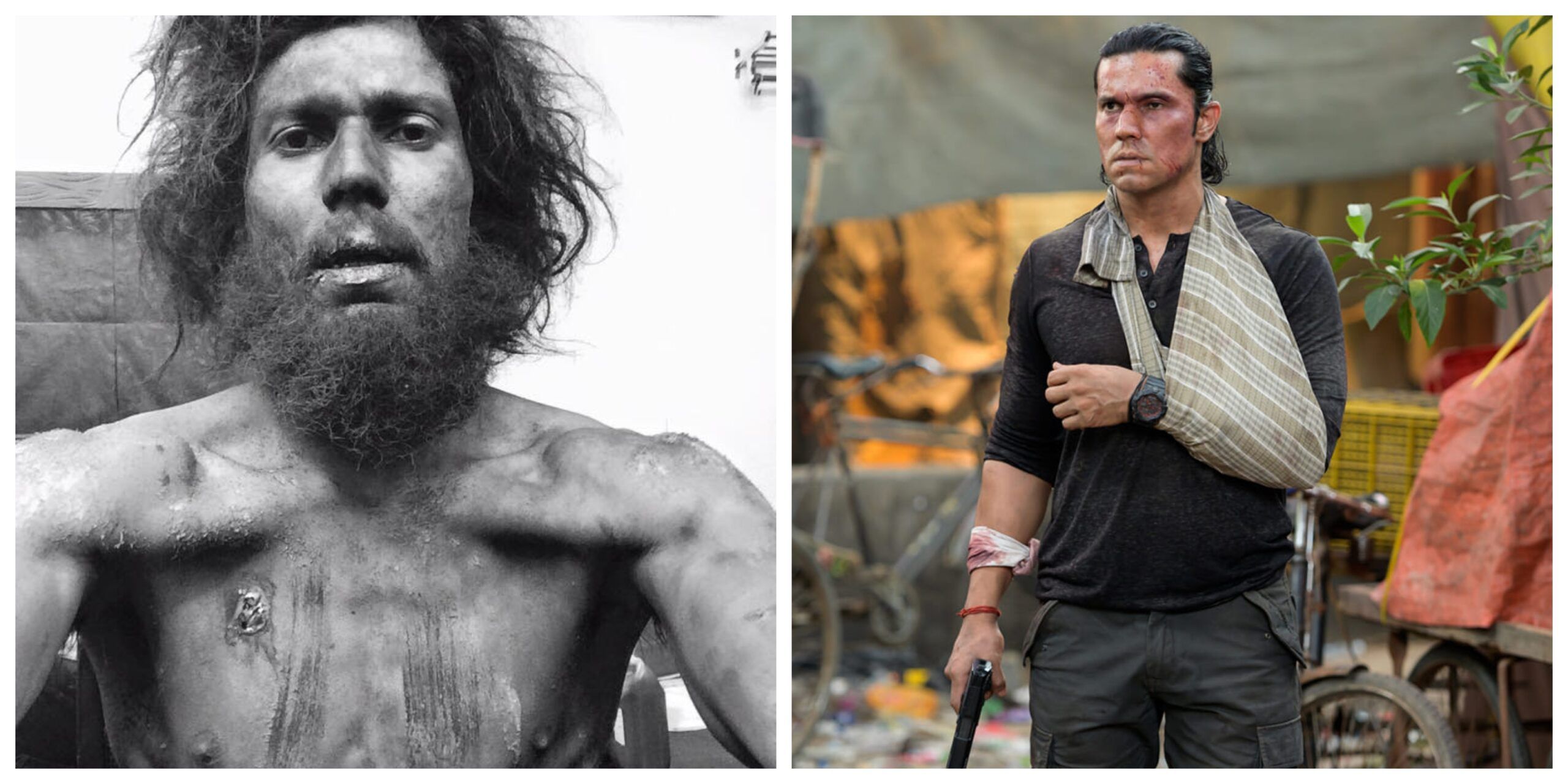
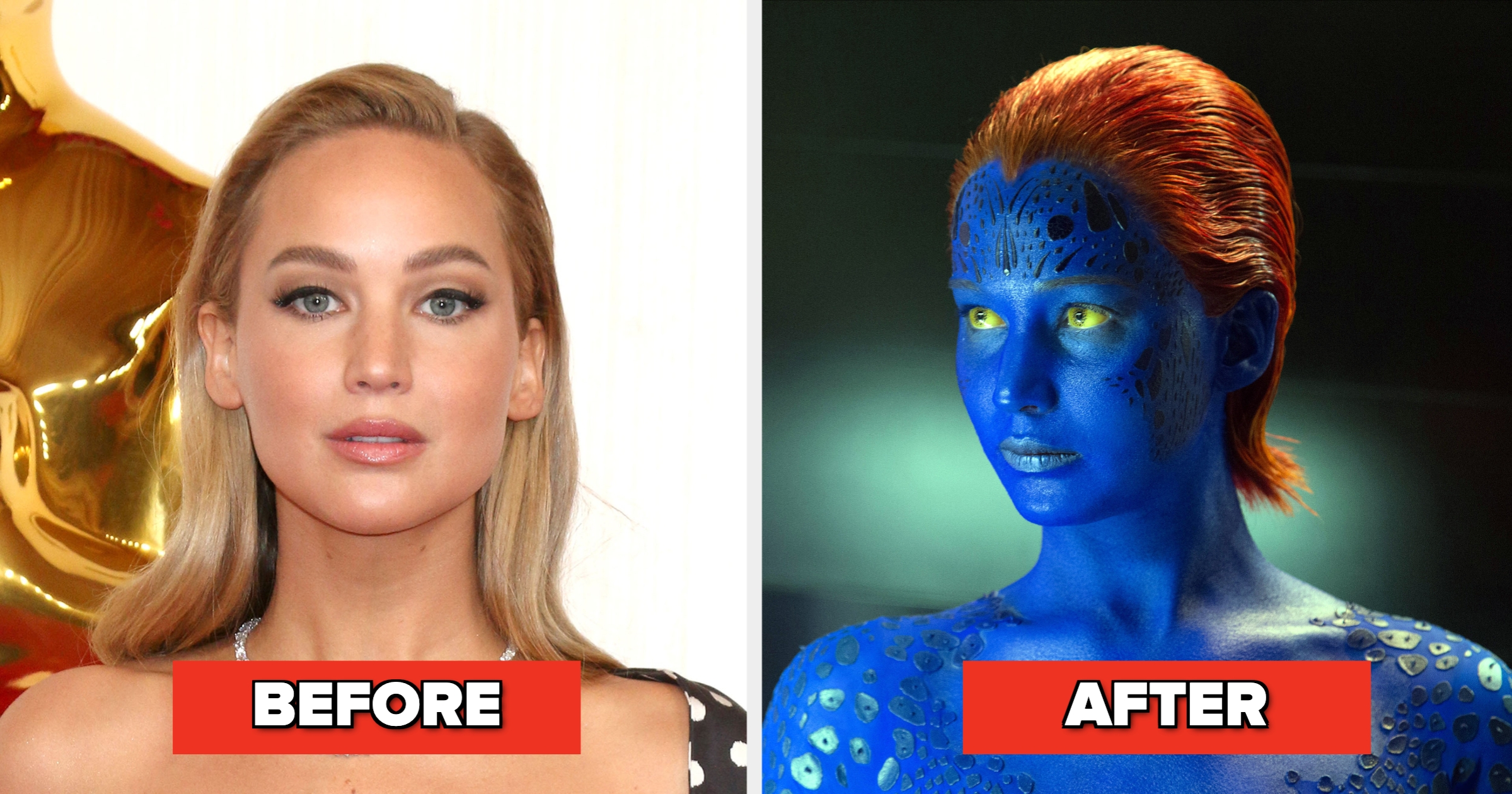
Actor transformations involve the deliberate and often extreme modification of a performer's physical appearance, vocal characteristics, and psychological state to authentically embody a specific character. These changes range from rapid weight fluctuations and intense muscle gain to the application of complex prosthetics and the adoption of different neurological patterns. In 2026, the industry increasingly balances these high-effort physical feats with advanced digital enhancements and rigorous medical supervision to ensure performer longevity.
The Evolution of the Metamorphosis in Cinema
The concept of the "chameleon actor" has evolved significantly since the early days of silent film. Originally, transformation was primarily achieved through stage makeup and lighting. Lon Chaney, known as the "Man of a Thousand Faces," set the early standard by using painful wires and homemade adhesives to distort his features. However, as cinematography moved toward high-definition and ultra-realistic textures, the requirements for transformation shifted from the external to the biological.
By the mid-20th century, actors like Robert De Niro in Raging Bull (1980) redefined the "transformative performance" by gaining 60 pounds to portray an aging Jake LaMotta. This marked a departure from "fatsuits" toward genuine physiological change, establishing a precedent that physical sacrifice equates to artistic commitment. As we navigate the landscape of 2026, this commitment remains a hallmark of "prestige" acting, though the methods have become significantly more scientific and controlled than the unregulated diets of the past.
The modern transformation is no longer a solo effort by the actor but a multi-disciplinary project involving endocrinologists, sports scientists, dialect coaches, and psychological counselors. This shift reflects a broader industry recognition that while the "shock factor" of a physical change captures headlines, the sustainability of the actor’s health is paramount for the production’s insurance and the performer's career.
Categories of Physical and Biological Transformation
Physical transformations are generally categorized by the biological system they target. While an actor may undergo several simultaneously, each requires a distinct technical approach.
Weight Manipulation: Hypertrophy and Emaciation
This is the most visible form of transformation. It involves either extreme caloric surpluses combined with resistance training to achieve "superhero" proportions or severe caloric deficits to portray illness or famine. In 2026, the use of metabolic tracking and personalized nutritional "stacks" has replaced the dangerous "starvation diets" used in the early 2000s. Actors now utilize continuous glucose monitors (CGMs) to manage insulin responses during rapid weight gain or loss, ensuring that the body remains functional despite the stress of the change.
Prosthetics and Practical Effects
Despite the rise of digital de-aging and CGI, practical prosthetics remain essential for tactile realism. Modern silicone and "second-skin" technologies allow for prosthetics that move naturally with the actor’s facial muscles. The transformation of Brendan Fraser in The Whale or Colin Farrell in The Batman showcased how prosthetics can be integrated so seamlessly that the performer's underlying emotions are never obscured. In 2026, 3D scanning and printing have shortened the "chair time" for actors, allowing for custom-fit appliances that are lighter and more breathable than traditional foam latex.
Vocal and Neurological Adaptation
A transformation is incomplete if the actor's natural voice remains. This involves changing the resonance, pitch, and placement of the voice, as well as mastering specific dialects. Furthermore, "neurological adaptation" involves the actor adopting the physical tics, gait, and posture of the character. This is often achieved through the Alexander Technique or Laban Movement Analysis, which help actors break their own habitual movement patterns to adopt those of another person.
The Technical Framework of a Professional Transformation
Executing a successful transformation requires a structured timeline and a team of specialists. A typical "prestige" transformation for a major motion picture follows a rigorous protocol:
- Medical Baselining: Before any changes begin, the actor undergoes comprehensive blood work, bone density scans (DEXA), and cardiac stress tests. This establishes the safety parameters for the transformation.
- The Loading/Depletion Phase: This phase usually lasts 3 to 6 months. For muscle gain, the focus is on progressive overload and high-protein intake. For weight loss, the focus is on nutrient-dense, low-calorie volume eating to maintain energy levels for filming.
- Maintenance During Production: The most difficult stage is maintaining the look during a grueling 12-hour-a-day filming schedule. Nutritionists are often on set to ensure the actor's macros are met exactly to prevent "deflation" or energy crashes.
- The De-escalation or "Reverse" Phase: In 2026, industry standards now mandate a supervised recovery period where the actor is slowly transitioned back to their baseline weight and hormonal levels to prevent long-term metabolic damage.
| Transformation Type | Primary Method | Common Challenges | 2026 Support Standard |
|---|---|---|---|
| Extreme Weight Loss | Caloric deficit, fasted cardio | Muscle wasting, cognitive fog, hormonal disruption | GLP-1 supervised titration & DEXA monitoring |
| Muscle Hypertrophy | Progressive resistance, surplus | Joint stress, sleep apnea, digestive strain | Anti-inflammatory protocols & sleep optimization |
| Age Progression | Prosthetics, vocal lowering | Skin irritation, 6+ hour makeup applications | 3D-printed breathable silicone appliances |
| Psychological/Method | Total immersion, isolation | Depersonalization, emotional exhaustion | On-set mental health intimacy coordinators |
The Psychological Impact and "The Method"
While physical changes dominate the visual narrative, the psychological transformation—often associated with "The Method"—carries the highest risk. Developed from the teachings of Konstantin Stanislavski and Lee Strasberg, Method acting encourages actors to use their personal experiences and emotions to build a character. In extreme transformations, actors may remain "in character" for the duration of the shoot, even when cameras are not rolling.
Austin Butler’s portrayal of Elvis Presley is a modern case study in the risks of vocal and psychological transformation, where the actor famously struggled to shed the character's accent long after production ended. In 2026, "character de-roling" has become a standard practice. This involves specific psychological exercises designed to help the actor detach from the character's trauma or personality traits at the end of the day. Without these safeguards, actors risk "emotional bleed," where the character’s depressive or manic states begin to affect the performer’s actual mental health.
Health Risks and the Ethics of Sacrifice
The industry has faced growing criticism over the "glorification of suffering" in actor transformations. Radical weight fluctuations can lead to:
- Metabolic Adaptation: The body becomes hyper-efficient at storing fat after a period of starvation, making it difficult for the actor to maintain a healthy weight in the future.
- Organ Stress: Rapid weight gain, particularly when involving high-protein diets or performance enhancers, can put significant strain on the kidneys and liver.
- Bone Density Loss: Rapid weight loss often results in the body leaching minerals from the bones, leading to an increased risk of fractures.
As of 2026, several major studios have introduced "Sustainability Clauses" in contracts. These clauses limit the percentage of body weight an actor is allowed to lose or gain within a specific timeframe and require the production to pay for a post-filming "recovery year." This shift marks a move away from the "whatever it takes" mentality toward a more regulated, professional approach to the craft.
The Role of Digital Augmentation in 2026
We have reached a point where digital tools often complement or even replace physical transformations. "Digital Prosthetics" allow editors to track an actor's face and overlay age, wounds, or weight in post-production with 100% realism.
However, the "uncanny valley"—the feeling of unease when a digital human looks almost, but not quite, real—remains a hurdle. For this reason, the most successful transformations in 2026 are "hybrid." An actor will lose a moderate amount of weight and wear light prosthetics, which are then enhanced by AI-driven post-production tools to look more extreme. This hybrid approach provides the actor with a physical "anchor" for their performance while sparing them the most dangerous aspects of a full biological transformation.
Why Actors Still Choose Physical Transformation
Despite the availability of CGI, many actors still insist on physical changes. The primary reason is sensory feedback. An actor who has genuinely lost 30 pounds feels the cold more intensely, moves more slowly, and has a different relationship with food—all of which inform the performance in ways that a digital overlay cannot. The physicality of the transformation is a tool for the actor's internal process, not just a visual effect for the audience.
FAQ
How do actors lose weight so fast for roles?
Actors utilize a combination of extreme caloric restriction and high-intensity interval training (HIIT), managed by professional nutritionists. In 2026, this often includes metabolic hacking—using precise nutrient timing and supplements to preserve muscle mass while burning fat. These transformations are not DIY projects; they are medically supervised interventions that would be dangerous for a layperson to attempt without the same level of professional oversight.
Is Method acting dangerous for the brain?
Recent neurological studies suggest that prolonged immersion in a character can create temporary changes in brain plasticity. Actors may "rewire" their emotional response triggers to match the character's. While usually temporary, this can lead to anxiety or identity confusion if the actor does not engage in proper "de-roling" techniques after the project concludes.
Can CGI completely replace physical transformations?
While CGI and AI (such as "deepfake" technology and real-time rendering) are incredibly advanced in 2026, they cannot yet replicate the subtle micro-expressions and "weight" of a human performance. A physical transformation changes how an actor breathes, speaks, and interacts with the set, providing a level of authenticity that remains the "gold standard" for Academy Award-level performances.
What is "de-roling" in the acting industry?
De-roling is a set of practices used to help an actor transition out of a character's mindset and back into their own personality. This can include physical rituals (like showering or changing clothes), vocal exercises to return to a natural pitch, and sessions with a psychological consultant to "file away" the character's simulated memories.
Recommended Next Actions for Aspiring Performers
For those looking to explore the depth of character transformation without compromising their long-term health, the focus should be on technical craft over biological extremity.
- Prioritize Movement and Voice: Mastery of your physical instrument allows you to "transform" your silhouette and presence through posture and resonance rather than just weight.
- Consult Professionals Early: If a role requires a physical change, seek a sports nutritionist and a physician before altering your diet. Establishing a baseline is the only way to transform safely.
- Invest in Psychological Tools: Learn de-roling techniques early in your training. Protecting your mental health is as important as protecting your physical body.
- Study the "Hybrid" Approach: Familiarize yourself with how your performance interacts with motion capture and digital enhancement, as this is the future of the medium.