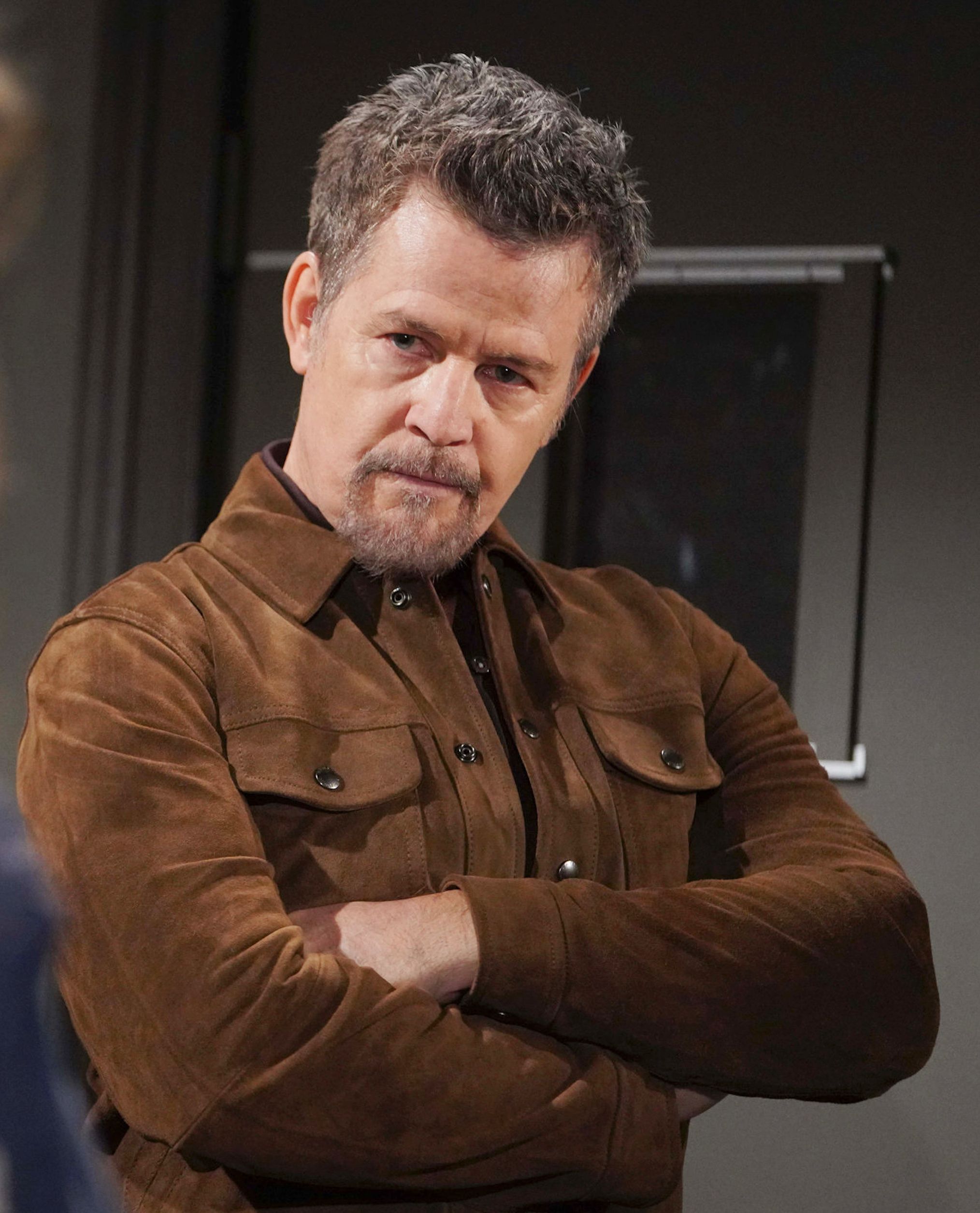
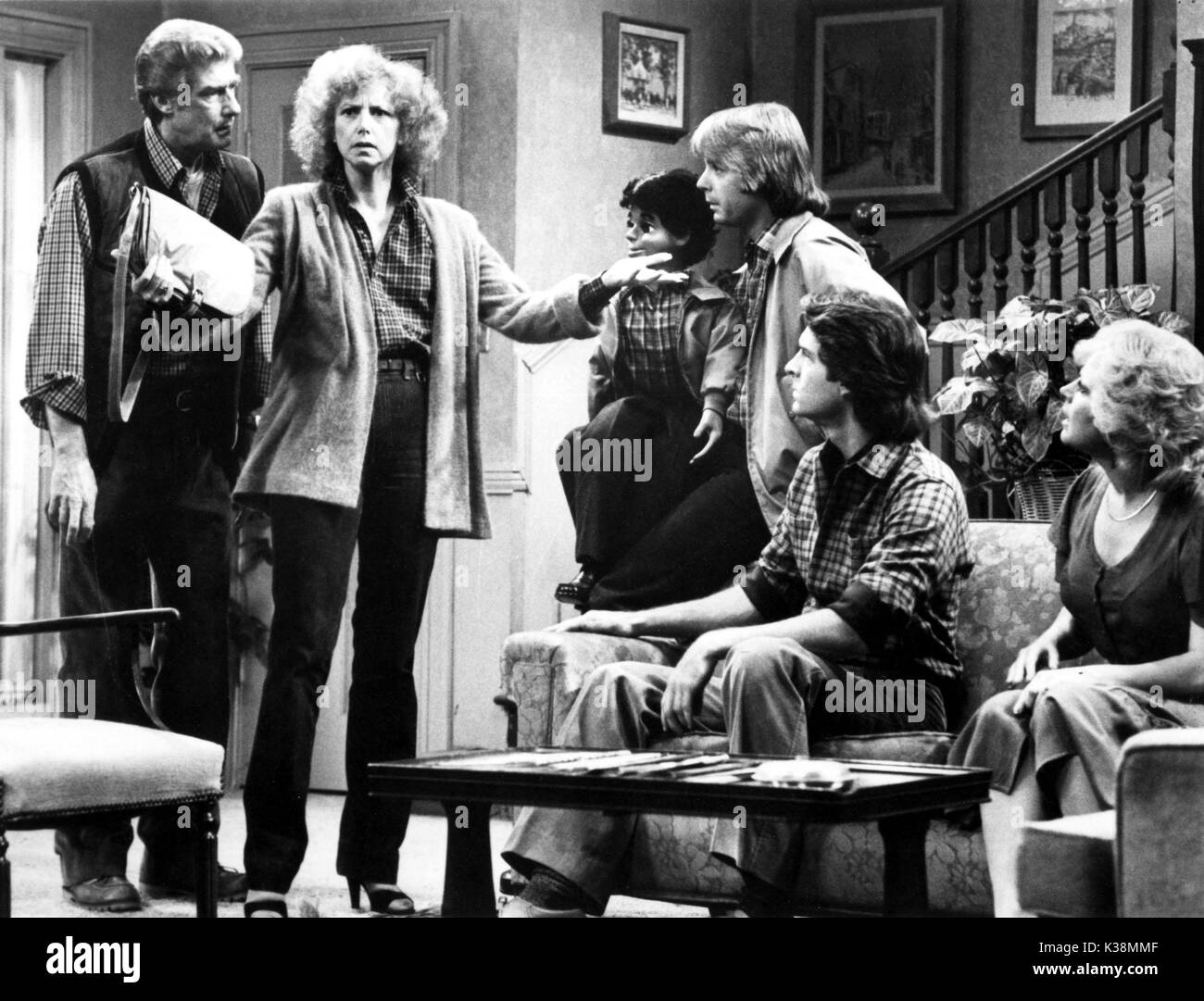
Ted Wass is a highly accomplished American actor and director best known for his iconic roles as Danny Campbell in the groundbreaking 1970s sitcom Soap and as the father figure Nick Russo in the 1990s hit Blossom. Since the mid-1990s, Wass has transitioned into a prolific career as a television director, helming hundreds of episodes for major sitcoms like Spin City, The Big Bang Theory, and Mom.
Early Life and the Foundation of a Performance Career
Born on October 27, 1952, in Lakewood, Ohio, Ted Wass grew up in a suburban environment that eventually led him to the prestigious Goodman School of Drama at DePaul University in Chicago. His early training was rooted in the classical theater tradition, which provided him with the technical discipline required for both high-stakes drama and the precise timing of situational comedy.
Before becoming a household name on television, Wass honed his craft on the stage. His most notable early achievement was appearing on Broadway, most significantly as Danny Zuko in the original production of Grease. This role was a pivotal moment, proving his leading-man charisma and his ability to handle the physical demands of musical theater. The energy of live performance in New York City during the 1970s served as the ultimate testing ground, preparing him for the rapid-fire production schedules of network television.
By the mid-1970s, Wass moved toward the screen, carrying with him a reputation for being a versatile performer who could balance physical comedy with genuine emotional vulnerability. This duality would become the hallmark of his acting career and, later, a vital tool in his kit as a director.
Breakthrough Success: The Soap Era
In 1977, Ted Wass landed the role that would define his early career: Danny Campbell in the ABC sitcom Soap. The show was a satirical take on daytime soap operas, known for its controversial storylines and eccentric characters. Wass played the son of Burt and Mary Campbell, often finding himself embroiled in the show’s most absurd plotlines, including dealings with the mob and complicated romantic entanglements.
Soap was more than just a comedy; it was a cultural phenomenon that pushed the boundaries of what was acceptable on prime-time television. Working alongside a legendary cast that included Billy Crystal, Richard Mulligan, and Katherine Helmond, Wass learned the intricacies of ensemble comedy. His portrayal of Danny Campbell was essential because he provided a sense of earnestness amidst the surrounding chaos.
The success of Soap (which ran until 1981) established Wass as a major television star. It also provided him with a unique education in the multi-camera format—the very format he would later master from the director's chair. The fast-paced, theatrical nature of filming Soap before a live audience mirrored his Broadway roots and solidified his preference for the medium.
Transition to Film: The Curse of the Pink Panther and Sheena
Following the conclusion of Soap, Wass attempted to make the leap into feature films. This period of his career is often studied by film historians as an example of the challenges TV actors faced when trying to break into Hollywood during the early 1980s.
In 1983, Wass was selected for the lead role in Curse of the Pink Panther. The film was an ambitious attempt by director Blake Edwards to continue the franchise following the death of Peter Sellers. Wass played Sergeant Clifton Sleigh, a bumbling detective tasked with finding the missing Inspector Clouseau. While Wass delivered a spirited performance that showcased his physical comedy skills, the film struggled under the impossible weight of replacing Sellers’ iconic presence.
A year later, Wass starred in Sheena (1984), a big-budget adventure film based on the comic book character Sheena, Queen of the Jungle. Playing the role of Vic Casey, a cynical journalist who becomes Sheena's love interest, Wass demonstrated his range as an action-adventure lead. Despite high production values and extensive location filming in Africa, the movie did not achieve the box-office success expected by the studio. These experiences in the film industry eventually guided Wass back to television, where his greatest successes lay.
The Blossom Years: A Return to Television Prominence
In 1990, Ted Wass returned to the forefront of American television in the NBC sitcom Blossom. Playing Nick Russo, the single father of three children (including the titular Blossom, played by Mayim Bialik), Wass became a symbol of the modern, sensitive 90s dad.
Blossom was a significant departure from the satirical tone of Soap. It dealt with serious adolescent issues—divorce, substance abuse, and growing pains—while maintaining a lighthearted comedic core. Wass’s performance as Nick Russo, a session musician, allowed him to bring a relaxed, cool-tempered energy to the show.
The series ran for five seasons, concluding in 1995. For Wass, Blossom was a turning point. During his time on the show, he began to take a keen interest in the mechanics of production. He observed how directors managed the set, handled the rhythm of the jokes, and collaborated with the writers. As the series progressed, it became clear that his future in the industry would involve stepping behind the camera.
A Second Act: Master of the Multi-Camera Sitcom
The transition from actor to director is a common path in Hollywood, but few have navigated it as successfully as Ted Wass. Since the mid-90s, he has become one of the most sought-after directors in the multi-camera sitcom genre. His background as an actor gives him a distinct advantage; he understands the needs of performers and how to communicate technical notes in a way that preserves their creative flow.
His first major directing credits began to appear shortly after Blossom ended. He found early success with The Jeff Foxworthy Show and Coach. However, it was his work on Spin City that truly established him as a premier director. Wass directed over 40 episodes of the Michael J. Fox/Charlie Sheen led series, demonstrating an ability to manage high-energy political comedy with sophisticated pacing.
As of 2026, Wass's directorial resume includes some of the most successful comedies of the last three decades. His technical expertise involves managing the "four-camera" setup, where the director must coordinate multiple angles simultaneously while keeping an eye on the live audience's reaction. This requires a sharp ear for timing and an instinctive understanding of where the "laugh" is in any given scene.
Summary of Key Work: Movies and Television
The following table highlights the most significant projects in Ted Wass’s career, representing his evolution from a leading man to a powerhouse director.
| Year(s) | Title | Role | Format |
|---|---|---|---|
| 1977–1981 | Soap | Danny Campbell | TV Series (Actor) |
| 1983 | Curse of the Pink Panther | Sgt. Clifton Sleigh | Feature Film (Actor) |
| 1984 | Sheena | Vic Casey | Feature Film (Actor) |
| 1990–1995 | Blossom | Nick Russo | TV Series (Actor) |
| 1996–2002 | Spin City | Director (40+ Episodes) | TV Series (Director) |
| 2002–2006 | Less than Perfect | Director (60+ Episodes) | TV Series (Director) |
| 2007–2013 | Rules of Engagement | Director (45+ Episodes) | TV Series (Director) |
| 2011–2017 | 2 Broke Girls | Director (9 Episodes) | TV Series (Director) |
| 2013–2020 | Mom | Director (20+ Episodes) | TV Series (Director) |
| 2018–2021 | Last Man Standing | Director (10+ Episodes) | TV Series (Director) |
Personal Life and Resilience
Ted Wass’s personal life has been marked by both deep partnership and profound loss. In 1979, at the height of his Soap fame, he married actress Janet Margolin. Margolin was an acclaimed performer known for her roles in David and Lisa and Woody Allen’s Annie Hall and Take the Money and Run. The couple had two children, Julian and Matilda.
Tragedy struck the family in 1993 when Janet Margolin passed away from ovarian cancer at the age of 50. Wass, who was starring in Blossom at the time, had to navigate the demands of a high-profile television career while raising his children as a widower. This period of his life is often cited as a testament to his resilience and dedication to his family.
Wass later remarried Nina Wass (née Bernstein), a television producer. Their partnership has been both personal and professional, as both have remained active in the upper echelons of the television industry. Despite the public nature of his work, Wass has generally maintained a private lifestyle, focusing on his craft and his family rather than the Hollywood social circuit.
Analysis of Directorial Style
What makes a "Ted Wass directed" episode stand out? In the world of multi-camera sitcoms, the director's job is often to be invisible, ensuring the writing and the acting shine. However, Wass brings several specific technical elements to his work:
- Rhythmic Pacing: Wass is known for maintaining a brisk pace. He understands that in a 22-minute sitcom, every second counts. He trims the "air" out of scenes to ensure the jokes land with maximum impact.
- Actor-Centric Blocking: Because he spent decades in front of the camera, Wass blocks his scenes (the physical movement of actors) to feel natural rather than staged. This helps the actors feel grounded, which in turn makes the comedy more relatable to the audience.
- Visual Clarity: In a multi-cam setup, it is easy for the frame to become cluttered. Wass utilizes the "master shot" and "coverage" effectively to ensure the audience always knows where to look for the punchline.
His transition into directing was not just a career change but a mastery of a specific American art form. While single-camera shows (like The Bear or Succession) have gained popularity, Wass remains one of the primary guardians of the traditional studio-audience sitcom, a format that continues to generate massive viewership in syndication and streaming.
Frequently Asked Questions
What was Ted Wass’s most famous acting role?
Most television historians and fans consider his role as Danny Campbell in Soap (1977–1981) to be his most iconic performance. It launched his career and remains a landmark of 1970s television satire. However, for a younger generation, he is most recognized as Nick Russo from Blossom.
Why did Ted Wass stop acting and start directing?
While Wass never officially "retired" from acting, he found that he had a natural aptitude for the logistical and creative challenges of directing. By the mid-90s, he was increasingly in demand behind the camera. Directing offered more longevity and the ability to shape entire shows rather than just single characters.
Did Ted Wass ever work with his wife Janet Margolin?
While they were both prominent actors in the late 70s and 80s, they largely maintained separate professional paths. Their marriage was a private partnership, though they were a well-known couple within the New York and Los Angeles acting communities until her untimely passing in 1993.
Which modern sitcoms has Ted Wass directed?
Wass has a massive list of credits, including The Big Bang Theory, Rules of Engagement, 2 Broke Girls, Mom, Man with a Plan, and Last Man Standing. He is particularly known for his long-term collaborations with producers like Chuck Lorre.
Is Ted Wass still active in the industry as of 2026?
Yes. As of 2026, Ted Wass remains an active and respected figure in television production. While he may take fewer projects than during his peak in the early 2000s, he is frequently called upon to direct pilots and key episodes for new multi-camera comedies due to his extensive experience and "actor-friendly" reputation.
Exploring the Legacy of Ted Wass
For those interested in the evolution of American comedy, studying the career of Ted Wass offers a unique perspective. He represents a bridge between the experimental, boundary-pushing comedy of the 1970s and the polished, high-production sitcoms of the 21st century.
To fully appreciate his contribution to media, viewers are encouraged to revisit the early seasons of Soap to see his comedic timing as a performer, followed by episodes of Spin City or Mom to observe his precision as a director. His journey from the Broadway stage to the director's booth is a blueprint for professional versatility and longevity in an often volatile industry. Whether in front of the lens or behind it, Wass’s influence on the "sitcom" as a genre remains profound and enduring.