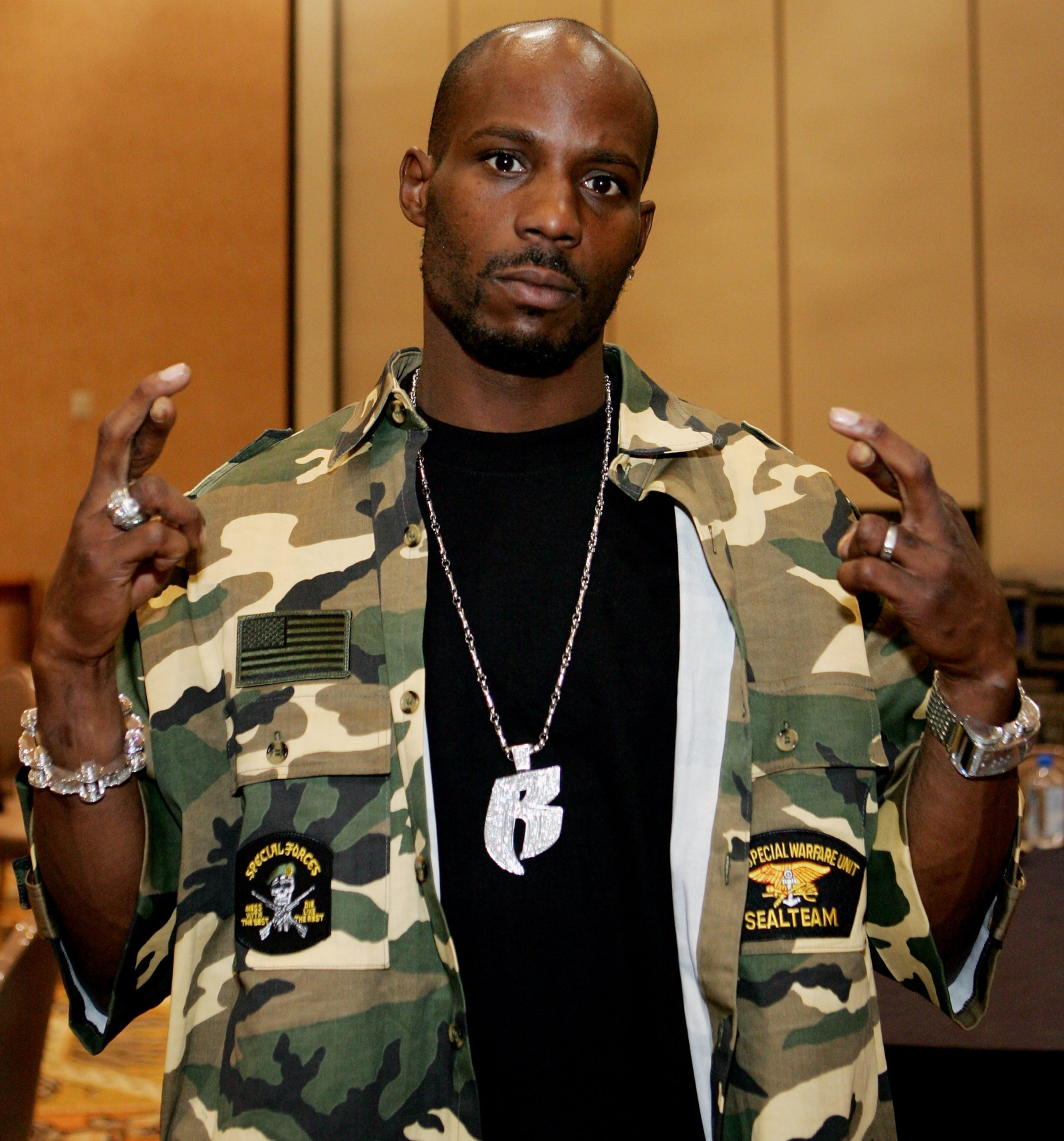
The transition between being a rapper and an actor is a strategic career evolution rooted in the shared demands of performance, rhythm, and storytelling. By 2026, this "multihyphenate" model has become the industry standard, allowing artists to leverage their stage presence and fan bases across multiple media platforms to ensure career longevity and financial stability.
The Evolution of the Multihyphenate Artist
The concept of the actor and rapper is no longer a novelty or a "side project." Historically, the path was paved by pioneers in the late 1980s and 1990s who proved that hip-hop charisma could translate to box-office success. Figures like Will Smith (The Fresh Prince), LL Cool J, and Queen Latifah were instrumental in breaking the stigma that rappers were merely playing versions of themselves. By the mid-2000s, artists like Ice Cube and Mark Wahlberg (formerly Marky Mark) had transitioned so completely that younger audiences often forgot their musical origins.
In the current landscape of 2026, the lines have blurred further. The rise of digital streaming and social media has created a "content-first" ecosystem where an artist's brand is a singular entity capable of producing a chart-topping single on Monday and filming a prestige limited series on Tuesday. This evolution is driven by the industry's need for "bankable" talent—individuals who bring an existing, highly engaged audience to a film project, thereby reducing the marketing risk for studios.
Furthermore, the "actor and rapper" designation represents a shift in how talent is nurtured. Modern agencies now scout for individuals with "cross-platform potential," recognizing that the storytelling skills required to write a compelling 16-bar verse are remarkably similar to the emotional intelligence needed to dissect a script. This synergy has moved from the fringes of the entertainment industry to its very core.
Shared Skillsets: Why the Transition Works
The bridge between the recording booth and the film set is shorter than it appears. At their core, both rapping and acting are disciplines of communication, requiring mastery over voice, body language, and timing. Understanding these overlaps is essential for any artist looking to dominate both fields.
Vocal Control and Diction
Rappers are essentially vocal athletes. They must manage breath control, cadence, and emphasis to convey meaning within a strict rhythmic structure. This translates directly to voice acting and dramatic performance, where "hitting your marks" vocally is as important as physical positioning. A rapper’s familiarity with projection and tone allows them to adapt quickly to the requirements of different characters, whether they need the gravelly intensity of a noir protagonist or the fast-talking energy of a comedic lead.
Memorization and Narrative Arc
The ability to memorize thousands of words for a live set provides a significant advantage when learning scripts. Beyond simple rote memorization, rappers are accustomed to understanding "flow"—the internal logic of a piece of writing. When an actor who is also a rapper approaches a scene, they often look for the rhythm of the dialogue. This musical approach to acting can result in a more natural, engaging performance that feels less like a reading and more like a lived experience.
Persona and Character Development
In hip-hop, "persona" is everything. Artists often create a heightened version of themselves to navigate the industry, which is a fundamental form of acting. Whether it’s the "villain" archetype or the "underdog," rappers spend their careers building a character through their lyrics, fashion, and public appearances. Moving into scripted acting is often just an extension of this world-building, allowing them to apply their branding expertise to a fictional role.
Navigating the Business: Representation and Unions
Successfully managing a dual career requires a sophisticated understanding of the legal and professional frameworks governing the two industries. An actor and rapper must navigate two primary unions and distinct sets of representation, which can create logistical complexities.
In the United States, SAG-AFTRA (Screen Actors Guild - American Federation of Television and Radio Artists) is the dominant union for performers. While it covers both actors and recording artists, the contracts, residual structures, and pension plans vary significantly between the two branches. For example, the way royalties are calculated for a streaming series is fundamentally different from how mechanical royalties are handled for a digital album.
| Aspect | Music Industry (Rap) | Film/TV Industry (Acting) |
|---|---|---|
| Primary Union | SAG-AFTRA / AFM | SAG-AFTRA |
| Revenue Model | Streaming, Touring, Merch | Upfront Fees, Residuals |
| Representation | Music Manager, Booking Agent | Talent Agent, Literary Manager |
| Production Cycle | Fast (Weeks to Months) | Slow (Months to Years) |
| Key Gatekeepers | Label Executives, Playlist Curators | Casting Directors, Showrunners |
Managing these two worlds often requires a "power team" that includes a music manager and a theatrical agent who are in constant communication. The greatest challenge is often scheduling; a major concert tour can take an artist off the market for six months, making them unavailable for a "pilot season" or a film shoot. Conversely, a starring role in a feature film can delay an album release by a year. In 2026, the most successful multihyphenates use a "staggered release" strategy, where they film during the winter and tour during the summer festival circuit.
Case Studies: The Modern Standard of Success
The following table highlights key figures who have successfully balanced the demands of both industries, providing a blueprint for the "actor and rapper" career path.
| Artist | Origin | Breakout Acting Role | Major Achievement |
|---|---|---|---|
| Donald Glover | Rap (Childish Gambino) | Community / Atlanta | Multiple Emmys and Grammys |
| Drake | Acting (Degrassi) | N/A (Transitioned to Music) | Record-breaking Billboard charts |
| Awkwafina | Rap (Viral Videos) | The Farewell | Golden Globe Winner |
| Daveed Diggs | Rap (clipping.) | Hamilton / Snowpiercer | Tony and Grammy Winner |
| Common | Rap (Midwest Hip-Hop) | Hell on Wheels / John Wick 2 | Academy Award (Best Original Song) |
These examples demonstrate that there is no "correct" starting point. Drake began as a child actor before becoming one of the biggest rappers in history, whereas Donald Glover successfully maintained both identities simultaneously, often using his music to soundtrack his television projects. This cross-pollination of art forms allows for a deeper level of creative control and brand synergy.
The Financial Landscape of the Dual Career
For the actor and rapper, the primary benefit of a dual career is the diversification of income streams. The music industry is notoriously volatile, with income often tied to the "hype cycle" of a new release or the physical demands of touring. Acting provides a more stable, long-term financial cushion through residuals and high-value upfront contracts.
By 2026, the "brand equity" of a rapper who can act is significantly higher than that of a single-medium artist. High-end luxury brands and tech companies prefer to partner with multihyphenates because they offer more versatile marketing opportunities. An artist might appear in a film wearing a specific brand, then feature that same brand in a music video, creating a cohesive narrative that appeals to multiple demographics.
Furthermore, the intellectual property (IP) generated from these careers can be intertwined. It is increasingly common for actor-rappers to produce the soundtracks for the films they star in, allowing them to collect royalties as both a performer and a songwriter. This "vertical integration" of talent ensures that the artist captures the maximum possible value from a single project.
Common Challenges: Brand Confusion and Burnout
Despite the benefits, the path of the actor and rapper is fraught with challenges. The most significant is the risk of "brand dilution." If an artist takes on too many disparate roles, their core audience may lose a sense of who they are. For instance, a rapper known for "street-level" authenticity may face a backlash if they take a role in a family-friendly romantic comedy that contradicts their musical persona.
Physical and mental burnout is another major concern. The "always-on" nature of social media in 2026, combined with the grueling schedules of both filming and touring, can lead to exhaustion. Maintaining a high level of quality in both crafts is difficult; many artists find that their music suffers when they focus too much on acting, or their acting performances feel uninspired because they are distracted by album deadlines.
To mitigate these risks, modern artists are becoming more selective. Instead of taking every role offered, they seek out "prestige" projects that align with their musical brand. They also employ larger creative teams to handle the day-to-day operations of their music labels and production companies, allowing the artist to focus purely on the performance aspect.
How do I get started as an actor if I'm already an established rapper?
The most effective route is to seek out a theatrical agent who specializes in crossover talent. Start by taking acting classes to build a foundation in technique—casting directors can tell the difference between a "personality" and a trained actor. Look for smaller, character-driven roles in independent films or guest spots on established television series to build your reel before aiming for lead roles in major studio productions.
Do rappers have to change their image to be successful actors?
Not necessarily, but they must be willing to be "malleable." While some rappers find success playing characters similar to their stage personas, the most respected actor-rappers are those who can disappear into a role. Being an actor requires a level of vulnerability that is often the opposite of the bravado found in rap. Success usually comes to those who can balance their core brand with the demands of the script.
Is it better to focus on music or acting first?
There is no single answer, but many artists find that having a strong foundation in one area provides the leverage needed to enter the other. A successful rap career provides a built-in audience that makes you attractive to film producers. Conversely, a successful acting career provides the financial resources to fund high-quality music production and marketing.
What are the biggest mistakes rappers make when trying to act?
The most common mistake is assuming that fame in the music world automatically translates to talent on a film set. This can lead to a lack of preparation, such as not knowing lines or failing to understand the technical aspects of filmmaking (like "finding your light"). Another mistake is refusing to take "small" roles, which are often necessary to gain the respect of the acting community and the unions.
How has the industry changed for actor-rappers in 2026?
The biggest change is the integration of AI and digital likenesses. Actor-rappers now have to navigate contracts that involve their digital twins being used in video games, virtual concerts, and even as background characters in films. This has made "Rights of Publicity" and intellectual property management a central part of their career strategy, requiring more specialized legal counsel.
Strategic Recommendations for Multihyphenates
For those pursuing the dual career of an actor and rapper in 2026, the most effective strategy is one of calculated synergy. Instead of viewing the two fields as separate entities, look for ways they can support each other. Seek out roles that allow you to contribute to the soundtrack, or use your music videos as "mini-films" to showcase your acting range to casting directors.
Prioritize "career equity" over short-term financial gains. Taking a smaller, challenging role in a critically acclaimed film will often do more for your long-term acting career than a lead role in a forgettable blockbuster. Likewise, ensure your music remains authentic to your voice, as your musical fan base is the engine that drives your overall brand value. Finally, invest in a robust legal and management team that understands the nuances of both the Recording Academy and the film industry guilds to ensure your intellectual property and physical well-being are protected.