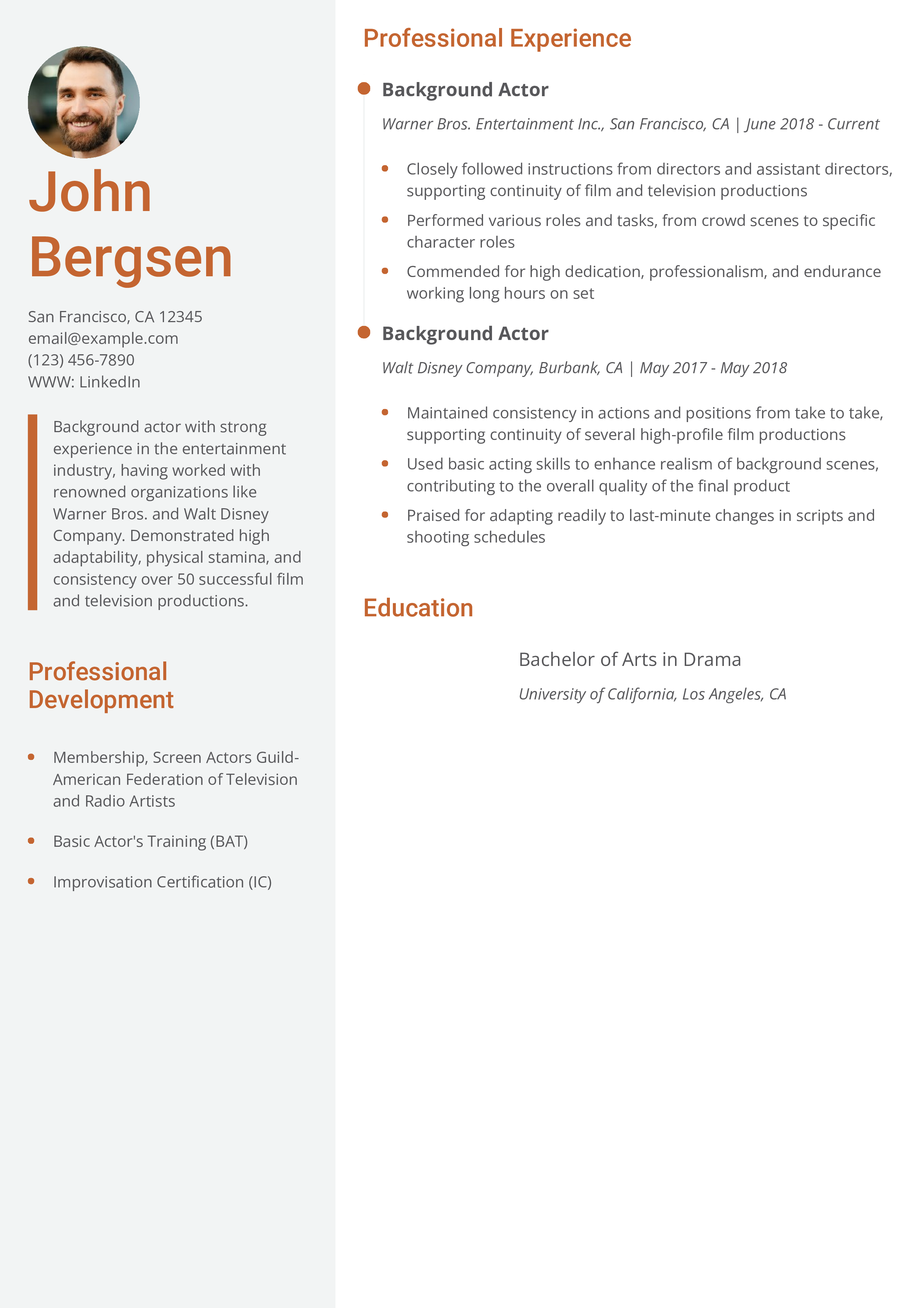
A professional actor profile is a centralized digital portfolio hosted on industry-standard casting platforms that serves as a performer's primary tool for securing auditions and representation. It integrates high-resolution headshots, a video showreel, a standardized performance resume, and specific physical metadata to allow casting directors to filter, identify, and contact talent for specific roles in film, television, and theater.
In the entertainment industry of 2026, the actor profile has evolved from a static resume into a dynamic, data-driven asset. With the proliferation of streaming content and the globalization of casting through self-taping, your profile is often the only representation a casting director sees before deciding whether to "request a tape." Maintaining a professional, optimized profile is no longer optional; it is the fundamental prerequisite for a working actor.
Core Components of a High-Impact Actor Profile
A profile is only as strong as its weakest element. To compete in a crowded market, every component must meet rigorous industry standards for quality and formatting. Casting directors often spend fewer than five seconds looking at a profile before moving to the next candidate, meaning your visual and textual data must be immediate and professional.
Professional Headshots
The headshot remains the most critical element of the actor profile. In 2026, the industry has shifted away from overly stylized or heavily retouched "glamour" shots toward authentic, high-definition "character" looks. A successful profile typically includes:
- The Commercial Look: Bright lighting, approachable energy, and casual attire. This is used for advertising and sitcom casting.
- The Theatrical/Dramatic Look: More nuanced lighting, neutral or darker clothing, and a grounded, serious expression. This is used for procedural dramas, films, and prestige television.
- The "Type" Shot: If you frequently play specific roles (e.g., the corporate executive, the rugged outdoorsman, the tech genius), a specific shot reflecting this archetype can help casting directors visualize you in the role.
The Digital Showreel and Performance Clips
Video content is the "proof of concept" for your talent. While traditional two-minute showreels are still accepted, the 2026 trend favors short, high-quality "clips" categorized by genre. Instead of making a director scrub through a long video, you should provide separate 30-second segments titled "Dramatic - Procedural," "Comedy - Single Cam," or "Action - Tactical." If you are a developmental actor without professional footage, high-quality "self-tape style" demos of well-chosen scenes are an acceptable substitute, provided the audio and lighting are professional.
The Industry-Standard Resume
Digital resumes on casting platforms must be formatted for readability. Credits should be organized by category: Film, Television, Commercials, and Theater. Each entry must list the project title, the role type (Lead, Supporting, Guest Star, Co-Star), and the production company or director. Accuracy is paramount; misrepresenting a "Featured Extra" role as a "Supporting" role is a major breach of industry etiquette that can lead to being blacklisted by casting offices.
Selecting the Right Casting Platforms
Not all platforms are created equal. Depending on your geographic location and career goals, you must prioritize specific databases. Most professional actors maintain profiles on at least two or three platforms to ensure maximum visibility.
| Platform | Primary Region | Best For | Key Features (2026) |
|---|---|---|---|
| Actors Access | North America | Film & TV Leads | Direct breakdown submissions; Eco-cast self-tape integration. |
| Spotlight | UK & Europe | All Professional Work | The "Gold Standard" for European casting; requires professional vetting to join. |
| Casting Networks | Global | Commercials & Print | High-volume commercial casting; advanced media hosting. |
| IMDbPro | Global | Industry Research | Linkage of credits to official database; essential for "Verified" status. |
| Backstage | Global | Independent & Emerging | Excellent for non-union projects and regional theater. |
Optimizing for Search: The SEO of Casting Databases
Casting directors rarely browse profiles alphabetically. They use powerful search filters to narrow down thousands of actors to a manageable list of twenty. To appear in these searches, your actor profile must be optimized with accurate metadata.
Physical Statistics and Attributes
Ensure every field in your "Stats" section is completed. This includes height, weight, eye color, hair color, and "playing age." Playing age is the age range you can realistically portray on screen, which may differ from your chronological age. In 2026, diversity and inclusivity filters have become more sophisticated; ensure your ethnic background, gender identity, and disability status (if applicable) are accurately represented to benefit from targeted casting calls.
The Power of Special Skills
The "Special Skills" section is a vital search tool. If a script requires a character who can speak fluent French, play the cello, or perform basic stunts, the casting director will filter the database for those specific keywords. Only list skills you can perform at a professional level on demand. If you claim to be "Expert in Archery" and cannot perform it safely on set, you create a liability for the production. Popular searchable skills in 2026 include:
- Languages & Accents: Specify "Fluent," "Conversational," or "Native."
- Physical Skills: Martial arts, dance styles, stage combat, and yoga.
- Technical Skills: Motion capture (MoCap) experience, green screen proficiency, and teleprompter reading.
Technical Standards for Media Attachments
In 2026, technical quality is a proxy for professional readiness. A profile with grainy photos or muffled audio suggests the actor is not ready for a professional set.
- Image Resolution: All headshots should be uploaded at a minimum of 300 DPI. Avoid heavy filters or AI-generated enhancements that alter your actual bone structure or skin texture; casting directors need to see exactly who will walk through the door.
- Video Formatting: Showreels should be uploaded in 1080p or 4K resolution using the H.264 or ProRes codec. Audio must be clear of background noise, with the actor's voice normalized to -6dB.
- File Naming: Always use a professional naming convention for uploaded files:
LastName_FirstName_Headshot_Commercial_2026.jpgorLastName_FirstName_Reel_Dramatic.mp4. This ensures that if a director downloads your file, they can find it later.
Managing Your Profile for Long-Term Success
An actor profile is not a "set it and forget it" tool. It requires active management to remain relevant in the fast-paced 2026 production environment.
The Monthly Audit
Set a recurring calendar event to audit your profiles once a month. Update your resume with any new bookings, workshops, or training. Replace your headshots if your physical appearance changes significantly (e.g., a new haircut, significant weight change, or aging out of a playing range). Even if nothing has changed, "touching" your profile by updating a minor detail can sometimes trigger "recently updated" flags in casting databases, keeping you at the top of the pile.
Agent and Manager Synchronization
If you have representation, your profile is a collaborative tool. Most platforms allow agents to "attach" to your profile. This gives them the authority to submit you for "Breakdowns" (roles not visible to the general public). Ensure you and your agent agree on which headshot is the "primary" image, as this is the thumbnail they will use to pitch you to major studios.
Common Pitfalls and How to Avoid Them
Even experienced actors make mistakes that can render their profiles invisible or unprofessional.
- Over-Submission: Don't submit your profile for roles you are clearly not right for. This clogs the casting director's workflow and can lead to your profile being hidden from their future searches.
- The "Kitchen Sink" Resume: Avoid listing every extra role or high school play if you are an established professional. Focus on "Quality over Quantity."
- Broken Links: If your profile links to a personal website or social media, ensure those links are active. A "404 Error" on a profile suggests a lack of attention to detail.
- Inconsistent Branding: Your profile on Actors Access should look and feel the same as your profile on Spotlight. Consistent branding helps casting directors remember your "look" and "brand."
FAQ
How often should I update my headshots on my profile?
In 2026, you should update your headshots every 12 to 18 months, or immediately following any significant change in your physical appearance. As cameras move toward 8K resolution, photos that look "dated" or use older lighting styles become obvious. Your headshot must be a current, honest representation of how you look today.
Should I include AI-generated headshots on my professional profile?
Generally, no. While AI tools are becoming more advanced, casting directors in 2026 value authenticity above all else. AI-generated images often "uncannily" smooth out features or alter proportions in a way that doesn't match the actor in person. If you arrive at an audition looking different from your photo, it wastes the production's time and damages your professional reputation.
Is it worth paying for "Pro" or "Premium" versions of casting sites?
Yes, for most working actors, the subscription fees for sites like IMDbPro or Actors Access (Showfax) are essential business expenses. These versions typically offer unlimited media uploads, deeper industry data, and the ability to see who has viewed your profile. In 2026, these platforms also provide crucial "Verified" badges that help protect against identity theft in the casting space.
Can I manage my own profile if I have an agent?
Yes, and you should. While your agent handles high-level submissions, you are responsible for ensuring your skills, stats, and media are accurate. Most agents prefer an actor who takes "ownership" of their profile, as it makes the agent's job of selling you to producers much easier.
What is the most important skill to list in 2026?
Beyond acting ability, Self-Tape Proficiency is a highly valued skill. Mentioning that you have a dedicated home studio setup (pro lighting, backdrop, and external mic) tells casting directors that you can deliver high-quality auditions quickly, which is essential in the modern "self-tape first" industry.
Next Steps for Your Acting Career
After optimizing your actor profile, your next action should be a "Stress Test." View your profile from a mobile device to ensure all video clips load quickly and photos look sharp on smaller screens. Once verified, share your profile link with your representation for a final review. In 2026, a polished profile is your digital handshake; ensure it is as professional, clear, and compelling as your performance in the room.