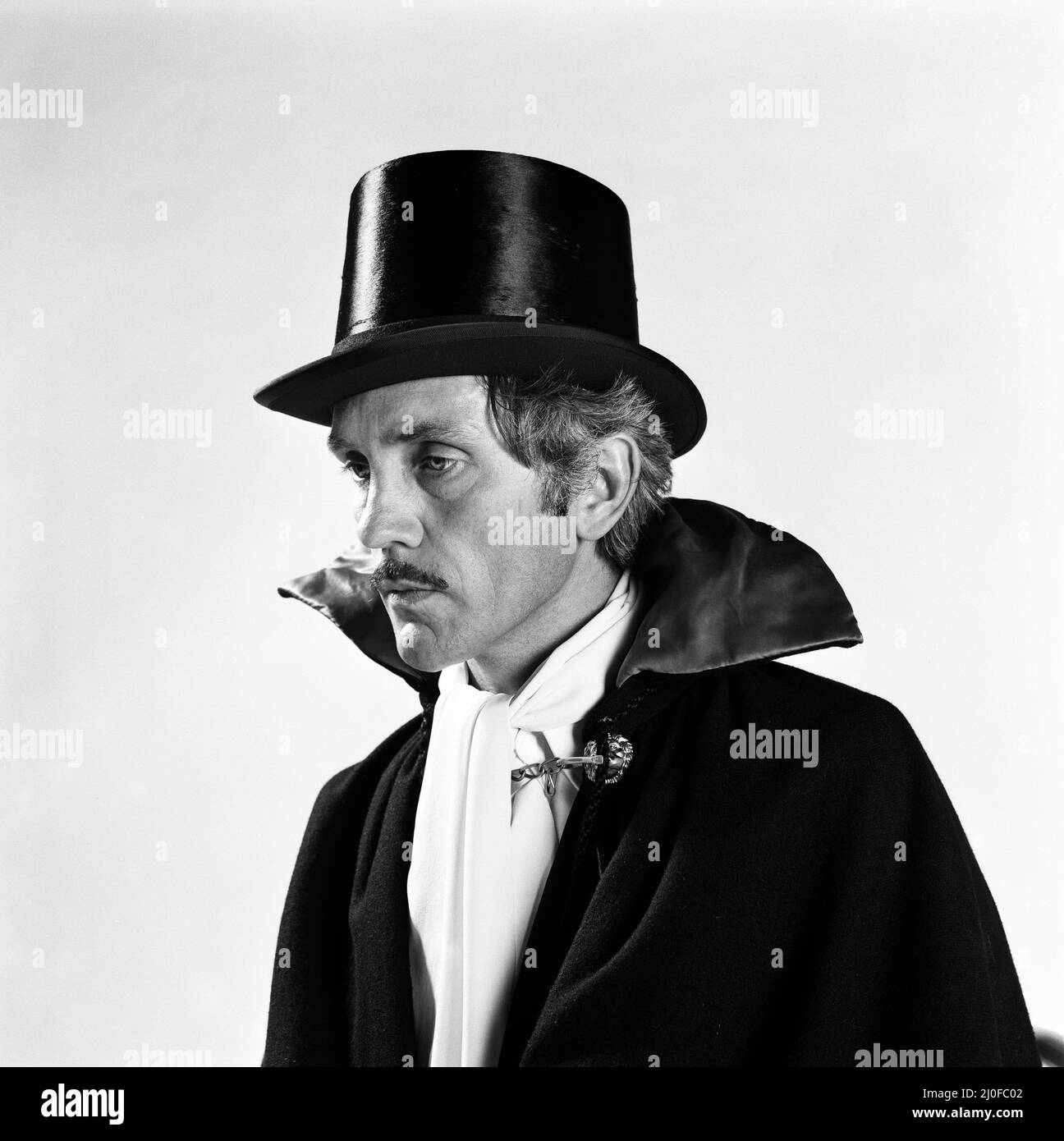
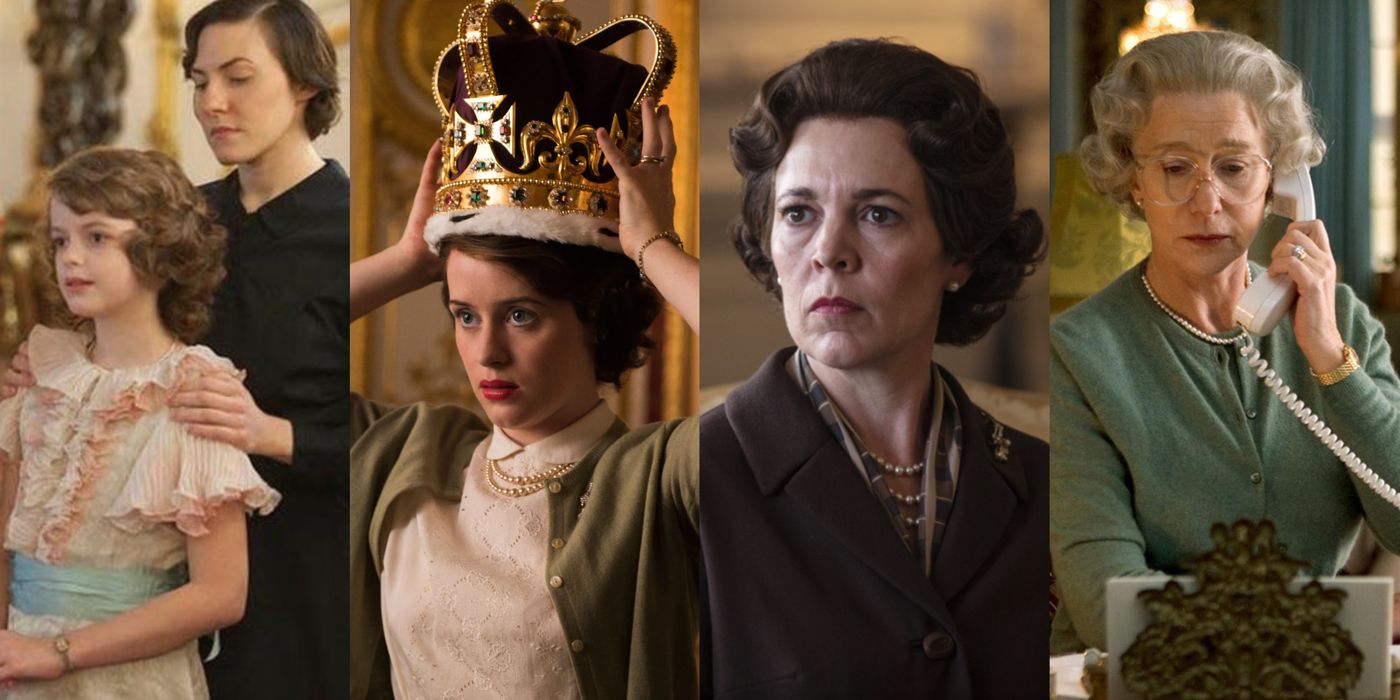
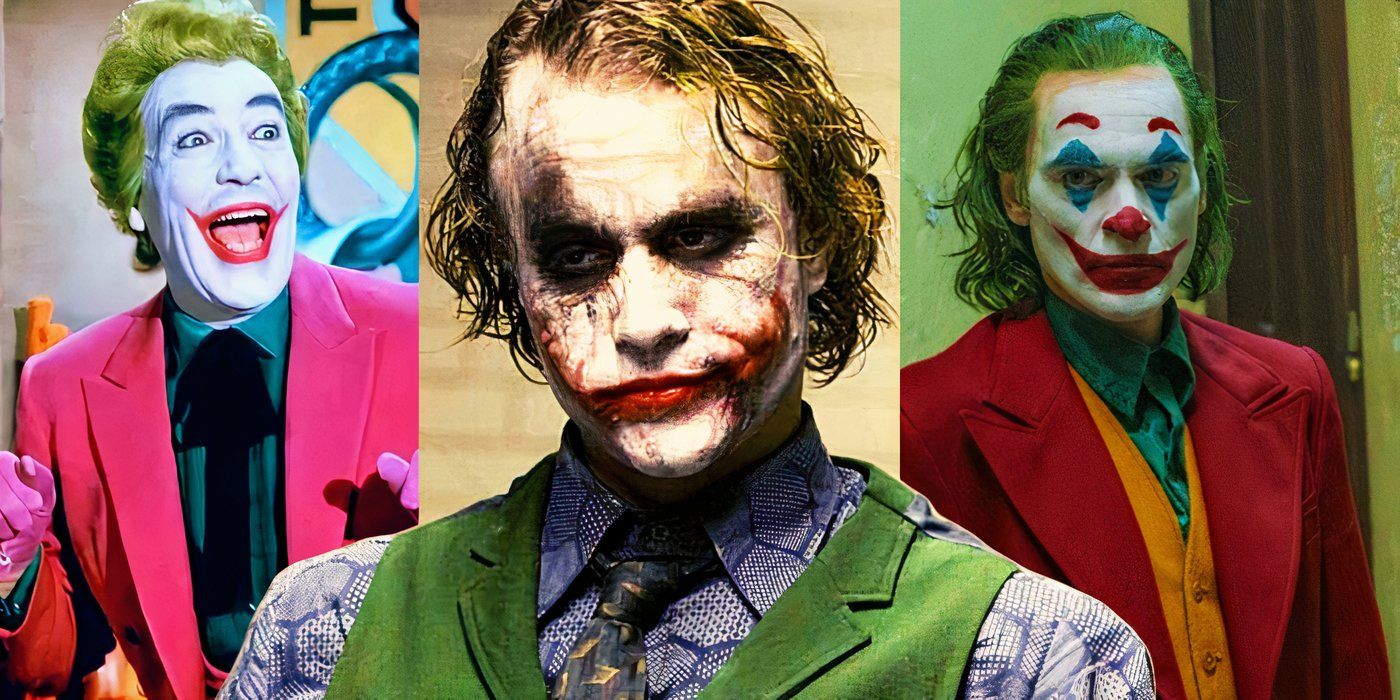
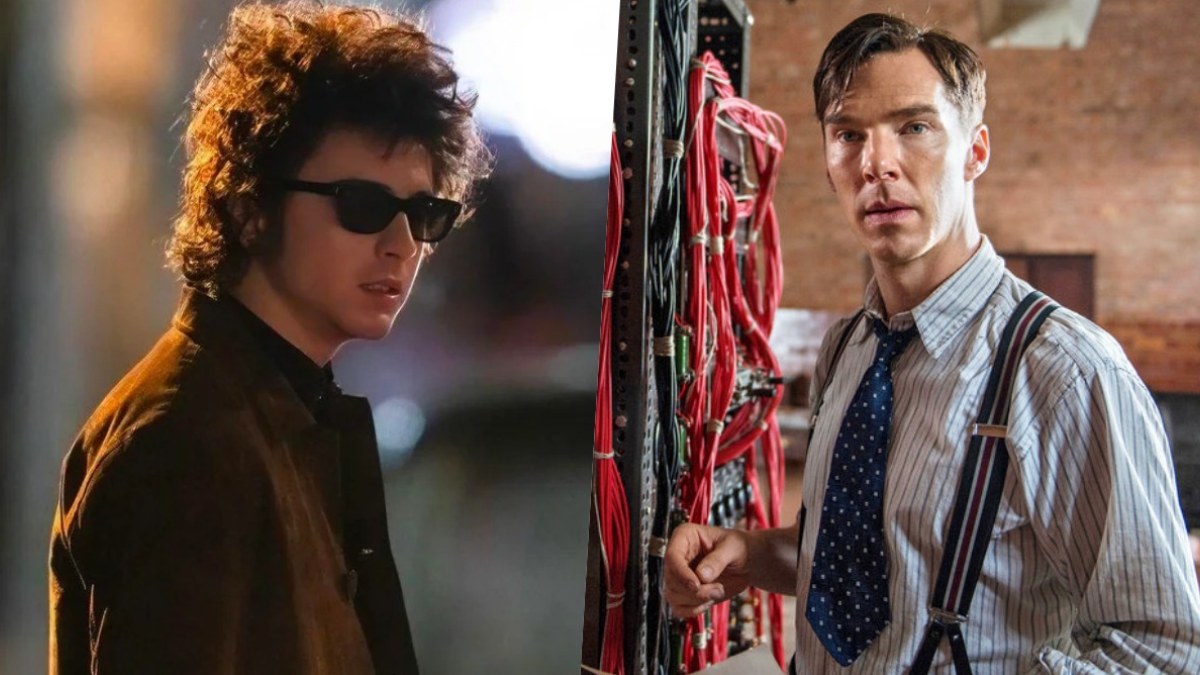
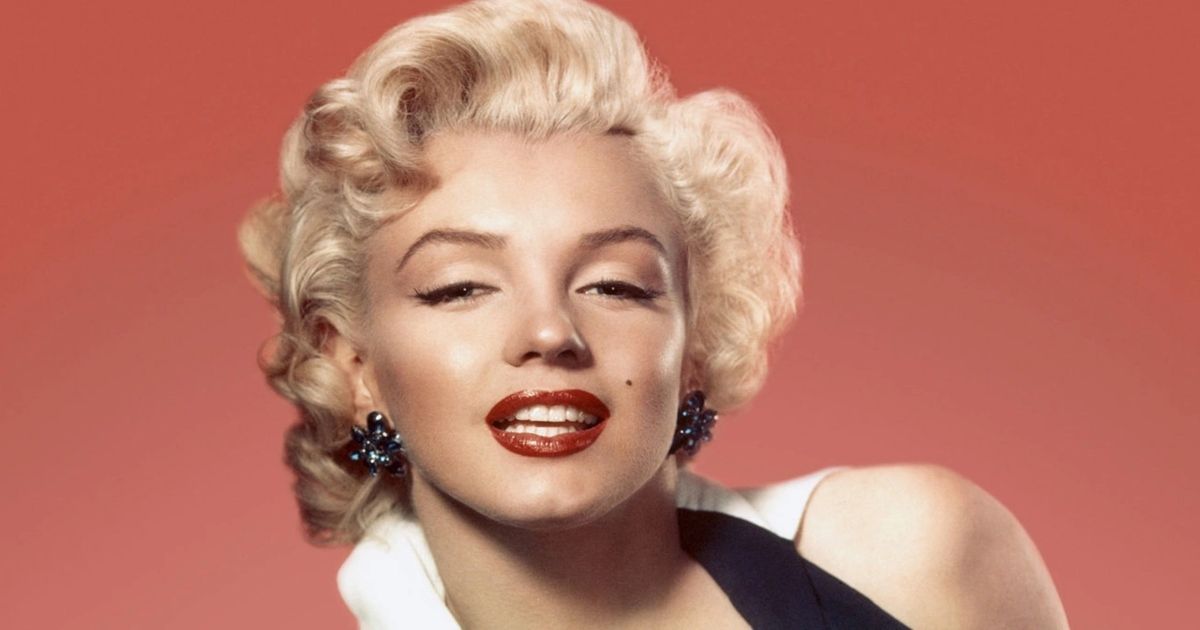
Actor portrayals are the creative interpretations of characters by performers, bridging the gap between a written script and a lived experience. This process involves a sophisticated blend of psychological immersion, physical expression, and stylistic choice to convey a character’s motivations, history, and emotional arc authentically to an audience.
In the landscape of 2026, the definition of a "portrayal" has expanded beyond traditional stage and screen performances. As technology and storytelling methods evolve, the depth required from an actor to sustain a believable character has never been greater. Whether a role is rooted in historical fact or complete fiction, the portrayal serves as the emotional conduit through which the audience connects with the narrative.
Decoding the Craft: What Defines a High-Level Actor Portrayal?
A successful actor portrayal is more than a mere imitation of life; it is a calculated artistic construction. At its core, a portrayal requires the actor to synthesize the character's internal world (thoughts, fears, desires) with their external manifestations (posture, vocal cadence, idiosyncratic habits). In professional circles, this is often referred to as "character architecture."
The primary goal of a portrayal is to achieve "verisimilitude"—the appearance of being true or real. This does not always mean realism in a literal sense, especially in heightened genres like fantasy or expressionist theater. Instead, it means the actor remains consistent within the established logic of the story’s world. When an actor breaks character or fails to inhabit the role fully, the "suspension of disbelief" is shattered, and the audience is reminded that they are watching a performance rather than experiencing a story.
To achieve this, actors often utilize "objectives" and "obstacles." Every character in a well-written script wants something (the objective) and faces something standing in their way (the obstacle). A powerful portrayal illustrates the struggle between these two forces. By 2026, audiences have become increasingly sophisticated, often looking for "micro-expressions" and subtle emotional shifts that signify a deeply layered performance rather than broad, theatrical gestures.
Psychological Frameworks: From Stanislavski to Modern Methodologies
The history of actor portrayals is fundamentally a history of psychological exploration. Before the late 19th century, acting was often declamatory and stylized. The shift toward modern portrayals began with Konstantin Stanislavski, whose "System" encouraged actors to use their own "affective memory" to fuel their characters' emotions.
This evolved into what is commonly known as "The Method," popularized by the Actors Studio and practitioners like Lee Strasberg and Stella Adler. While often misunderstood as simply "staying in character" off-camera, Method acting is actually a rigorous discipline of sensory recall and emotional substitution. Actors like Marlon Brando and Robert De Niro revolutionized cinema by bringing a raw, unpredictable psychological depth to their portrayals that felt dangerous and authentic.
In current 2026 practices, many actors utilize a "hybrid approach." This involves the internal emotional work of the Stanislavski tradition paired with the external physical precision of the Laban Movement Analysis or the Meisner Technique. The Meisner Technique, in particular, focuses on "the reality of doing," urging actors to react honestly to their scene partners rather than relying on pre-planned internal emotions. This creates a portrayal that feels spontaneous and alive, as if the events are happening for the first time.
The Physicality of the Role: Transformations and Presence
While the psychological foundation is critical, the physical aspect of an actor's portrayal is often what first captures the audience's attention. Physicality encompasses everything from weight fluctuations and prosthetic makeup to the specific way a character breathes or walks.
Major physical transformations—such as those seen in the careers of Christian Bale or Charlize Theron—serve a dual purpose. First, they provide a visual shorthand that helps the audience accept the actor as the character. Second, they act as a "mask" for the actor. Changing one's physical form can fundamentally alter how an actor feels and moves, which in turn influences their psychological state. For example, wearing a restrictive corset for a period drama portrayal naturally influences an actor’s breath control and posture, leading to a more rigid, formal performance that fits the era.
In 2026, the integration of physical acting with digital enhancement has reached a pinnacle. Actors now work closely with "movement coaches" to ensure that even when their likeness is being altered by CGI, the underlying physical portrayal remains grounded in human biomechanics. This synergy ensures that the performance remains "human," even if the character being portrayed is non-human.
Biographical Portrayals: The Challenge of Real-Life Subjects
One of the most scrutinized forms of actor portrayals is the "biopic" or biographical role. When an actor portrays a historical figure, they face the unique challenge of balancing mimicry with original interpretation. The audience often has a pre-existing mental image or recording of the subject, making the margin for error incredibly slim.
To prepare for biographical portrayals, actors engage in exhaustive research, often referred to as "immersion." This includes:
- Vocal Analysis: Studying recordings to capture specific dialects, speech impediments, or rhythmic patterns.
- Historical Contextualization: Understanding the social and political climate the subject lived in to inform their motivations.
- Physical Mirroring: Replicating the subject’s "center of gravity" and signature gestures.
However, the most lauded biographical portrayals—such as Daniel Day-Lewis as Abraham Lincoln or Meryl Streep as Margaret Thatcher—go beyond imitation. These actors find a "thematic truth" about the person. They identify a core trait (such as Lincoln’s melancholy or Thatcher’s iron resolve) and build the entire portrayal around that pillar. This allows the performance to feel like a living being rather than a museum exhibit.
Technological Frontiers: Motion Capture and Digital Portrayals
As of 2026, the distinction between "live-action" and "digital" portrayals has become nearly non-existent. Performance capture (often called MoCap) allows actors to portray characters that are physically impossible in the real world while retaining the nuance of a human performance.
The pioneer of this field, Andy Serkis, famously argued that digital characters like Gollum or Caesar from Planet of the Apes are 100% actor portrayals; the digital "skin" is merely a high-tech version of makeup. In contemporary productions, actors wear suits equipped with markers that track skeletal movement, while head-mounted cameras capture the minute movements of the facial muscles and eyes.
The 2026 standard for digital portrayals emphasizes "eye tracking" and "micro-muscle fidelity." These technologies allow an actor’s most subtle emotional cues to be translated onto a digital model without losing the "soul" of the performance. This has opened up new casting possibilities, where an actor’s physical age or stature no longer limits the types of roles they can portray, shifting the focus entirely onto their ability to inhabit a character's spirit.
Comparing Iconic Portrayal Styles
The following table compares different approaches to actor portrayals to illustrate how methodology affects the final performance.
| Approach | Primary Focus | Notable Examples | Key Characteristic |
|---|---|---|---|
| Classical | Text and Vocal Precision | Laurence Olivier, Ian McKellen | High technical skill, emphasis on the playwright's words. |
| Method | Emotional Identification | Marlon Brando, Joaquin Phoenix | Intense psychological realism, often unpredictable. |
| Physical | External Transformation | Christian Bale, Tilda Swinton | Significant changes in appearance and movement. |
| Minimalist | Understatement and Subtlety | Ryan Gosling, Frances McDormand | Use of silence and stillness to convey deep emotion. |
| Performance Capture | Digital Synthesis | Andy Serkis, Zoe Saldaña | Translation of human movement to non-human forms. |
The Ethics and Responsibility of Representation
In recent years, the conversation surrounding actor portrayals has expanded to include the ethics of representation. Who has the "right" to portray certain characters? This debate often centers on "authentic casting," which suggests that roles involving specific marginalized identities (such as disability, ethnicity, or gender identity) should be portrayed by actors who share those lived experiences.
The argument for authentic casting is rooted in the idea that some portrayals require a depth of understanding that cannot be researched or "acted." For example, the lived experience of a person with a physical disability informs their movement and interaction with the world in ways that a non-disabled actor might miss or, worse, caricature.
Conversely, some argue that the very nature of acting is to "be what you are not." However, the industry consensus in 2026 has moved toward a more inclusive model. This doesn't necessarily limit an actor’s range, but it encourages production teams to consider the cultural and social impact of their casting choices. A portrayal that is respectful and informed by lived experience is generally regarded as more nuanced and impactful than one that relies on tropes or stereotypes.
What is the difference between "acting" and "portraying"?
Acting is the broad profession or action of performing in a play or film. A "portrayal" is the specific result of that acting—it is the unique version of a character that an actor creates. While anyone can act a scene, a portrayal implies a deep, comprehensive interpretation that defines the character for the audience.
How do actors "leave" a difficult portrayal after filming ends?
Many actors use "de-roling" techniques to transition back to their own lives. This can involve physical rituals, such as cutting their hair or changing their wardrobe, or psychological exercises to mentally separate their own identity from the character's emotional baggage. This is particularly important for intense or traumatic roles.
Can a portrayal be successful if the movie is bad?
Yes. History is full of "great performances in bad movies." An actor's portrayal is often judged independently of the script, direction, or editing. A powerful portrayal can become iconic even if the surrounding production fails to meet the same standard of quality.
How has AI changed actor portrayals in 2026?
By 2026, AI is primarily used as a collaborative tool. It helps in "de-aging" actors or providing "digital doubles" for stunts. However, the core emotional portrayal remains a human endeavor, as AI still struggles to replicate the spontaneous, irrational, and deeply empathetic choices a human actor makes.
Why do some portrayals receive more awards than others?
Awards bodies, like the Academy or SAG, often favor portrayals that demonstrate "range" or "transformation." Roles that require an actor to overcome significant physical challenges, learn new skills (like a language or instrument), or inhabit a vastly different personality are frequently viewed as more technically difficult and thus more "award-worthy."
Enhancing Your Appreciation of the Craft
To truly appreciate the depth of an actor’s portrayal, one should look beyond the dialogue. Pay attention to "listening." A great actor is often most active when they are not speaking, reacting to their environment and other characters in real-time. Observe the consistency of their physical choices—how they hold a glass, how they avoid or seek eye contact—and how these choices evolve as the character changes throughout the story.
For those interested in studying the craft further, exploring the archives of the American Film Institute or the British Film Institute provides invaluable insight into how portrayals have shifted over the decades. Understanding the "Why" behind an actor's choices transforms the viewing experience from passive consumption into an active engagement with one of the most complex art forms in existence.