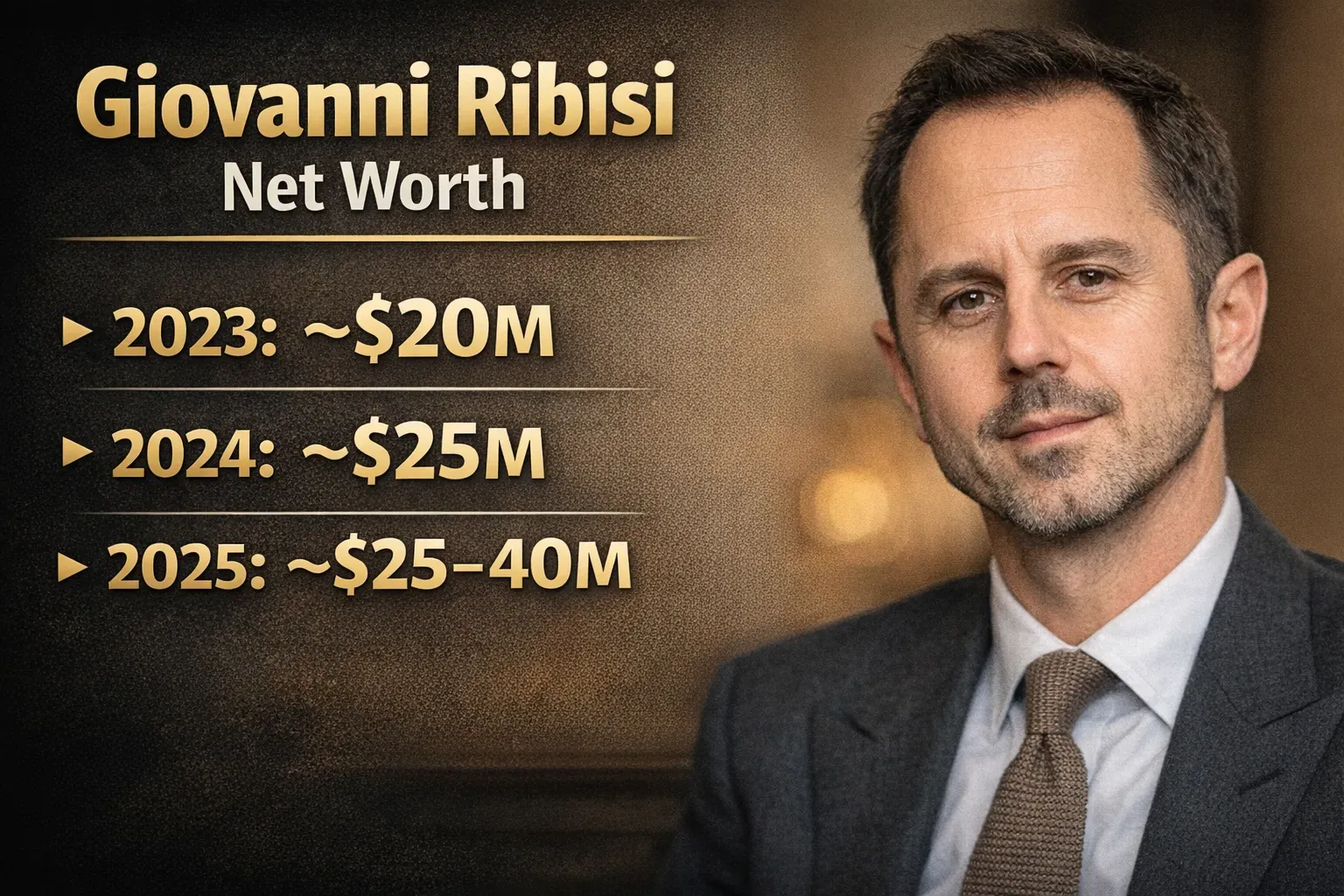
Celebrity net worth figures are almost never 100% accurate because they are based on publicly available data, such as real estate records and reported salaries, rather than private bank statements. These estimates often fail to account for high-percentage management fees, aggressive tax brackets, private debts, and the difference between illiquid assets and actual cash.
The Discrepancy: Why Net Worth Figures Vary Across Sources
When you search for a specific actor's wealth, you will often find two or three different figures across various platforms. One site might claim an actor is worth $50 million, while another suggests $35 million. This variation exists because net worth reporting is not an exact science; it is a speculative calculation performed by analysts using varying methodologies.
Most "net worth" websites operate by aggregating data from news reports, box office earnings, and property records. For example, if an actor is paid $10 million for a Marvel film, that figure is entered into an algorithm. However, different platforms weigh these data points differently. Some might prioritize the "gross" earnings reported by trade publications like Variety or The Hollywood Reporter, while more conservative outlets may apply a standardized "reduction formula" to account for the costs of doing business in Hollywood.
Furthermore, these figures are rarely updated in real-time. An actor might have a high net worth on paper in 2024 due to a massive divorce settlement or a successful business exit, but by 2026, market fluctuations or lifestyle inflation could have significantly altered their liquid capital. Because these platforms lack access to internal tax returns or private investment portfolios, the "actor net worth vs. actor net worth" debate is usually a comparison of two different educated guesses.
Decoding the Math: How Net Worth is Actually Calculated
The fundamental formula for net worth is simple: Total Assets minus Total Liabilities. In the context of a Hollywood actor, this calculation becomes incredibly complex due to the nature of their income and the opacity of their spending.
Tangible and Intangible Assets
Assets for an actor include more than just a savings account. Analysts look at:
- Real Estate: High-value properties in Los Angeles, New York, or London.
- Residuals: Ongoing payments for past work in television or film, which can provide a steady stream of income for decades.
- Production Companies: Many A-list actors own their own production banners, which hold value based on their library of content and future deals.
- Endorsements: Long-term contracts with luxury brands (e.g., fragrance or watch deals) are often the most lucrative and stable parts of a celebrity's portfolio.
The Liability Factor
The "shocking truth" often lies in the liability column. An actor may live in a $20 million mansion, but if they have a $15 million mortgage, their net worth only benefits from the $5 million in equity. Additionally, legal fees, child support, alimony, and high-interest loans for failed business ventures are rarely visible to the public but can gut a celebrity’s actual wealth.
The Hidden Deductions: What Actors Actually Take Home
One of the biggest misconceptions in the "actor net worth" discussion is the idea that a $20 million salary equates to $20 million in wealth. In reality, an actor’s "take-home" pay is a fraction of the headline number. By the time a paycheck clears, a significant portion has been distributed to their professional team and the government.
The standard "Hollywood Tax" breakdown usually looks like this:
- Agent (10%): Standard commission for securing the work.
- Manager (10% to 15%): Managers often take a larger cut than agents because they provide career-long guidance and development.
- Lawyer (5%): Legal counsel handles the complex contract negotiations and "back-end" participation points.
- Publicist: Usually a flat monthly retainer ranging from $5,000 to $10,000, which adds up over years of a campaign.
- Taxes (37% to 50%): High-earning actors often fall into the highest federal and state tax brackets (especially in California or New York).
When you subtract these costs, a $1,000,000 paycheck often results in only $400,000 to $500,000 of actual liquid wealth. Over a career, this massive "leakage" explains why an actor who has earned $200 million in gross salary might only have a net worth of $60 million.
Liquid Cash vs. Asset Valuation
A primary reason for the "shocking truth behind the numbers" is the distinction between being "wealthy" and having "cash." Many actors are "asset rich" but "cash poor."
Wealth valuation sites often include the estimated value of an actor’s car collection, art, and primary residences. While these contribute to a high net worth, they cannot be used to pay for daily expenses or investment opportunities without being sold. If an actor’s net worth is tied up in a declining real estate market or a production company with no current hits, their actual financial flexibility is much lower than the $100 million figure on a website would suggest.
In 2026, we are also seeing more actors move into private equity and venture capital. While these investments can skyrocket in value (think of Ryan Reynolds or George Clooney’s alcohol brand sales), they are often "paper gains" until an exit occurs. Until that company is sold, the "net worth" attributed to that actor is purely speculative based on the company's latest valuation.
Comparing Gross Earnings vs. Estimated Net Take-Home (2026 Standards)
The following table illustrates how a hypothetical "Big Budget" salary is eroded by the realities of the industry, highlighting why "reported earnings" and "actual net worth" are so different.
| Category of Expense | Percentage/Cost | Amount on $10M Salary | Remaining Balance |
|---|---|---|---|
| Gross Salary | 100% | $10,000,000 | $10,000,000 |
| Agent Fee | 10% | $1,000,000 | $9,000,000 |
| Manager Fee | 10% | $1,000,000 | $8,000,000 |
| Legal Fees | 5% | $500,000 | $7,500,000 |
| Federal Taxes (Est.) | 37% | $3,700,000 | $3,800,000 |
| State/Local Taxes | 13% (CA) | $1,300,000 | $2,500,000 |
| Staff/Security/PR | Flat Fees | $250,000 | $2,250,000 |
| Actual Liquid Gain | 22.5% | $2,250,000 | $2,250,000 |
This table demonstrates that an actor may only keep about 22.5% of their gross pay. When net worth sites aggregate "earnings," they rarely apply this aggressive level of subtraction, leading to inflated public perceptions of wealth.
Identifying Credible Sources vs. Clickbait Estimates
To navigate the world of celebrity finance, one must distinguish between "celebrity gossip" sites and financial reporting.
- Financial Journals: Publications like Forbes or Bloomberg are generally more reliable because they often conduct interviews with the actors' financial managers or use documented industry data points to justify their numbers. They focus on "The World’s Highest-Paid" lists which are based on specific earnings windows.
- Database Sites: Sites like CelebrityNetWorth use a "proprietary formula" that acts as a baseline. While useful for general comparisons, they are often slow to reflect financial losses or private debt.
- Trade Publications: The Hollywood Reporter and Variety are the best sources for verifying "per-project" salaries, though they don't provide a total net worth.
The "shocking truth" is that unless an actor is a billionaire or a high-ranking executive of a public company (where SEC filings are required), their exact net worth remains a private matter. Any number you see online is a "reasonable estimate" at best and a "wild guess" at worst.
How to Evaluate a Net Worth Claim
When reading a report in 2026, look for the "why." Does the article explain how the actor made their money? If the source mentions specific business exits (like selling a skincare line) or real estate transactions with confirmed prices, the net worth figure is more likely to be accurate. If the article merely lists movies they have been in, the number is likely a placeholder based on gross box office receipts.
Are net worth websites accurate?
Not entirely. Most net worth websites use algorithms based on public data like salary reports and real estate records. They often overestimate an actor's wealth by failing to account for taxes, management fees (which can total 25-30%), and personal debt. They provide a "ballpark" figure rather than a precise financial statement.
Why do different sites show different net worths for the same actor?
Different sites use different methodologies and data sources. One site might include the estimated value of an actor's private business or production company, while another might only count their film salaries and real estate. Additionally, some sites update their data more frequently than others.
Does "Net Worth" mean how much money is in an actor's bank account?
No. Net worth includes the value of all assets, such as houses, cars, stocks, and intellectual property (residuals), minus all liabilities like mortgages and loans. An actor could have a net worth of $100 million but only have a few million dollars in liquid cash available at any given time.
How much do actors actually pay their teams?
Typically, an A-list actor pays 10% to an agent, 10-15% to a manager, and 5% to a lawyer. This means 25-30% of their gross income is gone before taxes are even considered. After federal and state taxes, an actor might only take home 40-50% of their original paycheck.
What is the biggest factor that boosts an actor's net worth?
In 2026, the biggest boosters are business ventures outside of acting. Endorsement deals, owning brands (like spirits or apparel), and early-stage tech investments often generate more wealth than traditional acting salaries. Residuals from long-running TV syndication also provide a significant long-term boost.
Cross-Referencing for Financial Accuracy
When researching actor wealth, the best approach is to cross-reference multiple reputable sources and apply a "reality filter." Do not take a single headline at face value. Instead, look for commonalities across Forbes, Bloomberg, and industry trades. If an actor’s lifestyle (e.g., private jets, multiple estates) doesn't match their reported $5 million net worth, or if their $500 million net worth isn't backed by a major business sale, the numbers are likely skewed.
For the most accurate understanding, prioritize reports that detail specific assets rather than those that simply list filmography. Understanding the "shocking truth" that a majority of a salary disappears into the Hollywood ecosystem will give you a much clearer picture of the real financial standing of your favorite stars.