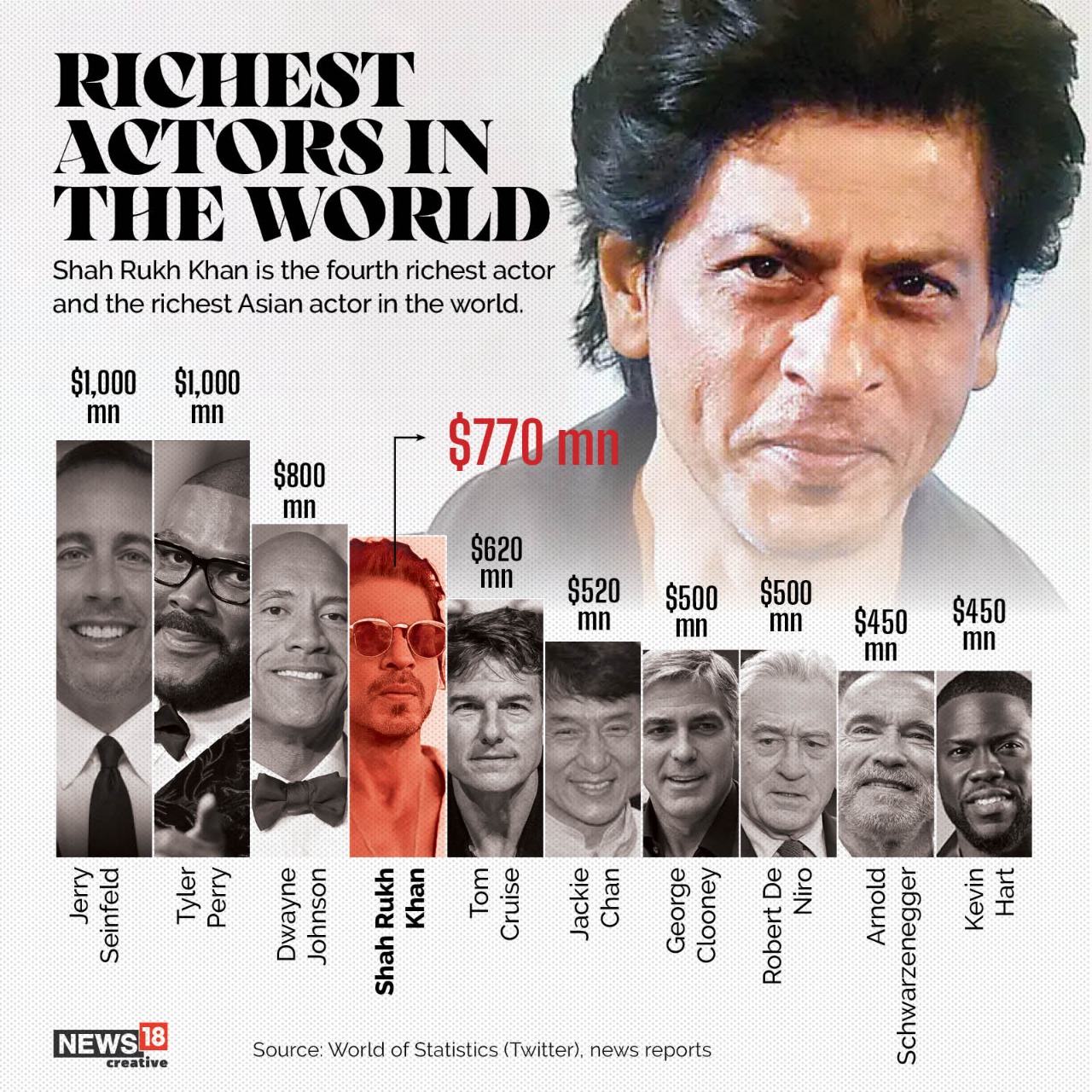
Actor net worth is the total financial valuation of a performer’s accumulated assets—including film salaries, residuals, real estate holdings, and business investments—minus their total liabilities. While public estimates provide a snapshot of wealth, a true net worth reflects the complex interplay of gross earnings, high-percentage professional fees, tax obligations, and long-term portfolio diversification.
The concept of "actor net worth" has evolved significantly as we move through 2026. No longer is a performer's wealth tied solely to a "quote" or a per-movie salary. In the modern era, the most successful actors operate more like diversified holding companies, leveraging their personal brands to enter markets ranging from spirits and skincare to venture capital and digital likeness licensing. Understanding actor net worth requires looking past the flashy headlines and into the granular mechanics of the entertainment industry's financial structures.
The Components of Celebrity Wealth: Beyond the Salary
To understand an actor’s net worth, one must first distinguish between a "salary" and "total compensation." In the traditional studio model, an A-list actor might receive a high upfront fee, often referred to as a "quote." However, the most substantial growth in net worth usually comes from "back-end" participation. This involves the actor receiving a percentage of the film's gross or net profits. In 2026, these contracts have become increasingly sophisticated, often including "first-dollar gross" for the highest-tier stars, ensuring they are paid before the studio even recoups its marketing costs.
Beyond the silver screen, brand endorsements and commercial partnerships act as massive accelerators for net worth. A single multi-year contract with a luxury watchmaker or a global fashion house can often exceed the earnings from two or three major film roles. These deals are highly prized because they require significantly less time than a four-month film shoot, allowing the actor to maintain their "liquid" status while their brand equity grows.
Furthermore, the "entrepreneurial turn" has redefined the ceiling for actor wealth. Many actors now prioritize equity over cash. By founding or investing early in startups—particularly in the beverage, tech, and wellness sectors—actors can see their net worth jump by hundreds of millions of dollars upon an exit or IPO, far outstripping what they could ever earn through acting alone.
The "Gross to Net" Reality: Deductions and the Cost of Fame
A common misconception is that a $20 million film salary equates to a $20 million increase in net worth. In reality, the "take-home" pay for a high-level performer is significantly lower due to the high overhead costs required to maintain a professional career at that level.
The first and largest deduction is almost always taxes. Most A-list actors operate in the highest tax brackets, and because they often work in multiple jurisdictions (shooting in London, Atlanta, or Vancouver), they face complex international tax filings. Following taxes, the "Rep Team" takes their share. A standard professional team typically includes:
- Agent (10%): Responsible for finding work and negotiating contracts.
- Manager (10%–15%): Focuses on long-term career strategy and brand building.
- Lawyer (5%): Handles the legal minutiae of multi-page contracts.
- Business Manager/Accountant (5%): Manages the actor’s day-to-day finances, bill payments, and investments.
Once these fees—which can total 30% to 35% of gross income—are combined with federal and state taxes, an actor may only retain 35% to 45% of their original salary. From this remaining amount, they must also fund their personal publicist, security detail, travel, and the maintenance of the high-value real estate that constitutes a significant portion of their non-liquid net worth.
Residuals and the Shift to Digital Platforms
Residuals—the payments made to performers for the reuse of their work—have historically been the "retirement plan" for working actors. In the era of broadcast television and DVD sales, residuals provided a steady, predictable stream of income that bolstered net worth over decades. If a show went into syndication, the actors could theoretically live off those checks indefinitely.
By 2026, the residual landscape has been fundamentally reshaped by the dominance of streaming platforms. Unlike the transparent viewership metrics of broadcast television, streaming residuals are often based on complex formulas involving subscriber counts and "success metrics" defined by the platforms. While the 2023 labor actions secured better transparency and higher floors for these payments, the "long-tail" of residual income is generally lower for streaming-first content than it was for traditional media.
Actors now must negotiate for "buyouts" or larger upfront "roll-in" payments to compensate for the loss of traditional syndication revenue. This shift has forced actors to be more aggressive in their initial negotiations, as the "passive income" component of their net worth is no longer as guaranteed as it once was.
Wealth Diversification: The Role of Real Estate and Production Companies
For an actor to maintain a high net worth through career ebbs and flows, diversification is essential. Real estate is the most common vehicle for this. High-profile actors often own portfolios consisting of primary residences in Los Angeles or New York, vacation properties in Europe, and frequently, commercial real estate or multi-family residential units. These assets provide a hedge against the volatility of the entertainment market.
Another primary driver of net worth in 2026 is the ownership of a production company. Instead of merely being "talent for hire," many actors now produce their own projects. This allows them to:
- Control the Material: Create roles that sustain their brand.
- Collect Multiple Fees: Earn a salary as an actor AND a fee as a producer.
- Own the IP: Retain a portion of the intellectual property, which can be sold or licensed later, adding massive value to their estate.
| Income Category | Description | Impact on Net Worth |
|---|---|---|
| Upfront Salary | The base fee paid for the performance. | High immediate liquidity; subject to highest deductions. |
| Back-end Points | Percentage of the project's profit. | High risk, high reward; can lead to "mega-paydays." |
| Residuals | Payments for reruns and streaming views. | Long-term stability; currently lower in the streaming era. |
| Endorsements | Partnerships with global brands. | High margin; preserves the actor's physical "energy." |
| Business Equity | Ownership in non-entertainment companies. | Highest potential for "billionaire status" exits. |
| Digital Rights | Licensing of AI likeness and voice. | New revenue stream in 2026; requires strict legal protection. |
Why Public Net Worth Estimates Often Vary
If you search for a specific actor’s net worth, you will likely find several different figures across various financial outlets. These discrepancies occur because public net worth estimation is an inexact science. Most calculations are based on "estimated earnings" reported in trade publications, which do not account for private debt, confidential legal settlements, or the exact performance of private investment portfolios.
Furthermore, the valuation of non-liquid assets is subjective. A mansion in Beverly Hills might be valued at $20 million based on market trends, but its actual contribution to net worth isn't realized until a sale occurs. Similarly, an actor’s stake in a private company is often valued based on the "last round of funding," which may not reflect the current market reality.
In 2026, the rise of "Digital Twins" and AI likeness rights has added another layer of complexity. If an actor licenses their likeness for a series of video games or AI-generated films, how is that future earning potential valued today? Accountants and estate planners are still refining the metrics for these intangible assets, leading to wide variances in public wealth reports.
The Economic Reality for Non-A-List Actors
While the media focuses on the top 1% of performers whose net worths reach hundreds of millions, the reality for the "working actor" is starkly different. The vast majority of professional actors do not have a positive net worth derived from acting alone.
According to data from performer unions like SAG-AFTRA, a significant percentage of members earn less than the threshold required to qualify for health insurance (approximately $27,000 annually in 2026). For these actors, "net worth" is often a struggle for solvency. They face the "gig economy" reality of sporadic work, high commissions to agents, and the necessity of maintaining a "look" or "brand" on a limited budget. For this demographic, net worth is built through secondary jobs, prudent saving, and the hope of a "breakout" role that shifts them into the higher-earning tiers.
Is an actor's net worth the same as their bank balance?
No. Net worth includes the value of all assets, such as houses, cars, stocks, and intellectual property, not just the cash in their bank account. An actor might have a net worth of $50 million but only have $2 million in liquid cash if the rest is tied up in real estate or business ventures.
How much do agents and managers really take?
Standard industry practice is 10% for agents and 10% to 15% for managers. When you add a lawyer (5%) and a business manager (5%), an actor can easily pay out 30% of their gross paycheck to their professional team before taxes are even considered.
Do actors get paid for every time a movie is shown?
Yes, these are called residuals. However, the amount varies wildly depending on the medium. Broadcast television residuals are typically higher than streaming residuals. By 2026, new contracts have improved streaming payments, but they rarely match the "Golden Age" of DVD and syndication checks.
Can an actor's net worth be negative?
Yes. Like any other professional, actors can experience "lifestyle creep," where their spending exceeds their income. High-profile examples of actors filing for bankruptcy usually involve a combination of declining career opportunities, poor investments, and unpaid tax debt.
How has AI affected actor net worth in 2026?
AI has created a new asset class: Digital Likeness Rights. Established actors can now license their "digital twin" for use in commercials or background roles, creating a new stream of passive income that contributes to their total net worth without requiring them to be physically present on set.
Maximizing and Protecting Wealth in the Entertainment Industry
For actors looking to build a sustainable net worth, the focus must shift from "getting the next job" to "managing the current surplus." In 2026, the most successful performers are those who treat their careers as the "seed capital" for a broader financial empire.
The most practical next step for any performer—or anyone interested in the economics of the industry—is to prioritize financial literacy. This involves hiring a reputable business manager early, understanding the "gross-to-net" pipeline, and aggressively diversifying income streams. By moving beyond the reliance on a single salary and embracing equity, intellectual property ownership, and the licensing of digital rights, actors can ensure their net worth remains robust even when the cameras stop rolling.