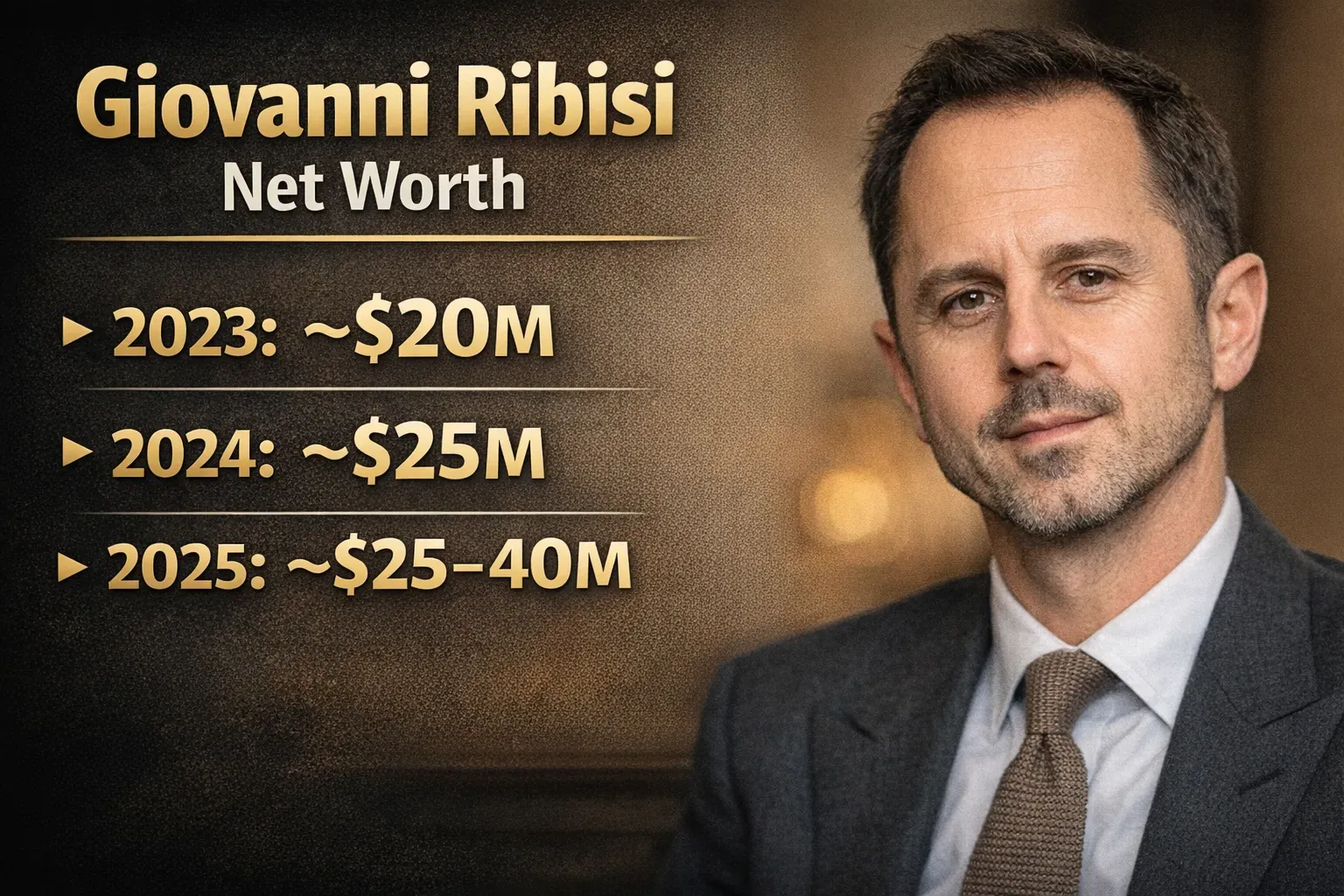
Actor net worth estimates are calculated by aggregating a performer's gross earnings from film and television salaries, backend profit participation, and brand endorsements, then subtracting estimated taxes, professional fees (agents, managers, and lawyers), and lifestyle liabilities. Because private financial records are rarely public, these figures represent educated valuations based on market data and industry standards.
The fascination with celebrity wealth is more than just tabloid curiosity; it reflects the changing economics of the entertainment industry. As we move through 2026, the landscape of "actor net worth" has shifted significantly due to the maturation of streaming residual models, the integration of AI likeness rights into standard contracts, and a heavy pivot toward entrepreneurial diversification. Understanding how these estimates are reached requires a look at both the visible revenue streams and the significant, often invisible, deductions that define a high-net-worth career in Hollywood.
The Revenue Architecture of a Modern Actor
To estimate an actor's net worth, analysts first look at "gross career earnings." Historically, this was dominated by the "quotes" or the fixed salary an actor received per project. However, in 2026, the revenue architecture is far more complex.
Film and Television Salaries
The "front-end" salary remains the most visible metric. For A-list actors, this may range from $15 million to $30 million for a major studio blockbuster. For television and streaming, the shift has moved toward "all-in" fees. Since streaming services often do not pay traditional residuals, they provide larger upfront payments to "buy out" the actor’s long-term interest in the project. Net worth estimators track these contracts through trade publications like The Hollywood Reporter and Variety to establish a baseline of annual income.
Backend and Profit Participation
"Points" on a film—a percentage of the gross or net profits—can turn a standard salary into a massive windfall. Actors like Tom Cruise or Margot Robbie often negotiate first-dollar gross, meaning they receive a percentage of every ticket sold before the studio even recoups its budget. Estimators must calculate global box office receipts and apply estimated percentage cuts to determine how much these backend deals add to a performer's total assets.
Brand Endorsements and Social Media
In 2026, an actor's digital footprint is a liquid asset. High-tier actors command multi-million dollar contracts as "brand ambassadors" for luxury fashion houses, watchmakers, and tech companies. Furthermore, social media monetization—where a single sponsored post can command six figures—is factored into annual cash flow estimates. The valuation of these deals is often based on comparative market rates for the actor's specific "reach" and "engagement" metrics.
The Impact of the 2023-2024 Labor Shifts on 2026 Valuations
The long-term effects of the historic SAG-AFTRA and WGA strikes have fundamentally altered how we estimate net worth today. Two major factors now play a role in every valuation:
- Streaming Data Transparency: For years, streaming platforms kept viewership data secret, making it impossible to estimate "performance-based" bonuses. By 2026, increased transparency requirements allow financial analysts to see how often a film is streamed, leading to more accurate estimates of "success-based" residual triggers.
- AI Likeness Licensing: A new category in net worth reporting is the valuation of an actor's digital twin. Actors now sign "digital likeness" riders that allow studios to use their image for secondary media or language dubbing. These are often structured as passive income streams, adding a "long-tail" value to an actor's estate that did not exist a decade ago.
The "Hidden" Deductions: Why Gross is Not Net
The most common mistake in estimating actor net worth is failing to account for the massive "burn rate" associated with a Hollywood career. A $10 million paycheck does not result in $10 million in the bank.
Professional Fees (The 25-30% Rule)
Before an actor sees a dime, their "team" takes a cut. These percentages are industry standard and almost universally applied by net worth estimators:
- Agents (10%): Responsible for finding work and negotiating deals.
- Managers (10-15%): Responsible for career oversight and daily operations.
- Lawyers (5%): Responsible for the technicalities of the contract.
- Business Managers (5%): Usually CPAs or wealth managers who handle the actual movement of money.
Taxation
High-earning actors typically reside in California or New York, jurisdictions with some of the highest income tax rates in the United States. Between Federal income tax (up to 37%) and State taxes (often exceeding 10%), nearly half of an actor's income can be diverted to taxes. While many actors operate through "loan-out companies" (S-Corps or LLCs) to deduct expenses, their effective tax rate remains high.
Publicists and Security
A-list status requires an infrastructure. This includes monthly retainers for publicists ($5,000–$15,000) and, for the world's most famous individuals, private security details that can cost hundreds of thousands of dollars annually. These are considered "operational costs" that drain the liquid portion of a net worth estimate.
Comparative Net Worth Calculation Methodology
The following table illustrates how a single $20,000,000 film salary is broken down in a 2026 net worth estimation model.
| Category | Percentage/Rate | Estimated Amount | Remaining Balance |
|---|---|---|---|
| Gross Salary | 100% | $20,000,000 | $20,000,000 |
| Agent Commission | 10% | ($2,000,000) | $18,000,000 |
| Manager Commission | 10% | ($2,000,000) | $16,000,000 |
| Legal Fees | 5% | ($1,000,000) | $15,000,000 |
| Federal & State Taxes | ~45% (Estimated) | ($9,000,000) | $6,000,000 |
| Business Manager/Admin | 5% | ($1,000,000) | $5,000,000 |
Note: This table assumes a high-tax jurisdiction and standard A-list representation. Actual take-home pay can vary based on individual tax shelters and pre-existing contract structures.
Diversification: The Path to Billionaire Status
In 2026, the wealthiest actors are rarely those who only act. The transition from "performer" to "mogul" is the primary driver of massive net worth jumps. Estimators now look heavily at private equity and brand ownership.
Alcohol and Consumer Goods
Following the "Casamigos" (George Clooney) and "Aviation Gin" (Ryan Reynolds) models, many actors launch their own spirits, skincare, or wellness brands. These are valued by estimators using "revenue multiples." For example, if an actor-owned tequila brand generates $50 million in annual revenue, its contribution to their net worth might be estimated at 5 to 10 times that amount based on recent industry acquisitions.
Real Estate Portfolios
Real estate is the most "verifiable" part of a net worth estimate because property records are public. Analysts track the purchase price, estimated appreciation, and any known mortgages of an actor's primary and secondary residences. For many veteran actors, their real estate holdings in Los Angeles, New York, or Europe constitute 30% or more of their total estimated net worth.
Production Companies
Owning a production company (e.g., Reese Witherspoon’s Hello Sunshine or Brad Pitt’s Plan B) allows actors to move from "employee" to "owner." These entities own the intellectual property (IP), which has a recurring value through licensing and distribution deals. When these companies are sold or receive investment, the actor's net worth is adjusted upward based on the valuation of the entity.
Reliability and Accuracy of Public Estimates
It is essential to recognize that most net worth websites and magazine lists are providing "best guesses." There are three levels of data reliability:
- Confirmed Data: Publicly disclosed box office bonuses (from SEC filings for studio parent companies) and real estate transaction records.
- Market-Based Inferences: Estimating a brand deal based on the actor's follower count and past reported deals for actors of similar stature.
- Speculative Data: Lifestyle spending, private investment returns, and offshore holdings.
Because of this, you will often see a wide range of estimates for the same actor across different platforms. One site may value an actor's private production company at its "book value," while another might value it based on its potential sale price in the current market.
Why Do Estimates Change Suddenly?
A sudden jump in an actor's net worth estimate in 2026 is usually not the result of a single film. It is typically triggered by a "liquidity event," such as the sale of a brand, a massive IPO of a company they invested in early, or the renegotiation of a multi-year deal with a major streaming platform that includes a payout for past library titles.
How to Evaluate Net Worth Information
When researching actor net worth estimates, look for transparency in methodology. Reliable sources will distinguish between "career earnings" (total money made over time) and "current net worth" (what they have now). They should also account for the fact that a large portion of an actor's wealth is often "paper wealth"—value tied up in businesses or real estate that isn't sitting as cash in a bank account.
How are taxes handled in these estimates?
Most professional estimators apply a "flat" reduction of 40% to 50% for taxes and professional fees on all gross earnings. While this is a generalization, it is statistically the most accurate way to reflect the high-tax environment for entertainers earning in the top bracket.
Does "Net Worth" include a spouse's wealth?
Standard financial profiling typically separates individual net worth unless the couple has a joint production company or shared business venture. However, in community property states like California, marital assets are often conflated in public reports, which can lead to higher perceived valuations for married actors.
How do residuals affect net worth in 2026?
Residuals are treated as "annuities." For an actor with a massive library of 90s sitcoms or early 2000s blockbusters, analysts estimate an annual "mailbox money" figure based on the project's current popularity on streaming platforms. This is then factored into their annual income.
Is real estate value based on purchase price or current market value?
Reputable estimates use current market value. If an actor bought a Malibu home for $5 million in 2010 and it is worth $15 million in 2026, the $15 million figure is used. This is why many older actors see their net worth grow even when they are not actively working—their property assets are appreciating.
Verifying Financial Profiles Responsibly
To get the most accurate picture of an actor's financial standing, cross-reference data from entertainment trade news with business journals. Avoid sites that do not explain their calculation methods or those that use "clickbait" numbers without citing specific projects or business deals. In 2026, the most reliable estimates are those that treat an actor not just as a performer, but as a diversified corporation with multiple revenue streams and complex operational costs.