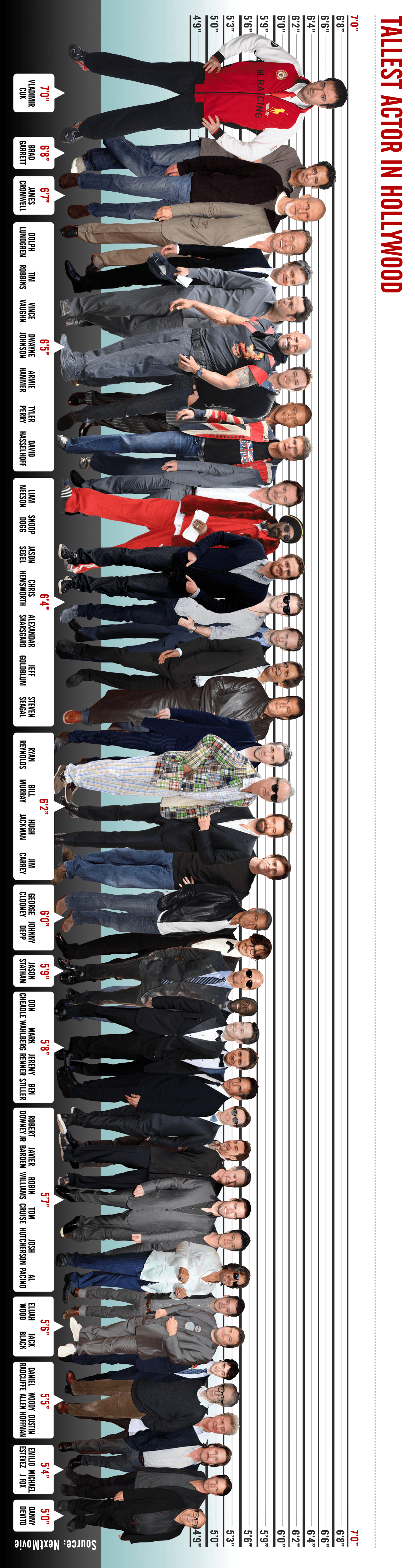
In the entertainment industry, actor measurements are the specific physical dimensions provided by a performer to talent agents, casting directors, and costume designers to ensure proper clothing fit and character suitability. These "stats" are essential for streamlining the wardrobe process, securing stunt doubles, and maintaining historical or visual accuracy in film, television, and theater productions.
Why Actor Measurements Matter in the Entertainment Industry
In the professional world of 2026, the speed of production has never been higher. Accuracy in an actor’s measurement profile is not merely a matter of convenience; it is a financial and operational necessity. When a production hires an actor, the costume department immediately begins sourcing or creating the wardrobe. If the measurements on file are inaccurate, the production faces costly delays, overnight shipping fees for replacements, and wasted hours in the tailor shop.
Costume designers rely on these numbers to build "closets" for characters. For period pieces set in the 18th or 19th centuries, the fit of a corset or a tailored frock coat must be precise to the centimeter. Furthermore, in action-heavy productions, accurate measurements are required to ensure that stunt doubles match the primary actor's silhouette perfectly, allowing for seamless editing during high-octane sequences.
Beyond the technical fit, measurements are often a prerequisite for specific casting "types." While the industry has moved toward more inclusive casting, certain roles—such as those requiring pre-existing specialized costumes like superhero suits or historical military uniforms—may necessitate a performer who fits within a specific range of dimensions to minimize production costs.
Preparing for the Measurement Process
Taking measurements is a technical task that requires precision. For the most accurate results, actors should ideally be measured by a professional tailor or a wardrobe assistant. However, when providing initial stats to an agency, many actors must take their own measurements.
Essential Tools
To begin, you will need a flexible vinyl or fabric measuring tape. Metal construction tapes are unsuitable as they do not contour to the body. You should also have a full-length mirror to check your posture and the placement of the tape. Finally, having a partner to help is highly recommended, as reaching around your own back or measuring your own height often leads to significant errors.
The Right Attire
Measurements should be taken over skin or very thin, form-fitting undergarments. Bulky clothing, denim, or heavy sweaters will add inches to your profile, leading to oversized costumes that look sloppy on camera. For women, a non-padded bra is essential for an accurate bust measurement. For men, measuring over standard boxer briefs or trunks is the industry norm.
How to Take Accurate Actor Measurements: Step-by-Step
The standard measurement sheet in 2026 covers several key areas. Follow these steps to ensure your data is professional grade.
1. Height and Weight
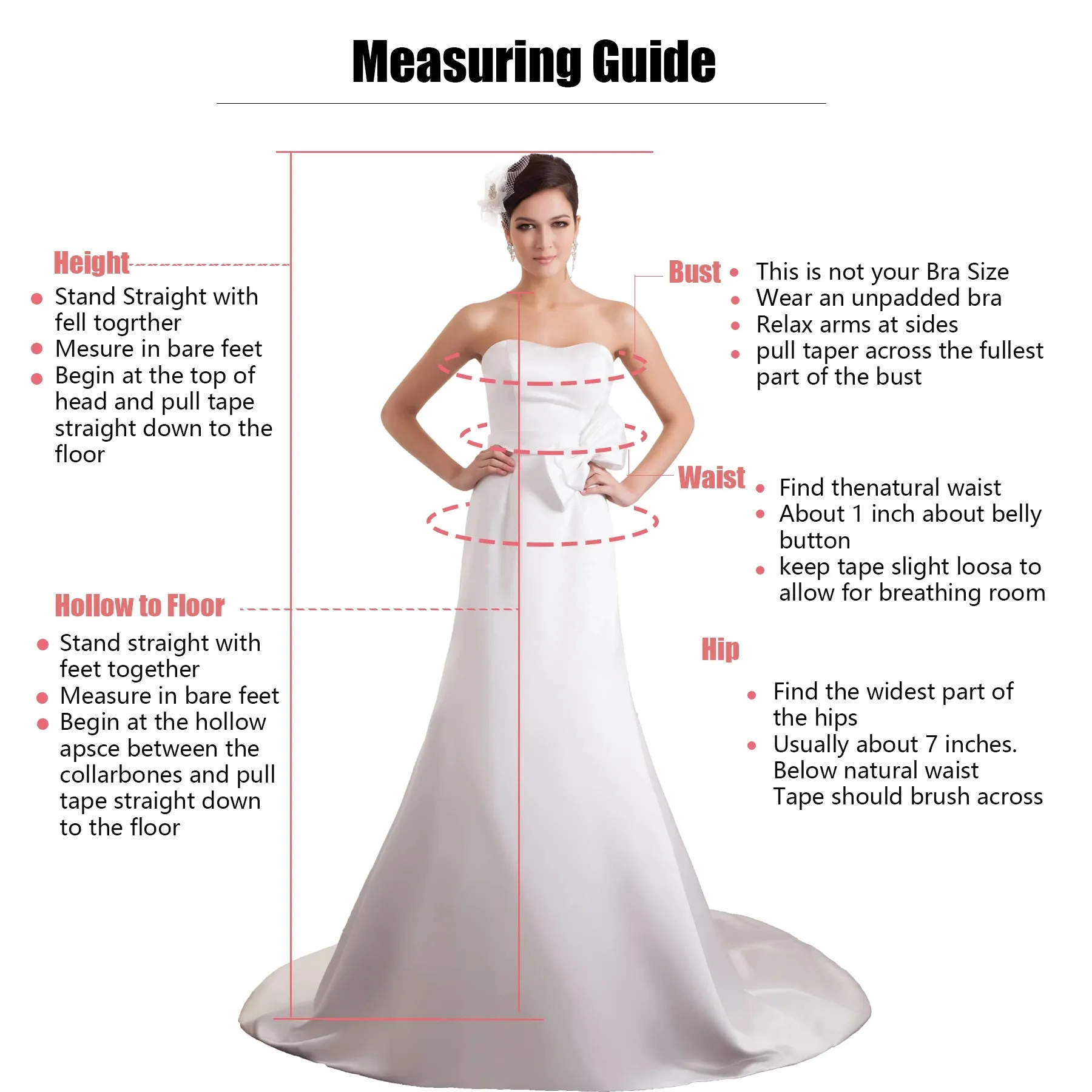
Height should be measured without shoes. Stand with your heels, glutes, and shoulder blades against a flat wall, looking straight ahead. A partner should place a flat object (like a book) on your head to mark the wall. Weight should be recorded in the morning for consistency.
2. The Neck (For Men and Unisex Apparel)
Wrap the tape around the base of the neck where the shirt collar would sit. Place two fingers between the tape and the neck to ensure a "comfort fit." This ensures that dress shirts can be buttoned comfortably during long shoot days.
3. Chest or Bust
For the chest (men) or bust (women), wrap the tape around the fullest part of the torso. Ensure the tape is level across the shoulder blades in the back. Keep your arms down at your sides and breathe normally—do not puff out your chest or hold your breath, as this will lead to an uncomfortable fit in the final garment.
4. Natural Waist vs. Hips
The "natural waist" is the narrowest part of the torso, usually located just above the belly button. This is different from where most modern pants are worn. After the natural waist, measure the "low waist" (where pants usually sit) and the "hips" (the widest part of the glutes).
5. Sleeve Length
This is one of the most frequently botched measurements. Start the tape at the center of the back of the neck, run it over the top of the shoulder, down the outside of the slightly bent elbow, and end at the wrist bone. This "three-point" measurement is the standard for tailored jackets and dress shirts.
6. The Inseam
The inseam measures the distance from the crotch to the desired length of the pant leg (usually the ankle bone). When taking this measurement, stand straight with feet slightly apart. This is much easier to do with a partner to avoid bending over, which shortens the distance.
Essential Measurement Categories for Professional Talent Profiles
The following table outlines the standard requirements for a "Size Card" used by major talent agencies and costume guilds in 2026.
| Measurement Category | Primary Use Case | Critical Detail |
|---|---|---|
| Height | Casting/Visual Composition | Measure without shoes; use feet/inches or cm. |
| Chest/Bust | Jackets, Shirts, Dresses | Measure the fullest part; keep tape level. |
| Waist (Natural) | High-waist trousers, Skirts, Corsetry | Narrowest part of the torso. |
| Waist (Pants) | Standard trousers, Jeans | Where the actor actually wears their belt. |
| Hips | Trousers, Skirts, Underwear | Fullest part of the hips/glutes. |
| Inseam | Tailoring trousers | Crotch to ankle bone. |
| Neck | Button-down shirts | Measured at the base of the neck. |
| Sleeve (3-Point) | Suits and dress shirts | Center neck to shoulder to wrist. |
| Shoulder to Shoulder | Coats and structured tops | Bone to bone across the back. |
| Shoe Size | Footwear and safety gear | Specify US, UK, or EU sizing. |
| Glove Size | Period pieces, Hand doubles | Circumference of the palm. |
| Hat Size | Period pieces, Uniforms | Circumference of the head above the ears. |
The Impact of Technology: Digital Fittings and 3D Scanning in 2026
As we progress through 2026, the method of collecting actor measurements is evolving. Many high-budget productions and major agencies now utilize 3D body scanning technology. This process involves the actor standing in a specialized booth where high-resolution cameras capture thousands of data points to create a "digital twin."
These digital models allow costume designers to perform "virtual fittings." Using sophisticated CAD software, a designer can drape a digital version of a costume over the actor's 3D model to see how the fabric moves and where adjustments are needed before the actor even arrives on set. This is particularly useful for CGI-heavy films where the physical costume must integrate perfectly with digital armor or prosthetics.
Even for actors without access to professional booths, mobile apps now allow for "photogrammetry-based" measurements. By taking a front and side-profile photo in form-fitting clothing, AI algorithms can estimate body measurements with a high degree of accuracy. However, even with these advances, manual verification remains the gold standard for high-end tailoring.
Troubleshooting and Maintaining Your Measurement Profile
One of the most common mistakes actors make is treating their measurements as a static document. The human body is dynamic; fitness routines, age, and lifestyle changes can alter dimensions within weeks.
When to Update Your Stats
An actor should update their measurements at least every six months. If you undergo a significant physical transformation—such as gaining muscle for an action role or losing weight—you must update your profile immediately. Showing up to a fitting and being four inches larger or smaller than your profile suggests can lead to a "release" (firing) from a production if the costume cannot be adjusted in time.
The "Vanity Sizing" Trap
Actors must avoid the temptation of providing "vanity" numbers. This is the practice of listing a smaller waist size or a taller height than is factually true. In the real world, wearing a size 32 pant in a specific brand does not mean your waist is 32 inches. Costume designers use actual inches, not brand-specific sizing. Be honest and clinical with your numbers; the costume department is a judgment-free zone where the only goal is a perfect fit.
Best Practices for Communicating Your Stats to Agencies
When submitting measurements to a talent portal or agency, clarity is paramount. Always include the date the measurements were taken. If you are comfortable working internationally, provide your measurements in both Imperial (inches) and Metric (centimeters) units.
Include a "Size Card" in your digital portfolio. This is a clean, easy-to-read graphic or PDF that lists your stats. Many actors include this on the back of their headshots or as a separate tab on their personal websites. Providing this information proactively demonstrates a level of professional preparedness that casting directors appreciate.
Furthermore, if you have unique physical attributes—such as exceptionally long limbs, broad shoulders for your height, or specific shoe requirements (e.g., wide width)—note these in a "Notes" section. The more information a wardrobe department has, the better they can prepare for your arrival, ensuring you look your best on screen.
FAQ
How often should I update my measurements?
You should update your measurements every six months or whenever you experience a weight change of five pounds or more. Significant changes in muscle mass or hair length (which affects hat size) should also be recorded immediately to keep your professional profile accurate.
Should I measure myself or have someone else do it?
You should always have someone else take your measurements if possible. It is nearly impossible to maintain the correct posture while reaching to measure your own inseam, back width, or sleeve length. A partner ensures the tape remains level and correctly positioned.
What if my measurements change during a long production?
If you are cast in a long-running series or a film with a multi-month shoot, keep the wardrobe department informed of any changes. Often, the stress of filming or specific training for the role can cause body fluctuations. Wardrobe departments prefer to make minor adjustments along the way rather than facing a costume that doesn't fit on the day of a shoot.
Are actor measurements private?
Within the industry, measurements are treated as professional data shared between you, your agent, and the production's wardrobe and casting departments. While they are not "public," they are essential working documents. In 2026, most digital casting platforms have strict privacy controls to ensure your data is only visible to verified industry professionals.
Does being a certain size affect my casting chances?
While specific roles (like a stunt double for a specific lead) require exact matches, the modern industry values authenticity over "perfect" proportions. The most important factor is not the numbers themselves, but the accuracy of those numbers, which allows the production to function efficiently.
Take Action on Your Professional Profile
The most immediate step any actor can take to improve their professional standing is to conduct a fresh measurement session. Use the guidelines provided to create a comprehensive "Size Card" that includes height, weight, neck, chest/bust, natural waist, low waist, hips, inseam, sleeve, and shoe size. Ensure this data is updated across all your casting platforms, such as Actors Access, Casting Networks, or Spotlight. By maintaining an accurate and detailed measurement profile, you eliminate potential friction for production teams, marking yourself as a disciplined and reliable professional ready for the demands of the 2026 entertainment landscape.