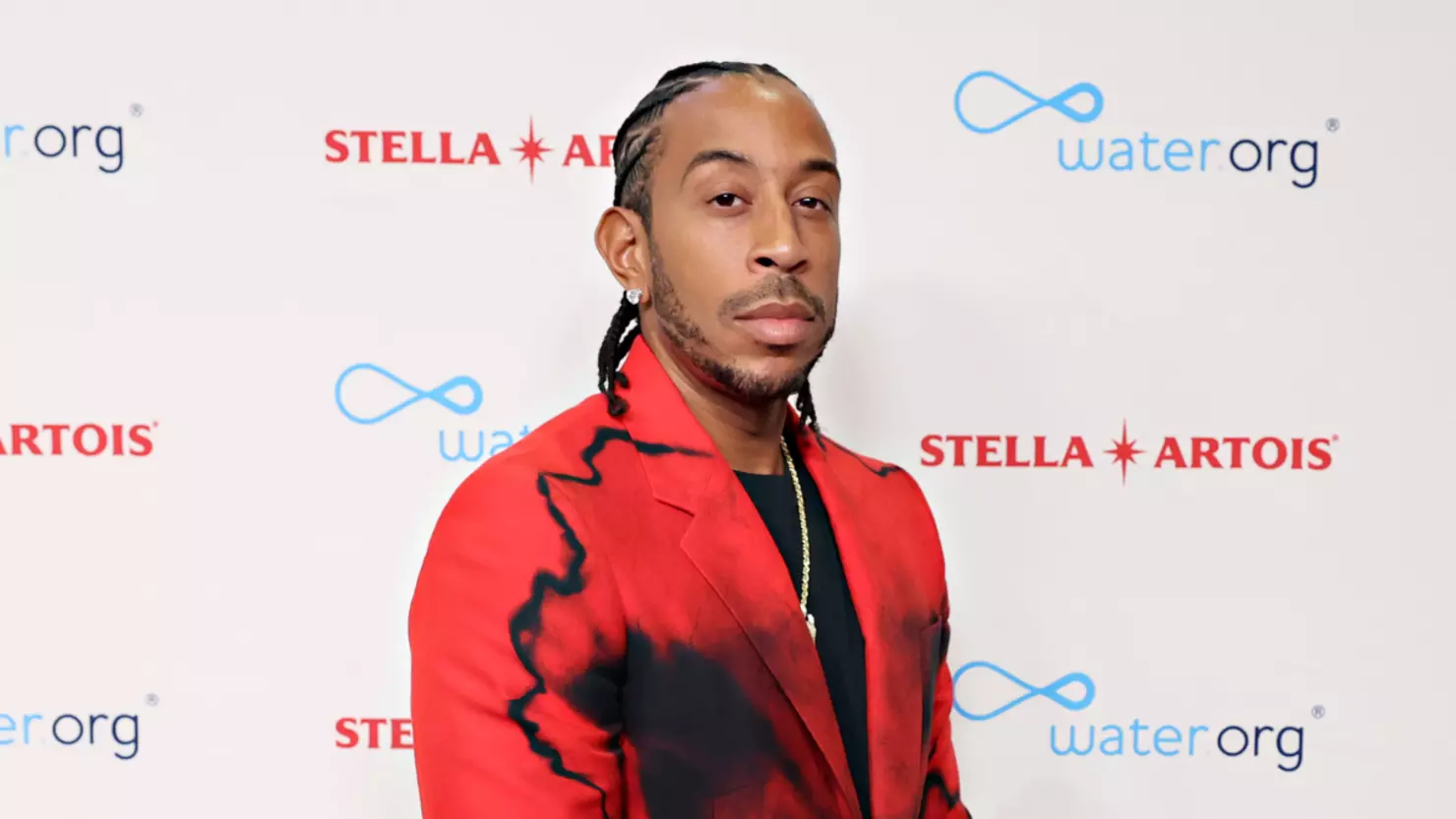
Ludacris transitioned from a dominant force in Dirty South rap to a global cinematic staple by successfully balancing high-octane blockbuster roles with critically acclaimed dramatic performances. His career trajectory, defined by his long-standing role in the Fast & Furious franchise and a SAG Award-winning turn in Crash, serves as a blueprint for crossover success.
Christopher "Ludacris" Bridges stands as one of the few artists who didn't just "try" acting but fundamentally reshaped his professional identity to encompass the title of a bankable Hollywood star. While many rappers have attempted the leap to the silver screen, Ludacris managed to maintain his musical credibility while becoming an integral part of one of the highest-grossing film franchises in history. As of 2026, his journey from the radio airwaves of Atlanta to the Hollywood Walk of Fame remains a case study in brand evolution, disciplined work ethic, and the rare ability to command both a concert stage and a multi-million-dollar film set.
The Foundation: From DJ Chris Lova Lova to Hip Hop Royalty
Before he was Tej Parker or an ensemble lead in award-winning dramas, Chris Bridges was a radio personality in Atlanta, known as "Chris Lova Lova." This early experience was pivotal; it allowed him to master the art of vocal delivery and timing—skills that would later translate seamlessly into both his rhythmic rap flow and his comedic timing on screen.
When he emerged as Ludacris in the late 1990s, he brought a unique flavor to the hip-hop landscape. His debut album, Back for the First Time (2000), and its successor, Word of Mouf (2001), showcased a persona that was larger than life. His music videos were characterized by high-budget cinematography and prosthetic-heavy humor, essentially functioning as short films. This visual storytelling suggested a natural affinity for the camera long before he stepped onto a formal movie set. By the time he received his first major film offer, he had already established a global brand built on charisma, wit, and a distinct "Dirty South" aesthetic.
The Breakout: 2 Fast 2 Furious and the Birth of Tej Parker
The year 2003 marked a definitive shift in Bridges’ career. Cast as Tej Parker in 2 Fast 2 Furious, Ludacris entered the world of high-stakes action cinema. Initially, the role of Tej was that of a race promoter and garage owner—a character that leaned into the street-culture aesthetic prevalent in hip-hop at the time.
What makes his tenure in the Fast & Furious franchise remarkable is the evolution of the character. Over two decades, Tej transitioned from a local Miami mechanic to the "tech wizard" of the global heist crew. Ludacris played this shift with a grounded intelligence that helped the franchise pivot from street racing to international espionage. His chemistry with Tyrese Gibson provided much-needed levity, creating a dynamic duo that became a fan-favorite element of the series. By remaining a consistent member of the cast through the franchise’s most explosive years, Ludacris ensured his face was known in every international market, from North America to China.
Establishing Dramatic Credibility: The Impact of Crash
While the Fast franchise provided commercial dominance, it was the 2004 film Crash that established Ludacris as a "serious" actor. Directed by Paul Haggis, the film explored racial and social tensions in Los Angeles through a series of interlocking stories. Ludacris played Anthony, a carjacker whose philosophical rants about society and race provided some of the film's most poignant and controversial moments.
The success of Crash—which won the Academy Award for Best Picture—was a watershed moment. Ludacris, along with the rest of the cast, received a Screen Actors Guild (SAG) Award for Outstanding Performance by a Cast in a Motion Picture. This accolade effectively silenced critics who viewed him as merely a musician taking "celebrity roles." It proved he could handle complex, nuanced dialogue and hold his own alongside veterans like Don Cheadle and Sandra Bullock. This balance of blockbuster appeal and critical respect is what separates his career from many of his contemporaries.
Comparison of Career Milestones: Ludacris and the Rapper-Actor Elite
To understand the scale of his success, it is useful to compare his trajectory with other artists who have made similar transitions. The following table highlights key metrics of his evolution alongside other prominent figures in the genre.
| Artist | Breakout Film Role | Defining Franchise/Role | Major Acting Recognition | Key Industry Impact |
|---|---|---|---|---|
| Ludacris | 2 Fast 2 Furious (2003) | Fast & Furious (Tej Parker) | SAG Award (Ensemble) | Mastered the "Tech/Action" archetype |
| Will Smith | Six Degrees of Separation | Bad Boys / Men In Black | Academy Award (Best Actor) | Transitioned to a "Leading Man" icon |
| Ice Cube | Boyz n the Hood (1991) | Friday / Ride Along | NAACP Image Awards | Created successful comedy franchises |
| Queen Latifah | Set It Off (1996) | Chicago (Mama Morton) | SAG & Golden Globe Winner | Blended musical theater and film |
Business Acumen and the Multi-Hyphenate Model
Beyond the screen, the "Ludacris brand" is a testament to strategic diversification. His success as an actor provided the capital and visibility to launch numerous successful ventures. In 2026, he is recognized as much for his entrepreneurial spirit as he is for his entertainment career.
One of his most significant recent contributions is the creation of Karma's World on Netflix. This animated series, inspired by his oldest daughter, focuses on empowering young girls through music and social-emotional learning. By moving into the role of creator and producer, Bridges has demonstrated an understanding of the industry's shift toward streaming and diverse content. He is no longer just "the talent" for hire; he is the architect of his own intellectual property.
Furthermore, his philanthropic work through the Ludacris Foundation has maintained his connection to the community, ensuring that his Hollywood success doesn't alienate the base that supported his music career. This multi-layered approach—blockbuster actor, Grammy-winning musician, tech investor, and children’s content creator—defines the modern "multi-hyphenate."
Analyzing the "Crossover" Strategy: Why Ludacris Succeeded
The success of Ludacris in Hollywood can be attributed to three specific strategic choices:
- Selective Longevity: Rather than taking every role offered, he leaned into a single, massive franchise that allowed him to grow with his audience. By the time the Fast franchise reached its later installments, Tej Parker was a household name.
- Character Versatility: He avoided being pigeonholed as the "tough guy." By playing characters like Tej (an intellectual) or his role in Hustle & Flow (a successful, albeit arrogant, rapper), he showcased a range that included comedy, drama, and action.
- Work Ethic Over Ego: Industry reports and co-stars frequently cite Bridges’ punctuality and preparation. In the film industry, a reputation for being "easy to work with" is often as valuable as talent, especially when moving between different creative worlds.
Frequently Asked Questions
When did Ludacris make his first film appearance?
Ludacris made his film debut in the 2001 film The Wash, starring alongside Dr. Dre and Snoop Dogg. However, his true "Hollywood" breakout occurred in 2003 with the release of 2 Fast 2 Furious, where he took on the role of Tej Parker.
How many Fast & Furious movies is Ludacris in?
As of 2026, Ludacris has appeared in the majority of the Fast & Furious sequels, starting with the second film. He became a core member of the "Fast Family" in Fast Five (2011) and has remained a staple of the franchise ever since, contributing to its status as a multi-billion dollar global property.
Has Ludacris won any major awards for acting?
Yes. Ludacris won a Screen Actors Guild (SAG) Award for Outstanding Performance by a Cast in a Motion Picture for his role in the 2004 film Crash. He also received critical acclaim for his performance in Hustle & Flow, further solidifying his reputation as a versatile dramatic actor.
Is Ludacris still active in the music industry?
While his focus has shifted significantly toward film and production, Ludacris continues to be a respected figure in hip-hop. He occasionally releases new singles, performs at major festivals, and collaborates with contemporary artists, though his primary output in 2026 leans more toward media production and business ventures.
What is Ludacris's role in the show Karma's World?
Ludacris is the creator and executive producer of Karma's World, an animated series on Netflix. He also voices the character of Karma's father. The show is designed to teach children about self-esteem, creativity, and the power of their voice, marking his successful expansion into family entertainment.
Next Actions for Following the Ludacris Legacy
For fans and researchers looking to explore the full scope of Ludacris's transition from hip-hop to Hollywood, the following steps are recommended:
- View the "Dramatic Trifecta": To see his range beyond action, watch Crash (2004), Hustle & Flow (2005), and his guest-starring episodes on Law & Order: Special Victims Unit, where he played the complex character Darius Parker.
- Track the Evolution of Tej: Watch 2 Fast 2 Furious followed by Fast Five and F9 to observe how his character transitioned from a street-level mechanic to a global tech expert.
- Explore Karma’s World: For those interested in his role as a producer, examine the educational and musical themes of Karma's World to see how he is influencing the next generation of viewers.
- Visit the Hollywood Walk of Fame: In 2023, Ludacris received his star on the Hollywood Walk of Fame, located at 6426 Hollywood Blvd. It stands as a permanent monument to his dual-industry success.