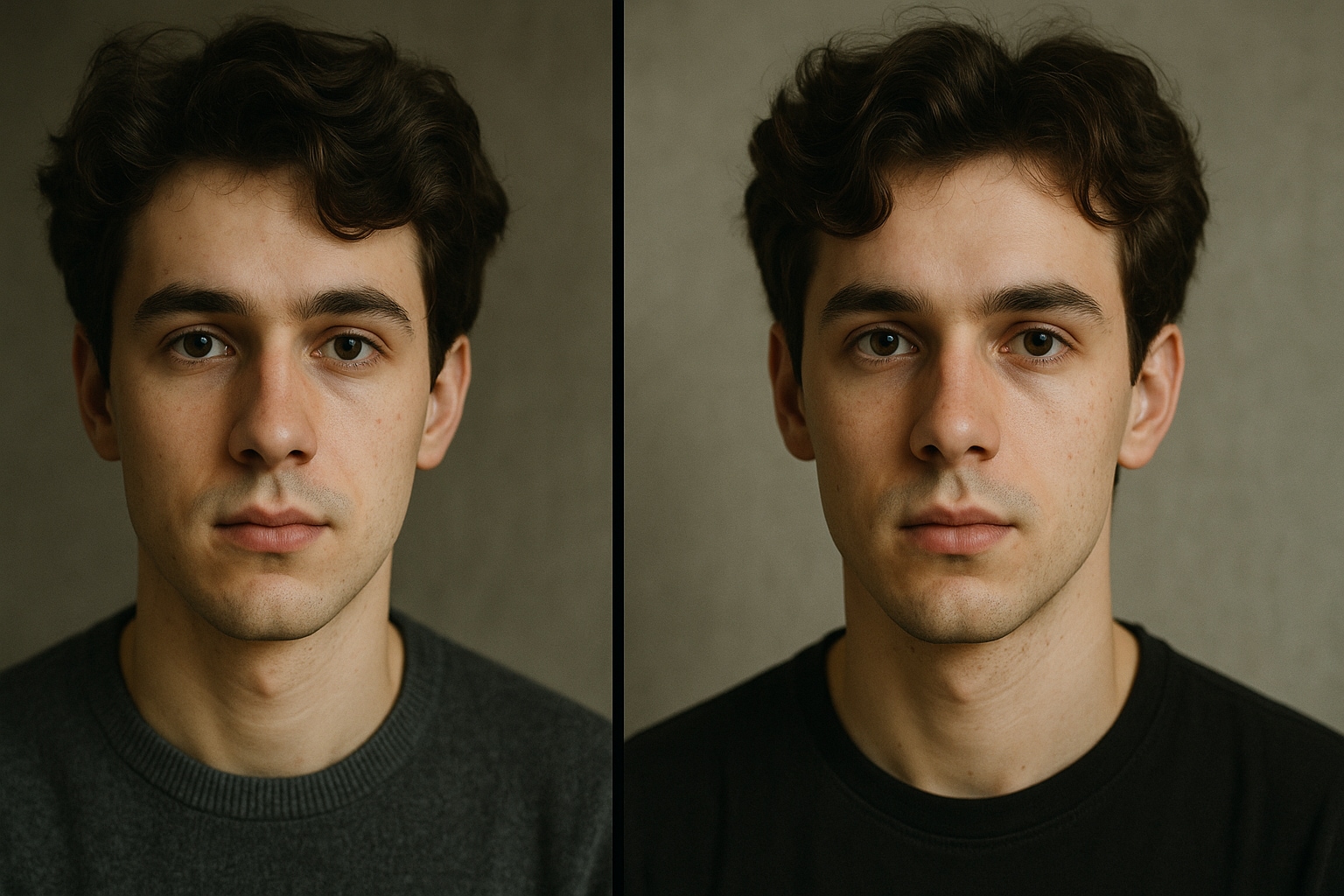
The search for the actor who looks like Jesus often leads to a handful of iconic performers who have come to define the Western visual expectation of the figure. While many actors have stepped into the role, stars like Robert Powell, Jim Caviezel, Diogo Morgado, and Jonathan Roumie are most frequently identified as "doppelgangers" due to their striking resemblance to traditional artistic depictions of Christ.
The phenomenon of the "Jesus doppelganger" is a unique intersection of casting, art history, and audience psychology. When viewers search for the "doppelganger star" in this context, they are usually looking for an actor whose facial structure, piercing eyes, and screen presence align perfectly with the centuries-old imagery found in Renaissance paintings and modern devotional art. As of 2026, the fascination with these actors remains high, especially as cinematic portrayals of biblical figures continue to evolve with high-production series and feature films.
The Aesthetic Blueprint: Why Certain Actors Fit the Role
To understand why specific actors are labeled as Jesus doppelgangers, one must first look at the "Sallman’s Head of Christ" or the works of Leonardo da Vinci. These artistic renderings established a specific visual shorthand in the Western world: long, flowing hair, a neatly trimmed beard, a high forehead, and a serene yet commanding gaze. Producers and casting directors often seek out actors who possess these features to provide an immediate sense of familiarity to the audience.
This visual alignment is more than just a coincidence; it is a deliberate choice in the casting process. When an actor’s natural features—often a narrow facial structure and deep-set, expressive eyes—match this "blueprinted" look, they become synonymous with the role. For many of these actors, the resemblance is so strong that it follows them throughout their careers, leading fans to recognize them as the "face" of Jesus even in unrelated projects. This creates a "doppelganger effect" where the line between the historical/theological figure and the performer becomes blurred in the public consciousness.
Robert Powell: The Blueprint for the Ethereal Look
Perhaps no actor has more profoundly defined the look of Jesus for the modern era than Robert Powell. In the 1977 miniseries Jesus of Nazareth, directed by Franco Zeffirelli, Powell’s performance became the gold standard for cinematic portrayals. His striking blue eyes and the decision to rarely blink on camera gave him an "otherworldly" quality that resonated deeply with audiences worldwide.
Powell’s casting was originally for the role of Judas, but Zeffirelli famously realized that Powell’s eyes were too captivating for a supporting role. To enhance his "Jesus look," makeup artists used thin lines of dark blue eyeliner to make his eyes appear even more piercing. Decades later, Powell’s face is still used in many churches and households as a representation of Christ, making him the ultimate doppelganger star. His image was so convincing that he reportedly had difficulty finding varied roles afterward, as audiences could only see him as the Messiah.
Jim Caviezel: The Gritty and Intense Portrayal
In 2004, Mel Gibson’s The Passion of the Christ introduced a different kind of doppelganger in Jim Caviezel. While Caviezel naturally possesses some of the required features, the production used extensive makeup and even digital effects to align his appearance with traditional imagery. Notably, Caviezel’s eyes were digitally changed from blue to brown to match a more Middle Eastern phenotype, yet he still maintained the haunting, expressive gaze that the role demands.
Caviezel’s portrayal focused on the physical suffering and humanity of the figure, but his facial structure remained the anchor for the film's visual identity. For many, Caviezel became the modern face of the role, embodying a more rugged and intense version of the traditional doppelganger. His commitment to the role was legendary, including surviving a lightning strike and a dislocated shoulder during filming, which added a layer of "miraculous" lore to his status as a cinematic Jesus.
Diogo Morgado and the "Hot Jesus" Phenomenon
The search for a "Jesus doppelganger" saw a massive spike in social media activity with the release of the 2013 miniseries The Bible and the subsequent film Son of God. Portuguese actor Diogo Morgado was cast in the lead role, and his appearance immediately went viral. Viewers on platforms like Twitter and Instagram dubbed him "Hot Jesus," a testament to his conventional Hollywood good looks paired with the traditional iconography of the role.
Morgado’s portrayal brought a more approachable and charismatic energy to the character. His long, sun-bleached hair and gentle smile made him a different kind of doppelganger—one that appealed to a modern, media-savvy audience. While some critics argued that his look was "too Hollywood," his popularity proved that the "doppelganger star" search is often driven by a combination of traditional features and contemporary aesthetic standards.
Jonathan Roumie: The Face of "The Chosen" in 2026
As of 2026, the most prominent actor in this category is Jonathan Roumie, who portrays Jesus in the multi-season hit series The Chosen. Roumie has achieved a level of identification with the role that rivals Robert Powell. His performance is noted for its warmth, humor, and relatability, but his physical appearance is what first captures many viewers.
Roumie’s doppelganger status is unique because The Chosen is an ongoing project with a massive, dedicated global fanbase. He has become a public figure synonymous with the role, often appearing at religious events and speaking about his faith. His facial features—a balanced mix of strength and kindness—have made him the definitive Jesus for a new generation. In the era of social media, Roumie’s face is shared millions of times daily, cementing his place as the primary "Jesus doppelganger" of the current decade.
Comparison of Notable Cinematic Jesus Actors
The following table compares the most famous actors who have been identified as Jesus doppelgangers based on their project, physical traits, and the "vibe" of their portrayal.
| Actor | Project | Notable Physical Traits | Portrayal Style |
|---|---|---|---|
| Robert Powell | Jesus of Nazareth (1977) | Intense blue eyes, high forehead | Ethereal and Divine |
| Willem Dafoe | The Last Temptation of Christ (1988) | Lean, weathered features | Human and Tormented |
| Jim Caviezel | The Passion of the Christ (2004) | Deep-set eyes, rugged build | Suffering and Resilient |
| Diogo Morgado | Son of God (2014) | Symmetrical features, charismatic smile | Approachable and Warm |
| Jonathan Roumie | The Chosen (2019–Present) | Gentle gaze, expressive beard | Relatable and Personal |
| Haaz Sleiman | Killing Jesus (2015) | Authentic Middle Eastern features | Historical and Grounded |
The Technical Challenges of Casting a Doppelganger
Casting an actor to look like Jesus involves more than just finding a handsome man with a beard. Producers often look for "The Look," which includes specific anthropometric measurements. A prominent nose, a certain distance between the eyes, and a specific jawline are often prioritized to ensure the actor can carry the weight of the audience's expectations.
Furthermore, the "doppelganger" effect is often enhanced by technical departments:
- Hair and Makeup: Wigs and beard extensions are meticulously crafted to match historical or artistic precedents.
- Color Grading: Cinematographers often use specific lighting to make the actor's eyes appear more luminous or to give their skin a "glow."
- Acting Choices: The "Jesus look" is often a result of stillness. Actors are coached to minimize unnecessary movements, which creates a sense of poise and divinity.
Frequently Asked Questions
Who is the actor most people think looks like the real Jesus?
While there is no historical photograph of Jesus, most people point to Robert Powell or Jonathan Roumie as looking like the "traditional" Jesus found in art. From a historical-accuracy perspective, actors like Haaz Sleiman or Selva Rasalingam are often cited as having more geographically accurate features for a 1st-century Judean.
Why do so many Jesus actors have blue eyes?
The use of blue-eyed actors like Robert Powell and Jim Caviezel (whose eyes were naturally blue but changed to brown for the film) stems from Western European art traditions. In these traditions, light eyes were often used to signify divinity or "light." Modern productions, however, are increasingly moving toward casting actors with brown eyes to reflect historical realism.
Is there a "Jesus doppelganger" filter or app?
Many fans use AI-driven "look-alike" apps or search engines to find their own "doppelganger star." These tools analyze facial geometry to see which famous portrayal of Jesus a person most resembles. This has become a popular social media trend, especially during religious holidays.
Has any actor played Jesus more than once?
Yes, Jonathan Roumie has played Jesus in multiple projects, including The Chosen and various short films and voice-over roles. His "doppelganger" status is so strong that he has become the go-to actor for the role in the 2020s.
Why is Diogo Morgado called the "Hot Jesus"?
The nickname "Hot Jesus" went viral on Twitter during the airing of The Bible miniseries in 2013. Viewers were struck by Morgado’s model-like features, which contrasted with the more somber or weathered looks of previous actors. The nickname became a major marketing point for the theatrical release of Son of God.
How to Explore Cinematic Doppelgangers Further
If you are interested in the evolution of the "Jesus look" in cinema, the best course of action is to conduct a comparative viewing of the major works. Start with IMDb's list of Jesus portrayals to see the vast range of actors who have taken on the mantle. For those interested in the historical accuracy versus the "doppelganger" aesthetic, resources like Biblical Archaeology Society provide insights into what a 1st-century person from the Levant would actually have looked like.
When searching for the "doppelganger star," remember that the "look" is a blend of natural biology and centuries of cultural influence. Whether it is the piercing gaze of Robert Powell or the relatability of Jonathan Roumie, these actors serve as a bridge between the historical past and the visual present, proving that the search for the "perfect face" is a journey that continues to fascinate audiences in 2026 and beyond.