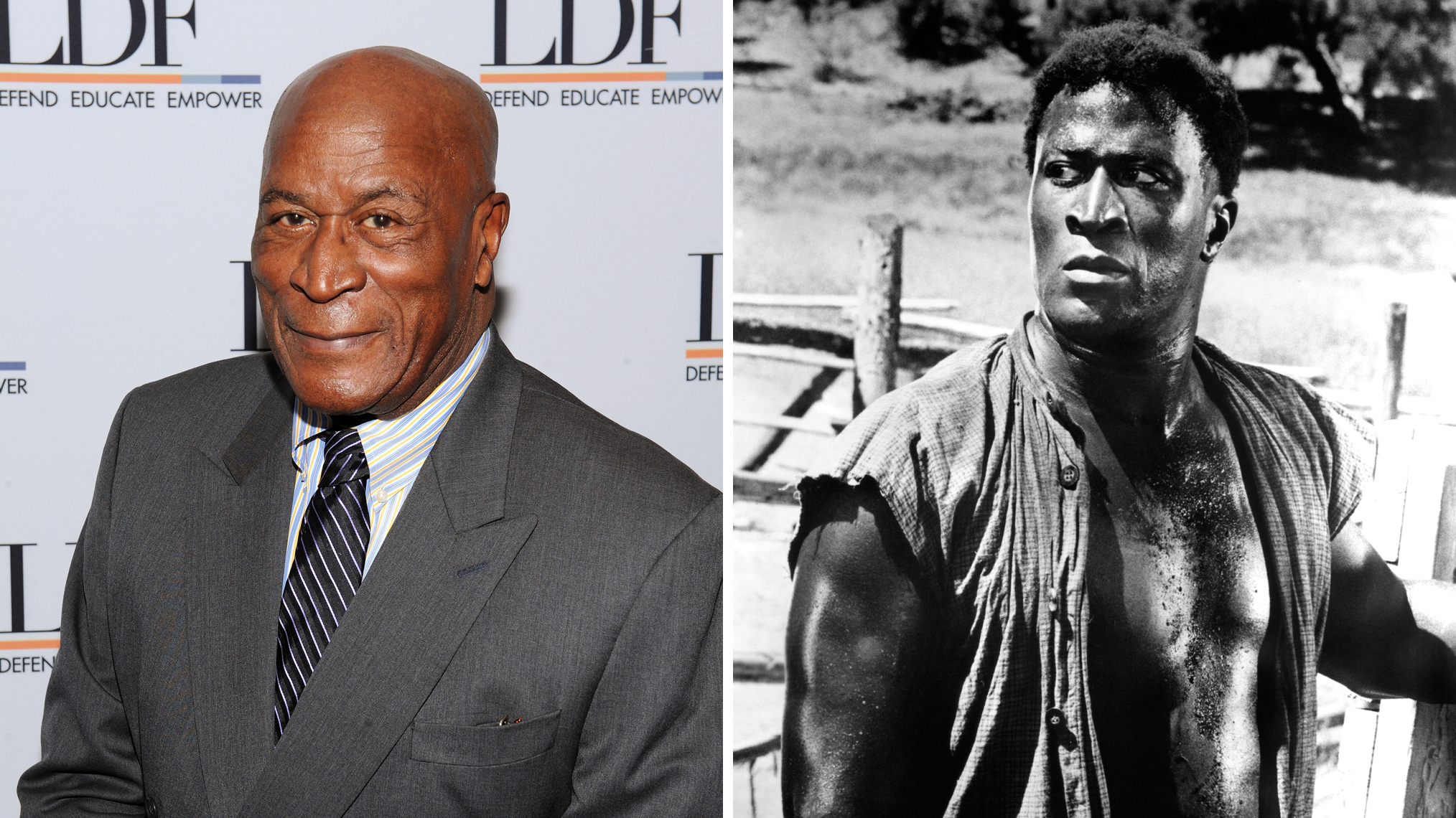
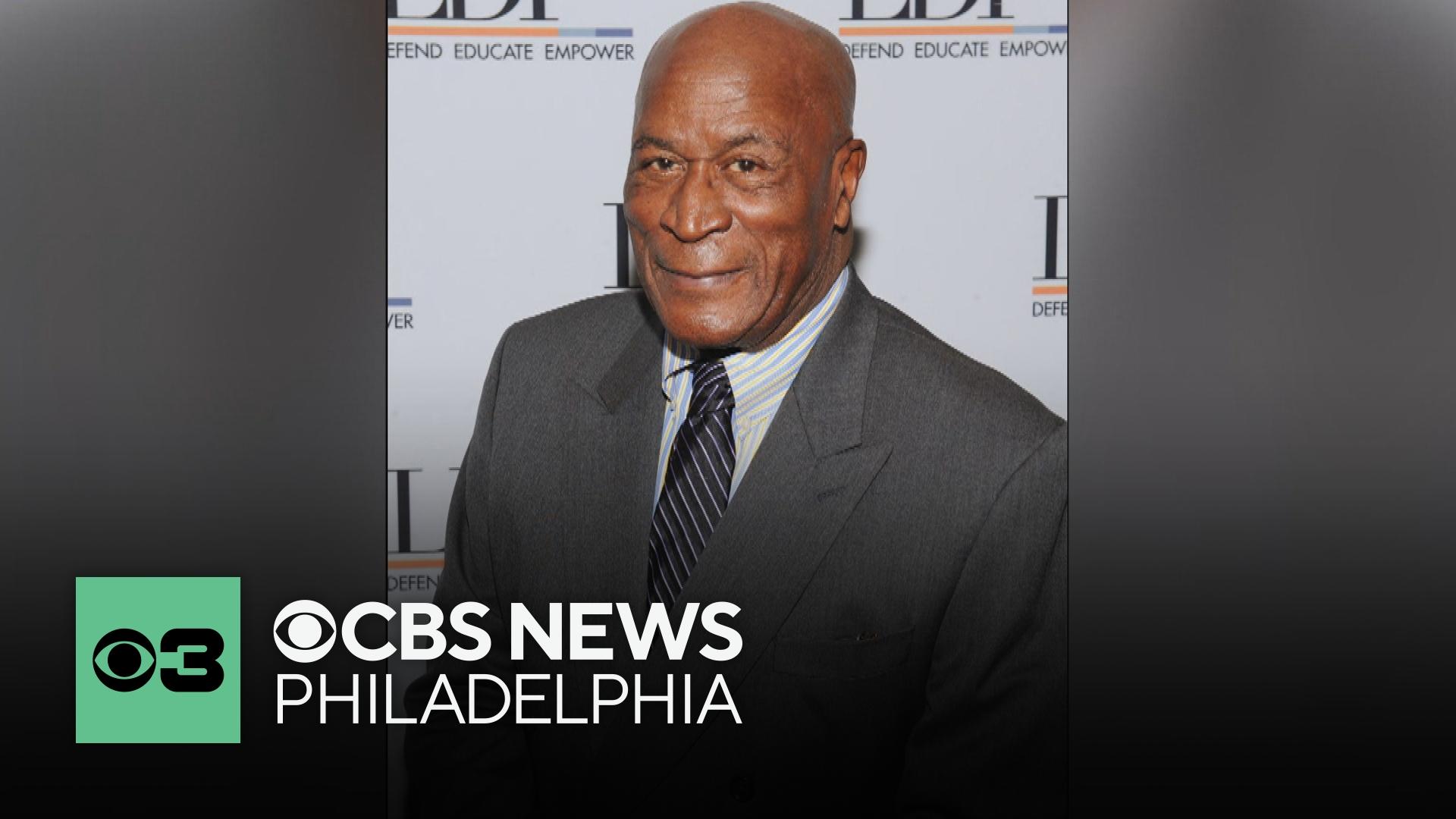
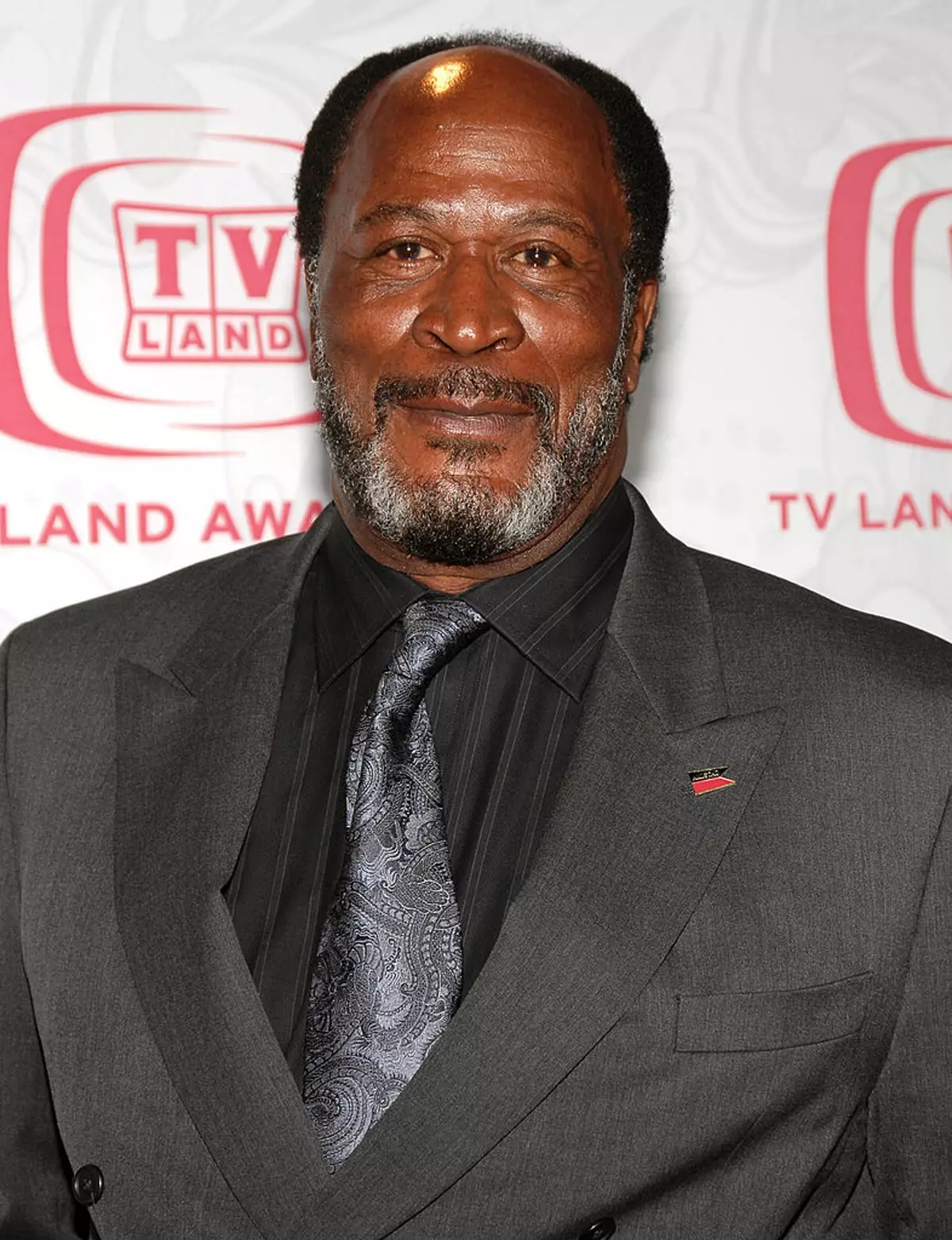
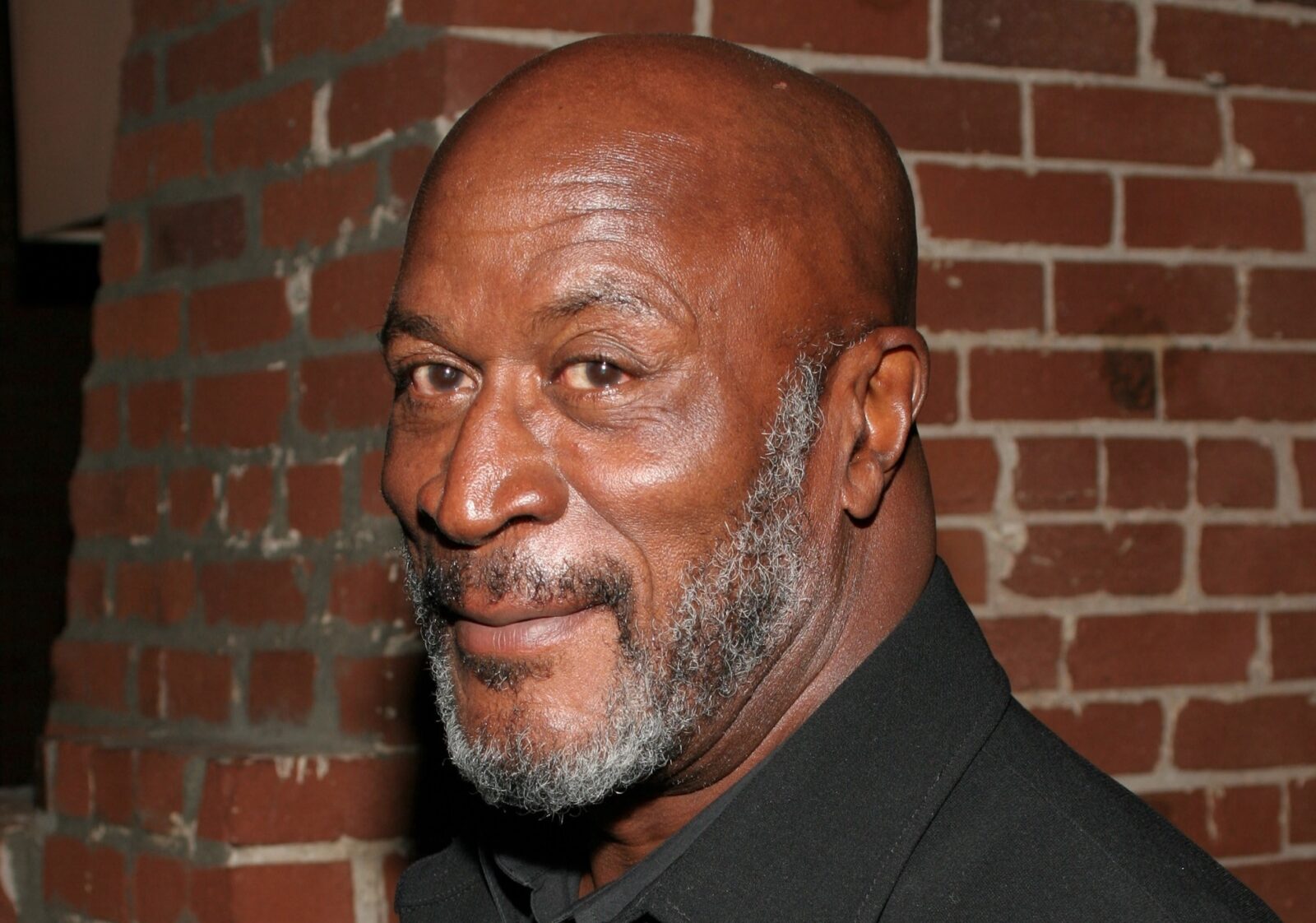
John Amos was a formidable force in American entertainment, transitioning from professional athletics to becoming one of the most recognizable and respected actors of his generation. Best known for his roles in Good Times, Roots, and Coming to America, Amos’s career spanned over five decades, leaving an indelible mark on television and film through his commitment to portraying strong, dignified Black characters.
Early Life and the Path to Professional Athletics
John Amos was born on December 27, 1939, in Newark, New Jersey. Growing up in a working-class environment, he developed a resilient work ethic that would later define his professional life. He attended East Orange High School and later moved on to Long Beach City College before transferring to Colorado State University. At Colorado State, Amos distinguished himself as a talented athlete, playing on the university's football team while pursuing a degree in sociology.
His athletic prowess was significant enough to garner interest from professional leagues. After graduating, Amos embarked on a journey through the world of professional football that demonstrated his tenacity. In 1964, he signed with the Denver Broncos as a free agent but was released during training camp. Undeterred, he played for various teams in the United Football League and the Continental Football League, including the Norfolk Neptunes and the Wheeling Ironmen.
Amos eventually signed with the Kansas City Chiefs of the American Football League in 1967. However, after being cut by legendary coach Hank Stram, Amos decided to pivot away from the gridiron. While his football career did not lead to NFL stardom, the discipline and physical presence he developed during those years became foundational to his acting style. He often credited his "walk-on" mentality in football for his ability to handle the rejection and high stakes of the acting industry.
Breaking Ground on Television: From Gordy Howard to James Evans Sr.
The transition from sports to entertainment began in the late 1960s. Amos moved to Los Angeles and began working as a writer and performer in the burgeoning comedy scene. His first major break came in 1970 when he was cast as Gordy Howard, the affable weatherman on The Mary Tyler Moore Show. While the role was supporting, Amos’s natural charisma and timing made him a standout, proving that he could hold his own alongside comedy heavyweights.
However, it was in 1974 that Amos took on the role that would define his legacy for millions: James Evans Sr. in the CBS sitcom Good Times. As the patriarch of the first Black nuclear family featured in a television sitcom, Amos portrayed a father who was hardworking, proud, and deeply committed to his wife and children despite the hardships of living in the Chicago projects.
The "complete story" of Amos's time on Good Times is marked by both triumph and creative conflict. While the show was a massive hit, Amos grew increasingly frustrated with the direction of the series. He felt that the writers were focusing too much on the "buffoonery" of the character J.J. Evans (played by Jimmie Walker) and his catchphrase "Dy-no-mite!" at the expense of realistic storytelling and the dignity of the Black family unit. Amos’s vocal criticism led to his firing from the show after the third season. His character was killed off in an off-screen accident, a move that shocked audiences but solidified Amos’s reputation as an actor who would not compromise his principles for a paycheck.
The Cultural Impact of Roots and Dramatic Excellence
Shortly after his departure from Good Times, Amos secured a role that would ensure his place in television history. He was cast as the adult Kunta Kinte (renamed Toby) in the 1977 groundbreaking miniseries Roots. Based on Alex Haley’s novel, the series followed the multi-generational saga of an enslaved African man and his descendants in America.
Amos’s performance in Roots was nothing short of transformative. He captured the internal agony and external resilience of a man stripped of his name and heritage but never his spirit. The miniseries became a cultural phenomenon, watched by over 130 million people, and triggered a national conversation about the history of slavery in the United States. For his portrayal, Amos received an Emmy nomination for Outstanding Lead Actor in a Drama or Comedy Series.
The success of Roots allowed Amos to transition into more serious, dramatic roles. He refused to be typecast as a sitcom actor, leveraging his commanding physical presence and deep, resonant voice to portray authority figures and complex individuals. This period of his life marked his evolution from a television star to a respected dramatic actor capable of carrying high-stakes narratives.
Versatility in Cinema: Coming to America and Beyond
In the late 1980s and 1990s, John Amos showcased his range by appearing in some of the most successful films of the era. In 1988, he starred as Cleo McDowell in the hit comedy Coming to America alongside Eddie Murphy and Arsenio Hall. As the ambitious owner of "McDowell’s" (a thinly veiled imitation of McDonald’s), Amos displayed impeccable comedic timing, holding his own in a film filled with legendary comedic performances. He would later reprise this role in the 2021 sequel, Coming 2 America, bringing a sense of nostalgic continuity to the franchise.
Amos also proved his mettle in the action genre. In 1990, he played Major Grant in Die Hard 2, portraying a treacherous military leader who serves as a primary antagonist to Bruce Willis’s John McClane. His performance was praised for its intensity, further proving that he could seamlessly move between comedy, drama, and action.
Throughout the 1990s and early 2000s, Amos remained a prolific character actor. He had a recurring role on The West Wing as Admiral Percy Fitzwallace, the Chairman of the Joint Chiefs of Staff. His portrayal of Fitzwallace was noted for its gravitas and wisdom, reflecting the real-world dignity Amos brought to his characters.
Career Milestones and Key Credits
The following table outlines the pivotal moments and projects that defined the professional trajectory of John Amos.
| Year | Project | Role | Significance |
|---|---|---|---|
| 1970–1973 | The Mary Tyler Moore Show | Gordy Howard | First major TV breakthrough as the weatherman. |
| 1974–1976 | Good Times | James Evans Sr. | Iconic portrayal of a Black father; departed due to creative integrity. |
| 1977 | Roots | Kunta Kinte (Toby) | Emmy-nominated role in a historic cultural phenomenon. |
| 1988 | Coming to America | Cleo McDowell | Major box-office success; showcased comedic range. |
| 1990 | Die Hard 2 | Major Grant | Demonstrated ability to play complex action antagonists. |
| 1999–2004 | The West Wing | Admiral Fitzwallace | Portrayed a high-ranking military official with great dignity. |
| 2021 | Coming 2 America | Cleo McDowell | Reprised a fan-favorite role for a new generation. |
Personal Challenges and the Legacy of the Amos Family
In his later years, John Amos’s personal life occasionally made headlines, often involving complex family dynamics. As of 2026, the public remembers the unfortunate period of 2023 and 2024, when reports surfaced regarding internal family disputes involving his children, K.C. Amos and Shannon Amos. These disputes, which included allegations of elder abuse and mismanagement of his care, were highly publicized.
Despite these private struggles, Amos remained active and vocal about his love for his craft until his passing. John Amos died on August 21, 2024, in Los Angeles, though the news was not shared with the public until October of that year. His death marked the end of an era for television. He was remembered not just for the characters he played, but for what he stood for: the insistence that Black characters be written with depth, humanity, and a refusal to succumb to stereotypes.
His legacy is carried on by the actors who followed in his footsteps, benefiting from the doors he kicked open. Amos was a pioneer who understood that media representation had the power to shape societal perceptions. By demanding better writing for Good Times and delivering a visceral performance in Roots, he changed the landscape of American television forever.
Frequently Asked Questions
Why did John Amos leave the show Good Times?
John Amos was fired from Good Times following the third season because of his repeated clashes with the show's producers over the creative direction of the series. Amos was particularly critical of the character J.J. Evans, played by Jimmie Walker. He felt that the show’s shift toward J.J.'s "buffoonery" and catchphrase-heavy comedy undermined the serious themes of Black family life and poverty that the show originally intended to explore.
Did John Amos ever play professional football?
Yes, John Amos had a varied career in professional football before turning to acting. He played for several teams in the United Football League and Continental Football League. He also signed as a free agent with the AFL’s Denver Broncos and Kansas City Chiefs, although he did not play in a regular-season game for either team. His experiences in football informed much of his disciplined approach to his acting career.
What was John Amos’s most famous role?
While he had many iconic roles, his most famous are arguably James Evans Sr. in Good Times and Kunta Kinte in the miniseries Roots. James Evans Sr. is celebrated as a landmark representation of Black fatherhood, while Kunta Kinte is recognized as one of the most powerful dramatic performances in the history of American television.
When did John Amos pass away?
John Amos passed away on August 21, 2024, at the age of 84. His death occurred in Los Angeles, California. The announcement was made by his son, K.C. Amos, in October 2024, leading to a global outpouring of tributes from the entertainment industry and fans alike.
Did John Amos win an Emmy?
John Amos was nominated for an Emmy Award in 1977 for his role as the adult Kunta Kinte in Roots. Although he did not win the award, the nomination was a significant acknowledgement of his performance in a production that remains one of the most-watched and critically acclaimed miniseries of all time.
Preserving the Legacy of a Television Pioneer
To truly understand the "complete story" of John Amos, one must look beyond the screen and recognize his role as a social advocate within the entertainment industry. He was a man of immense talent who utilized his platform to advocate for authenticity. For those looking to honor his memory, viewing his foundational works—specifically the early seasons of Good Times and the entirety of Roots—provides a masterclass in acting and a history lesson in the evolution of Black representation in media.
As we reflect on his career from the vantage point of 2026, John Amos stands as a reminder that professional success and personal integrity do not have to be mutually exclusive. His journey from the football fields of the Midwest to the heights of Hollywood remains an inspiring blueprint for resilience and principled living.