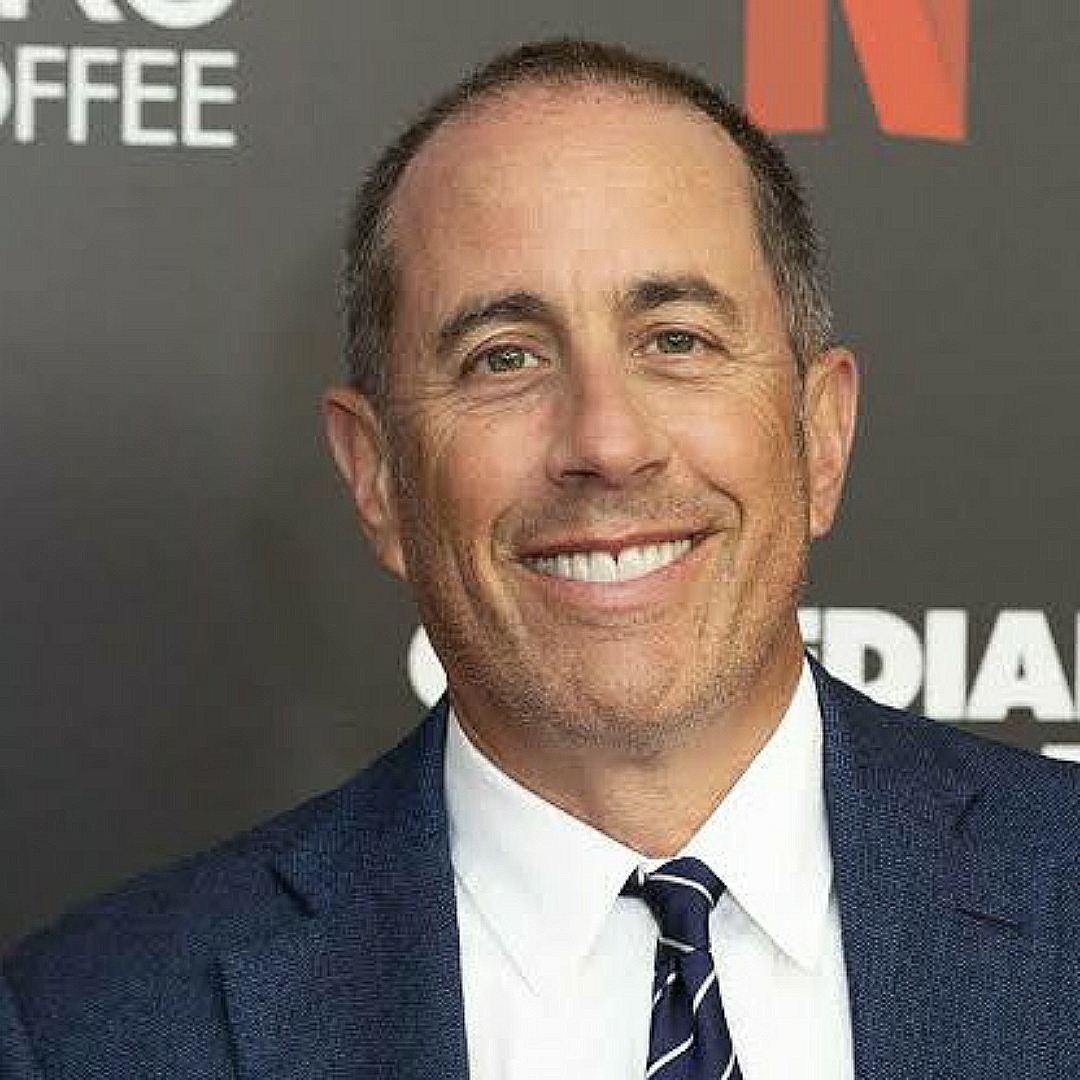
As of 2018, actor Joe Penny’s net worth was estimated to be approximately $500,000 to $2 million. This valuation reflected his decades of steady work as a television leading man, primarily during the 1980s and 1990s, supplemented by long-term residuals from internationally syndicated hits like Riptide and Jake and the Fatman.
Joe Penny, born Joseph Edward Penny Jr., remains a quintessential figure of the "Golden Age" of episodic television. To understand his financial standing in 2018, one must look past the modern lens of multi-million dollar streaming deals and instead examine the structured salary systems of network television during his peak years. Penny’s wealth was built on the foundation of consistent starring roles, a disciplined approach to his public life, and the enduring popularity of his television catalog in foreign markets.
The Foundations of Joe Penny’s Wealth: The 1980s Boom
Joe Penny’s primary accumulation of wealth began in the early 1980s. Unlike many actors who struggle for years in bit parts, Penny found his footing relatively quickly. After studying under Lee Strasberg, he landed guest spots on major shows like The Love Boat and Lou Grant. However, his first major financial "level-up" occurred with the 1981 NBC miniseries The Gangster Chronicles, where he played the legendary mobster Benjamin "Bugsy" Siegel.
While miniseries pay at the time was respectable, the true wealth-generation mechanism for an actor in that era was the "lead in a weekly procedural." When Penny was cast as Nick Ryder in Riptide (1984–1986), he entered a different bracket of earners. In the mid-80s, a lead actor in a successful network series could expect to earn anywhere from $15,000 to $30,000 per episode during the first few seasons, with significant bumps if the show was renewed. Riptide ran for 56 episodes, establishing a significant capital base for Penny.
The Peak Earning Years: Jake and the Fatman
If Riptide made Joe Penny a recognizable face, Jake and the Fatman (1987–1992) made him a wealthy man. Starring as investigator Jake Styles alongside the veteran William Conrad, Penny led the show through five seasons and 106 episodes.
The financial structure of a five-season show is critical for an actor's net worth. By the third and fourth seasons of a hit show, lead actors often renegotiate their contracts. It is estimated that by the height of the show's popularity, Penny could have been earning between $40,000 and $75,000 per episode. Furthermore, reaching the 100-episode milestone is the "holy grail" of television production because it traditionally triggers more lucrative domestic and international syndication deals.
The revenue generated from these 106 episodes continued to provide Penny with a "tail" of residual income that contributed to his 2018 net worth. Even decades later, syndication in European and South American markets ensured that Penny remained financially stable without the need for constant new projects.
Diversification Through Television Movies and Hallmark Projects
Following the conclusion of Jake and the Fatman, Penny did not disappear from the screen; instead, he transitioned into the lucrative world of TV movies. Throughout the 1990s and 2000s, he became a staple of "Movie of the Week" productions on networks like CBS, NBC, and later, the Hallmark Channel.
One of his most significant later-career financial contributions was his role as Frank Darnell in the Jane Doe series of television movies (2005–2008). Starring alongside Lea Thompson, Penny appeared in nine installments of this franchise. While the per-project pay for Hallmark movies is generally lower than a network series lead (often ranging from $50,000 to $150,000 per movie for established names), the consistency of these roles allowed Penny to maintain his net worth against inflation and the rising costs of living in Southern California.
Syndication and the Long-Term Residual Model
To understand why Joe Penny’s net worth was estimated at up to $2 million in 2018 despite fewer active roles in the preceding decade, one must understand how residuals work for Screen Actors Guild (SAG) members.
When a show like Jake and the Fatman is sold to a streaming platform, a cable network (like MeTV or Cozi TV), or an international broadcaster, the actors receive a percentage of their original salary or a fixed fee based on the platform's reach. Because Penny’s shows were action-procedurals—a genre that ages very well and translates easily across cultures—they remained in constant rotation globally.
| Period | Major Project | Financial Impact Category |
|---|---|---|
| 1981–1983 | The Gangster Chronicles | Early career establishment and union entry |
| 1984–1986 | Riptide | First major salary surge (Network Lead) |
| 1987–1992 | Jake and the Fatman | Peak earnings and long-term syndication rights |
| 1995–2004 | Various Guest Spots (CSI, 7th Heaven) | Maintenance income and health/pension credits |
| 2005–2008 | Jane Doe Series | Franchise-based earnings and late-career stability |
| 2010–2018 | Semi-Retirement | Residual-based wealth preservation |
The Impact of a Private Lifestyle on Asset Valuation
Unlike many of his contemporaries who sought the limelight through reality television or high-profile public investments, Joe Penny has lived a notoriously private life. He rarely grants interviews and avoids the celebrity social circuit.
This privacy has a direct impact on public net worth estimations. Because Penny does not flaunt luxury real estate, high-end car collections, or expensive divorces in the tabloid press, financial analysts often err on the side of conservative estimates. His 2018 valuation of $2 million considers the likely appreciation of property purchased during his peak earning years in the late 80s and early 90s. In the Los Angeles real estate market, even a modest home purchased during that era would have seen a multi-hundred-percent increase in value by 2018, significantly bolstering his overall net worth.
Challenges to Celebrity Wealth: The Changing Industry
By 2018, the landscape of television had shifted from the "Big Three" networks to a fragmented streaming market. For actors of Penny’s generation, this change presented both a challenge and an opportunity. While the massive "per-episode" salaries of the 80s were becoming rarer for everyone except A-list stars, the rise of digital platforms created a new market for old content.
The 2018 valuation accounts for the fact that Penny’s "brand" as a classic TV detective remained marketable. While he was no longer commanding six-figure checks for guest appearances, his historical body of work continued to pay for his lifestyle. The "how much was he worth" question is often answered by the fact that he was able to essentially retire from the grueling schedule of a series lead while maintaining a comfortable standard of living.
Frequently Asked Questions
What was Joe Penny’s highest-paying role?
While exact contract figures are proprietary, Joe Penny’s highest-paying role was undoubtedly his portrayal of Jake Styles in Jake and the Fatman. Between his base salary and the subsequent syndication bonuses for reaching the 100-episode mark, this series accounts for the majority of his career earnings.
Did Joe Penny have any business ventures outside of acting?
There are no public records of Joe Penny launching major commercial brands or tech startups. His wealth appears to be almost entirely derived from his professional acting career and wise management of his earnings during the 1980s and 90s.
How did Joe Penny’s net worth compare to his co-stars?
In 2018, Penny’s net worth was roughly comparable to other character-driven leading men of his era. While stars like William Conrad had larger estates due to longer careers spanning radio and film, Penny managed his finances better than many 80s stars who lost their wealth to high-risk investments or lifestyle inflation.
Is Joe Penny still receiving royalties in 2026?
Yes. Under SAG-AFTRA agreements, actors receive residuals as long as their work is being broadcast or sold on digital platforms. Given the enduring popularity of 80s nostalgia and the "comfort TV" genre, Riptide and Jake and the Fatman continue to generate modest revenue for Penny even in 2026.
Why is there a range in his 2018 net worth estimates?
The range ($500k to $2M) exists because Joe Penny is a private individual. Publicly available data can track his credits and estimated SAG rates, but it cannot account for personal investments, private debts, or specific real estate holdings that aren't listed under his direct name.
Did Joe Penny’s health affect his earnings after 2018?
Joe Penny has largely stepped back from the industry for personal reasons. While there were rumors regarding his health over the years, his lack of recent credits is more likely a choice to enjoy his retirement rather than a forced financial circumstance, supported by the wealth he accumulated during his prime.
Historical Perspective on Actor Wealth Management
For those looking to understand the financial trajectory of a classic television star, Joe Penny serves as a prime example of the "steady earner" model. He represents a generation of actors who viewed their work as a craft and a profession rather than a stepping stone to global mogul status.
His estimated worth in 2018 proves that a successful run on network television, if managed with a degree of privacy and fiscal discipline, can provide a lifelong "pension" through residuals and property appreciation. For fans and researchers, Penny’s financial story is a testament to the lasting power of the American television procedural in the global marketplace.