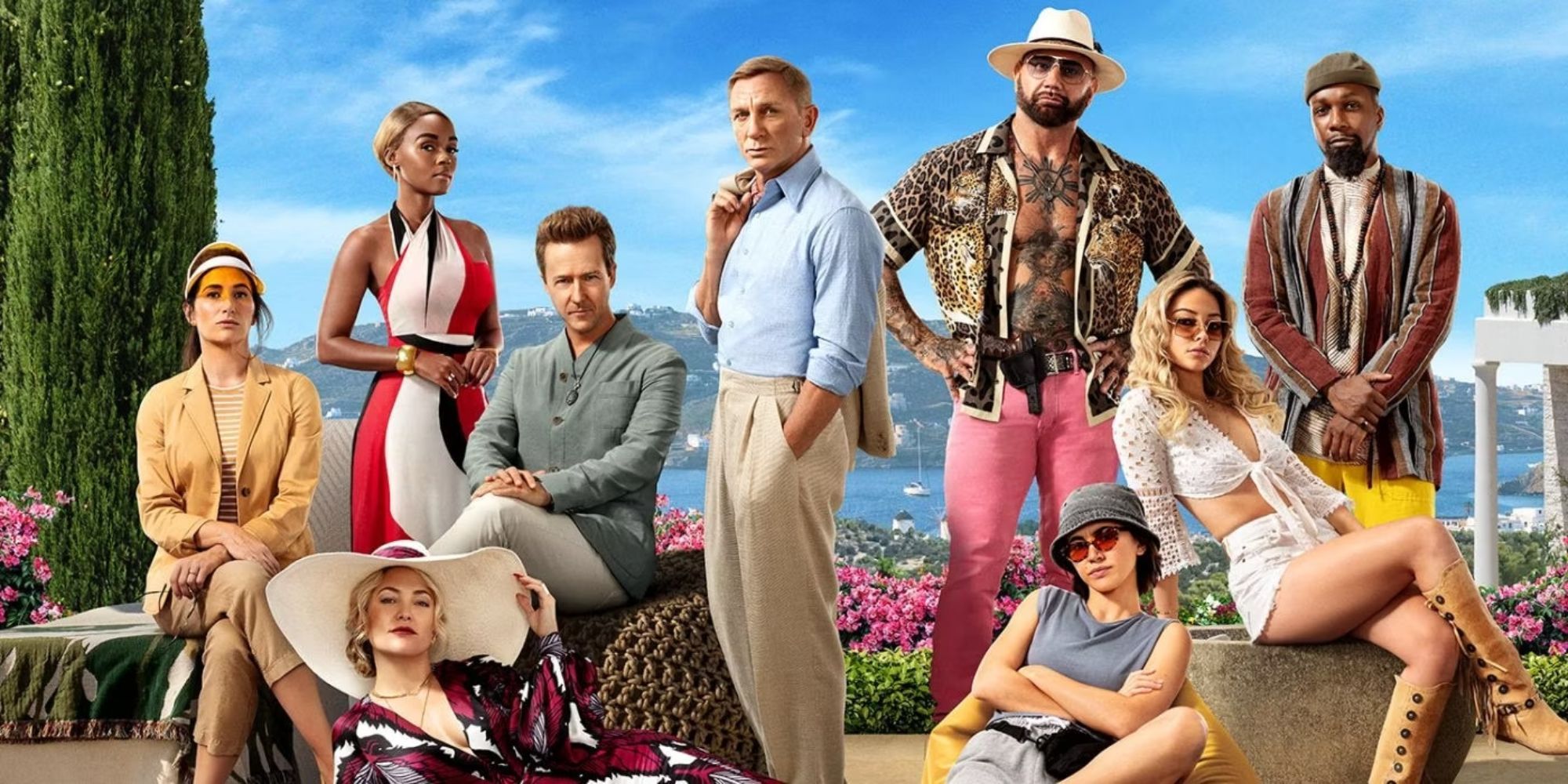
An actor ensemble is a group of performers working collaboratively in a production where the collective synergy and narrative balance take precedence over individual "star turns." This approach fosters a cohesive artistic environment where actors support one another’s performances to create a unified, immersive story that feels grounded and authentic to the audience.
Defining the Actor Ensemble in 2026
In the contemporary landscape of 2026, the concept of the actor ensemble has evolved from a traditional theater-based methodology into a dominant force across streaming, film, and immersive media. Unlike a "star vehicle," which is designed to highlight the charisma and screen time of a single A-list performer, an ensemble production treats the cast as a single organism. In these projects, the narrative weight is distributed among several key characters, or the interplay between the characters is the primary engine of the plot.
The "ensemble effect" is characterized by a high degree of mutual trust and "listening" among the cast. This is not merely a matter of sharing screen time; it is a technical and artistic discipline. Actors in an ensemble must be willing to yield the focus to their colleagues when the story demands it, ensuring that no single performance disrupts the tonal consistency of the work. This collective approach often results in a more layered and realistic portrayal of human relationships, as the audience experiences the story through a web of interconnected perspectives rather than a singular lens.
The Evolution of Ensemble Performance Traditions
The roots of ensemble acting can be traced back to the late 19th and early 20th centuries, most notably with the Moscow Art Theatre under Konstantin Stanislavski. Before this era, European theater was often dominated by the "star system," where lead actors would take center stage regardless of the logic of the scene, while the supporting cast remained static. Stanislavski, and later practitioners like Sanford Meisner and Stella Adler, emphasized the "communion" between actors, arguing that the truth of a performance exists in the space between people.
By 2026, these traditions have been digitized and refined. Modern ensembles often undergo intensive "chemistry building" periods, which may include shared living arrangements, group workshops, or collaborative character-building exercises. In high-budget television—often referred to as "Peak Ensemble" TV—writers now craft scripts that account for the specific rhythms and rapport developed by the cast during rehearsal. This evolution has moved the ensemble from being a casting choice to a fundamental structural element of storytelling.
Key Characteristics of a Successful Ensemble
A truly effective ensemble is more than just a list of famous names in a single billing block. It requires a specific set of professional behaviors and artistic alignments. When these elements are present, the production achieves a level of "ensemble chemistry" that is palpable to the viewer.
Rhythmic Synchronicity
In an ensemble, the pacing of dialogue and movement must be synchronized. This is particularly evident in the works of directors known for ensemble pieces, where overlapping dialogue and rapid-fire exchanges create a "symphonic" feel. Actors must learn the "music" of the group, knowing when to accelerate and when to hold a beat to allow another’s reaction to land.
Generosity and Support
An ensemble actor is a "generous" actor. This means providing full emotional engagement even when the camera is not on them (the "off-camera" performance). If a lead actor is performing a grueling emotional monologue, the ensemble members must provide the necessary reactive energy to sustain the reality of the scene. In 2026, this is considered a core professional standard enforced by both directors and union guidelines.
Tonal Consistency
One of the most difficult tasks for an ensemble is maintaining a unified tone. If one actor is performing in a heightened, theatrical style while another is utilizing hyper-realistic minimalism, the internal logic of the project collapses. A successful ensemble works under the director’s guidance to ensure that every character feels like they inhabit the same world, following the same "rules" of reality.
Casting Strategies for Ensemble-Driven Projects
Casting an ensemble is significantly more complex than casting a lead. It is not about finding the "best" individual actors, but about finding the right "puzzle pieces." Casting Directors (CDs) in 2026 utilize several specific techniques to ensure the group will function effectively as a unit.
- Chemistry Reads: This is the most vital step. Once a pool of finalists is selected, they are brought together in various combinations to see how their energies interact. A CD might look for a contrast in vocal registers, physical statures, and "energy types" (e.g., pairing a high-energy actor with a more grounded, stoic one).
- Diversity of Archetypes: An ensemble needs a variety of "notes" to play. If every actor has the same intensity or style, the group becomes repetitive. Casting involves selecting performers who can represent different facets of the human experience while remaining compatible.
- The "No-Ego" Policy: Many directors of ensemble-heavy projects (such as those in the independent film circuit or prestige streaming) specifically vet actors for their reputation on set. Actors known for being difficult or demanding individual focus often find themselves excluded from prestigious ensemble casts, as one disruptive personality can ruin the group dynamic.
Comparative Recognition: Awarding the Collective
As the industry has recognized the value of the group, major awards bodies have created specific categories to honor ensemble work. These awards are often seen as a bellwether for a film’s overall quality and its chances at "Best Picture" honors.
| Award Body | Category Name | Primary Evaluation Criteria |
|---|---|---|
| SAG-AFTRA | Outstanding Performance by a Cast in a Motion Picture | The overall quality of the collective performance of the entire credited cast. |
| Critics Choice | Best Acting Ensemble | The seamlessness of the performances and how well the cast functions as a unit. |
| National Board of Review | Best Ensemble | Often focuses on the collaborative effort in independent or narrative-heavy films. |
| Emmy Awards | Outstanding Casting (Series) | While not a "performance" award for the cast, it honors the assembly of the ensemble. |
The Screen Actors Guild (SAG) Award is particularly prestigious because it is voted on by other actors. Winning this award signifies that one's peers recognize that the success of the film was not the result of a single star, but the result of every actor pulling in the same direction.
Technical and Contractual Considerations in 2026
From a technical standpoint, filming an ensemble requires different approaches than filming a solo lead. Cinematographers often use wider lenses or "deep focus" to keep multiple actors in the frame simultaneously, emphasizing their relationships. For the actors, this means they are "on" for longer periods, as they are frequently in the background of their colleagues' shots.
Contractually, ensemble billing has become a point of significant negotiation. In 2026, many high-profile ensembles utilize "Alphabetical Billing" to avoid disputes over whose name appears first. This is common in theater but has migrated heavily into film and television. Additionally, "Parity Pay" is a growing trend in ensemble-led series, where the core group of actors negotiates collectively to ensure they are all compensated equally, reinforcing the idea that no one member is more valuable than the others.
For more information on current union standards regarding cast credits and billing, you can visit the official SAG-AFTRA website.
Frequently Asked Questions
What is the difference between an ensemble cast and a supporting cast?
An ensemble cast implies that several actors have roughly equal importance to the narrative, and the story focuses on their collective journey. A supporting cast consists of actors who are clearly secondary to one or two main protagonists, serving primarily to provide context or obstacles for the lead characters' development.
Can an ensemble have a "lead" actor?
Yes. Many productions feature a "first among equals" where one character may have more screen time or a more central arc, but the project is still considered an ensemble because the story cannot function without the substantial contributions of the other characters. An example would be a police procedural where one detective is the protagonist, but the entire "squad" is essential to the show's identity.
How do actors prepare for ensemble work?
Preparation often involves group rehearsals focused on improvisation and trust-building. In 2026, many ensembles use "character workshops" where they develop shared backstories that aren't in the script. This helps the actors create a "shorthand" with one another, making their on-screen relationships feel lived-in and authentic.
Why do critics often prefer ensemble performances?
Critics often find ensemble performances more "truthful" because they mirror the complexity of real life, where no one is the "main character" of the entire world. A strong ensemble suggests a high level of directorial control and a lack of vanity among the cast, which are markers of high-quality artistic production.
Are ensemble casts more expensive to produce?
Generally, yes. While you might not be paying a single actor a "superstar" salary of $20 million, paying 5 to 10 established actors high-tier salaries simultaneously can quickly inflate a budget. Furthermore, scheduling an ensemble is a logistical nightmare for production managers, as they must coordinate the "availabilities" of multiple busy performers.
Best Practices for Aspiring Ensemble Actors
If you are an actor looking to excel in ensemble environments, your focus should shift from "how do I stand out?" to "how do I fit in?" Modern casting directors and directors in 2026 value reliability, versatility, and emotional intelligence.
- Develop Active Listening: The best ensemble actors are those who react authentically to what is actually happening in the room, rather than delivering a pre-planned performance.
- Study Group Dynamics: Pay attention to how people interact in groups—who leads, who follows, who breaks the tension, and how energy shifts when someone new enters a space.
- Be a "Low-Maintenance" Professional: In an ensemble, there is no room for "diva" behavior. Being on time, knowing your lines, and being supportive of your colleagues are technical requirements that ensure you are invited back for future collective projects.
For actors seeking to hone these specific skills, the Casting Society of America (CSA) often provides resources and webinars on what they look for during ensemble chemistry reads.